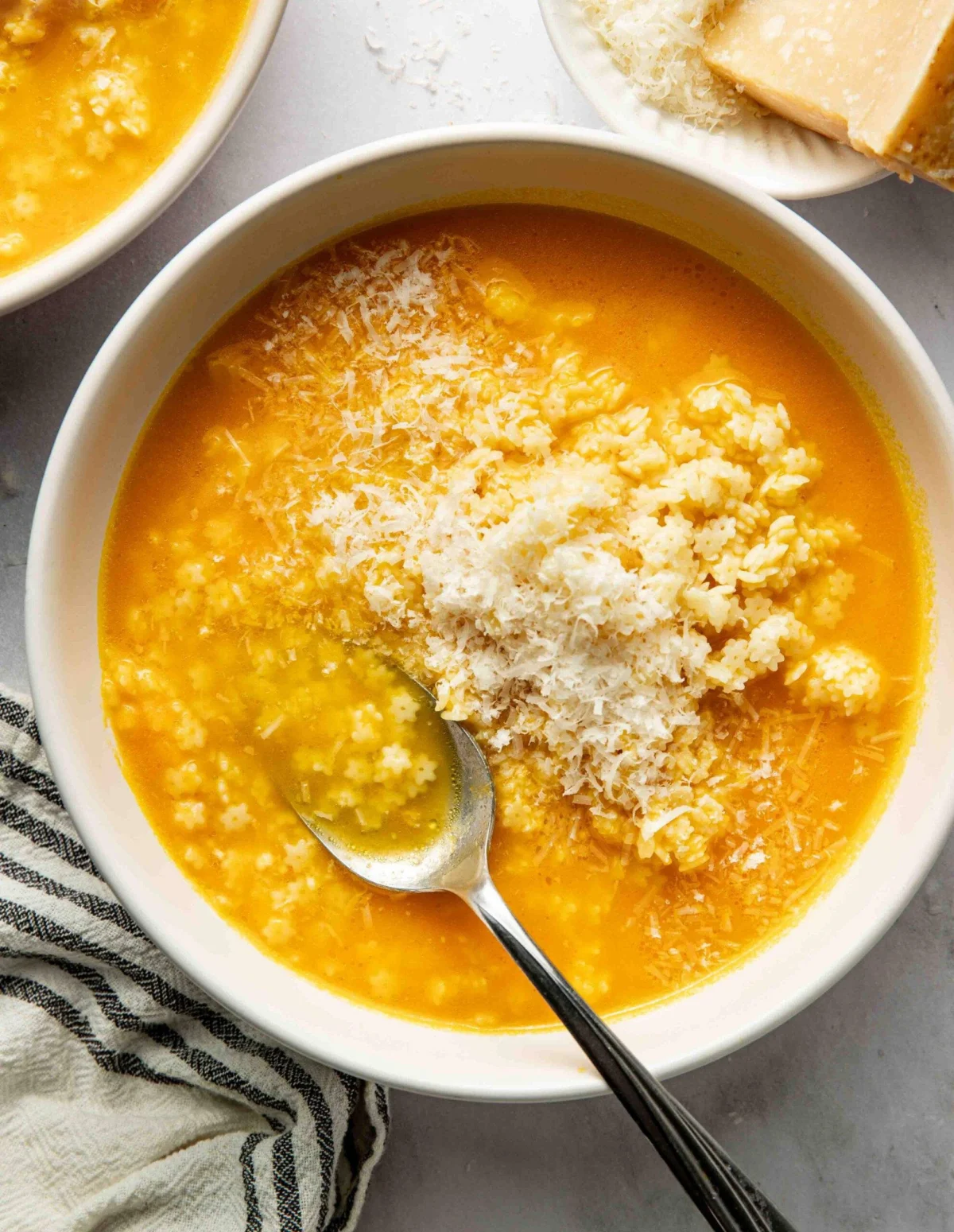

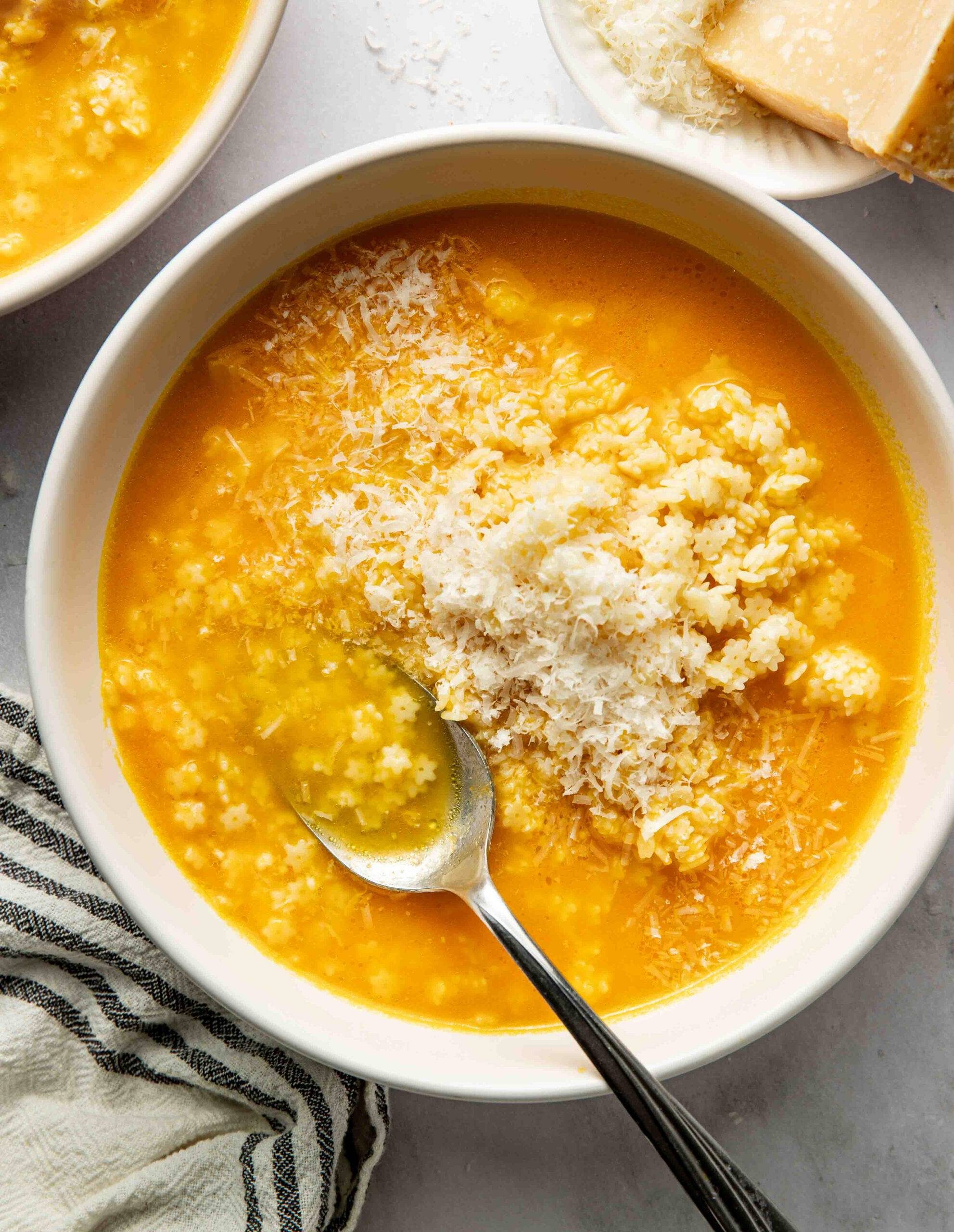
The culinary phenomenon known as pastina soup—frequently referred to by the colloquialism Italian Penicillin—has transcended its origins as a humble, generation-spanning household remedy to become a significant trend in modern home cooking. Characterized by its use of tiny, star-shaped pasta submerged in a light, nutrient-dense broth, the dish serves as a cornerstone of comfort cuisine. While its popularity has recently been amplified by digital media platforms, the dish carries deep historical roots in Italian-American households, where it has long been administered as a curative measure during periods of illness.
Historical Context and Cultural Significance
The term "Italian Penicillin" is not a medical classification but rather a cultural descriptor for the restorative properties attributed to the soup. For generations, Italian grandmothers have prepared variations of this broth for family members suffering from colds, influenza, or general malaise. The logic behind its classification as a curative food lies in its simplicity. Unlike heavy, complex stews, pastina soup provides essential hydration through its savory, slow-simmered broth while offering easily digestible carbohydrates via the star-shaped pasta, known technically as stelline or pastina.
The dish mirrors the broader global tradition of "congee" in East Asia or chicken noodle soup in Western contexts, where clear, warm broths are prioritized for their ability to soothe the digestive system and provide comfort during immune system recovery. The recent resurgence of this dish, particularly on platforms like TikTok, represents a cross-generational reclamation of traditional "sick day" meals in an era where convenience-heavy, processed diets have become the norm.

Culinary Anatomy: The Mechanics of the Broth
From a technical culinary perspective, the efficacy of the soup rests entirely on the quality of the base. Professional chefs and home cooks alike emphasize that the "magic" of the dish is not in the pasta itself—which is often store-bought—but in the aromatic foundation of the broth.
The traditional preparation process involves a multi-step infusion:
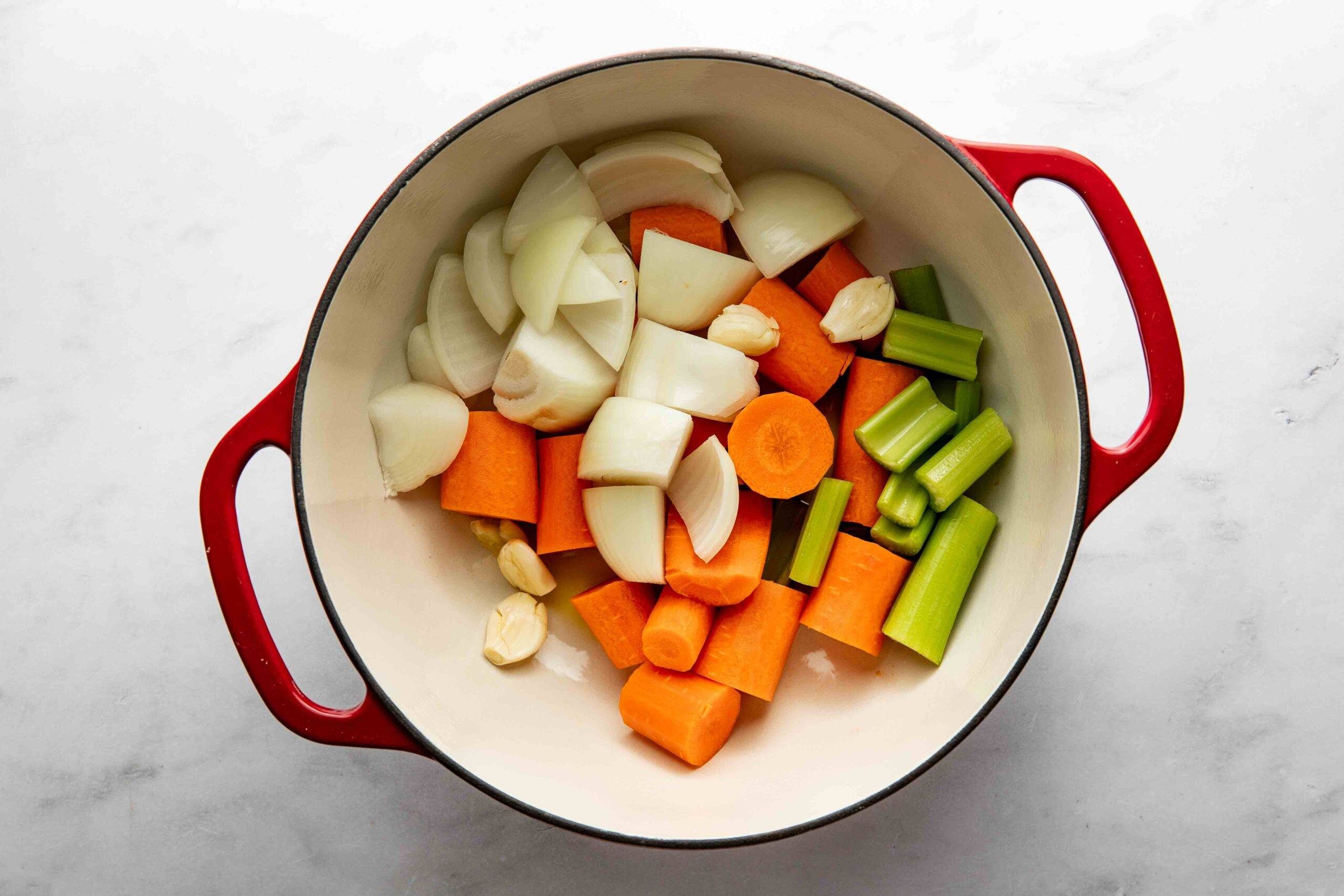
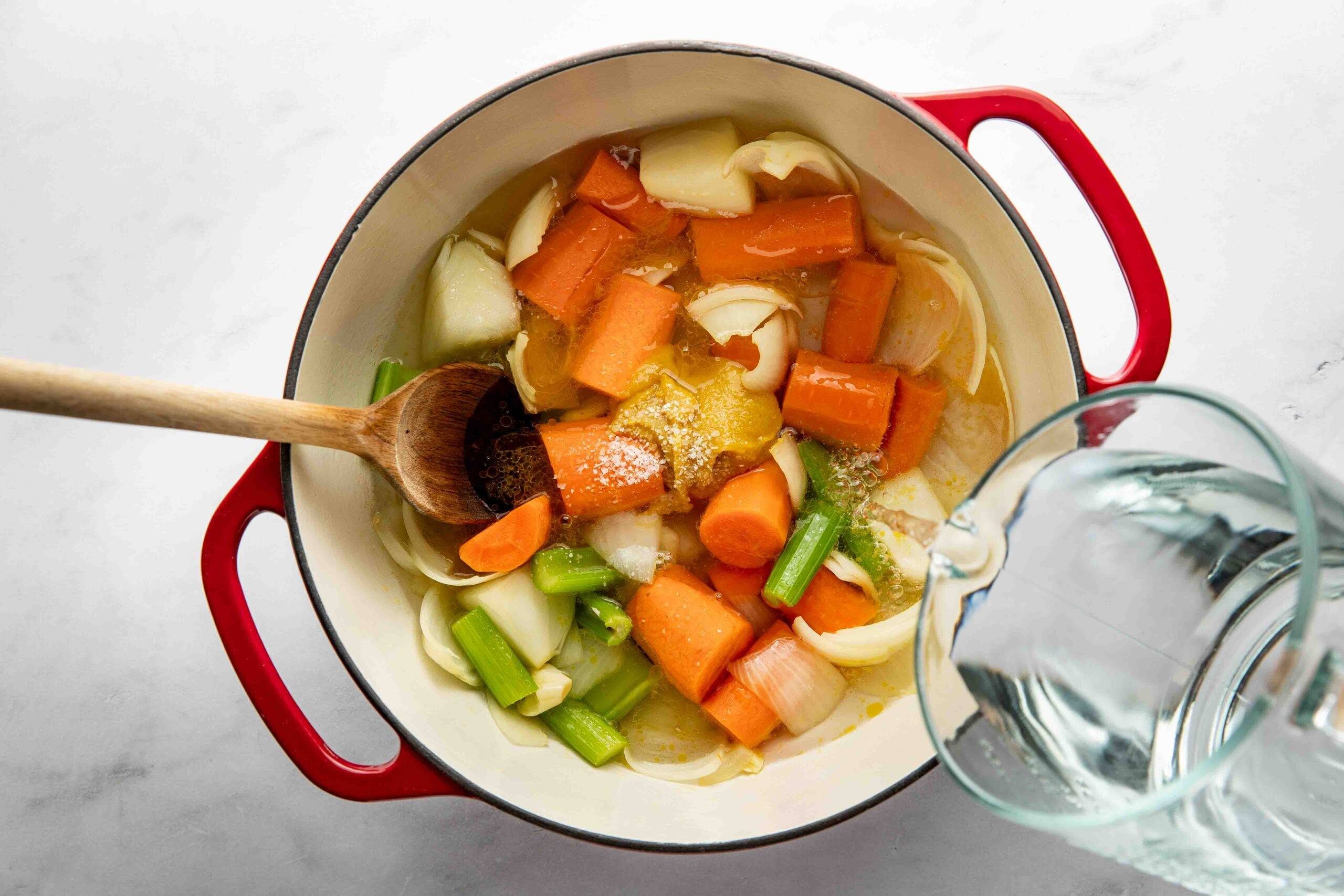
- The Mirepoix Base: Aromatics such as onions, carrots, and celery are sautéed in olive oil until fragrant. This process releases essential oils and sugars that provide the foundation for the broth’s flavor profile.
- The Extraction Phase: By simmering these vegetables in high-quality liquid, often supplemented with a bouillon base such as "Better Than Bouillon" or homemade stock, the water becomes infused with complex savory notes.
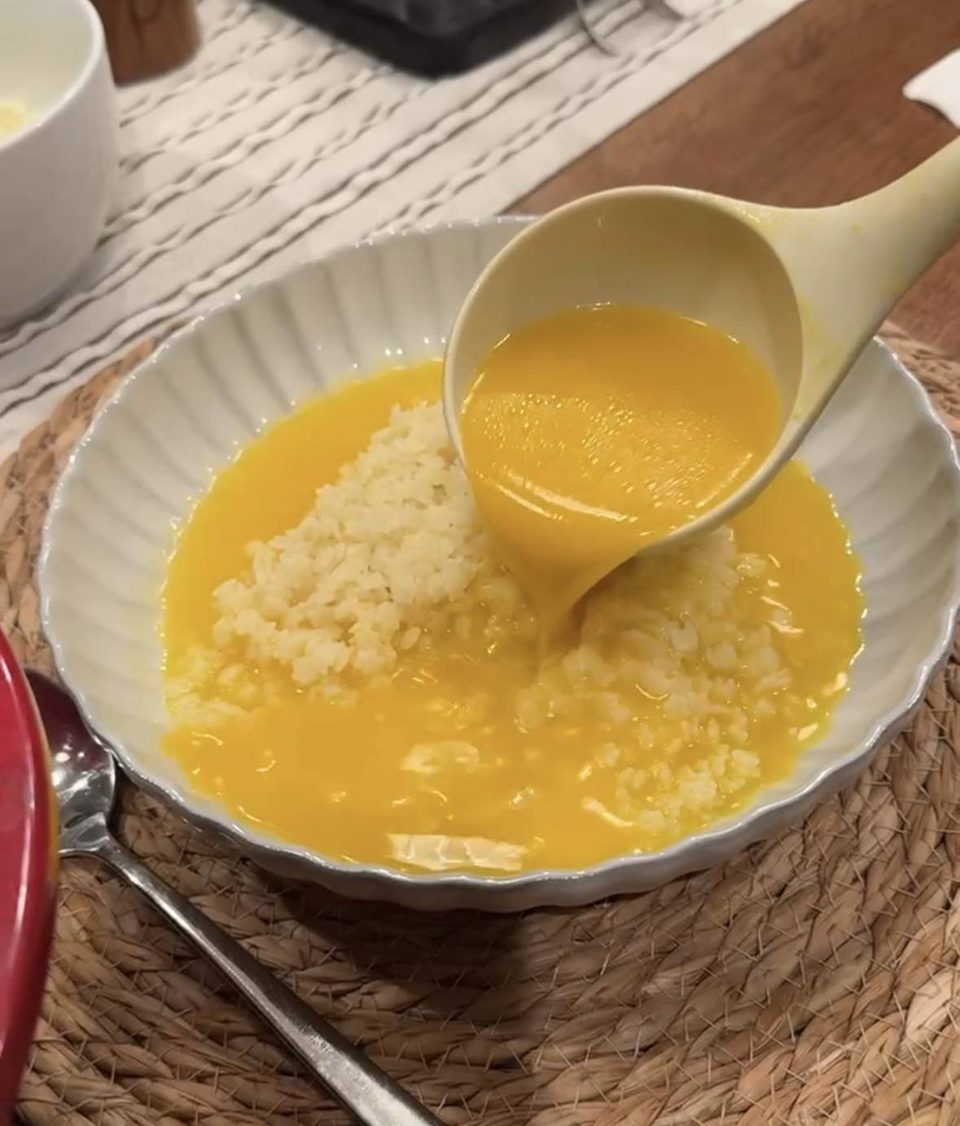
- The Texture Modification: A critical, often overlooked step involves removing the cooked vegetables, blending them into a smooth consistency, and reintegrating them into the broth. This provides body and thickness without the need for heavy starches or fats, resulting in a liquid that is simultaneously light and satiating.
The Rise of Viral Food Trends
The transition of pastina soup from a private family ritual to a public viral trend provides insight into the modern culinary landscape. Over the past three years, food creators have utilized social media to archive and share "nostalgia-based" recipes. Data from search engine trends indicates that queries for "pastina" and "comfort soup" see significant spikes during the winter months, aligning with peak cold and flu seasons.
Industry analysts suggest that the success of such content is driven by a desire for "low-barrier" cooking. During times of illness, the cognitive load required to prepare a complex meal is often beyond the capacity of the caregiver or the patient. Pastina soup requires minimal equipment—typically a single pot and a blender—and utilizes pantry staples, making it an accessible solution for families navigating the challenges of sudden household sickness.

Nutritional Implications and Benefits
While the dish is primarily lauded for its psychological comfort, there is a factual basis for its nutritional utility. During an illness, the body requires increased fluid intake to combat dehydration and maintain mucosal health. The salt content in a standard bouillon-based broth helps replenish electrolytes, while the carbohydrates in the tiny pasta offer a quick, non-taxing energy source for a body expending significant calories to fight infection.
Medical professionals often emphasize that the "healing" nature of such foods is also tied to the gut-brain axis. The consumption of warm, familiar foods can trigger the parasympathetic nervous system, which promotes rest and digestion—the two states most necessary for immune recovery.
Broader Economic and Market Impact
The increased visibility of pastina has had a tangible effect on the grocery industry. Small-format pasta shapes, which were once considered a niche item in many American supermarkets, have seen a surge in inventory turnover. Major retailers, including Target and regional grocery chains, have reported consistent demand for star-shaped pasta, reflecting the influence of home-cooking trends on supply chain priorities.
Furthermore, the popularity of high-quality broth bases has shifted consumer spending. As home cooks look to replicate restaurant-quality flavors in a short amount of time, the market for concentrated flavor enhancers has expanded. These products allow the consumer to achieve the depth of a long-simmered stock in under 30 minutes, a key requirement for the "quick-fix" culture that defines modern meal preparation.
Conclusion: A Legacy of Restoration
The enduring appeal of pastina soup lies in its resistance to culinary evolution. While other food trends change with the seasons, the "Italian Penicillin" remains largely unchanged in its preparation and intent. It stands as a testament to the idea that the most effective remedies are often the simplest.
As society continues to navigate the complexities of modern life, the return to such fundamental, heritage-based cooking serves as a vital anchor. Whether viewed through the lens of viral media or traditional family practice, the act of simmering a pot of broth and adding tiny stars remains a universal gesture of care, bridging the gap between historical necessity and contemporary comfort. The dish is more than a recipe; it is an established, reliable component of household wellness, proving that even in an age of technological advancement, a bowl of simple, warm broth remains one of the most effective tools for recovery.