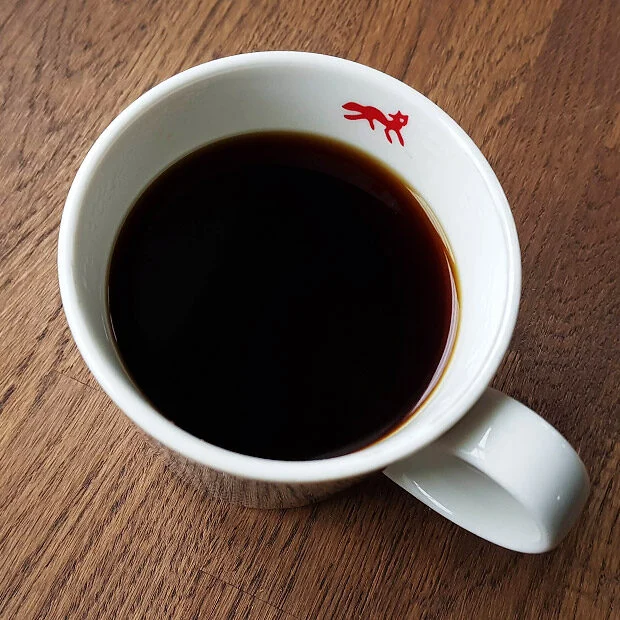

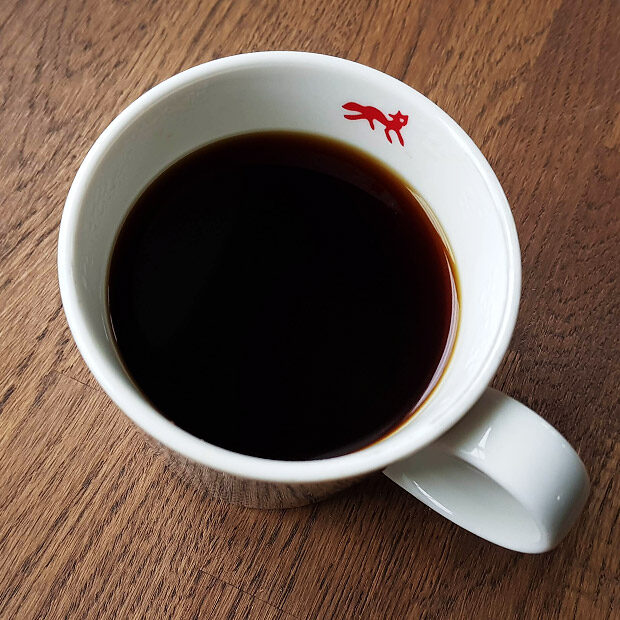
A standard cup of black coffee is deceptively simple in appearance, yet it represents a complex matrix of chemical compounds forged through the interaction of roasted beans and hot water. While consumers often focus on brewing parameters such as grind size, water temperature, and brew ratios, the ultimate sensory experience of coffee is dictated by an intricate invisible architecture of volatile and non-volatile molecules. Recent advancements in food science and analytical chemistry are shedding light on precisely what constitutes this daily beverage, revealing a fascinating intersection of organic chemistry, sensory perception, and culinary art.
To understand the composition of brewed coffee, scientists begin with its most abundant component: water, which typically accounts for more than 98.5 percent of the beverage. The remaining fraction consists of Total Dissolved Solids (TDS), generally ranging between 1.2 and 1.5 percent in a standard cup. This means that in a single liter of brewed coffee, there are roughly 12 to 15 grams of solid matter extracted from approximately 60 grams of coffee grounds. These extracted compounds are entirely responsible for the beverage’s distinct color, complex taste profiles, and rich aromas.
The Chronicle of Coffee Chemistry: A Historical Overview of Analytical Breakthroughs
The scientific quest to decode the chemical makeup of coffee spans several decades, driven by improvements in chromatographic techniques capable of separating individual molecular components.
In the late 20th century, researchers began isolating key volatile compounds to understand how aroma is constructed. A landmark 1996 study by researchers P. Semmelroch and W. Grosch analyzed 22 key volatile compounds found in coffee and attempted to synthetically recreate "model" coffees mimicking Arabica and Robusta varieties. While human assessors described these synthetic models as clearly coffee-like, they lacked the depth and nuance of a natural brew, demonstrating that dozens—if not hundreds—more molecules were required to replicate the authentic beverage.
Following this, a pivotal Aroma Extract Dilution Analysis (AEDA) conducted in 2002 by C. Sanz and colleagues revealed a staggering gap in analytical knowledge: out of 40 key odorants identified in coffee, 13 remained completely unknown. This limitation stemmed from two primary scientific hurdles: some molecules exist in concentrations too low to isolate for structural elucidation, while others possess large, complex molecular structures that complicate identification.
Polarity and Extraction Dynamics
The compounds extracted during brewing are broadly categorized into polar and non-polar groups, dictating how they behave when exposed to water as a solvent.
Polar compounds—which include acids, minerals, proteins, and carbohydrates—are highly soluble in water. As a result, standard brewing methods successfully extract more than 75 percent of the available polar compounds from coffee grounds. These elements form the foundational tastes experienced on the tongue, including bitterness, sweetness, acidity, and astringency, while also contributing to the beverage’s overall body and texture.
Conversely, non-polar compounds, which include lipids and various volatile aroma molecules, exhibit low solubility in water. Typically, only 10 to 30 percent of these non-polar compounds make it into the final cup during conventional water-based brewing. This discrepancy has led food scientists to explore alternative extraction methods—such as utilizing less polar solvents like ethanol—to unlock entirely new dimensions of coffee flavor and chemical yield.
Micro-Concentrations and Sensory Impact
One of the most counterintuitive aspects of coffee chemistry is the relationship between a compound’s concentration and its sensory impact. When examining the broad spectrum of coffee components, concentrations span more than nine orders of magnitude, ranging from macroscopic percentages down to parts per trillion (ppt).
It is a common misconception that lower concentration equates to lesser impact. While this holds true within linear comparisons of the same compound, it fails entirely when comparing different molecules. Human olfactory receptors possess unique and vastly differing sensitivity thresholds for individual odorants.
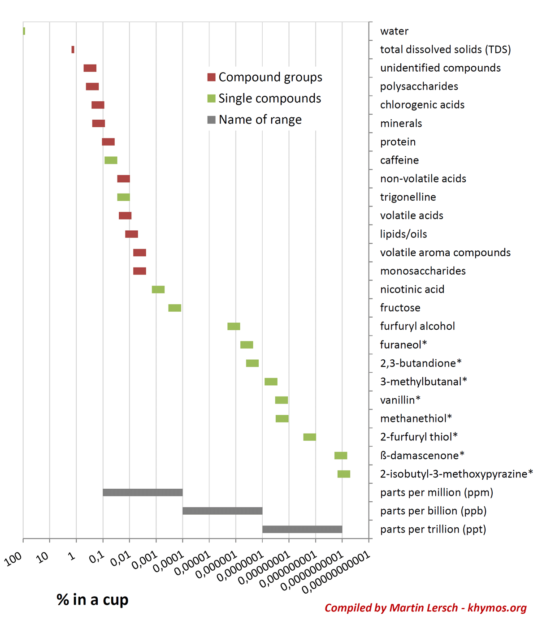
A prime example is beta-damascenone, a potent aromatic compound belonging to the rose ketone family—initially discovered in rose oil during the 1960s and famously utilized in the formulation of luxury fragrances like Dior’s Poison. In coffee, beta-damascenone is present in minute concentrations dipping as low as 1 part per trillion. Despite this infinitesimal presence, its exceptionally low odor threshold gives it a massive Odor Activity Value (OAV), making it one of the top five most impactful odorants in a cup of coffee. Consequently, a chemical present at a concentration of 0.0000000001 percent can hold just as much influence over the overall flavor profile as a compound present at 0.01 percent.
Implications for Coffee Quality Assessment and Industry Standards
The complexity of coffee extraction poses significant challenges for quality control within the commercial coffee industry. Total Dissolved Solids (TDS) measurements remain the industry standard for determining coffee strength due to their simplicity and speed. However, food scientists emphasize that TDS is a remarkably poor predictor of actual aroma and flavor.
Because minor compounds—such as high-potency volatile odorants—do not necessarily extract at the same rate or in correlation with the major macro-solids that dictate TDS, two cups of coffee with identical strength metrics can taste radically different. This chemical disconnect explains why barista techniques and extraction science must look beyond mere dissolved solids to manage roast profiles, grind distributions, and water chemistry effectively.
Broader Impact and Future Research Directions
As analytical chemistry continues to evolve, researchers anticipate the discovery of additional unknown key odorants in coffee, particularly as detection limits improve for ultra-trace compounds. The ongoing exploration into the molecular composition of coffee not only elevates the craft of specialty coffee brewing but also provides broader insights into food science, flavor pairing, and volatile organic compound analysis.
For now, while laboratory instruments and gas chromatography offer unprecedented windows into the molecular anatomy of a brew, the human nose remains the ultimate analytical instrument. As scientists and coffee professionals continue to map the thousands of interacting molecules within each cup, the art of extraction remains a delicate balance between empirical science and sensory appreciation.