
The transformation of the modern agricultural supply chain was on full display this July as bakers, agricultural researchers, plant breeders, and farmers converged on Washington State’s Skagit Valley for the 2026 Grain Gathering. Hosted jointly by the Washington State University (WSU) Breadlab and the Washington State Department of Agriculture (WSDA) from July 19 to 21, the three-day event marked the first time in eight years that this international congregation of grain-obsessed professionals and home enthusiasts had assembled. Operating under the central theme “Nourishing Communities,” the gathering served as a vital forum for discussing the ecological, economic, and cultural implications of decentralized grain economies.
Main Facts of the 2026 Grain Gathering
The 2026 Grain Gathering drew hundreds of participants ranging from commercial bakers and agricultural scientists to domestic micro-bakers. Central to the event was an emphasis on bridging the traditional disconnects between the distinct stages of the grain-to-loaf continuum: breeding, farming, milling, and baking.
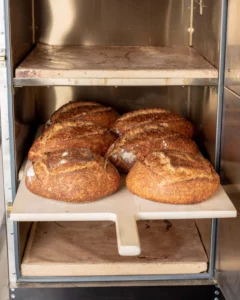
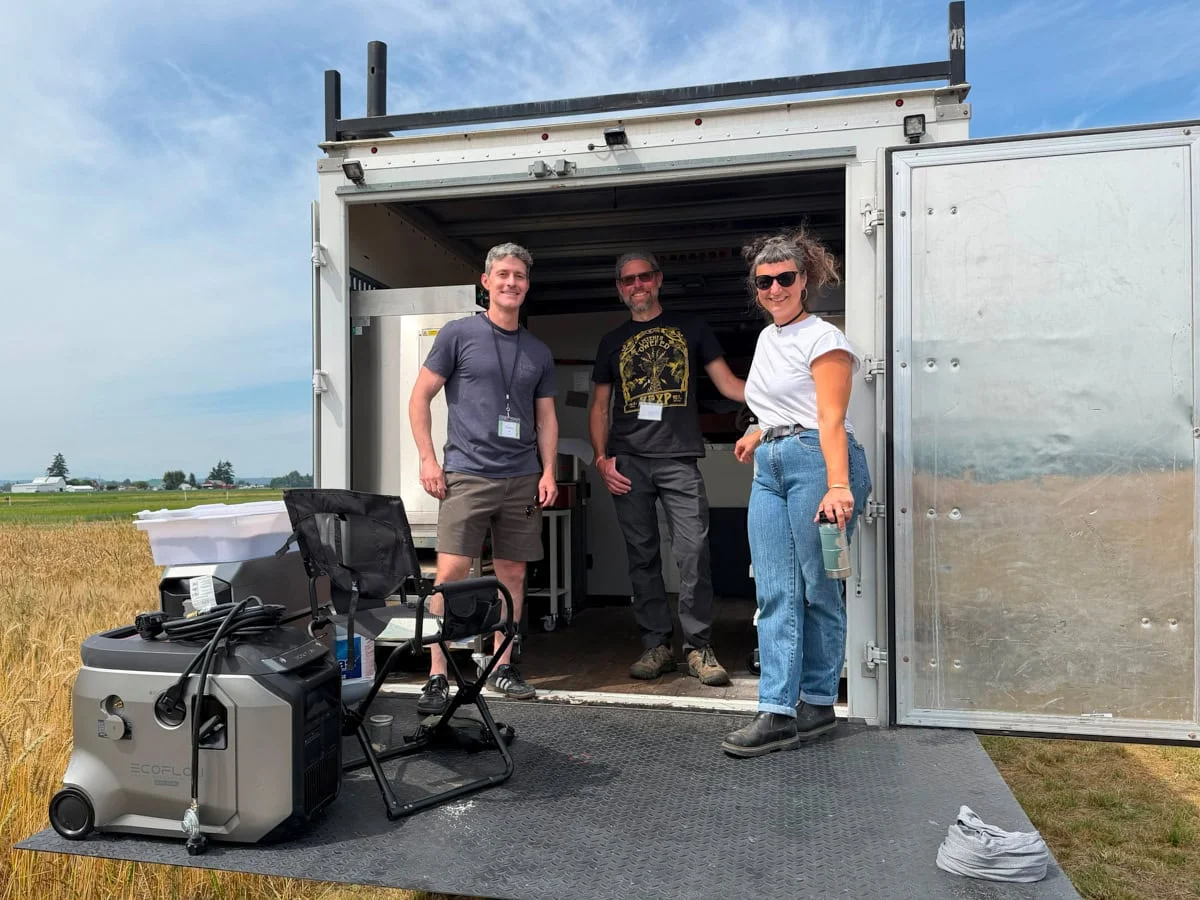
A primary attraction on the ground was a solar-powered mobile mill and bakery built by artisan baker Marc Benoit. Designed to challenge the conventional, anonymous commodity grain market, Benoit’s mobile rig featured an integrated bread oven, stone mill, mixer, and workbench powered entirely by a rooftop solar array. Operating within experimental plots of population spelt managed by Moon Family Farms, Benoit collaborated with fellow bakers Baylin Speidel and Thomas Vroom to mill and bake dozens of specialty items. Using heritage and regional grains such as Hollis, Chimacum Confluence, and Palouse Heritage Elwha River Spelt, the team produced artisanal country loaves, large-format focaccia, baguettes, and bialys. This mobile setup demonstrated the technical and economic viability of processing grain directly at the harvest site, effectively bypassing industrial intermediaries.
Chronology and Background of the Event
The Grain Gathering has long served as a North American epicenter for grain innovation since its inception under the guidance of the WSU Breadlab, founded by Dr. Stephen Jones. Over the past decade, the event has evolved from a niche academic symposium into a collaborative workshop where empirical agricultural science meets hands-on culinary arts.
The eight-year hiatus preceding the 2026 event heightened anticipation across the grain community. Leading up to the July conference, regional infrastructure for identity-preserved grains had expanded significantly, driven by local milling operations such as Cairnspring Mills and the Chimacum Valley Grainery. The 2026 schedule was structured to reflect this maturation, dividing attendees’ time evenly between field walks through WSU’s experimental wheat breeding plots, technical masterclasses on fermentation science, and panel discussions on regional supply chain economics.
Supporting Data: Economics and the Commodity System
The economic realities of grain production formed a foundational pillar of the conference’s discourse. Within the conventional commodity grain system, harvested wheat from thousands of independent farms is aggregated into massive regional silos. This anonymization process strips grain of its origin, blending high-care, sustainable harvests with standard crops. Consequently, farmers receive a standardized baseline price that frequently fails to reflect investments in soil health, regenerative practices, or crop quality.
In contrast, identity-preserved supply chains maintain strict traceability from the seed variety to the final consumer. Economic analyses presented during the gathering highlighted how decentralized processing—such as mobile milling units or small-scale regional mills—allows operators to capture margins typically lost to intermediate distributors, bulk millers, and corporate retailers. By retaining these revenues within local agricultural economies, farmers can command significantly higher returns per bushel of specialized grain. For consumers, artisan sourdough loaves typically retailing between $6 and $12 reflect not just inflated markup, but the true labor-intensive cost of supporting localized, sustainable farming ecosystems.
Breeding for Flavor, Nutrition, and Resilience
A major focus of the academic presentations centered on the historical trajectory of wheat breeding. For much of the 20th century, commercial plant breeders optimized wheat varieties almost exclusively for high field yields, uniform growth characteristics, disease resistance, and mechanical harvest efficiency. Flavor, nutritional density, and adaptability to regional microclimates were largely deprioritized in favor of global standardization.
The WSU Breadlab presented ongoing research counteracting this trend by developing proprietary wheat varieties—such as Skagit 1109, Salish Blue, and Ruth—specifically bred to thrive under regional environmental constraints while scoring high on culinary metrics. Unlike industrial wheat varieties intended to perform moderately well across diverse global climates, these regionally adapted populations are engineered for specific growing regions. Crucially, the Breadlab’s methodology incorporates baking trials directly into the breeding cycle, ensuring that agronomic viability translates reliably into functional baking performance and distinct sensory profiles.
Statements and Industry Reactions
Participants representing various links in the supply chain emphasized the unprecedented nature of having all stakeholders gathered under a single physical infrastructure.
Kevin Morse, founder and CEO of Cairnspring Mills, underscored the necessity of connecting regional farmers directly with commercial and domestic kitchens. During facility tours and panel sessions, Morse and his team detailed how regional milling bridges the gap between agricultural producers and local bakeries, ensuring that locally grown crops remain within the immediate community.
Master baker Jeffrey Hamelman, a veteran voice in the artisanal baking community, noted that events like the Grain Gathering validate decades of empirical observation regarding flour quality and fermentation. Hamelman and other industry figures, including Andrew Heyn and Blair Marvin of Elmore Mountain Bread, emphasized that the ongoing shift toward freshly milled, whole-grain flour is not merely a passing culinary trend, but a fundamental correction toward nutritional integrity and ecological sustainability.
Broader Impact and Market Implications
The implications of the 2026 Grain Gathering extend far beyond specialized artisanal bakeries, pointing toward potential shifts in regional food security and agricultural policy. As climate volatility stresses traditional breadbasket regions in North America, the cultivation of regionally adapted, genetically diverse grain populations—such as population spelt and composite cross-breeds—offers a resilient alternative to monoculture farming.
For the commercial baking sector, the widespread adoption of identity-preserved flour encourages closer direct-trade relationships between bakeries and agricultural producers. While scaling decentralized milling presents logistical and regulatory challenges, the operational success demonstrated by mobile processing units and regional mills suggests a viable blueprint for localized food economies.
Ultimately, the 2026 conference reinforced that the future of grain is inextricably linked to transparency. By reconnecting the consumer and baker to the specific agronomic decisions made in the field, the movement championed by the WSU Breadlab and its collaborators seeks to restore both flavor and economic equity to the daily loaf of bread.