
The Evolution of Sheet Pan Gastronomy
The rise of the "sheet pan" cooking method correlates with a broader consumer shift toward simplified home cooking. According to recent market analysis in the food and beverage sector, the preference for "one-pan" meals has grown significantly over the last decade, driven by a desire to reduce post-meal cleanup and streamline the preparation of macronutrient-dense meals. Historically, complex multi-vessel cooking was the standard; however, modern culinary techniques now emphasize efficiency without sacrificing the sensory quality of the food.
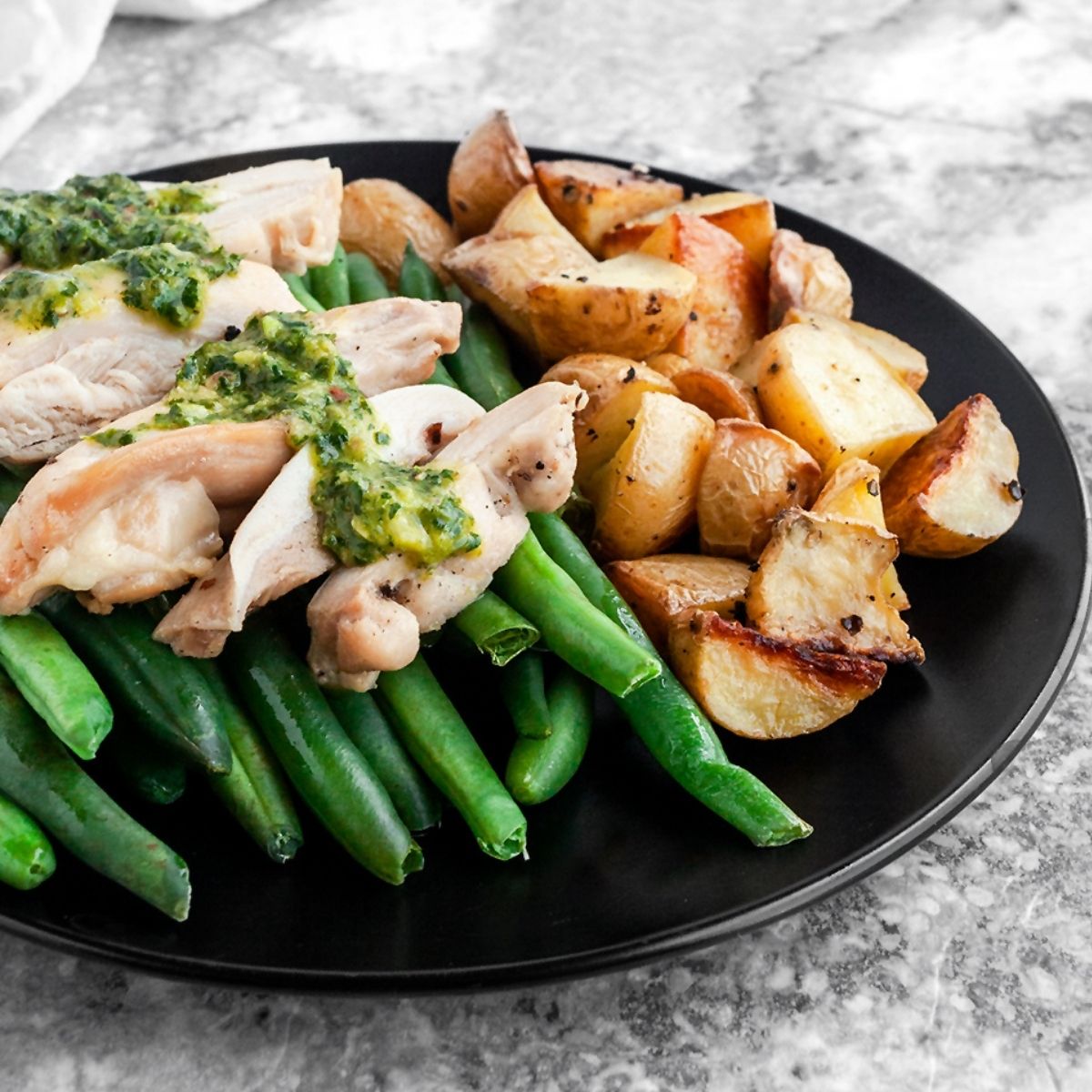
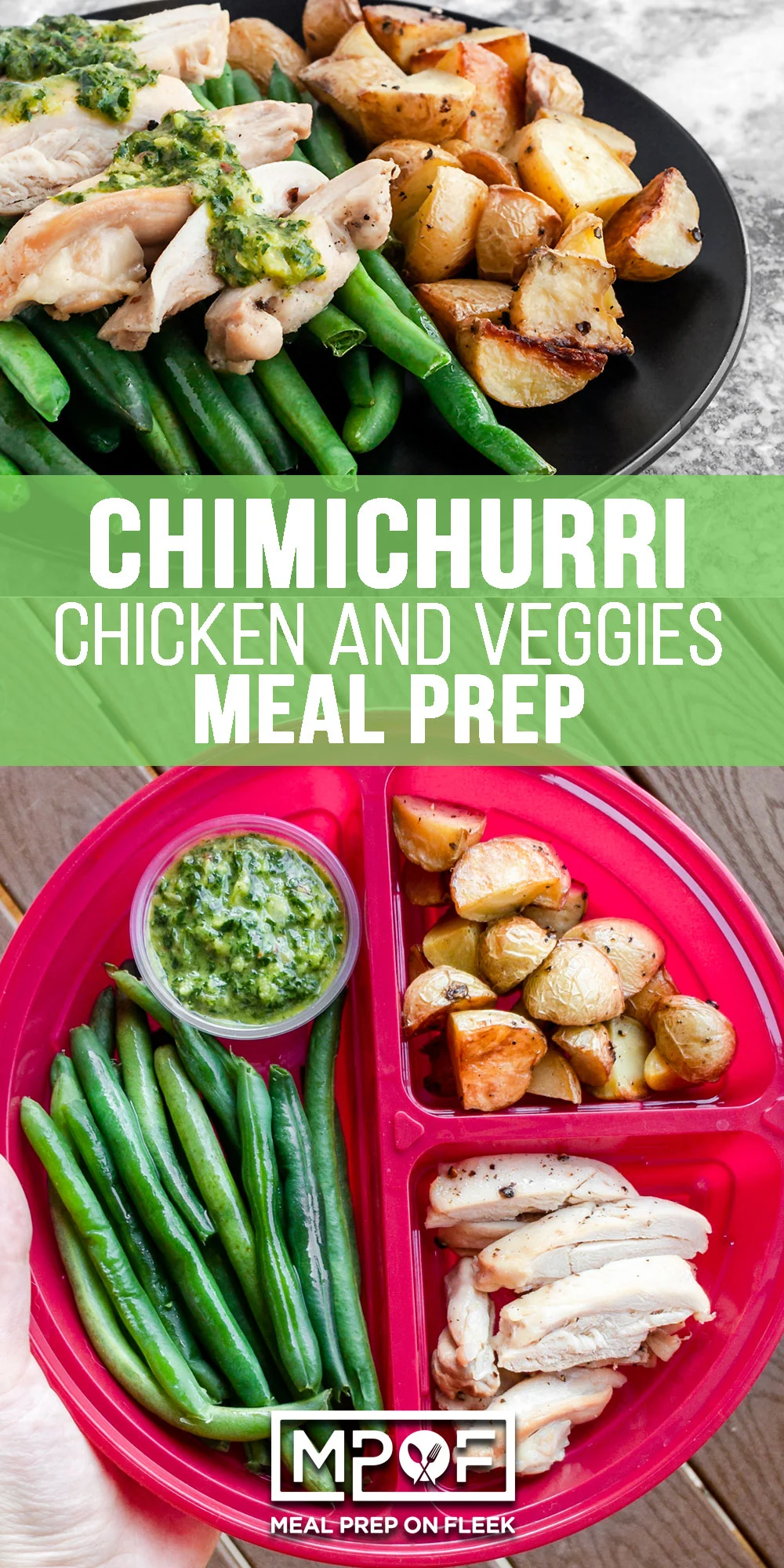
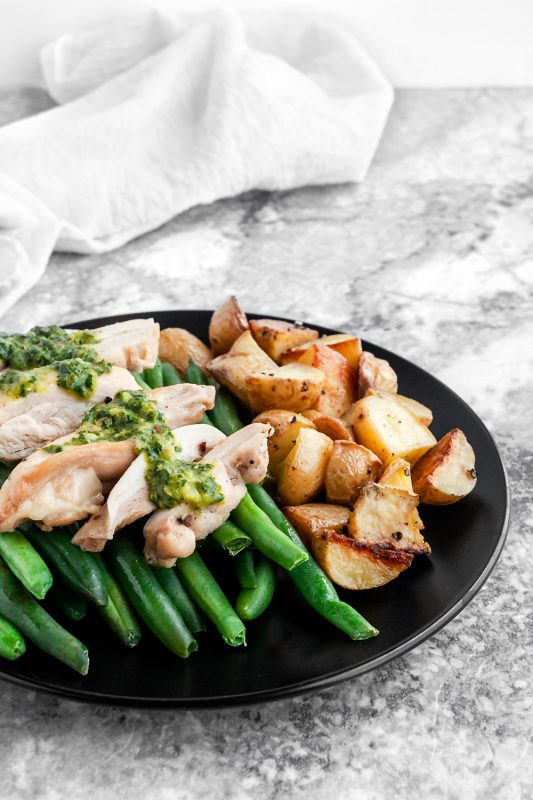
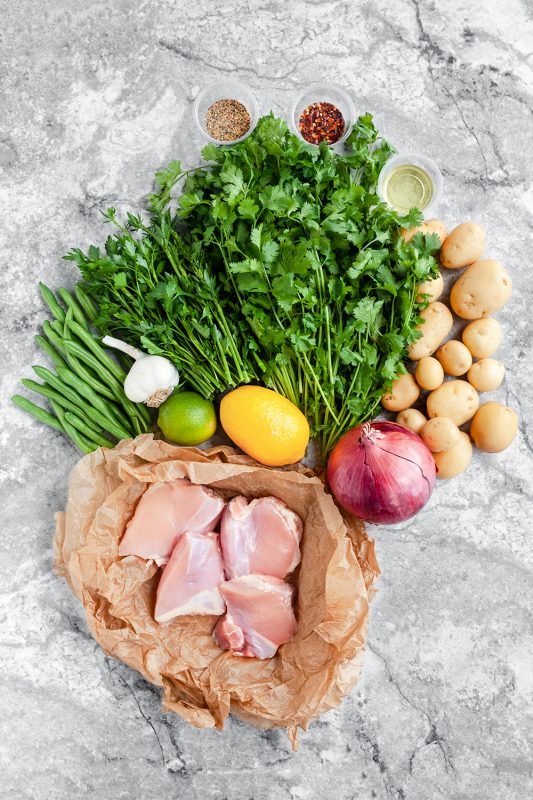
The Sheet Pan Chimichurri Chicken and Veggies recipe serves as a case study in this trend. By utilizing chicken thighs—a cut prized for its resilience against high-heat roasting—and combining them with mini gold potatoes and green beans, the dish provides a comprehensive caloric profile. The inclusion of chimichurri, a condiment rooted in Argentine and Uruguayan culinary traditions, elevates the dish by providing a sharp, acidic contrast to the roasted fats of the chicken, thus providing a balanced palate experience that maintains its integrity during storage.
Chronology of Preparation and Implementation
Effective meal prep requires a disciplined approach to timing and temperature. The standard execution of this dish involves a 50-minute total time commitment, split between active preparation and passive thermal processing.
- Pre-Preparation (0–15 Minutes): The process begins with the thermal calibration of the oven to 400°F (204°C). The structural integrity of the meal relies on precise vegetable cuts. Mini gold potatoes, halved or quartered to ensure uniform surface-area-to-volume ratios, are trimmed and processed alongside fresh green beans. The chicken thighs, having been patted dry, are arranged strategically on the pan to facilitate even heat distribution.
- Thermal Processing (25–30 Minutes): The roasting phase is the most critical juncture. Maintaining an internal chicken temperature of 165°F (74°C) is the industry-standard benchmark for food safety. The layout on the pan is engineered to ensure that the moisture released from the green beans does not compromise the crispness of the potato skins.
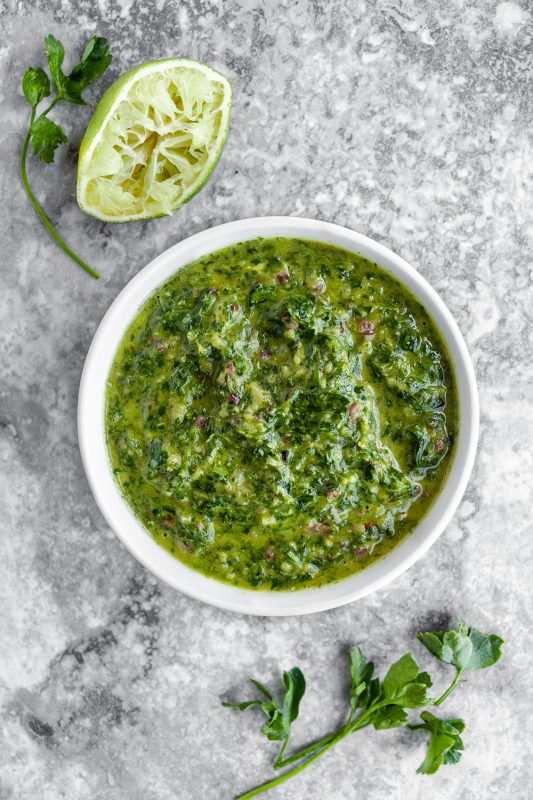
- Condiment Synthesis: The chimichurri is prepared concurrently via mechanical blending. The emulsification of olive oil, fresh parsley, cilantro, garlic, lemon, and lime juice creates a high-antioxidant profile. The mechanical process is deliberately kept brief to maintain the herb-heavy texture, which prevents the sauce from becoming overly homogenized.
Nutritional Profile and Macronutrient Distribution
For the health-conscious consumer, the metrics of a meal are paramount. Each serving of this dish—assuming a four-portion yield—contains approximately 649 kilocalories. The macronutrient breakdown is characterized by 37.6 grams of protein, which is essential for muscle protein synthesis, and 28.8 grams of carbohydrates, primarily sourced from the potatoes. The fat content, at 44.7 grams, is derived largely from monounsaturated fats present in the olive oil and the natural fats of the chicken thighs.
Dieticians note that the inclusion of green beans contributes approximately 4.4 grams of dietary fiber per serving. This fiber content plays a crucial role in regulating glycemic response, making this dish a sustainable option for those looking to maintain energy levels throughout the workday. The high fat and protein content, balanced by the fiber, contributes to sustained satiety, which is a key objective in successful weight management and metabolic health.
Logistics of Storage and Food Safety
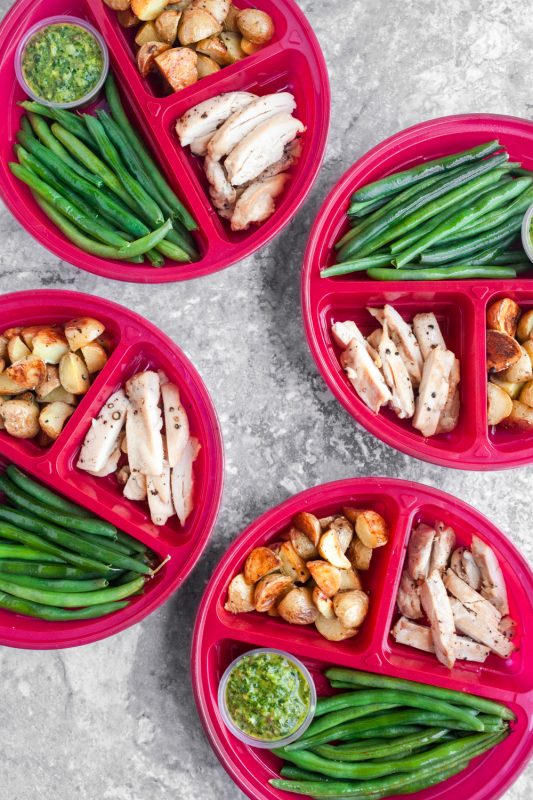
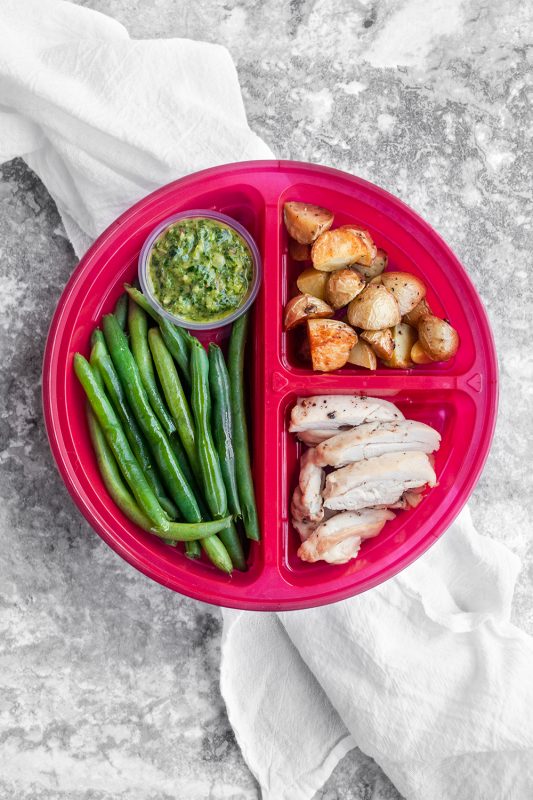
A primary challenge in meal preparation is the degradation of quality over time. Research into food chemistry suggests that the primary enemy of pre-prepared meals is moisture migration. To mitigate this, the recipe mandates that the chimichurri sauce be stored separately from the solid components.
When refrigerated at temperatures below 40°F (4°C), the components remain stable for up to 96 hours. The practice of allowing the roasted items to reach room temperature before sealing the container prevents condensation—a major factor in the spoilage of cooked vegetables. For long-term storage, while the chicken and potatoes can be frozen for up to two months, the green beans are excluded from this process due to the loss of cellular structure upon thawing, which renders them mushy and unpalatable.
Broader Economic and Lifestyle Implications
The shift toward recipes like the Sheet Pan Chimichurri Chicken and Veggies reflects a broader cultural reaction to the rising costs of dining out and the health concerns associated with ultra-processed convenience foods. By preparing meals in bulk, households can achieve significant cost savings—often reducing the per-meal price by 50% or more compared to restaurant-purchased alternatives.
Furthermore, the environmental impact of standardized, high-efficiency cooking is noteworthy. By utilizing the entire capacity of an oven for a single 30-minute session, rather than cooking multiple items at different times, the home chef optimizes energy consumption. This approach aligns with the growing "zero-waste" movement, as the ingredients are utilized in their entirety, and the prep-heavy nature of the task encourages better planning of grocery purchases.
Expert Analysis and Conclusion
Industry experts in food systems suggest that the success of such recipes lies in their modularity. Because the chimichurri sauce acts as a flavor "vehicle," the base components of the chicken and potatoes can be easily swapped for alternative proteins or starches—such as salmon or sweet potatoes—without requiring a complete overhaul of the cooking process. This versatility is what makes the recipe a perennial favorite among nutritionists and time-strapped professionals alike.
The combination of high-quality ingredients, precise thermal management, and intentional storage protocols makes this sheet pan method a superior model for home meal prep. As consumers continue to prioritize health, economic efficiency, and environmental consciousness, the reliance on such structured, nutrient-dense, and time-effective recipes is expected to grow. By demystifying the preparation process and focusing on the synergy of flavors and textures, individuals can successfully integrate healthy, restaurant-quality meals into their daily routines without the typical burden of intensive kitchen labor.
Ultimately, the longevity of this dish’s popularity is attributed to its reliability. In an era of unpredictable schedules, having a predetermined, nutrient-rich meal available in the refrigerator provides a tangible psychological and physical benefit, fostering long-term adherence to healthy dietary patterns.