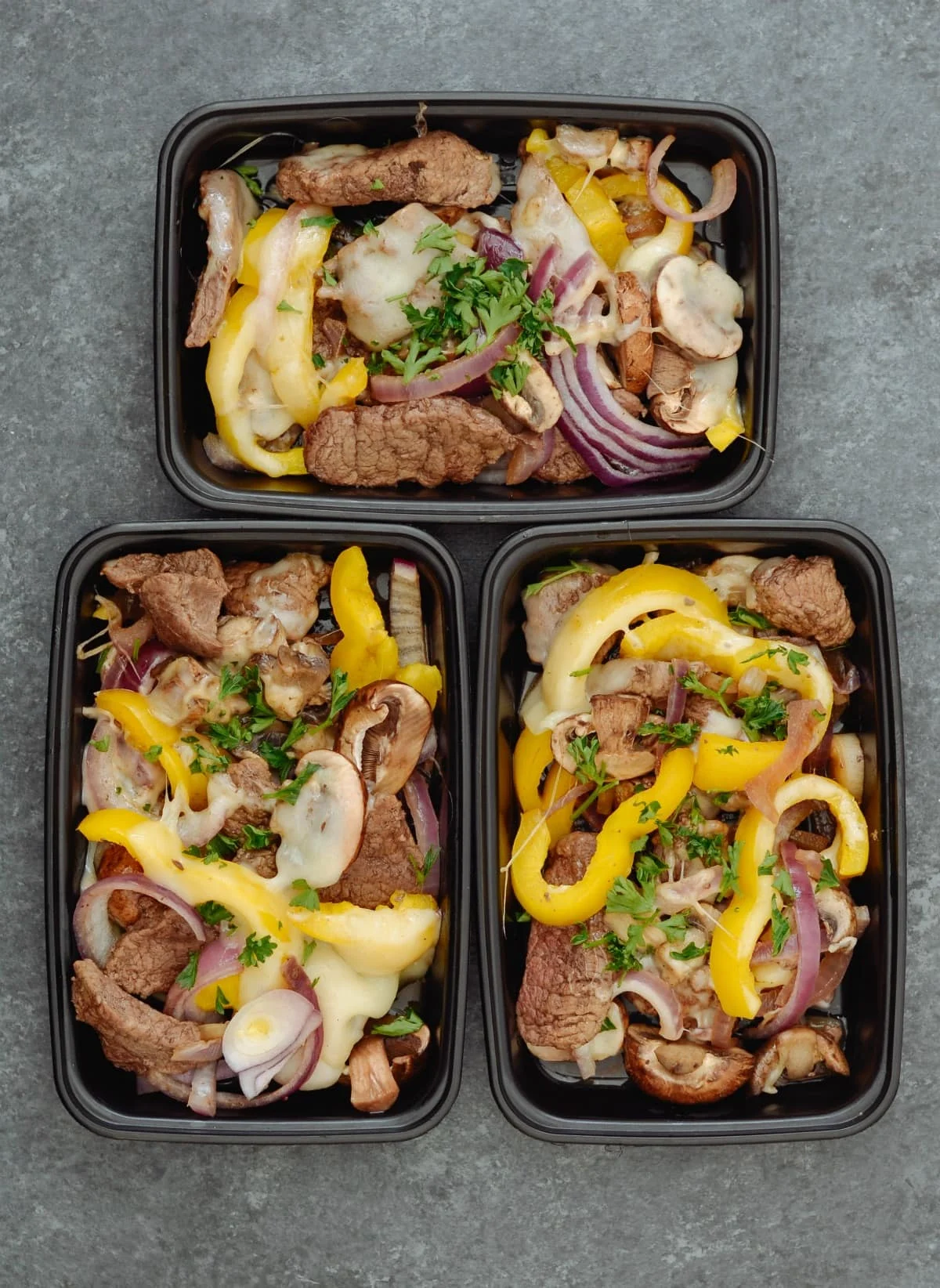

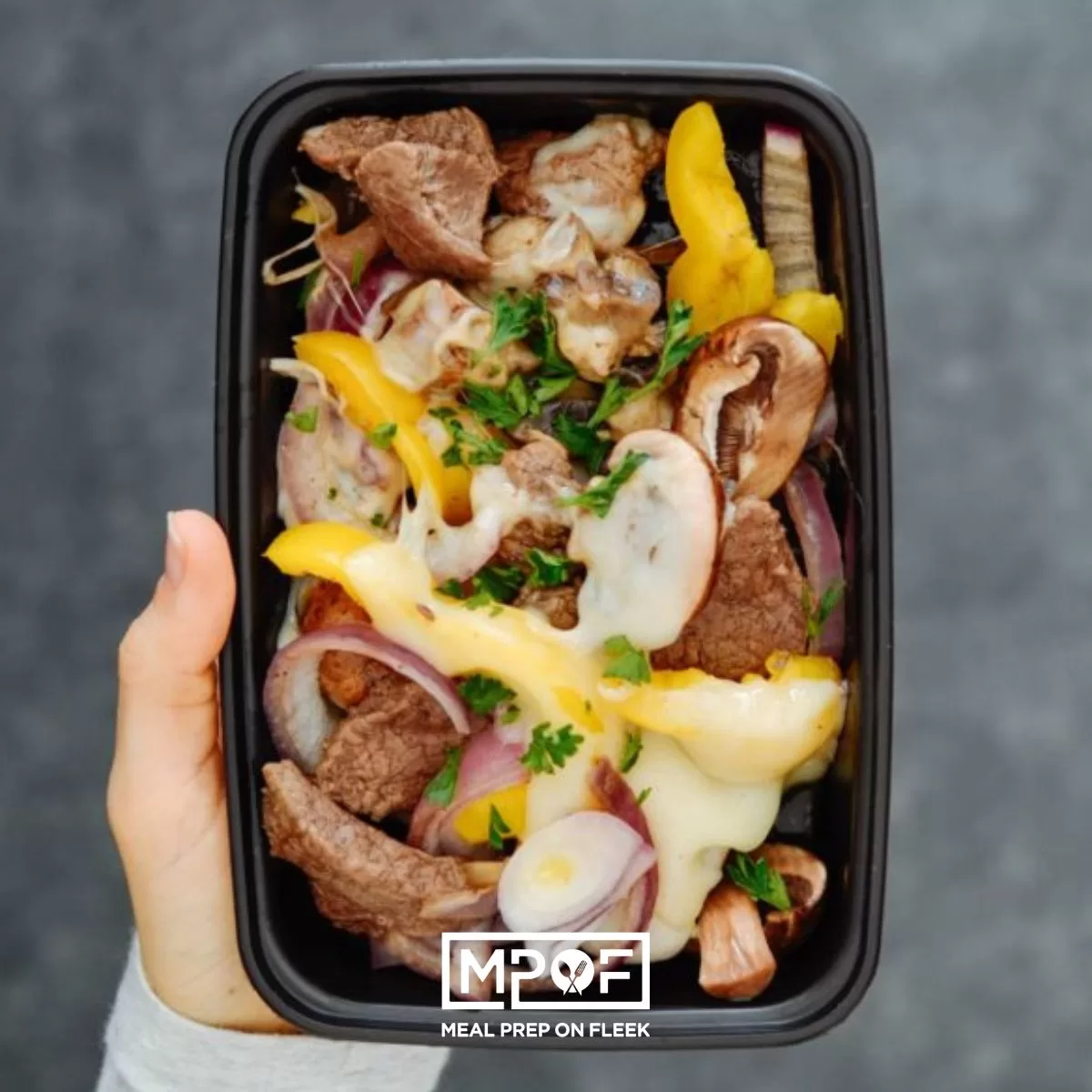
The evolution of the Philadelphia cheesesteak from a local street-food staple to a versatile, high-protein meal-prep solution represents a broader shift in modern nutritional habits. While the traditional sandwich, characterized by thinly sliced ribeye, melted cheese, and sautéed onions on a long crusty roll, remains a cultural icon, home cooks are increasingly adapting the core components to meet contemporary dietary requirements, such as low-carb, keto-friendly, and high-protein meal planning. This transition—moving from the griddle of a South Philadelphia shop to the portable containers of a weekly meal-prep routine—demonstrates how culinary traditions can be deconstructed to maintain flavor profiles while adhering to diverse health goals.
Historical Context and the Origins of the Cheesesteak
The origins of the Philadelphia cheesesteak are traced back to the early 1930s. According to local historical accounts supported by Visit Philadelphia, brothers Pat and Harry Olivieri are credited with the invention. The narrative suggests that the brothers, who operated a hot dog stand near South Philadelphia’s Italian Market, experimented with thinly sliced beef and onions on a roll after a customer requested an alternative to their standard offerings. A passing taxicab driver reportedly sampled the creation, leading to the eventual establishment of Pat’s King of Steaks.
The dish became a regional phenomenon, characterized by the use of high-heat flat-top griddles, which allow for rapid caramelization and uniform texture. Throughout the 20th century, the cheesesteak transitioned from a local curiosity to a symbol of American regional cuisine, with specific standards regarding the cut of meat, the bread, and the cheese—typically Cheez Whiz, provolone, or white American.

The Modern Adaptation: Deconstructing the Sandwich
In recent years, the intersection of macro-nutrient tracking and convenience-focused cooking has led to the emergence of the "deconstructed" cheesesteak. By omitting the hoagie roll, home cooks have successfully reduced the carbohydrate count of a standard serving by approximately 30 to 40 grams, depending on the bread used. This shift has not compromised the fundamental cooking techniques required to achieve the authentic texture of the dish.
The primary challenge in reproducing the "cheesesteak experience" at home is the maintenance of the Maillard reaction—the chemical process that occurs when proteins and sugars are browned, creating the characteristic depth of flavor. Whether using a cast-iron skillet or a dedicated flat-top griddle, the methodology remains the same: high heat, significant surface area, and precise timing.
Methodology: Skillet vs. Griddle Performance
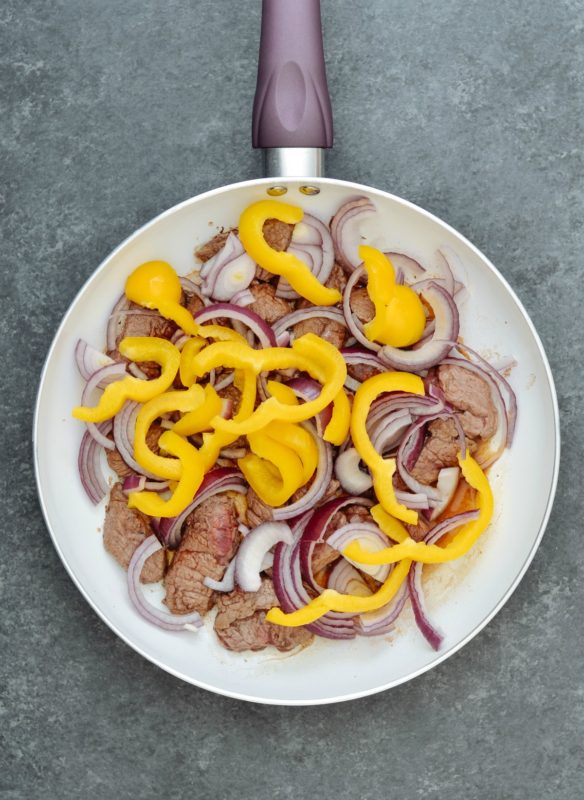
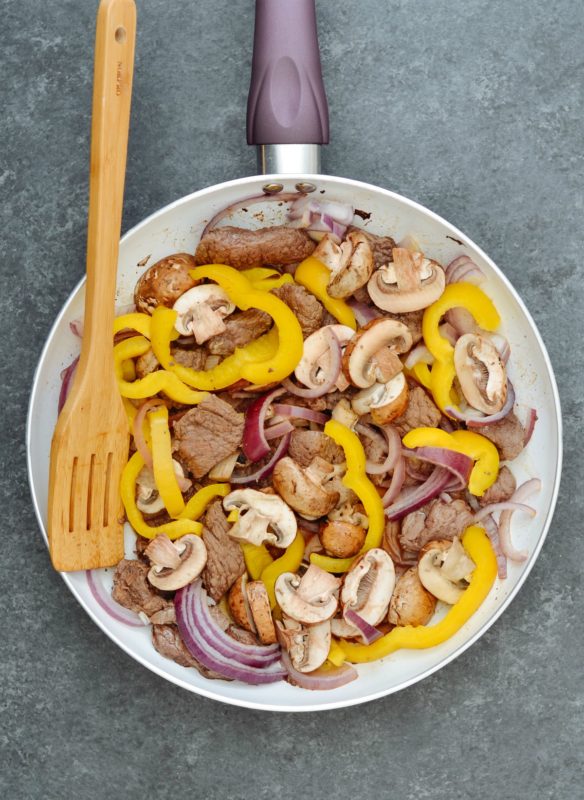
Professional culinary analysis suggests that the flat-top griddle is superior for volume preparation. The surface area provided by a griddle allows for the separation of ingredients—beef, onions, and mushrooms—preventing the mixture from steaming in its own juices, which is a common pitfall in smaller, high-walled skillets.
- The Griddle Method: This technique allows for simultaneous cooking. The steak is spread thinly across the surface, facilitating rapid sear. The increased surface area ensures that the meat achieves a crispy edge while the vegetables undergo deep caramelization.
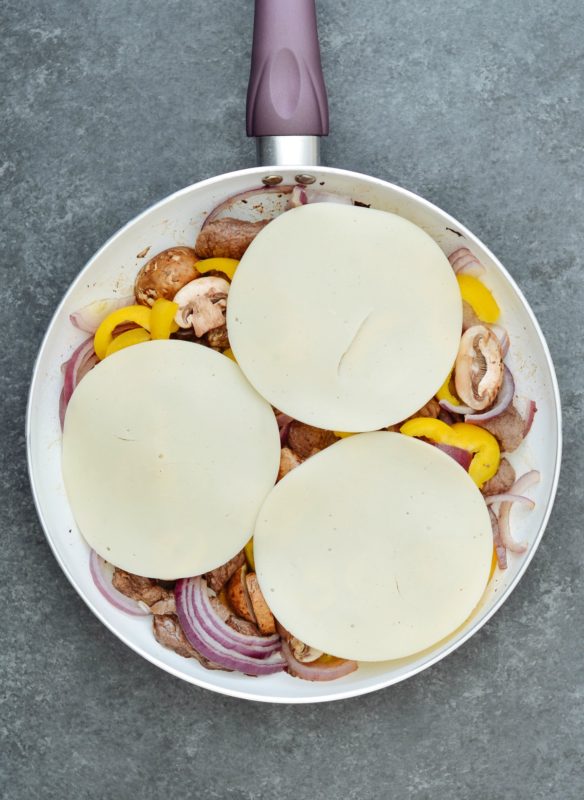
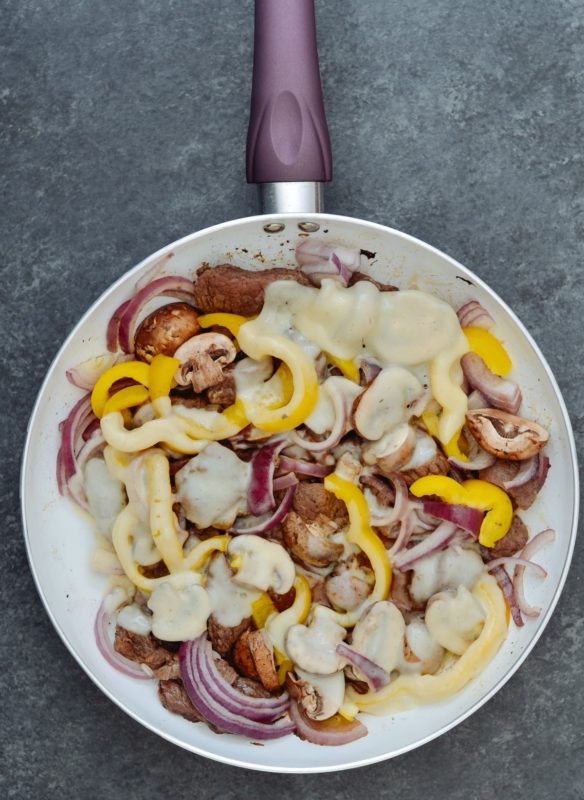
- The Skillet Method: Suitable for single-batch preparation, this method requires careful moisture management. Chefs often recommend cooking the vegetables and meat separately to ensure the beef browns rather than boils, before combining them at the final stage for the melting of the cheese.
The Hatch Chile Variation: A Regional Fusion
A notable recent trend in the preparation of these meals is the incorporation of seasonal ingredients, specifically Hatch chiles. Native to the Mesilla Valley of New Mexico, Hatch chiles provide a distinctively earthy, smoky heat that complements the high fat content of ribeye steak.
From a nutritional and sensory perspective, the addition of these chiles introduces capsaicin, which has been studied for its potential metabolic benefits, while simultaneously enhancing the flavor profile of the beef without the need for excessive sodium-heavy seasonings. This fusion represents a broader culinary movement: the adaptation of regional American staples to include diverse, seasonal produce.
Nutritional Impact and Macro-Nutrient Analysis
For individuals focused on muscle protein synthesis, the cheesesteak serves as an efficient delivery vehicle for high-quality animal protein. A standard portion of ribeye, approximately four to six ounces, provides between 30 and 40 grams of protein. By replacing the bread with additional fiber-dense vegetables like bell peppers, mushrooms, and onions, the meal profile shifts from a high-glycemic index lunch to a balanced, sustained-energy meal.
- Average Protein Content: 35g–40g per serving.
- Average Carbohydrate Content (Breadless): 8g–12g per serving.
- Average Fat Content: 14g–24g, depending on the marbling of the ribeye and the selection of cheese.
This nutrient density makes the dish a viable option for individuals adhering to ketogenic or low-carb lifestyle plans, as it avoids the "post-lunch slump" associated with high-carbohydrate meals.
Storage, Safety, and Reheating Protocols
Food safety remains paramount when meal prepping high-protein dishes. The USDA recommends that cooked beef be stored at temperatures below 40°F (4°C) and consumed within three to four days.
Reheating is the most critical stage for maintaining quality. When the beef is stored without the bread, it avoids the risk of moisture migration, which is the primary cause of "soggy" sandwiches. To restore the texture:
- Reheating in a Skillet: Adding a teaspoon of water or beef stock before covering the pan can help re-emulsify the cheese and moisture, preventing the meat from becoming rubbery.
- Microwave Efficiency: If using a microwave, the use of a dampened paper towel over the container can prevent the steak from dehydrating during the heating process.
Economic and Practical Implications
The rise of home-based meal preparation is largely driven by economic factors and time management. A bulk-prepared batch of cheesesteak filling can cost significantly less per serving than a restaurant-purchased version, while also allowing the cook to select higher-quality cuts of meat. Ribeye, while premium, remains the industry standard for cheesesteak; however, sirloin offers a leaner, more budget-conscious alternative that performs well under the same cooking conditions.
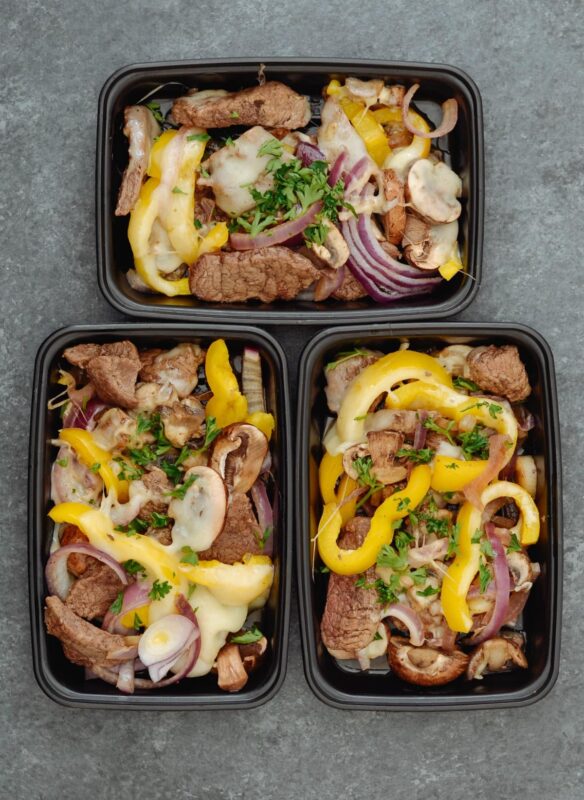
The integration of these meals into a weekly rotation offers a practical solution to the common hurdle of "meal fatigue." By keeping the base recipe consistent—meat, onions, cheese—and varying the secondary ingredients, such as switching from mushrooms to peppers or incorporating seasonal chiles, the meal remains versatile enough to avoid repetition.
Conclusion: The Future of Classic Comfort Food
The transition of the Philadelphia cheesesteak into the meal-prep domain highlights a significant evolution in American dining. By stripping away the non-essential components—the hoagie roll—and focusing on the technical execution of the protein and aromatics, home cooks are successfully bridging the gap between historical regional cuisine and modern nutritional needs. Whether executed on a professional-grade griddle or a standard home skillet, the focus on high-quality ingredients and precise cooking techniques ensures that the cheesesteak remains a relevant and highly adaptable staple of the contemporary diet. As culinary trends continue to favor high-protein, low-carb options, the deconstructed cheesesteak is positioned to remain a mainstay for individuals seeking both comfort and nutritional efficiency.