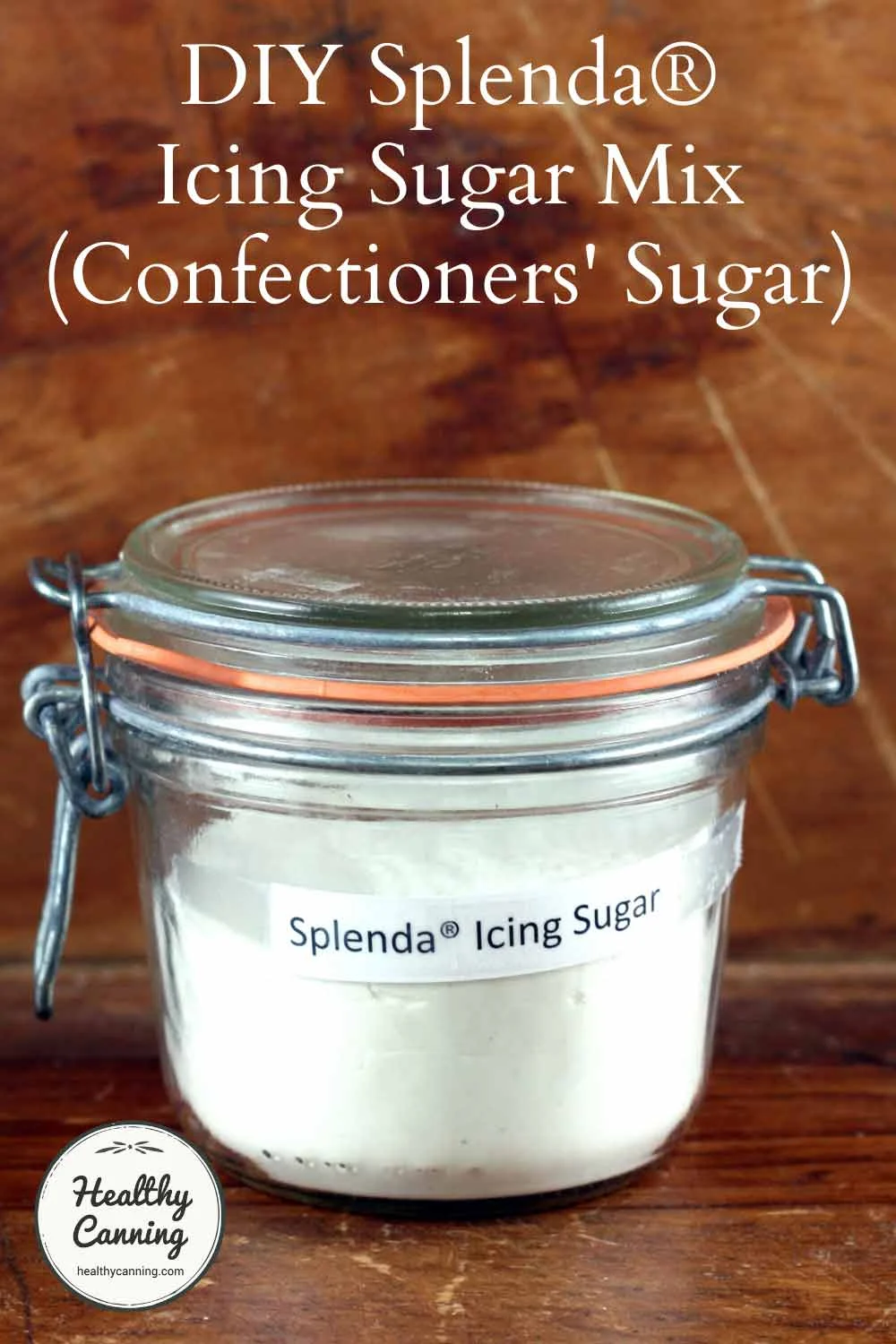

The modern culinary landscape has increasingly prioritized dietary adaptability, driven by a growing public health focus on reducing refined sugar consumption, managing diabetes, and lowering overall caloric intake. For home bakers and culinary enthusiasts alike, traditional decorating staples such as confectioner’s—or icing—sugar have long presented a significant hurdle. Loaded with rapidly absorbed carbohydrates and dense calories, standard powdered sugar is frequently off-limits for individuals monitoring blood glucose levels or adhering to strict weight-management programs. In response to these dietary constraints, home economists and recipe developers have popularized alternative techniques for creating low-calorie, diabetic-friendly baking components. Among these innovations is the formulation of a do-it-yourself (DIY) Splenda icing sugar mix, a technique adapted from foundational single-batch recipes provided by commercial sweetener manufacturers and expanded for bulk home preparation.
Background Context and the Evolution of Sugar Alternatives
The history of sugar substitutes dates back to the late 19th century with the discovery of saccharin, but the market experienced a profound shift with the commercial introduction of sucralose in the late 20th century. Marketed widely under the brand name Splenda, sucralose is a zero-calorie artificial sweetener made through a selective chlorination process of sucrose (table sugar). This chemical alteration prevents the human body from recognizing the molecule as a carbohydrate, allowing it to pass through the digestive system largely unprocessed. Consequently, sucralose yields virtually zero calories and does not provoke the glycemic spikes associated with traditional nutritive sweeteners.
Despite its widespread availability in granulated and liquid forms, finding specialized low-calorie baking ingredients in local supermarkets can often prove challenging or expensive. While granulated sucralose functions exceptionally well in standard baking and beverages, its coarse crystal structure makes it unsuitable for direct application in icings, glazes, and frostings, where a powdery, fine texture is required to prevent a gritty mouthfeel. To bridge this gap, home cooks have adopted methods to pulverize granulated sweeteners into a fine dust, effectively creating a bespoke confectioner’s alternative that mimics the physical properties of traditional powdered sugar without its metabolic drawbacks.

The Formulation: Ingredients and Proportions
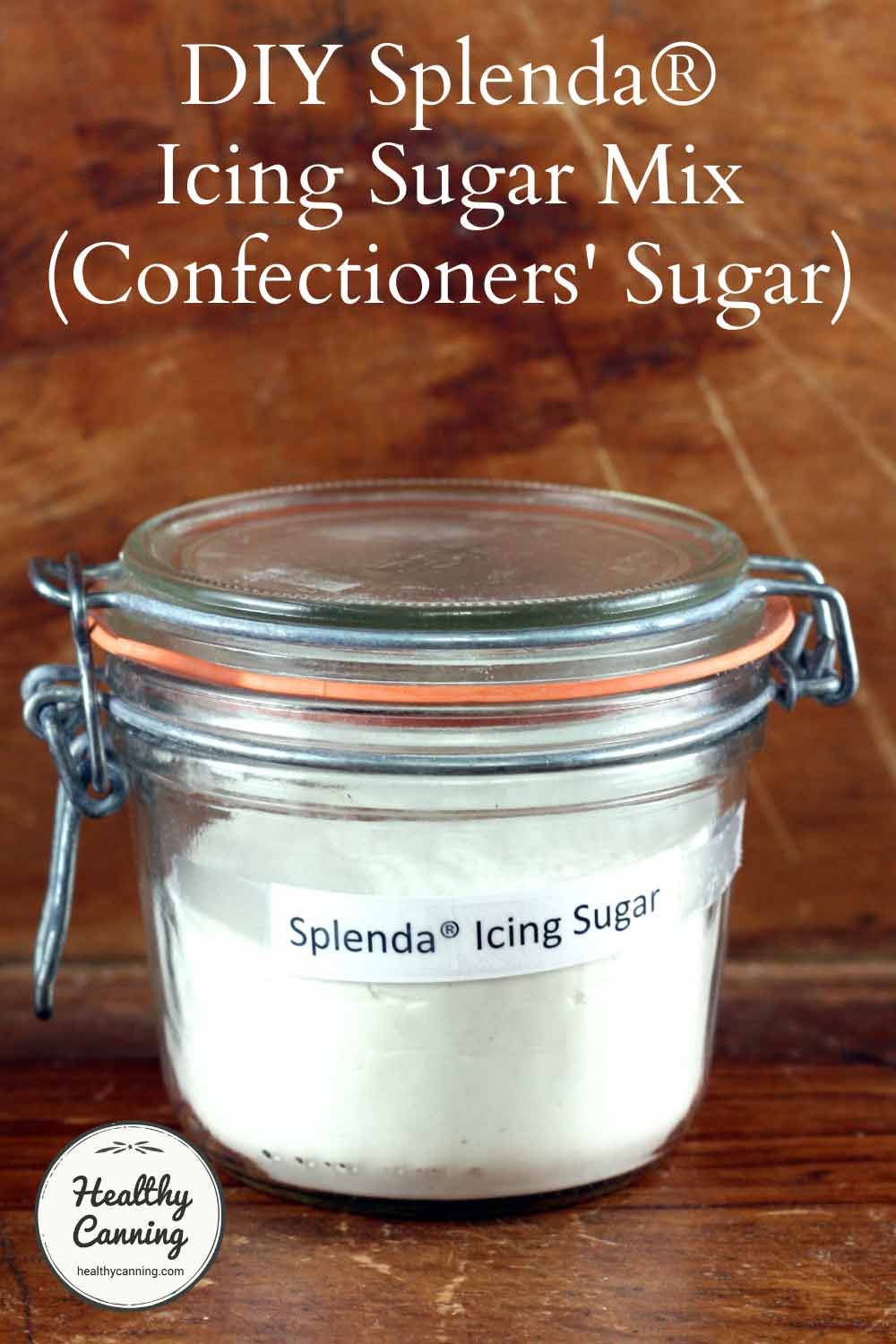
Creating a reliable DIY Splenda icing sugar mix requires minimal equipment, typically utilizing a standard kitchen blender, food processor, or specialized spice grinder. The core ingredient relies on brand-name Splenda granulated sweetener or an equivalent generic sucralose product. For bakers seeking alternative dietary paths, powdered stevia products that measure on a strict one-to-one volumetric ratio with Splenda can also be utilized, offering a plant-based alternative for those who prefer natural non-nutritive sweeteners.
The standardized recipe yields approximately two cups, or roughly 150 grams, of plain icing sugar mix, which provides sufficient volume for approximately four individual batches of icing. Culinary experts recommend processing the sweetener in measured increments of one to two cups (or 25 to 50 grams) at a time. Overloading a blender jug with the entire bulk quantity at once can result in an uneven grind, leaving larger granules intact and failing to achieve the ultra-fine, powdery consistency necessary for a smooth glaze.
Nutritional profiles for the dry mix vary slightly depending on the specific base sweetener used, but a standard batch formulated with pure sucralose maintains a radically lower carbohydrate and caloric load compared to its cane-sugar counterpart. While standard confectioner’s sugar consists almost entirely of rapidly digested sucrose, a DIY sucralose-based powder drastically curtails the sugar content, rendering it an ideal pantry staple for individuals managing type 2 diabetes or metabolic syndrome.
Chronology and Development of the DIY Method
The proliferation of low-calorie baking techniques has evolved largely through online culinary communities, digital recipe sharing, and manufacturer-backed resources.
- Late 20th Century: The introduction of sucralose to the global consumer market provides bakers with a heat-stable, zero-calorie sugar alternative, though its availability remains limited primarily to granulated and liquid formulations.
- Early 2000s: Commercial sweetener brands begin publishing basic, single-portion icing recipes on corporate websites to demonstrate the versatility of granulated sugar substitutes in dessert applications.
- 2010s to 2021: Culinary bloggers and health-conscious food preservation platforms, such as Healthy Canning, systematically expand upon single-serving manufacturer guidelines. They develop bulk-processing methodologies, storage solutions, and flavor variations to streamline low-sugar baking for everyday home use.
- Present Day: The practice of transforming granulated sugar substitutes into confectioner’s powder via home blending becomes a standard technique within diabetic-friendly and calorie-conscious baking circles, supported by widespread digital tutorials and searchable culinary databases.
Transforming the Mix into Finished Icing and Glazes
Once the bulk dry mix has been successfully processed and stored in an airtight container, it can be readily transformed into a variety of dessert toppings. Unlike heavy, butter-heavy frostings designed for structural piping on multilayer celebration cakes, the Splenda-based mix naturally lends itself to lighter glazes and drizzles suitable for cakes, cupcakes, brownies, and morning pastries.
Preparing a standard single batch of the icing requires the dry mix combined with a liquid base and a source of fat to provide body and sheen. Culinary tests indicate that the choice of fat significantly influences the final caloric profile of the dessert. Utilizing a light, low-fat margarine (such as popular commercial light spreads) keeps the caloric footprint of an entire batch of icing down to approximately 35 calories. Conversely, substituting traditional dairy butter increases the energy density to roughly 102 calories per batch, offering bakers a flexible spectrum depending on their specific dietary goals.
The preparation method is deliberately straightforward, requiring no specialized machinery. According to practical kitchen tests, electric beaters offer no distinct operational advantage over a simple handheld fork, which achieves an equally smooth emulsion when whisked with water or milk.
Flavor Variations and Customization
To elevate the sensory experience of low-calorie desserts, bakers can easily adapt the base glaze by incorporating various extracts and culinary colorings. Standard modifications include:

- Chocolate Icing: Blended by incorporating one teaspoon of unsweetened cocoa powder directly into the mixture alongside the chosen fat, vanilla extract, and water.
- Alternative Extracts: The introduction of lemon, almond, butterscotch, or peppermint extracts to complement specific flavor profiles in cakes and cookies.
- Consistency Adjustments: Depending on the desired application—whether a thick drizzle for cinnamon rolls or a thin, translucent glaze for pound cakes—bakers may adjust the liquid content by adding up to an additional teaspoon of water or milk.
Broader Impact and Nutritional Implications
The increasing accessibility of DIY specialty ingredients reflects a broader paradigm shift in nutritional science and culinary arts. Public health organizations continue to emphasize the reduction of free sugars as a primary defense against obesity, cardiovascular disease, and metabolic disorders. By enabling individuals to replicate commercial-grade specialty products at home without specialized manufacturing equipment, resources that promote DIY alternatives democratize healthy eating.
For the diabetic community, the ability to enjoy celebratory baked goods without experiencing glycemic volatility represents a substantial improvement in quality of life. Furthermore, the economic advantage of producing custom quantities of specialty baking mixes at home—rather than purchasing expensive, pre-packaged specialty diet products—makes sustainable dietary modifications more financially viable for a broader demographic of consumers.
As culinary technology and home-kitchen methodologies continue to advance, the boundary between restricted therapeutic diets and everyday pleasurable eating will likely continue to blur, driven by ingenuity, resourcefulness, and a persistent demand for healthier sweet alternatives.