
The landscape of American dining after dark is undergoing a strategic transformation as casual-dining chains work to recapture a demographic largely lost during the COVID-19 pandemic. Leading this charge are Twin Peaks and Bad Daddy’s Burger Bar, two prominent restaurant brands investing heavily in affordable, scratch-made shareables designed to entice night owls, shift-workers, and social diners back into booths and onto barstools during late-night hours. By leaning into operational efficiency and elevating traditional bar fare, these chains are establishing a blueprint for post-pandemic recovery in the after-hours daypart.
The Evolution of Late-Night Dining Post-Pandemic
To understand the current late-night push, one must examine the fundamental shifts in consumer behavior brought on by the global health crisis. Beginning in early 2020, mandatory lockdowns, labor shortages, and safety protocols forced vast segments of the hospitality industry to truncate their operating hours. Restaurants that once welcomed patrons until midnight or 2:00 a.m. routinely began locking their doors by 9:00 p.m. or 10:00 p.m. to preserve margins and manage staffing constraints.
As communities reopened and societal routines normalized, these truncated hours persisted out of habit or continued labor challenges. However, consumer demand for late-night socialization and dining did not entirely vanish; rather, it became underserved. Recognizing this gap, forward-thinking restaurant executives identified an opportunity to capture a distinct segment of diners who seek value, socialization, and quality ingredients after standard dinner hours. Rather than cannibalizing their existing dinner crowd, brands like Twin Peaks and Bad Daddy’s Burger Bar viewed the late-night daypart as an untapped frontier for revenue growth.
Twin Peaks: Crafting a Social Experience Around Shareables
At Twin Peaks, the strategy for winning back the late-night crowd centers on fostering a communal, social environment. Melissa Fry, chief marketing officer of Twin Peaks, emphasizes that the brand’s late-night initiative was deliberately designed not to feel like a mere extension or leftovers of the dinner menu. Instead, the focus is squarely on capturing a new segment of guests seeking distinct value propositions later in the evening.
With a footprint exceeding 115 locations, Twin Peaks required a late-night program that could be executed simply and consistently at scale. Under the direction of Executive Chef Christian Stewart, the culinary team developed food and beverage pairings that integrate seamlessly into the brand’s existing scratch-kitchen operations. Rather than introducing entirely foreign supply chains or disruptive kitchen workflows, the late-night menu utilizes ingredients already moving through the line daily.
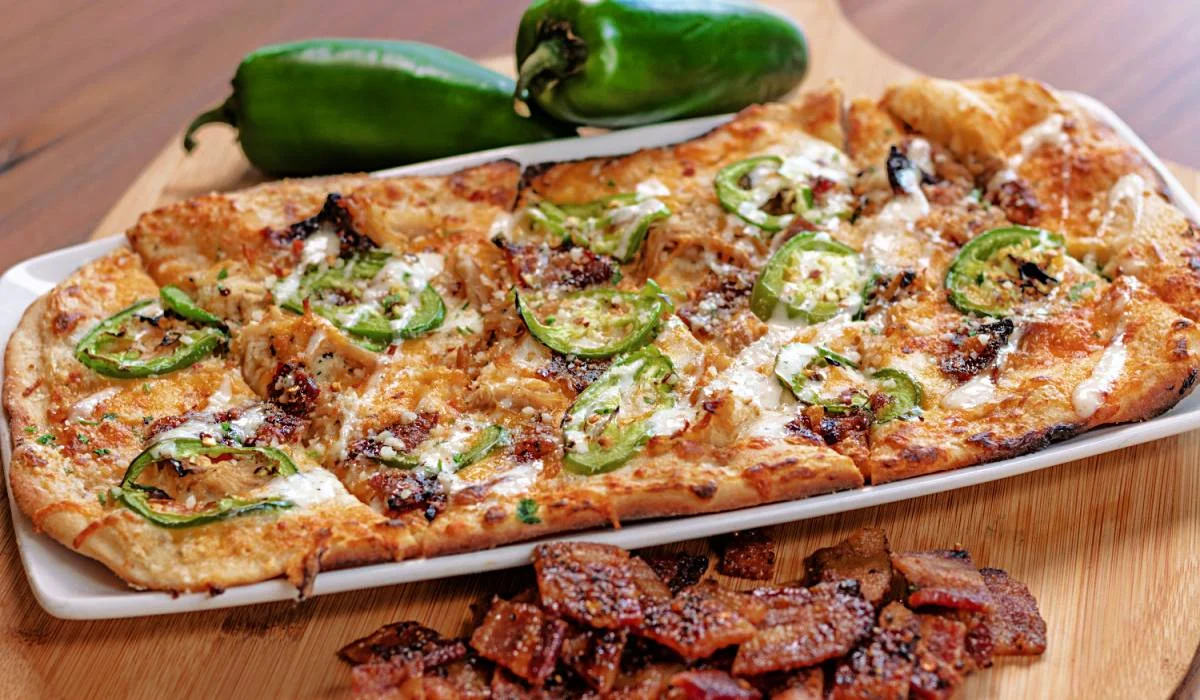
The resulting menu features discounted drink specials paired with an array of shareable items, including crispy mini beef tacos, fire-roasted salsa and chips, fried pickles, mozzarella cheese bites, and loaded fries smothered in cheddar, pepper jack, bacon bits, green onions, and ranch. A standout offering is the $9 specialty flatbread, available in varieties such as OG Pepperoni, The Italian, Backyard BBQ Brisket, and "The Hottie"—which features smoked chicken, Billionaire’s Bacon, fresh jalapeños, mozzarella, cheddar, parmesan, white sauce, parsley, crushed red pepper, and ranch.
"We roll out our own dough in-house daily, pre-making enough for the late-night crew to dress with toppings and toast," explains Chef Stewart. "When presented, it cuts into six pieces. It’s the perfect amount, whether they’re solo or sharing with friends."
Fry has observed that late-night patrons naturally gravitate toward Twin Peaks’ communal tables, reinforcing the decision to build the menu around shareable items. By offering approachable, high-quality pairings that mix textures—such as crunchy tacos alongside a frosted draft beer—the brand aims to convert casual late-night visitors into lifelong regulars who will frequent the establishment across multiple dayparts.
Bad Daddy’s Burger Bar: Eliminating Friction Through Simplified Value
Similarly, Bad Daddy’s Burger Bar is aggressively competing for late-night occasions by extending its operational hours. The 37-unit gourmet burger chain has pushed closing times to 10:00 p.m. on weekdays and 11:00 p.m. on weekends, providing a viable alternative for guests looking to trade up from fast-food options late in the evening.
Bad Daddy’s distinguishes its late-night approach through a straightforward promotional mechanic: half-off appetizers during the final two hours of operation, seven days a week. For John Masterson, culinary director at Bad Daddy’s, the primary objective was to remove consumer friction by eliminating confusing fine print, rigid calendars, or restricted menu selections.
"You don’t have to follow some calendar or cadence. It’s not a select group of products or a separate menu. You show up, and we take care of you," Masterson notes. "Our guests don’t have to think about it—they just have to pick what they like. A lot of happy hours or late-night programs have a lot of fine print, and we wanted to strip all of that away and let people enjoy themselves."
The brand leverages its scratch-kitchen infrastructure, where more than 100 items are prepped fresh daily. Late-night starters range from street corn dip served with cotija crumbles, Tajin, and fresh cilantro, to hand-breaded fried deviled eggs with a custom house filling and hand-breaded mozzarella medallions served with warm, house-made marinara sauce.
Looking ahead, Masterson and his team are expanding the late-night culinary envelope with items like a fresh tuna poke appetizer featuring house-made poke sauce served in a crispy wonton bowl atop a bed of Sriracha slaw. By refusing to rely on frozen convenience products—a rarity in the competitive burger segment—Bad Daddy’s maintains its culinary integrity while offering compelling value after dark.
Operational Synergy: The Backbone of Sustainable Value
A critical commonality uniting the late-night strategies of both Twin Peaks and Bad Daddy’s Burger Bar is their minimal operational disruption. In the restaurant industry, introducing a new daypart or promotional menu frequently introduces inventory complexity, employee training bottlenecks, and increased food waste.
By strategically discounting and creatively repurposing ingredients already utilized during peak lunch and dinner operations, both brands have bypassed these common pitfalls. Operators do not need to onboard new suppliers or manage separate inventory streams. Instead, existing scratch-made components are dressed up, paired differently, or offered at promotional price points tailored to the late-night demographic.
This operational synergy ensures the economic viability of the programs. Guests receive an elevated dining experience that feels distinct and intentional, while operators maintain healthy margins without enduring the heavy labor and supply costs typically associated with running a dual-menu system after dark.
Broader Industry Implications and Economic Outlook
The late-night revitalization efforts spearheaded by Twin Peaks and Bad Daddy’s point toward a broader trend within the casual-dining sector. As consumers navigate economic pressures and inflationary environments, demand for perceived value remains exceptionally high. However, value is no longer defined solely by low prices; rather, consumers increasingly expect high-quality ingredients, scratch preparation, and a welcoming social atmosphere.
Industry analysts suggest that successfully capturing the after-hours market requires brands to demonstrate operational agility. Chains that can adapt their existing infrastructure to meet changing consumer habits without compromising food quality or inflating labor costs are best positioned to capture market share from traditional fast-food chains and legacy diners.
Furthermore, these late-night initiatives serve as powerful customer acquisition tools. By delivering a memorable, high-value experience during off-peak hours, restaurants can successfully build brand loyalty, encouraging patrons to return for lunch, weekend sports viewings, and traditional family dinners.
As more hospitality brands evaluate their operational hours in the wake of pandemic-era retrenchment, the success of Twin Peaks and Bad Daddy’s Burger Bar offers a compelling roadmap. Through thoughtful menu engineering, an unwavering commitment to scratch-made quality, and the removal of consumer friction, these chains are proving that the night is once again open for business.