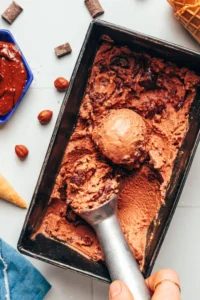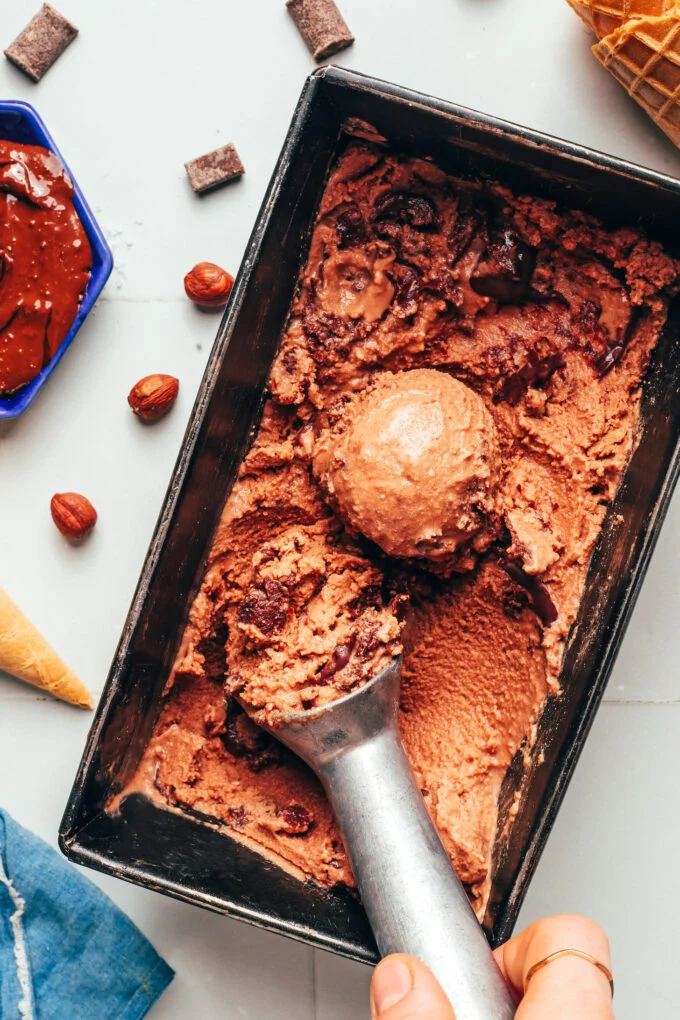

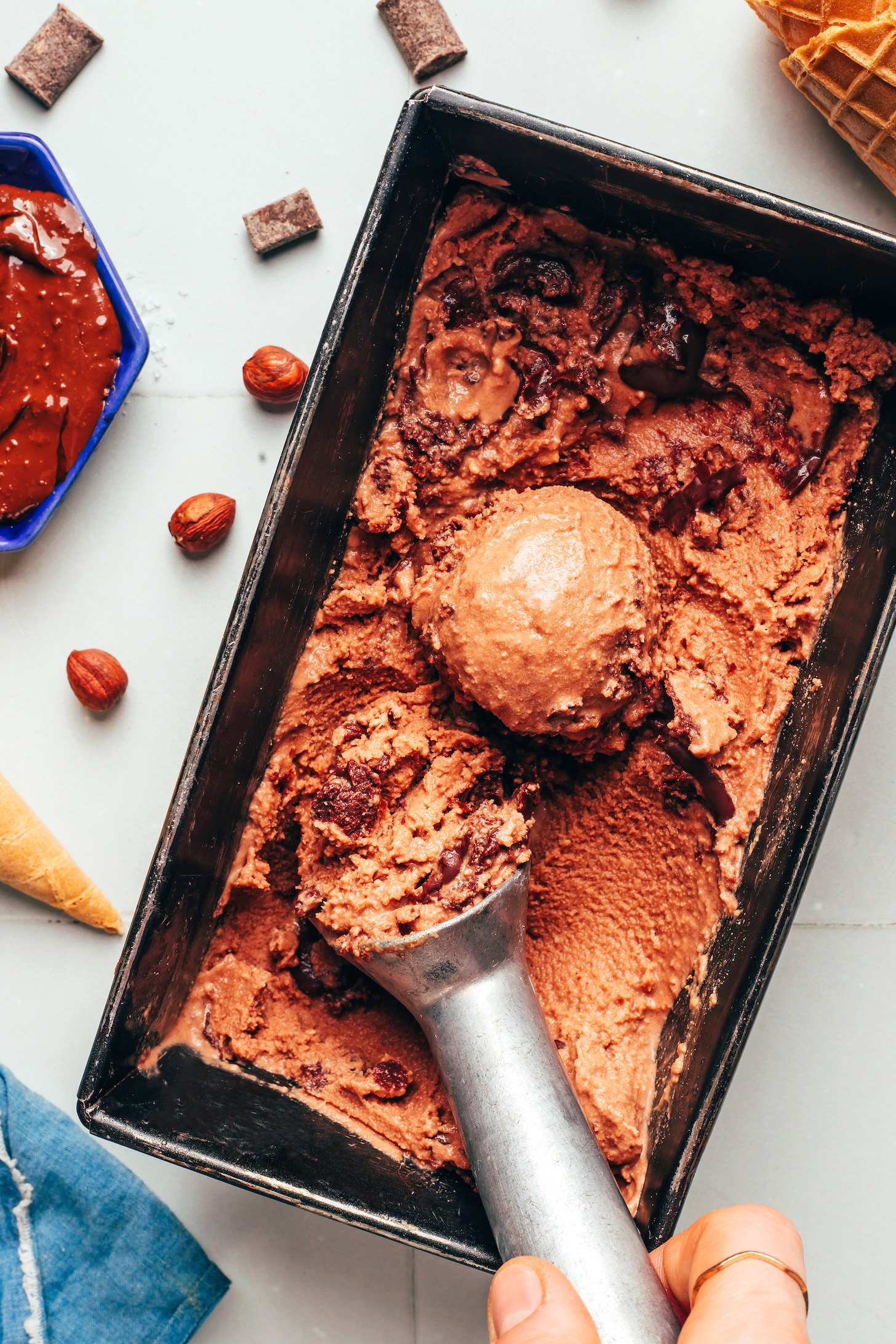
The landscape of modern plant-based confectionery has seen a significant evolution, shifting from rudimentary sorbets and fruit-based alternatives to sophisticated, dairy-free compositions that mimic the texture and richness of traditional gelato. Among the most recent innovations in this sector is a new recipe for vegan Nutella-style ice cream, which utilizes a six-ingredient profile to achieve the specific sensory characteristics historically associated with hazelnut-chocolate spreads. This development highlights an ongoing trend in the culinary arts: the refinement of plant-based fats—specifically coconut milk—to replace traditional bovine dairy in frozen desserts.
The Evolution of Dairy-Free Frozen Desserts
For decades, the challenge of creating vegan ice cream lay in the physics of fat content and freezing points. Traditional ice cream relies on the high fat and protein content of heavy cream to create a stable, smooth, and scoopable texture. Without these components, plant-based alternatives historically suffered from excessive crystallization and a thin, icy mouthfeel.
The current trend, exemplified by this six-ingredient formulation, marks a shift toward utilizing high-fat plant bases such as light coconut milk. By incorporating emulsifiers often found in commercial coconut milk products, such as guar gum, home cooks are now able to replicate the structure of traditional gelato without the use of animal products. The integration of roasted hazelnuts serves a dual purpose: it provides the necessary lipid density for mouthfeel while establishing the characteristic flavor profile of gianduja, the Italian confectionery precursor to modern chocolate-hazelnut spreads.
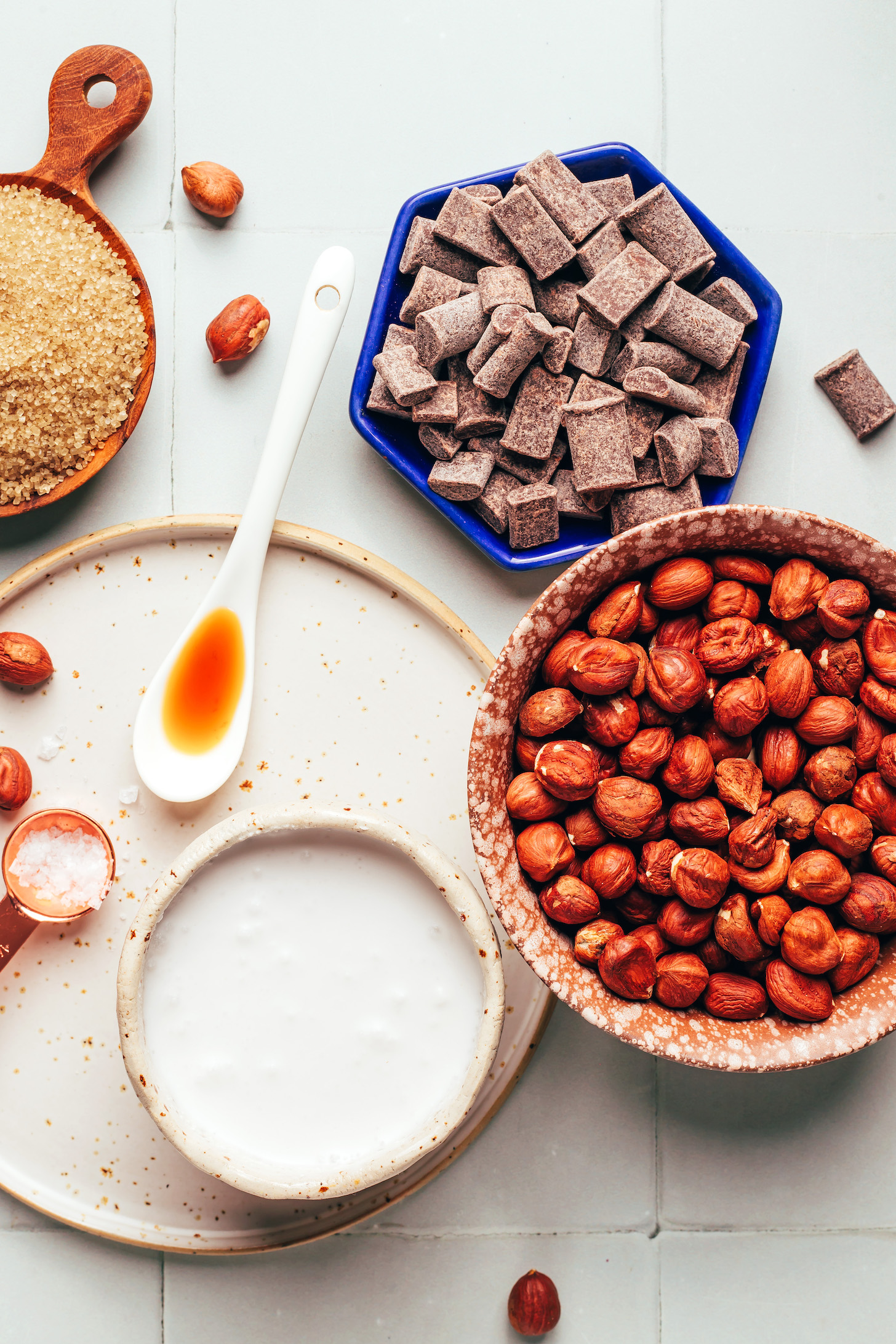
Chronology of Preparation and Culinary Methodology
The preparation process for this dessert adheres to a specific, multi-stage culinary timeline designed to optimize flavor extraction and textural stability. The process typically requires a three-hour window, the majority of which is dedicated to the setting and cooling phase.
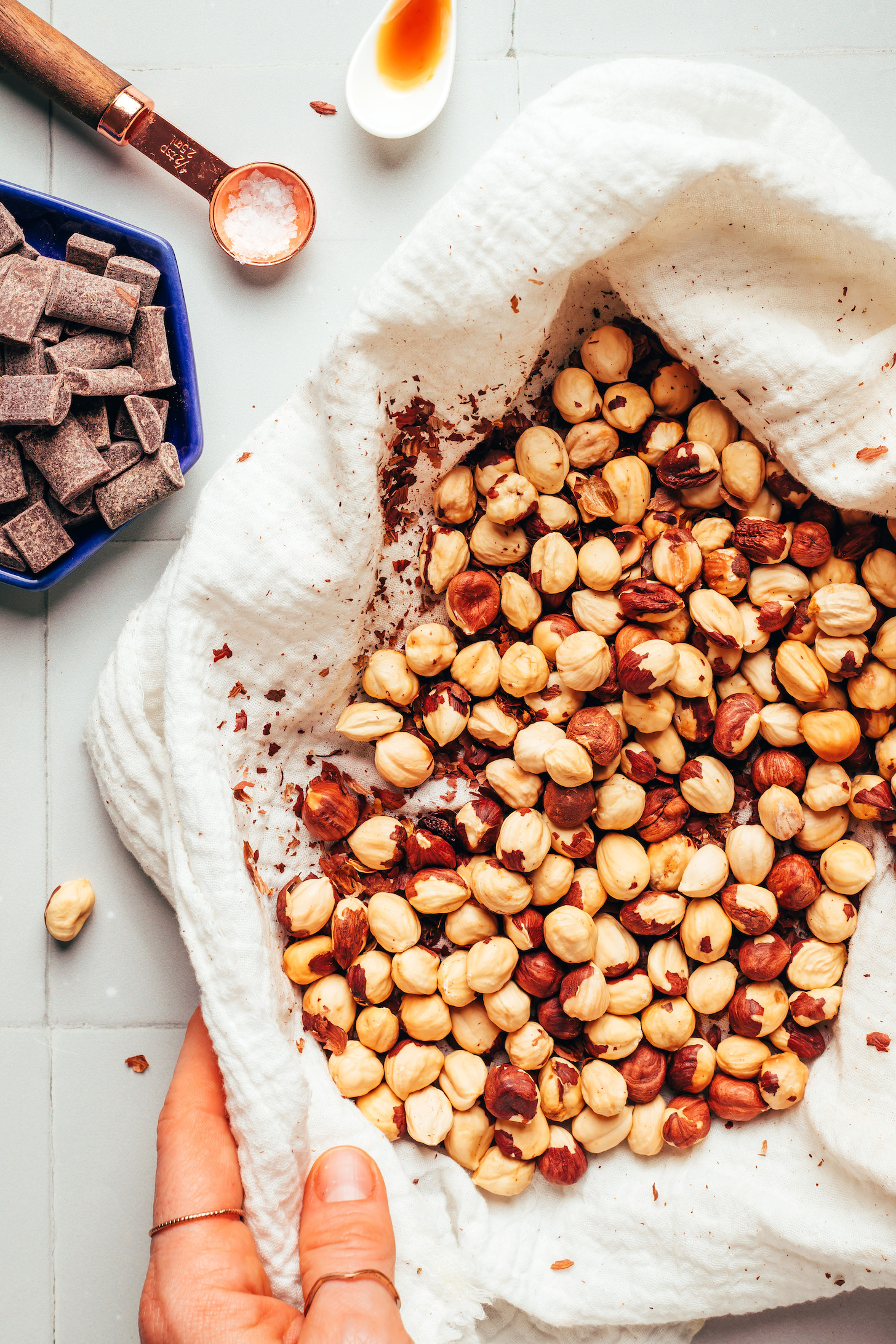
- Hazelnut Preparation: The process begins with the roasting of raw hazelnuts. This stage is critical; heat exposure facilitates the release of essential oils, which intensifies the nut’s aromatic properties and enables the mechanical removal of the outer skins.
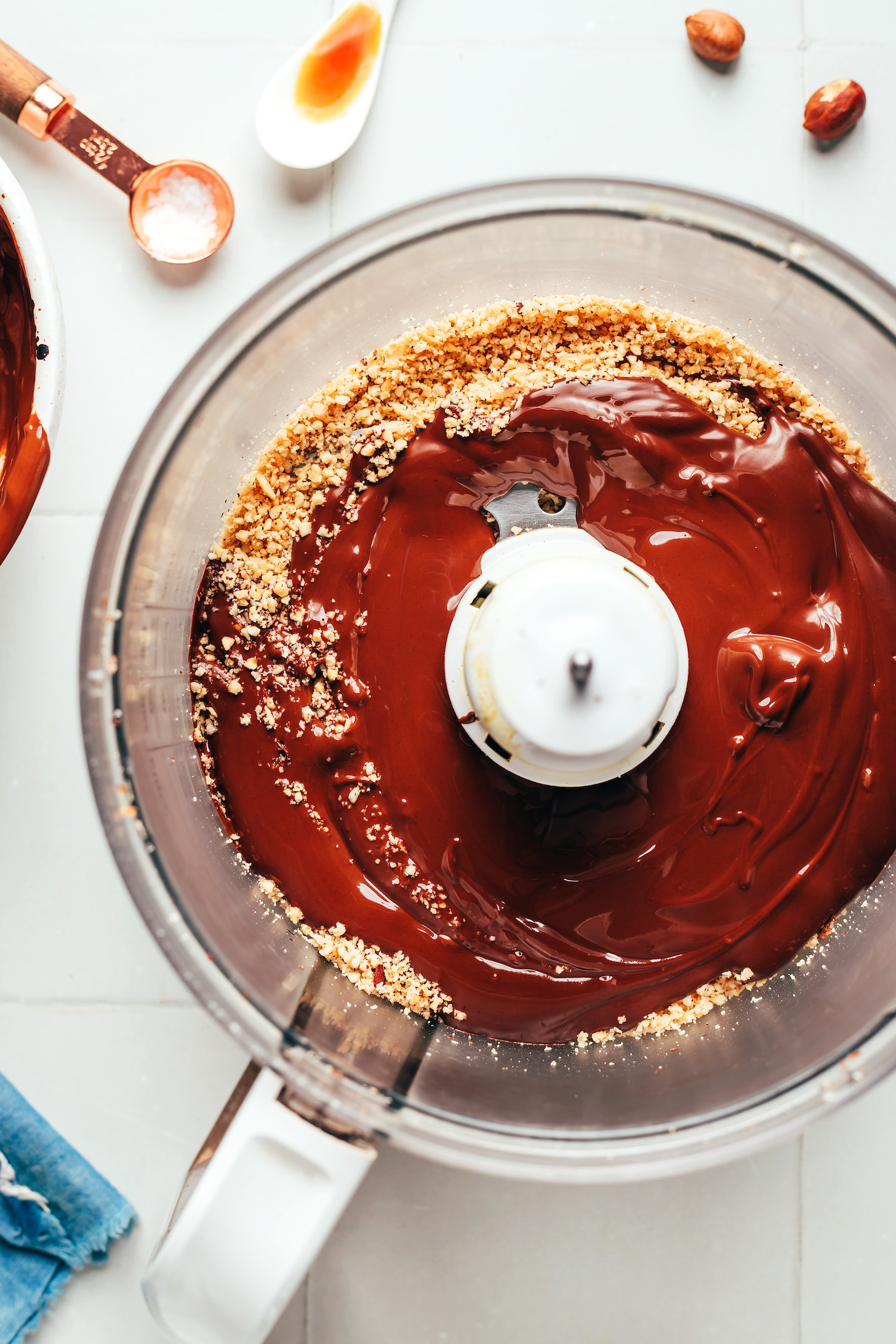
- Emulsification: Once prepared, the hazelnuts are processed with melted chocolate. This step creates a homemade, plant-based hazelnut butter. A portion of this mixture is reserved, a technique used in commercial ice cream manufacturing to create "swirls" or "variegation," which prevents the flavor profile from becoming monolithic.
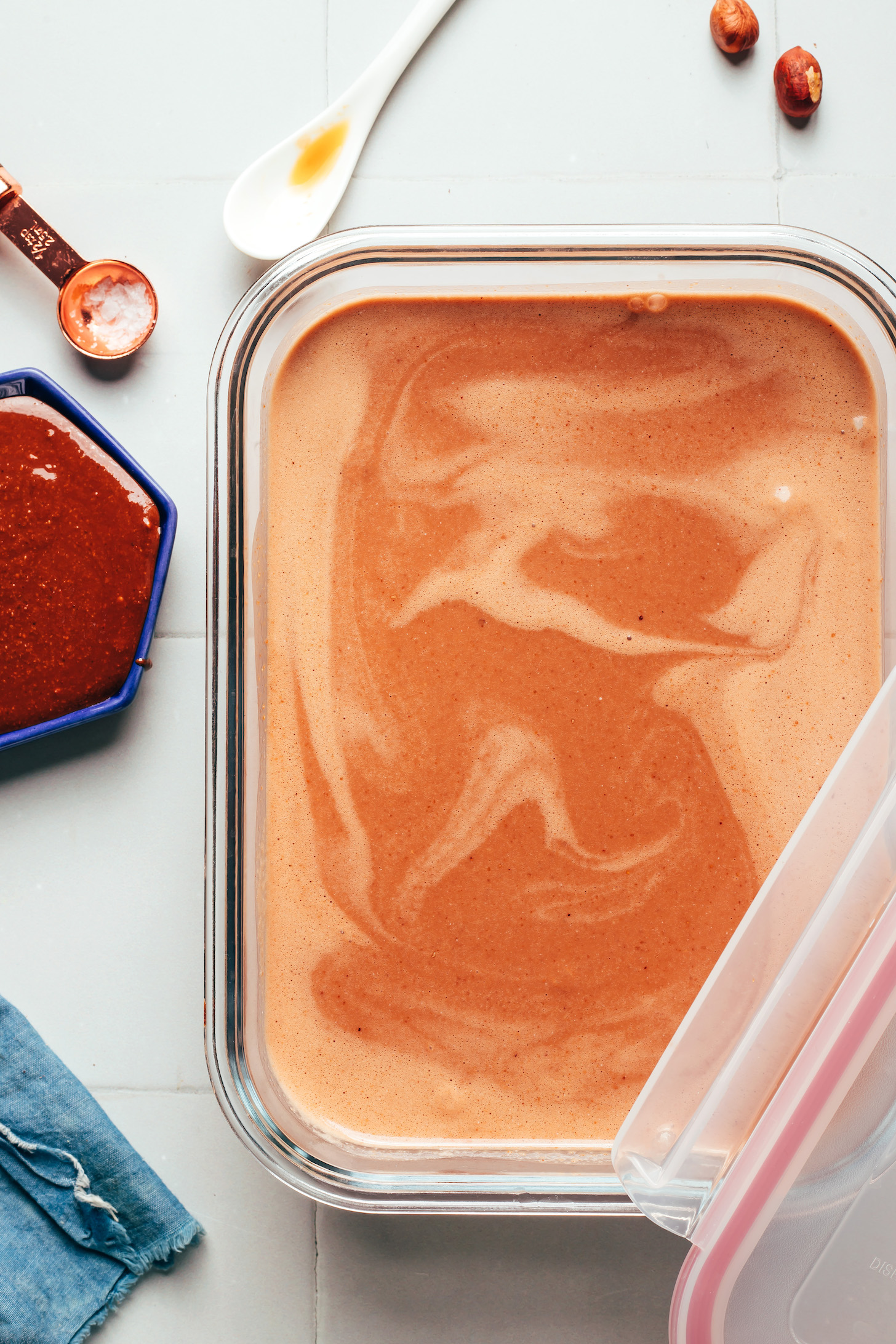
- The Base Mixture: The remaining hazelnut-chocolate base is combined with canned light coconut milk, cane sugar, vanilla, and salt. This mixture is then refrigerated for at least one hour. This "chilling" period is a standard professional practice; by cooling the base before it enters the churner, the fat globules remain solidified, leading to a smaller crystal structure and a smoother final product.
- Churning and Incorporation: The mixture is transferred to an ice cream maker, where it undergoes agitation for approximately 30 minutes. The reserved hazelnut-chocolate mixture is folded in during the final stages to ensure it remains distinct within the base.
Nutritional Profile and Ingredient Analysis
From a nutritional standpoint, the formulation represents a caloric density similar to traditional dairy ice creams but with a shifted lipid profile. According to available data for this specific recipe, a standard half-cup serving contains approximately 277 calories, with 21.2 grams of total fat. Of this fat content, 9.4 grams are saturated, largely derived from the coconut milk, and 6.9 grams are monounsaturated, originating from the hazelnuts.
Unlike traditional dairy-based ice creams that contain lactose and cholesterol, this formulation is entirely cholesterol-free and utilizes simple, recognizable ingredients. The absence of complex stabilizers—relying instead on the natural emulsifying properties of coconut milk—positions this recipe as a "clean label" alternative for the consumer market. However, the sugar content remains at 17 grams per serving, consistent with the profile of standard commercial frozen desserts, reinforcing its classification as a treat rather than a nutritional staple.
Broader Market Implications
The emergence of such recipes is indicative of a broader shift in consumer behavior. As market research indicates a steady rise in the demand for vegan and dairy-free alternatives—driven by both health consciousness and environmental concerns—the culinary industry has seen a corresponding rise in "at-home" professional-grade techniques.
The "Minimalist Baker" approach, which emphasizes the use of fewer than ten ingredients, resonates with the "less is more" philosophy currently dominating home cooking trends. By reducing the complexity of the ingredient list, the recipe removes barriers to entry for home cooks who lack specialized additives like xanthan gum or industrial-grade stabilizers.
Expert Perspectives on Plant-Based Textures
Food scientists often point to the "swirl" technique as a critical element in consumer satisfaction. In commercial ice cream production, variegation (the process of adding ripples of syrup or nut butter) is known to increase the perceived value of the product. By providing a manual method for home cooks to replicate this, the recipe bridges the gap between amateur cooking and artisanal production.
Furthermore, the emphasis on "light" coconut milk suggests a deliberate effort to avoid the overly heavy, fatty aftertaste associated with full-fat coconut cream, which can sometimes overwhelm the delicate floral notes of the hazelnuts and the bitterness of the chocolate. The balance achieved here is designed to mimic the mouthfeel of standard gelato, which is traditionally lower in fat and higher in sugar than American-style ice cream, allowing for a more intense flavor delivery.
Sustainability and Dietary Trends
The reliance on hazelnuts and coconut as primary fats also touches upon the sustainability conversation. While dairy farming is a significant contributor to greenhouse gas emissions, the cultivation of coconut and tree nuts carries its own environmental considerations, particularly regarding water usage and global supply chain logistics. However, from a strictly dietary perspective, this recipe provides a high-satisfaction alternative for individuals suffering from lactose intolerance or those adhering to vegan dietary restrictions.
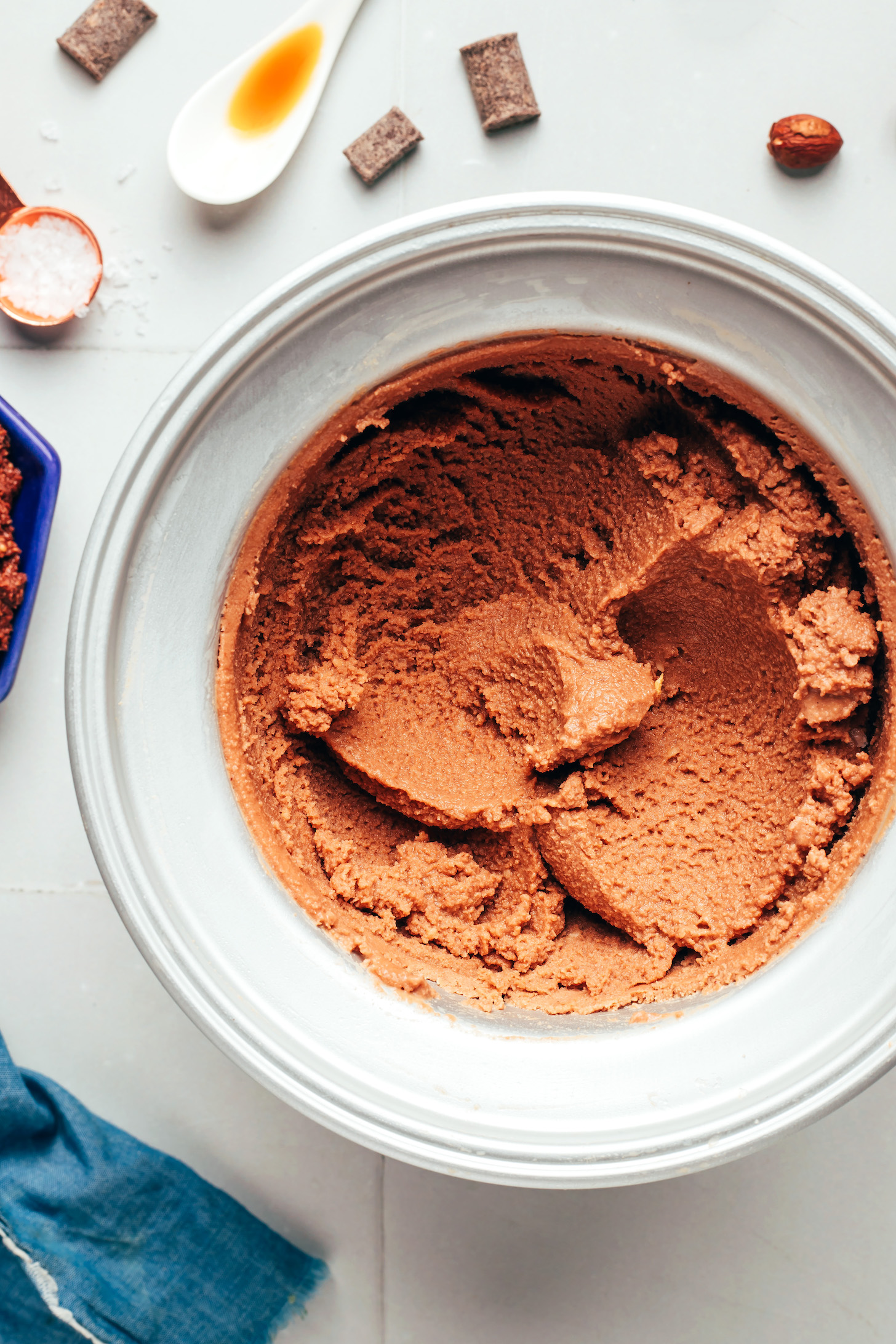
The inclusion of this recipe in the broader canon of plant-based desserts underscores the increasing versatility of the "1-bowl" and "simple ingredient" format. As the market for dairy alternatives continues to expand—projected to reach new valuation highs by the end of the decade—the ability for consumers to replicate high-end, store-bought quality in their own kitchens will likely remain a key driver of the plant-based movement.
Conclusion
The rise of artisanal, vegan-friendly frozen desserts is no longer a niche phenomenon but a significant segment of the culinary landscape. Through the use of basic, high-quality ingredients and a focus on proper technique—such as roasting, chilling, and folding—the home cook is now equipped to produce professional-grade, dairy-free alternatives. As illustrated by this specific hazelnut-chocolate formulation, the synthesis of tradition and innovation allows for the creation of indulgent desserts that cater to a modern, health-conscious, and environmentally aware demographic. The success of this approach is evidenced not only by the growing popularity of such recipes but also by the shifting expectations of the modern consumer regarding what is achievable in a home kitchen.