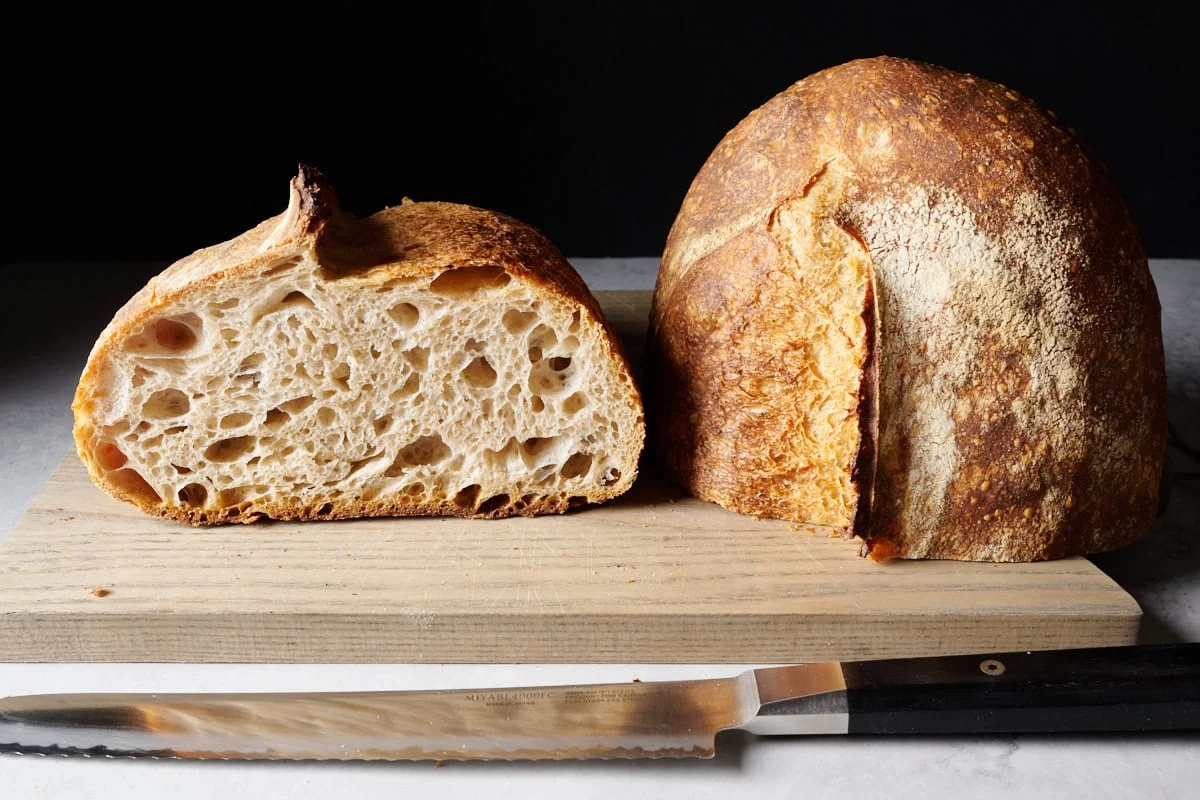

The pursuit of the ideal sourdough loaf often hinges on a single, highly debated culinary characteristic: acidity. While some artisan bakers and consumers champion an aggressive, mouth-puckering tang that defines traditional sour profiles, others prefer a subtle, nuanced background acidity that complements rather than overpowers the grain. Achieving this precise flavor equilibrium is not a matter of culinary guesswork; rather, it is the direct result of managing time, temperature, and microbial ecology throughout the breadmaking process.
For years, home bakers and professional artisans alike have sought definitive answers to the perennial question of how to control sourness. By examining the biological and chemical mechanisms governing fermentation, bakers can deliberately manipulate variables at every stage of production to dial in their desired flavor profiles with remarkable consistency.
The Biochemistry of Sourdough Fermentation
To understand how to control acidity, one must first examine the organic compounds responsible for sourdough flavor. The characteristic tang of naturally leavened bread is produced primarily by two organic acids generated during fermentation: lactic acid and acetic acid.
Lactic acid delivers a smooth, mild, yogurt-like sourness. It represents the more gentle of the two primary acids, contributing a creamy depth to the crumb. In contrast, acetic acid is sharper and more pungent—sharing a chemical identity with household vinegar. This is the compound responsible for the assertive, sharp bite associated with heavily fermented sourdough. Because acetic acid possesses a significantly higher vapor pressure than lactic acid, it is also the only acid volatilized enough to be detected olfactorily, explaining why a pungent starter yields a distinctly sharp aroma.
These acids are synthesized by lactic acid bacteria (LAB) residing symbiotically within the sourdough starter. The ratio of lactic to acetic acid, alongside total acid accumulation, depends heavily on environmental conditions. Bacteria are acutely sensitive to pH levels. As microbial activity generates acids, the ambient pH of the dough drops. Eventually, this acidity reaches a threshold where bacterial proliferation slows considerably. Consequently, any intervention that extends the active phase of bacterial metabolism—such as enhanced thermal buffering from whole grains, extended fermentation timelines, or optimal warmth—will yield higher total acid accumulation and a more intensely sour final product.
Chronology of Flavor Development and Control Levers
Bakers can intentionally direct their dough toward either high or low acidity by adjusting specific procedural levers throughout the preparation timeline.
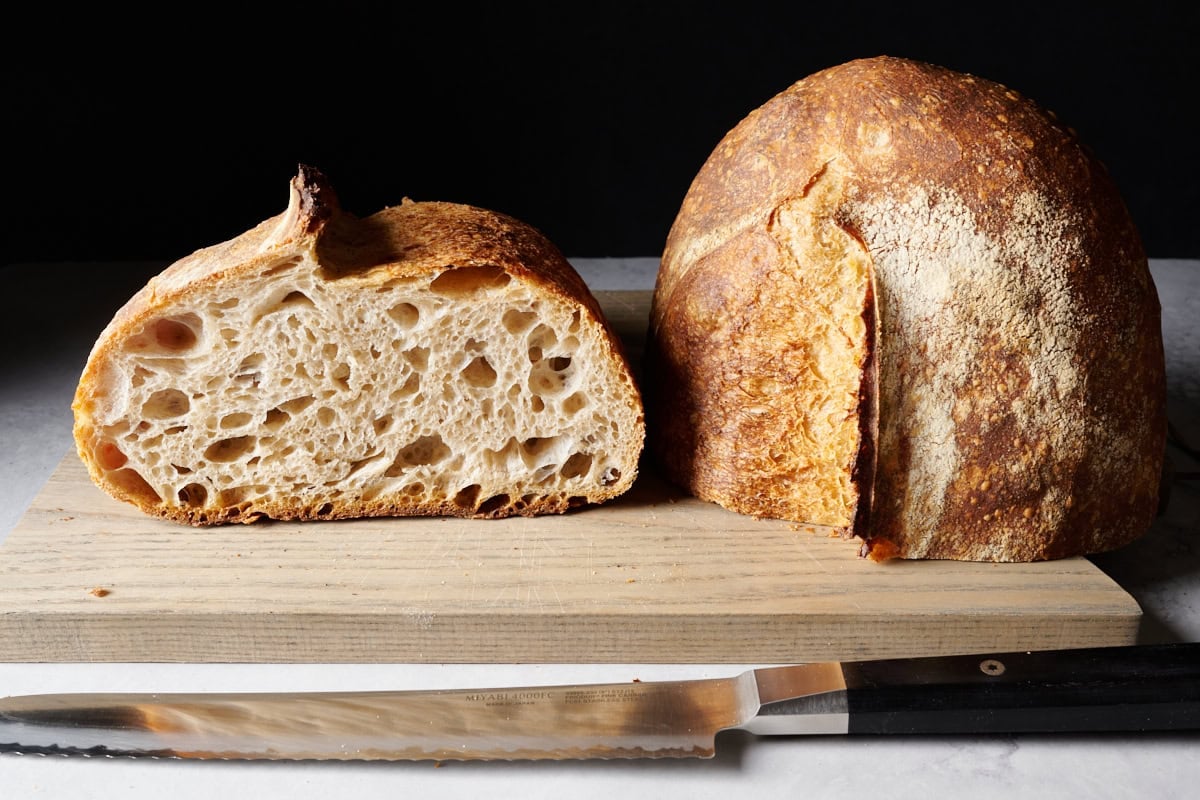
For bakers aiming to increase sourness, several strategies prove effective. Utilizing a starter or levain that has progressed past its peak ripeness—characterized by a collapsed structure, loose consistency, and a sharp, vinegary aroma—introduces a high concentration of pre-formed acids directly into the mixing bowl. Furthermore, extending the cold fermentation phase, or retardation, in a refrigerator for 24 to 48 hours allows resilient yeast populations to continuously supply simple sugars. This sustains acetic acid production by bacteria even under chilled conditions, compounding the total tang.
Additional elevation of sourness can be achieved through flour selection and levain architecture. Incorporating high-ash whole-grain flours, particularly rye, introduces a natural mineral buffer system. This mineral content raises the chemical ceiling of the dough, absorbing more acid before the pH drops low enough to inhibit bacterial activity. Conversely, employing a stiff levain (50% to 65% hydration) rather than a liquid one alters the water activity, suppressing bacterial growth less severely than yeast activity and thereby skewing the metabolic output toward sharper acetic acid.
Conversely, bakers wishing to minimize acidity and emphasize delicate, grain-forward characteristics must adopt a contrasting protocol. Maintaining a rigorously fed, healthy starter prevents excessive acid accumulation. Utilizing a young, rapidly developing levain harvested before it reaches full maturity limits the carryover of organic acids into the final dough. Shortening or entirely omitting the cold retardation phase, opting instead for a streamlined room-temperature proof, curtails the extended biochemical reactions that generate pungent flavors. Finally, utilizing a high-hydration liquid levain (100% hydration) and increasing the overall percentage of refined white flour minimizes mineral buffering, naturally capping total acid development.
Analysis of Common Misconceptions
A frequent point of confusion among intermediate bakers involves the relationship between levain volume and sourness. Conventional culinary assumption often dictates that incorporating a larger quantity of starter will automatically yield a more acidic loaf. However, empirical data and biochemical analysis reveal a more complex dynamic.
Introducing a massive, highly ripened levain lowers the initial pH of the dough immediately upon mixing. Because lactic acid bacteria are sensitive to acidic environments, this low starting pH prematurely curtails their active metabolic window. In effect, starting with high acidity provides the bacteria with less operational runway, often resulting in a milder flavor profile than a dough inoculated with a smaller percentage of levain that is allowed to ferment gradually over an extended duration.
Broader Implications for Artisan Baking
The ability to finely tune acidity transforms sourdough baking from an exercise in variable luck into a predictable, highly specialized craft. As consumer palates become increasingly sophisticated, understanding the interplay between microbiology and thermal management empowers bakers to replicate specific regional styles—from the mild, buttery loaves of French traditions to the aggressively sour San Francisco-style sourdoughs.
Industry experts emphasize that there is no singular correct standard for sourdough acidity. Rather, the ultimate objective remains consistency and personal preference. By systematically isolating and adjusting variables such as flour composition, hydration ratios, and thermal schedules, bakers gain complete dominion over the sensory characteristics of their finished loaves. Through meticulous record-keeping and deliberate experimentation, the complex conversation between time, temperature, and microbes can be expertly translated into the language of exceptional bread.