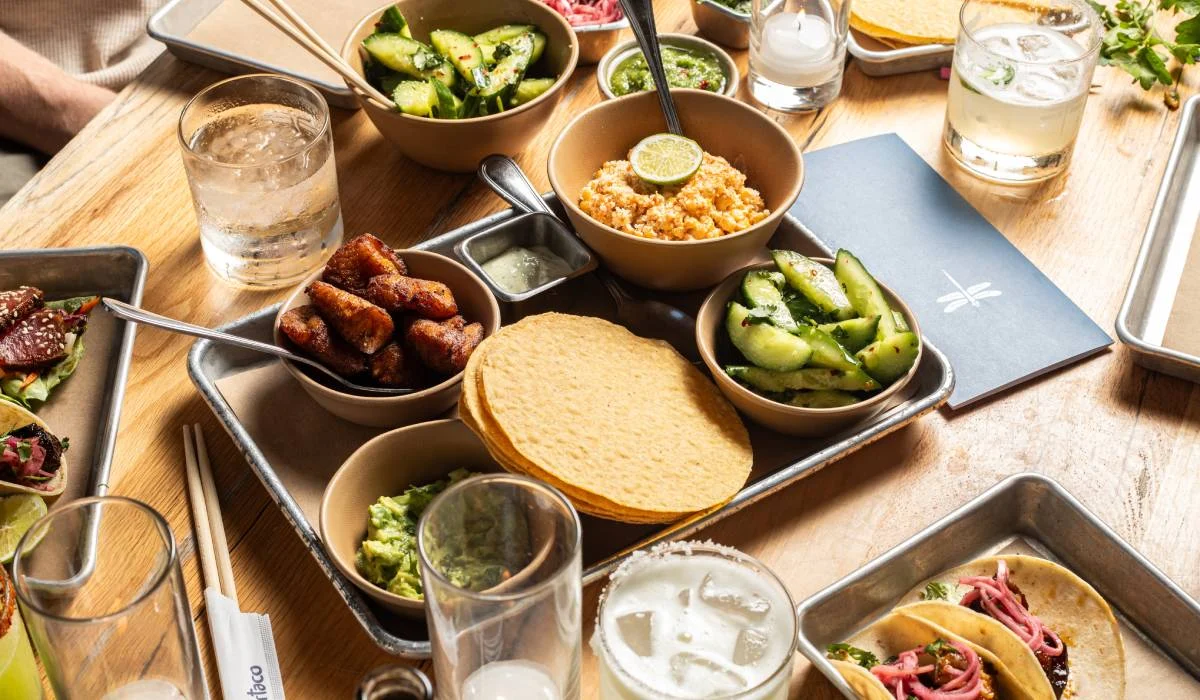

In an era defined by automated customer service lines, robotic chat assistants, and frictionless digital interfaces designed to minimize human interaction, one national restaurant chain is swimming fiercely against the current. At a time when consumers increasingly express frustration over navigating endless phone prompts and AI-driven drive-thru operators, bartaco, a prominent coastal-inspired street food chain with 31 locations across the United States, has introduced a decidedly analog solution to modern customer relations: a direct line to the top.
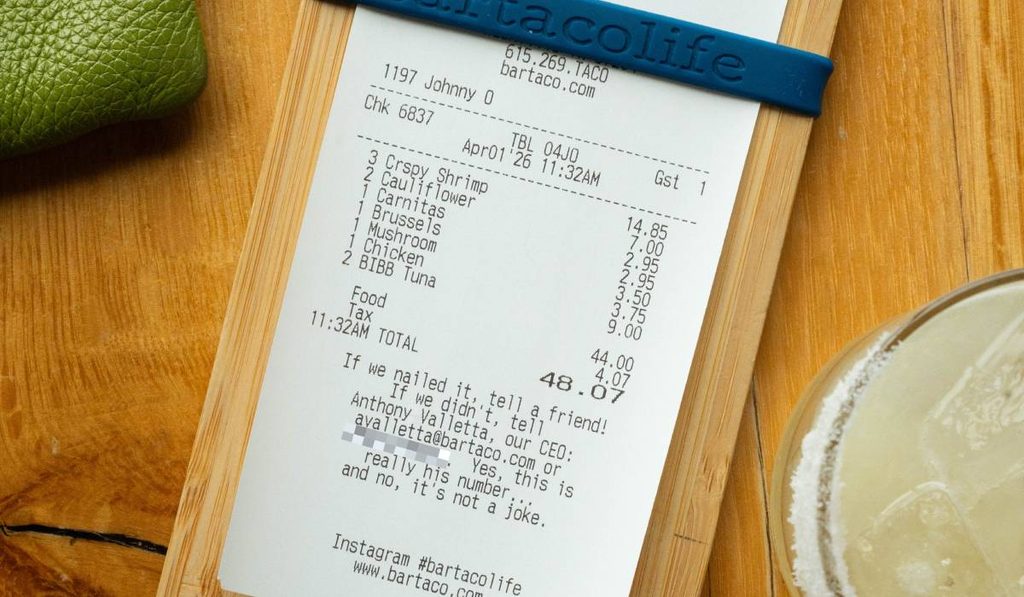
Under the leadership of Chief Executive Officer Anthony Valletta, the brand has initiated a bold customer feedback experiment by printing Valletta’s personal cell phone number and email address directly onto every guest receipt. Emblazoned with the straightforward prompt, “If you had a great time, tell a friend. If you didn’t, contact our CEO,” followed by the reassuring disclaimer, “No, this is not a joke,” the initiative has fundamentally transformed how the executive team interacts with its clientele. What began as a quiet administrative experiment has since exploded into a viral phenomenon, reshaping corporate accountability, operational communication, and the broader debate surrounding the integration of technology in the hospitality sector.
The Genesis and Silent Rollout of the CEO Hotline
The initiative was conceived out of a growing industry-wide concern that corporate structures had become too insulated from the everyday dining experience. While many businesses rely on third-party customer service software, automated feedback forms, or sporadic focus groups, Valletta chose a path of radical transparency.
In the initial stages of the rollout, Valletta bypassed traditional corporate bureaucracy. Without notifying his broader executive team or regional managers in advance, he instructed the company’s information technology department to add his direct contact information to the footer of every printed guest receipt across all 31 operating units. He simply told his IT staff to implement the change and let the initiative run its course.
Initially, Valletta anticipated that the overwhelming majority of incoming communications would consist of customer grievances, service failures, or logistical complaints. However, the empirical reality of the experiment defied expectations. Approximately 80 percent of the outreach he receives consists of positive compliments, expressions of brand loyalty, and detailed anecdotes from guests sharing their dining experiences.
As messages began filtering in, Valletta established a rigorous triage system. He personally read, evaluated, and responded to every text message, voicemail, and email. Simultaneously, he forwarded specific operational notes to regional directors and general managers, inadvertently creating a powerful new layer of accountability across the organization. General managers across the portfolio quickly recognized that any service lapses on their shifts could potentially result in a direct inquiry from the chief executive, prompting heightened attention to detail on the dining room floor.
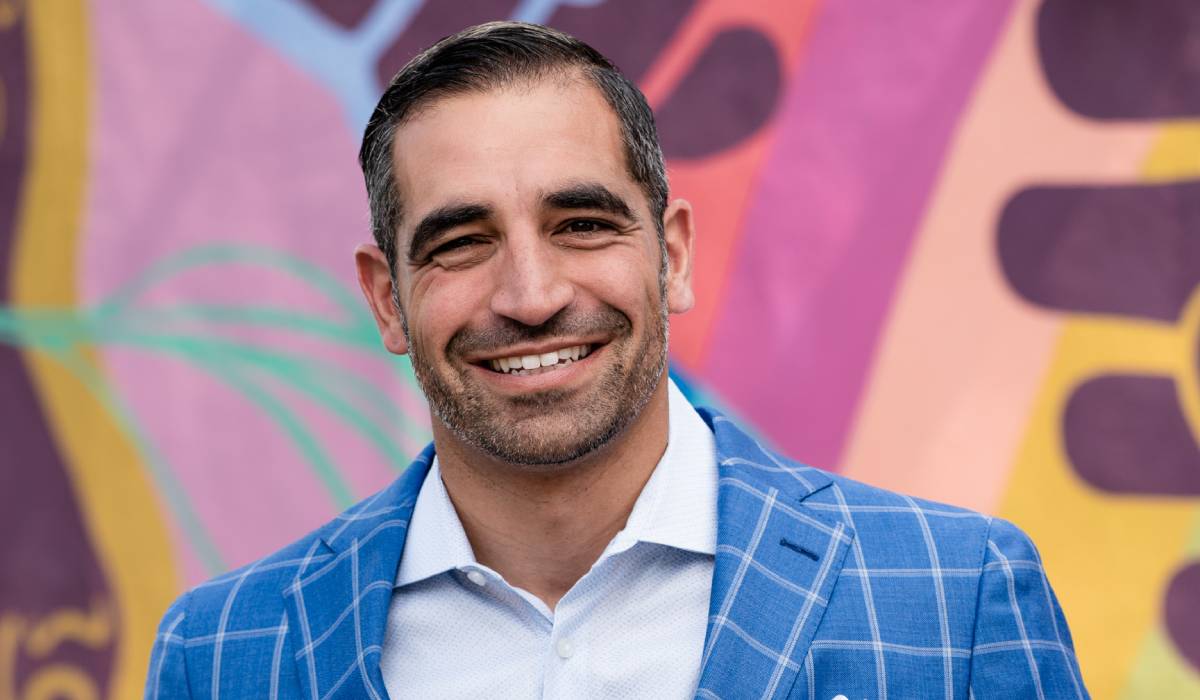
Viral Trajectory and Operational Scaling
The initiative remained a localized operational strategy until a brief podcast clip featuring Valletta discussing the practice was shared across social media platforms. The video quickly gained traction, accumulating roughly 1.6 million views on Instagram and TikTok.
Following the viral surge, the volume of guest outreach expanded exponentially. Valletta now dedicates between 45 minutes to two hours of his daily schedule exclusively to fielding consumer communications. On peak operational days, particularly Fridays and Saturdays, the influx of messages scales significantly, with the CEO receiving anywhere from 50 to 100 individual contacts within a single weekend.
Despite the heavy time commitment, Valletta maintains that managing the hotline is not an administrative burden, but rather the most critical component of his executive responsibilities. In professional exchanges on platforms like LinkedIn, critics have occasionally questioned the sustainability of a chief executive maintaining such direct, unfiltered communication channels, arguing that executive duties typically focus on long-term growth, financial oversight, and macro-level strategy. Valletta counters these critiques by asserting that without direct engagement with the consumer base, executive decision-making lacks foundational relevance.
Expanding the Concept: The Port Chester Retro Phone Activation
Building on the digital success of the receipt campaign, bartaco escalated the initiative on June 2 by introducing a live, experiential activation at one of its oldest and highest-volume locations in Port Chester, New York.
The restaurant installed a vintage, blue analog rotary telephone connected directly to a traditional landline. Patrons dining at the Port Chester establishment that day were invited to pick up the handset and speak directly with Valletta in real time. The activation was designed to evoke a sense of retro nostalgia and tactile connectivity, intentionally contrasting with the sterile, automated nature of contemporary digital interactions.
The live line was met with continuous engagement throughout the day. Among the most notable interactions was a call from a young customer who discussed his enthusiasm for the brand’s quesadillas, cheese sticks, and children’s activity books, while his parent elaborated on the family-friendly aspects of the restaurant group. For corporate leadership, such interactions provided direct validation that specific family-oriented design elements implemented within the restaurant layouts were successfully resonating with core demographic segments.
Tangible Business Insights and Menu Communication Refinements
Beyond fostering goodwill, the hotline has yielded actionable intelligence that has directly influenced bartaco’s marketing strategies, menu architecture, and operational communications.
A recurring theme identified through customer calls revealed a disconnect between the brand’s culinary offerings and consumer awareness. Valletta noted that callers frequently inquired about menu items, seasonal rotations, or promotional concepts that were actively available in-restaurant but had failed to register effectively through standard marketing channels.
A primary example involved the brand’s happy hour promotion. Marketed under the creative, surf-culture-inspired moniker "High Tide Hour," the terminology frequently confused diners who failed to connect the thematic title with a traditional discounted beverage window. Recognizing that the clever nomenclature obscured the core offering, leadership elected to streamline the communication by formally adopting the universally recognized terminology of "happy hour."
Similarly, customer inquiries regarding ingredient modifications highlighted a widespread lack of consumer awareness concerning the brand’s scratch-kitchen model. Many diners assumed the restaurant utilized pre-packaged or processed components, prompting questions regarding ingredient adjustments in house-made marinades and sauces prepared in bulk batches. In response, corporate operations initiated broader informational campaigns to educate patrons on scratch-made preparation methods, clearly delineating which menu items are subject to individual customization versus those prepared in advance.
Broader Implications for the Restaurant Industry
The success of bartaco’s direct-access initiative highlights a broader philosophical shift within the hospitality sector regarding the implementation of emerging technologies. While artificial intelligence and automated ordering systems are projected to see continued capital investment across quick-service and fast-casual segments, full-service dining operators face a distinct consumer expectation.
Industry analysts suggest that full-service restaurants are increasingly viewed by consumers as refuges for authentic human connection and social presence. Consequently, strategic investments in technology are increasingly concentrated in back-of-house optimization, inventory management, and kitchen display systems rather than guest-facing interfaces that displace human interaction.
Valletta’s experiment suggests that radical transparency and accessible leadership can serve as powerful differentiators in a crowded marketplace. By embedding accountability directly into the consumer touchpoint—the receipt—bartaco has demonstrated that traditional corporate hierarchies can be successfully decentralized to prioritize immediate, unfiltered consumer feedback. As other brands evaluate their customer engagement models, the bartaco case study stands as an empirical example of how proactive listening can drive operational refinement, enhance staff pride, and reinforce brand loyalty from the ground up.