
The American homebrewing community continues to evolve as specialized recipes, precise technical specifications, and collaborative platforms shape the modern landscape of independent brewing enthusiasts. Among the myriad offerings cataloged by organizations such as the American Homebrewers Association (AHA), distinct formulations frequently capture the attention of hobbyists seeking to refine their craft. One such formulation, designated under the profile name Steam McQueen, provides a compelling case study in balancing traditional brewing parameters with contemporary craft beer standards. With specified analytical metrics including an Alcohol By Volume (ABV) of 5.1 percent, an International Bitterness Units (IBU) rating of 42, a Standard Reference Method (SRM) color value of 10.4, an Original Gravity (OG) of 1.055 (13.5°P), and a Final Gravity (FG) of 1.017 (4.2°P), this recipe illustrates the intricate biochemical calculations required to produce a balanced, sessionable beer. As homebrewing transitions from a purely domestic hobby into a sophisticated, data-driven pursuit, the accessibility of standardized recipes through member-based organizations plays a critical role in standardizing quality and fostering technical education among amateur brewers.
Technical Specifications and Biochemical Breakdown of Steam McQueen
A detailed examination of the analytical metrics associated with the Steam McQueen recipe reveals a precisely engineered beverage designed to meet specific stylistic and sensory criteria. The Original Gravity of 1.055 indicates a moderate concentration of fermentable and unfermentable sugars dissolved in the unfermented wort, corresponding to 13.5 degrees Plato. This initial sugar density provides the foundation for the final alcohol content and body of the beer. During the fermentation process, yeast metabolizes these sugars, reducing the density until it reaches a Final Gravity of 1.017, or 4.2 degrees Plato. The differential between the original and final gravities yields an ABV of 5.1 percent, placing the beverage squarely in the session beer category—a classification prized for drinkability and moderate alcohol consumption.
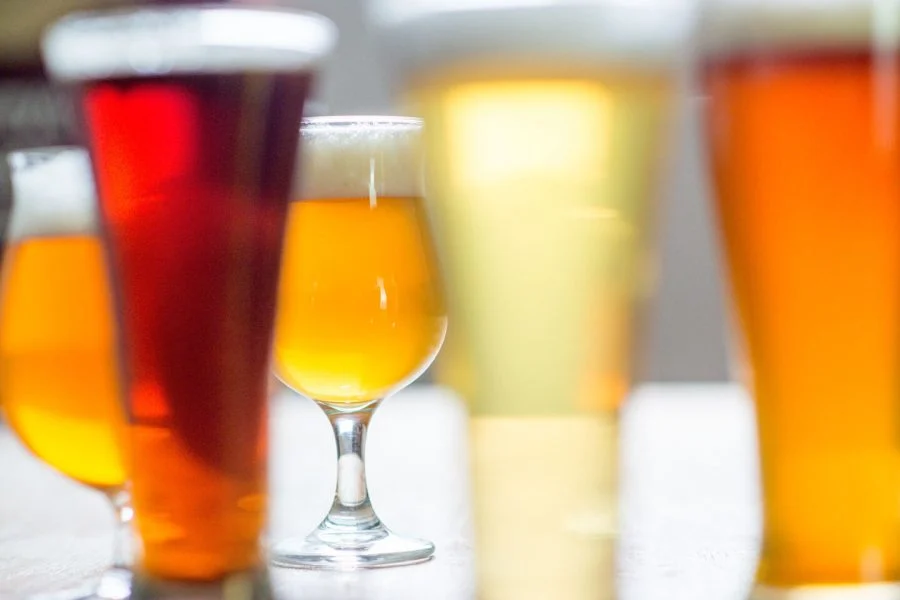
Furthermore, the bitterness metric of 42 IBU establishes a notable hop presence designed to counterbalance the malt sweetness derived from the 1.055 OG. In brewing science, an IBU-to-OG ratio is frequently utilized to measure perceived balance; a rating of 42 against a moderate gravity suggests a crisp, hop-forward profile that avoids overwhelming the palate while maintaining structural integrity. The color specification of 10.4 SRM places the beer firmly in the amber spectrum, indicative of specialized crystal or caramel malts utilized in the mash bill to impart hues ranging from deep gold to light copper, alongside subtle notes of biscuit, toast, or caramel.
The Evolution and Role of the American Homebrewers Association
To understand the dissemination and significance of recipes like Steam McQueen, one must examine the institutional framework supporting the American homebrewing sector. Established to promote and support the hobby of homebrewing, organizations such as the AHA have spent decades curating resources, hosting competitions, and establishing educational pipelines that bridge the gap between amateur experimentation and commercial brewing excellence. The transition of homebrewing from a niche, countercultural activity in the late 20th century to a mainstream culinary hobby is well-documented, with millions of practitioners globally engaging in small-batch production.
In recent years, institutional platforms have increasingly adopted gated or member-exclusive digital architectures to manage proprietary content, validated recipes, and educational materials. This operational model mirrors broader trends in digital publishing and association management, where specialized content is monetized to sustain organizational operations, fund advocacy efforts, and maintain robust recipe databases. For the homebrewer, access to vetted formulations minimizes trial-and-error waste, ensuring that raw materials such as specialty grains, hops, and yeast strains are utilized efficiently. The inclusion of paywalls and member verification systems highlights the economic realities facing enthusiast organizations as they seek to deliver high-value technical data in an increasingly digital marketplace.
Chronology of Homebrewing Innovation and Recipe Sharing
The methodology of sharing homebrewing recipes has undergone a profound transformation over the past four decades, moving from analog formats to hyper-connected digital ecosystems.

During the 1970s and 1980s, following the federal legalization of homebrewing in the United States, recipes were primarily transmitted through word of mouth, privately printed pamphlets, and early enthusiast magazines such as Zymurgy. Brewers relied heavily on analog hydrometers, basic thermometers, and foundational literature to approximate styles, often experiencing high variability in consistency and quality from batch to batch.
The 1990s and early 2000s marked the advent of online forums, digital bulletin boards, and early database-driven websites. During this era, homebrewers began cataloging their formulations online, allowing for rapid peer review, troubleshooting, and global dissemination of successful brewing schedules. The introduction of specialized brewing software enabled hobbyists to calculate precise IBU, SRM, and ABV values prior to brew day, shifting homebrewing from an intuitive art toward a hybrid discipline combining culinary arts and applied chemistry.
The contemporary era, spanning from the 2010s to the present, is characterized by centralized, professionalized platforms hosted by national associations and commercial software suites. Databases now feature rigorously tested, award-winning recipes accompanied by granular metadata. The integration of user authentication, secure payment gateways, and database management systems—as demonstrated by platforms utilized by organizations like the AHA—allows for the seamless distribution of proprietary content while safeguarding the intellectual property of contributing master brewers.
Industry and Economic Implications of Standardized Craft Formulations
The accessibility and adoption of precise homebrewing formulations carry significant implications for both the amateur sector and the broader commercial craft brewing industry. On a micro level, homebrewers utilizing detailed parameters like those found in the Steam McQueen recipe gain a deeper understanding of process control, sanitation, temperature management, and yeast health. Mastery of these variables at the home scale often serves as the incubator for professional innovation. Historically, a substantial percentage of today’s independent craft brewery founders began their careers as homebrewers, scaling up successful pilot batches into commercial flagships.
On a macro level, the standardization of recipes through institutional repositories influences supply chain demands for specific agricultural products. When a widely shared recipe highlights particular hop varieties, specialty malt houses, or proprietary yeast strains, it can generate localized spikes in consumer demand for those specific ingredients. Homebrew supply shops, which form the retail backbone of the amateur brewing ecosystem, rely heavily on these formulated trends to stock inventory, ranging from specialized base malts to advanced brewing hardware such as electric brewing systems and conical fermenters.
Furthermore, the economic model of sustaining educational associations through membership dues and digital subscriptions reflects a broader maturation of the craft beverage sector. As consumers and hobbyists alike demand higher standards of transparency, scientific accuracy, and culinary sophistication, the institutions supporting them must invest in secure, high-performance digital infrastructure. The implementation of user management systems, secure authentication protocols, and tiered content access ensures that organizations can continue to provide validated, peer-reviewed technical resources to their communities.
Conclusion and Future Outlook for Amateur Brewing
The documentation and analysis of formulations such as Steam McQueen underscore the intersection of science, tradition, and digital technology in modern homebrewing. With defined analytical benchmarks—including an ABV of 5.1%, 42 IBUs, and a 10.4 SRM color profile—such recipes provide a structured pathway for hobbyists seeking to expand their technical proficiency. As digital platforms continue to refine how technical data, validated recipes, and educational resources are delivered to practitioners, the homebrewing community remains well-positioned to maintain its status as an innovative vanguard within the wider beverage landscape. Through continued institutional support, rigorous technical standards, and accessible digital infrastructure, the craft of homebrewing will undoubtedly persist in its evolution, fostering both personal enjoyment and professional excellence for generations of brewers to come.