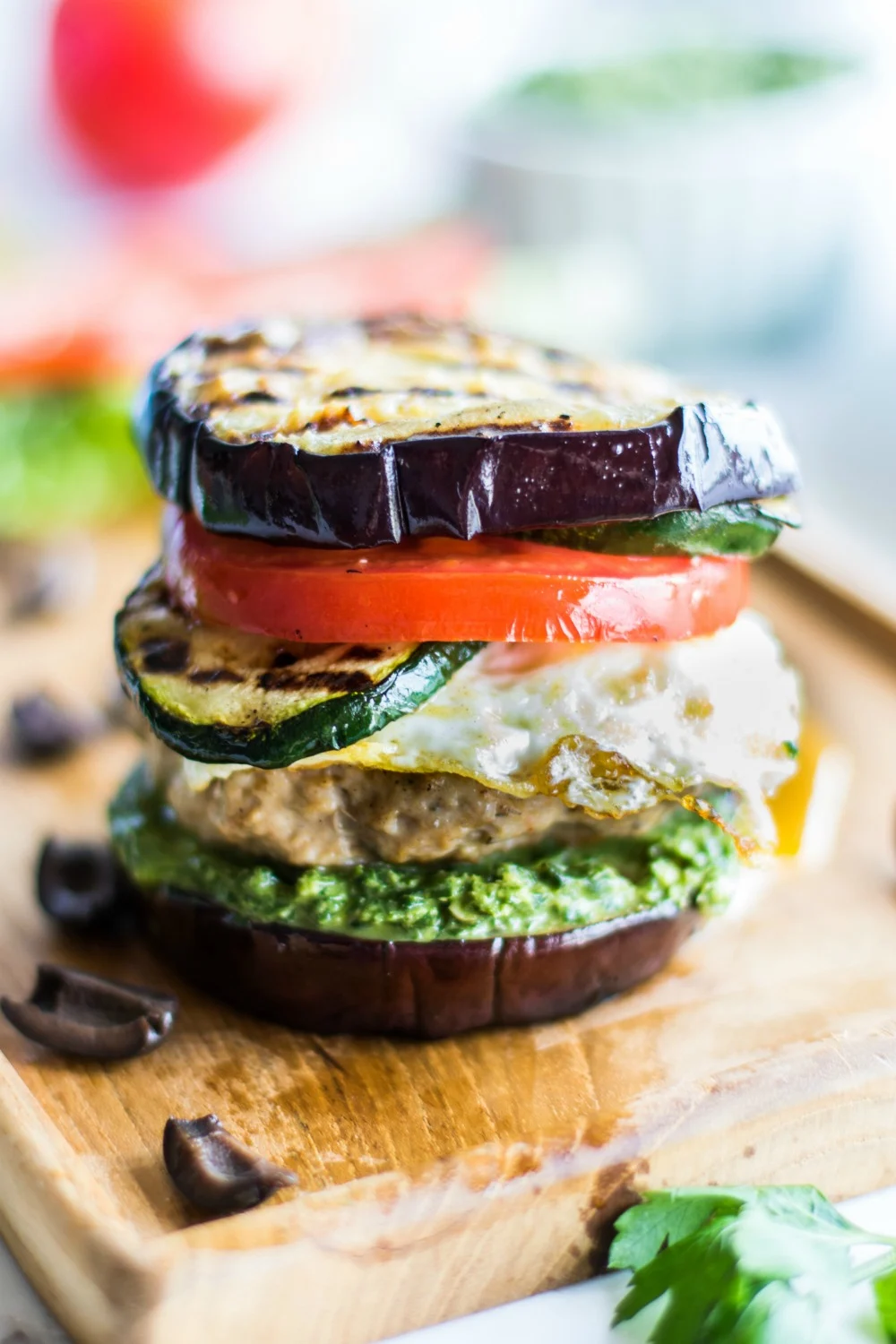

The modern shift toward specialized dietary protocols—such as Whole30, Paleo, and Keto—has necessitated a reevaluation of traditional convenience foods. Among the most popular targets for these nutritional overhauls is the classic burger. By replacing refined flour buns with nutrient-dense, fiber-rich vegetables, culinary professionals and home meal-prep enthusiasts have developed a template for the Pork Burger Meal Prep, a dish that balances high-protein requirements with complex flavor profiles. This article explores the mechanics, nutritional implications, and logistical strategies required to successfully integrate this meal into a weekly professional or personal schedule.
The Nutritional Framework of the Bunless Burger
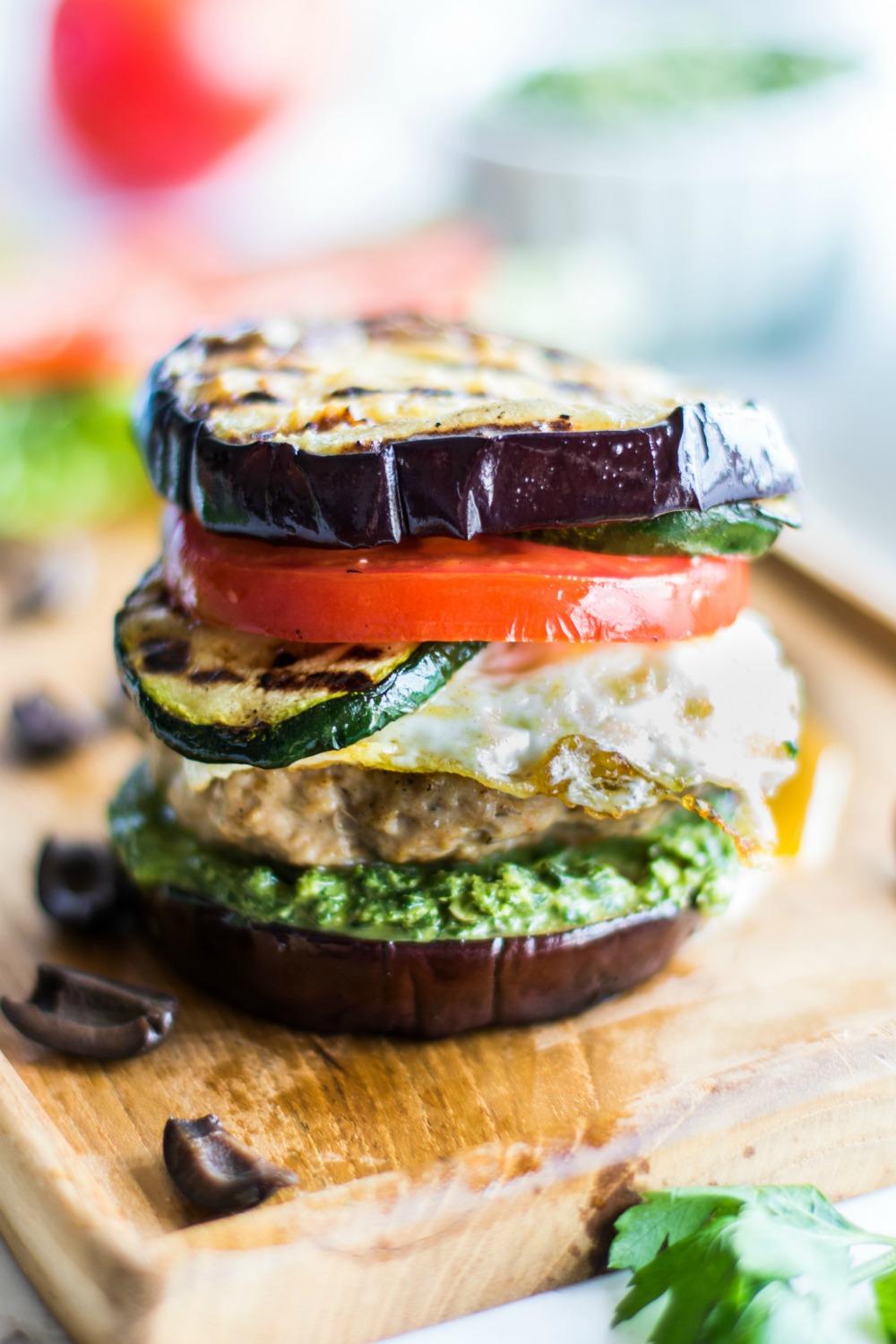
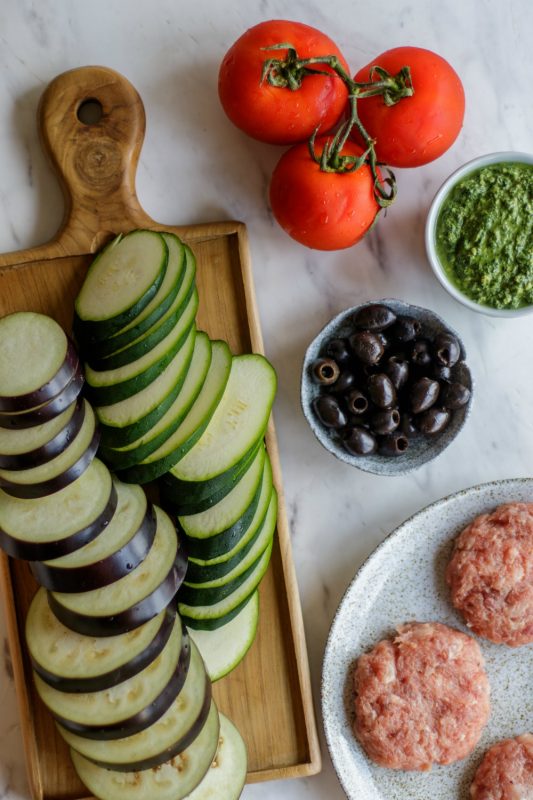
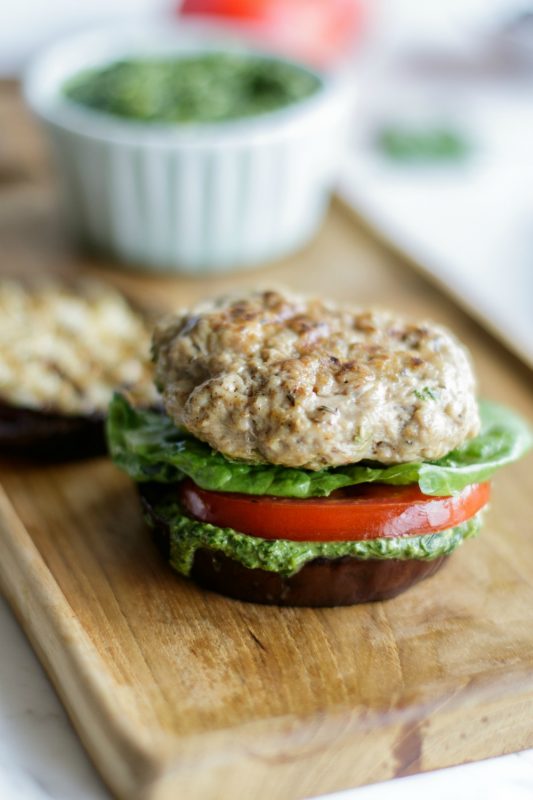
The departure from processed grains represents a significant trend in contemporary health-conscious meal preparation. Traditional fast-food burgers rely on brioche or sesame buns, which are frequently associated with high glycemic index spikes. In contrast, the Pork Burger Meal Prep utilizes grilled eggplant as a structural foundation. Eggplant, a member of the nightshade family, offers a low-calorie, high-fiber alternative that absorbs the juices of the seasoned pork patty, thereby maintaining the sensory experience of a standard burger without the carbohydrate load.
From a biochemical perspective, the inclusion of ground pork—seasoned with anti-inflammatory agents such as fresh garlic, black pepper, and paprika—provides a robust amino acid profile. When paired with a homemade, dairy-free pesto composed of basil, walnuts, and olive oil, the meal delivers a high concentration of monounsaturated fats. According to recent nutrition data, each serving of this preparation contains approximately 39 grams of protein, 45 grams of fat, and only 10.8 grams of carbohydrates, making it a viable option for individuals managing metabolic health or adhering to strict keto guidelines.
Chronology of Preparation and Implementation
Effective meal prep is defined by its efficiency and adherence to food safety standards. The preparation of the Pork Burger involves a multi-stage process that, when executed correctly, minimizes waste and ensures the integrity of the ingredients throughout the work week.
- Phase One: The Flavor Base (Minutes 0–15): The process begins with the creation of the pesto. By emulsifying fresh basil leaves with high-quality olive oil, walnuts, and lemon juice, the cook establishes a flavor profile that acts as a bridge between the savory meat and the earthy eggplant.
- Phase Two: Protein Synthesis (Minutes 15–30): The pork is seasoned and portioned. The addition of thyme and paprika is not merely for taste; these spices possess antioxidant properties that can help stabilize the meat during the heating process.
- Phase Three: Thermal Processing (Minutes 30–50): The grilling of the eggplant and zucchini requires careful temperature control. Overcooking leads to a loss of structural integrity, which is critical for a "bun" substitute. The patties must reach an internal temperature of 160°F (71°C) to ensure safety, adhering to standard food-handling regulations for ground pork.
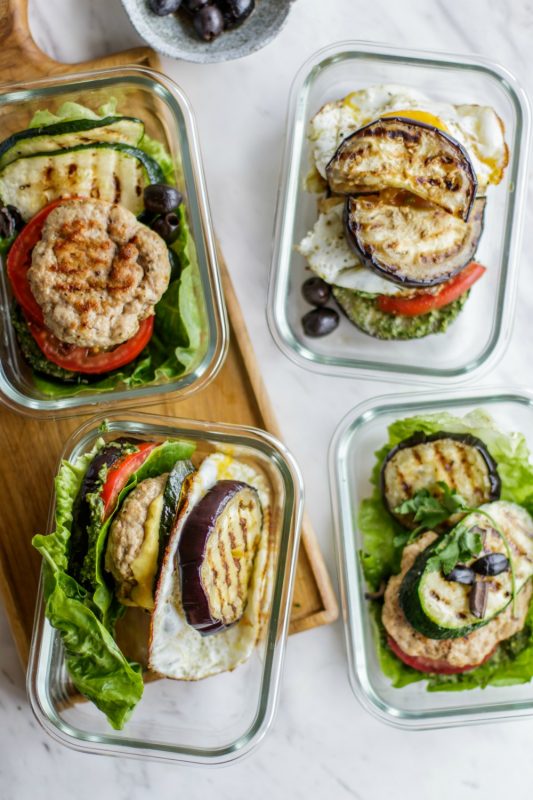
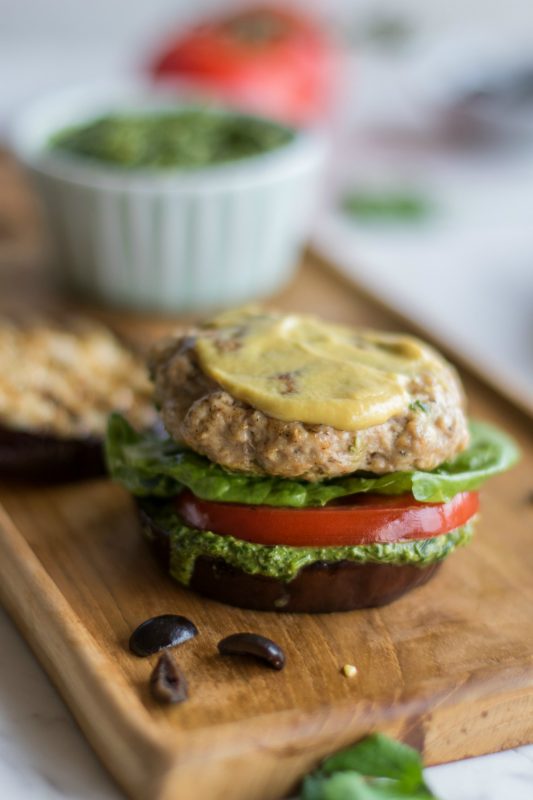
- Phase Four: Assembly and Preservation (Minutes 50–60): The final step involves the strategic packaging of the components. Maintaining the separation of fresh lettuce and tomatoes from the heated pork is vital to preventing moisture degradation.
Comparative Analysis: Traditional vs. Modern Prep Methods
The evolution of meal prep has moved away from the "batch-cook and reheat" model toward a more modular approach. In traditional meal prep, all components were combined in a single container, often leading to soggy textures and flavor bleeding. The modern iteration of the Pork Burger Meal Prep emphasizes "component segregation."

By keeping the pesto and crisp vegetables (lettuce and tomato) in separate, small containers or atop a protective layer of zucchini, the meal retains its structural integrity for up to three days. This represents a significant improvement in the quality of the dining experience for those who rely on office microwave facilities for their midday meal. While the eggplant serves as a reliable bun substitute for 72 hours, culinary experts suggest shifting to a raw lettuce wrap for any servings intended for the fourth or fifth day, as grilled eggplant tends to lose its texture when stored beyond the three-day mark.
Economic and Health Implications
For the working professional, the economic implications of adopting a consistent meal prep routine are substantial. By purchasing bulk ground pork and seasonal produce, the cost per serving is significantly lower than the average restaurant-purchased burger. Furthermore, the ability to control the quality of fats—specifically opting for cold-pressed olive oil over the seed oils commonly found in commercial burger buns and sauces—aligns with broader public health initiatives aimed at reducing inflammation.
Medical professionals and nutritionists often cite the lack of planning as the primary barrier to maintaining healthy eating habits. The Pork Burger Meal Prep addresses this by providing a "repeatable" system. Because the recipe is modular, it does not mandate a static menu. The ability to swap out the eggplant for zucchini or to adjust the seasoning of the pork based on individual palate preferences allows the dieter to maintain variety, which is a key factor in long-term adherence to restricted diets like Whole30.
Industry Perspectives on Dietary Adherence
The rising popularity of the bunless burger has not gone unnoticed in the culinary and wellness industries. Many meal-planning platforms have begun integrating these specific techniques into their digital offerings. The consensus among dietitians is that the success of such a meal lies in its high satiety index. Because the meal is rich in both fiber (from the vegetables) and protein (from the pork and eggs), it promotes longer periods of satiety compared to meals high in refined carbohydrates.
However, researchers note that for those strictly adhering to programs like Whole30, the "psychology of the burger" is just as important as the physical nutrition. By recreating the form factor of a familiar comfort food, the individual is less likely to experience the "deprivation effect," a psychological phenomenon that often leads to diet non-compliance.
Broader Impact and Future Outlook
The trajectory of meal prep indicates a continued move toward high-quality, whole-food-based home cooking. As consumer awareness regarding the effects of ultra-processed foods grows, recipes that provide a bridge between "convenience" and "whole nutrition" will likely see increased adoption. The Pork Burger Meal Prep is emblematic of this shift—it is a functional, scalable solution that respects the constraints of a busy schedule while honoring the physiological needs of the human body.
In conclusion, the integration of such meals into a weekly cycle offers more than just a caloric benefit. It represents an exercise in logistical planning and intentional consumption. Whether one is motivated by the specific requirements of the Keto or Paleo diets, or simply seeking a more reliable and nutritious lunch option, the principles outlined in this guide provide a robust foundation for culinary success. By focusing on component separation, temperature control, and ingredient versatility, the home cook can ensure that their meals remain fresh, safe, and satisfying throughout the work week. As the industry continues to innovate, it is likely that such modular approaches will remain the gold standard for efficient, health-forward living.