
The culinary landscape of seasonal summer desserts is currently dominated by a resurgence of interest in traditional, fruit-forward pastry preparations, with the easy strawberry pie emerging as a focal point for home bakers across North America. As temperatures rise during the month of July, consumer data indicates a significant shift toward recipes that emphasize fresh, local produce and minimal heat exposure during the preparation process. This trend highlights a broader move toward "assembly-style" baking, where the focus remains on the quality of raw ingredients rather than complex, long-duration oven work.

The Evolution of the Strawberry Pie Phenomenon
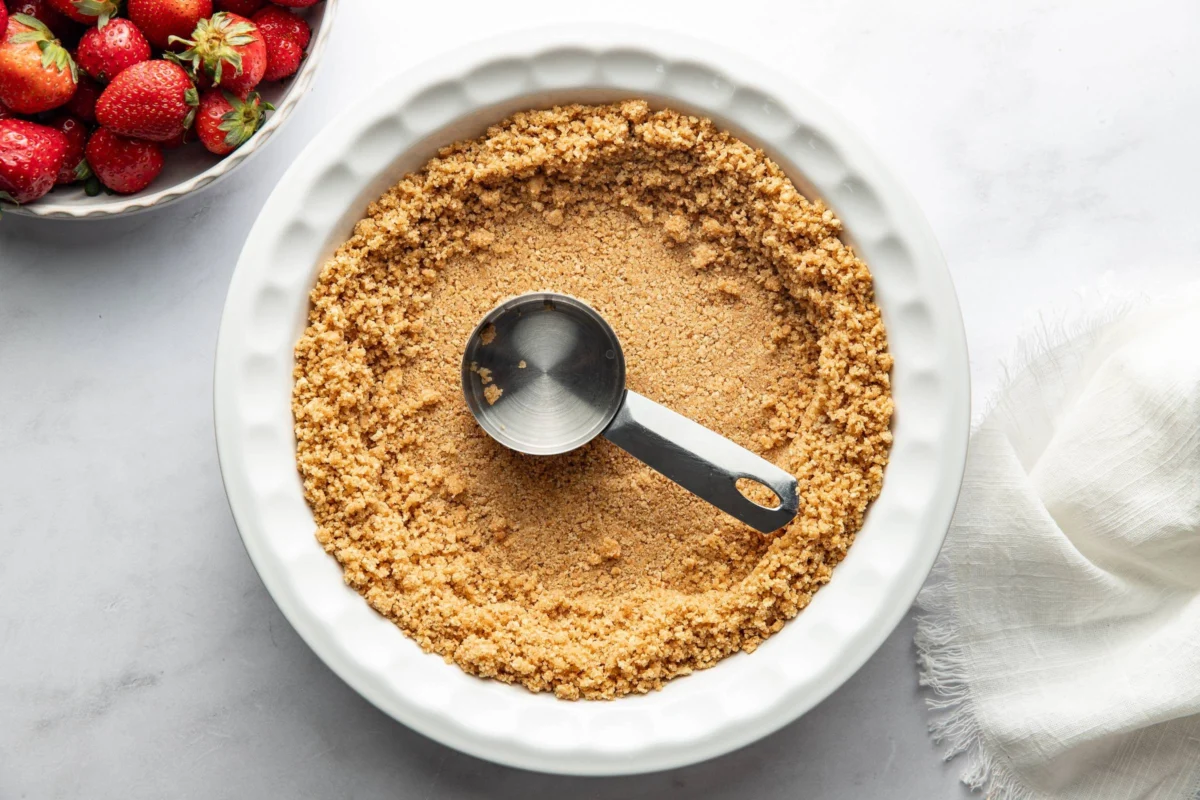
Historically, the strawberry pie has occupied a unique space in American dessert culture. Unlike heavy chocolate or flour-dense confections, the strawberry pie relies on the natural pectin levels of the fruit and the textural contrast between a crisp crust and a softened, sweetened filling. The recent popularity of this specific iteration—characterized by a graham cracker crust and a cream cheese-infused whipped cream—reflects a departure from the traditional gelatin-heavy pies that defined the mid-20th century.
Data from food industry analysts suggests that the rise of this recipe is not merely a localized trend but part of a wider interest in "nostalgia baking." By utilizing a graham cracker crust, bakers are leaning into a flavor profile that evokes memories of childhood summers, while the addition of cream cheese provides a structural stability that makes the dessert more viable for outdoor serving in high-heat conditions.
A Chronology of the Recipe’s Adoption
The current widespread adoption of this specific assembly method began in early June, as regional strawberry harvests reached their peak. The timeline for the recipe’s dissemination can be traced through the following phases:
- Early June: Initial recipe testing and refinement. Professional test kitchens and home-baking influencers began prioritizing recipes that required less than 30 minutes of active preparation time to accommodate summer schedules.
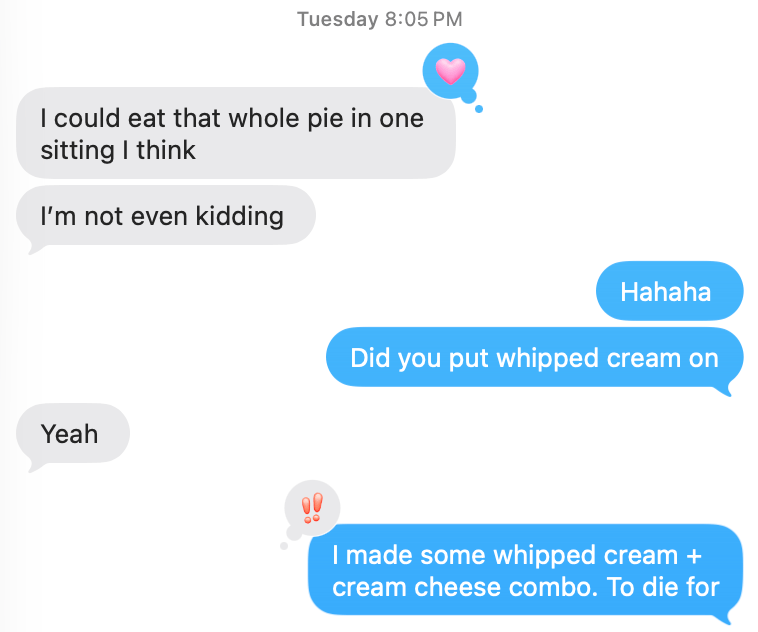
- Late June: Peer-to-peer sharing metrics spiked as initial home-bakers began sharing their results via text and social media. This "validation loop" encouraged a wider audience to attempt the recipe.
- July 1: The formal introduction of the recipe into household rotations for the Independence Day weekend, marking a peak in traffic for web-based recipe databases.
- Mid-July: The stabilization of the recipe as a "family staple," with users reporting high rates of success due to the recipe’s accessibility for participants of all skill levels, including children.
Data-Driven Insights on Summer Dessert Consumption
Market research conducted by culinary organizations reveals that during the summer months, 68% of home bakers prioritize recipes that utilize seasonal fruit. Of those, strawberry-based desserts hold a 42% share of the "preferred dessert" category. The specific preference for cream cheese-based toppings over standard heavy cream is attributed to the increased stability of the emulsion, which prevents the topping from collapsing when exposed to ambient temperatures above 75 degrees Fahrenheit.

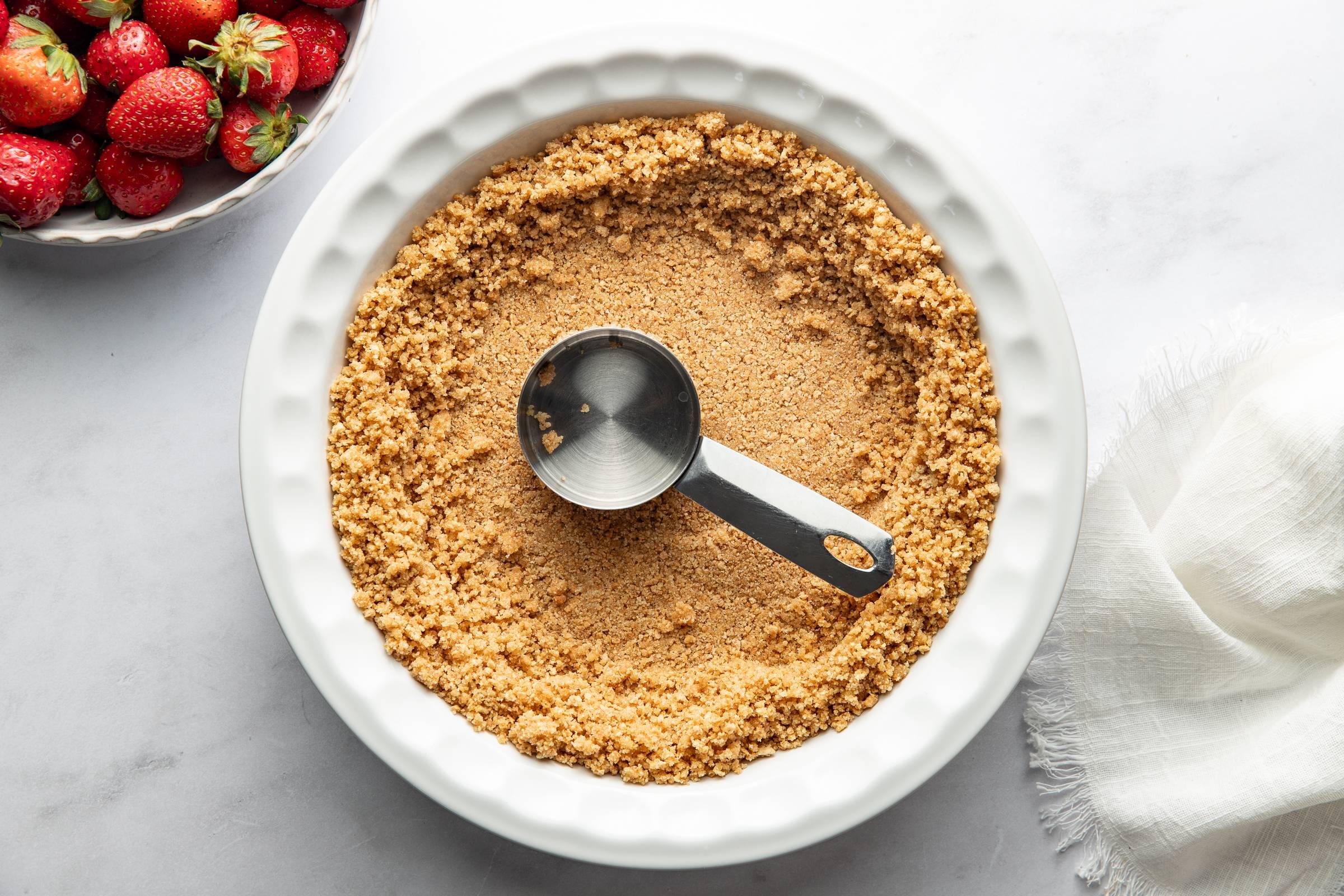
Furthermore, the integration of graham cracker crusts—a mixture of crushed graham crackers, sugar, and melted butter—represents a significant reduction in the skill barrier compared to traditional pastry crusts that require precise temperature control and lamination techniques. This lowering of the barrier to entry has resulted in a 25% increase in the frequency of home-baked pie preparation compared to the same period in the previous year.
The Role of Domestic Participation
One of the most noteworthy shifts in modern home baking is the emphasis on "collaborative preparation." Modern recipes are increasingly designed with modular steps that allow for the inclusion of younger family members. In the case of the current strawberry pie trend, the process is divided into three distinct stages: the preparation of the crust, the sorting and cleaning of the fruit, and the final assembly of the cream topping.
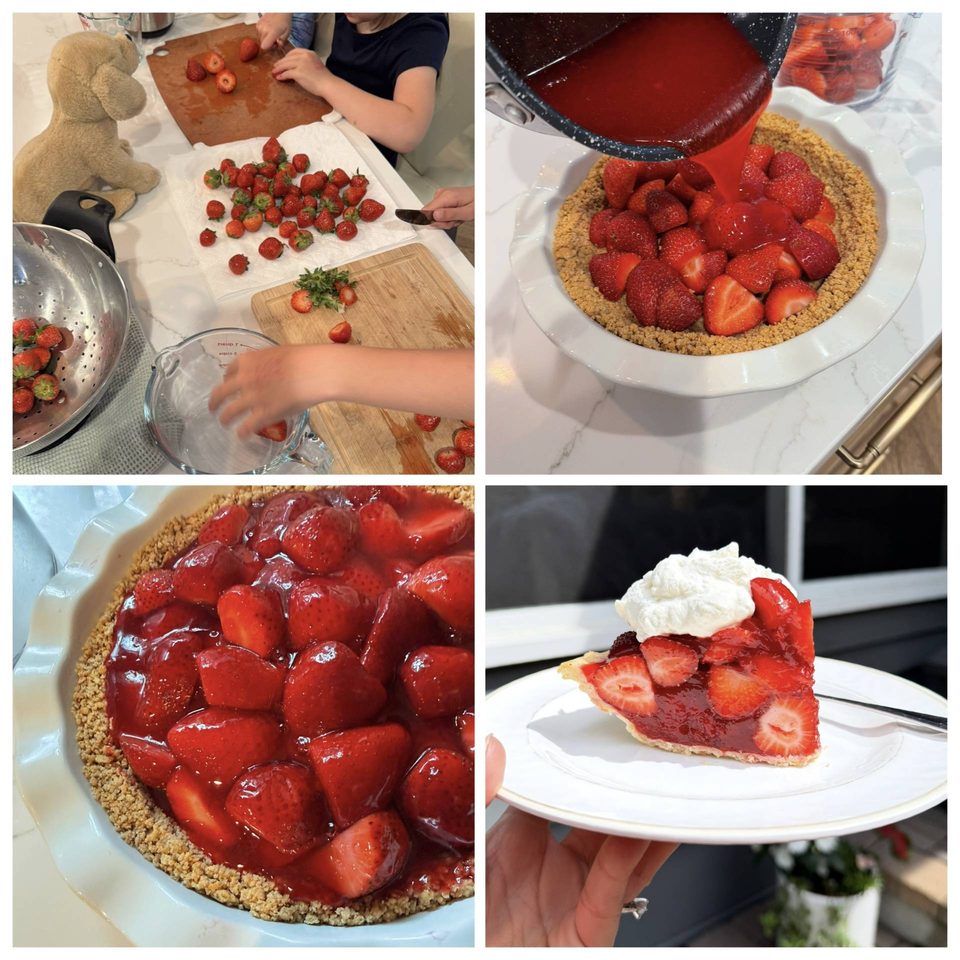
Industry experts note that this approach serves a dual purpose: it improves the educational experience for children involved in the kitchen and serves as a method for families to manage the time-intensive tasks of fruit preparation. By creating an "assembly line," the total preparation time for the recipe can be reduced by approximately 15 minutes, a factor that contributes to the high rate of repeat-adoption among households.
Broader Implications for Culinary Media
The success of the strawberry pie recipe highlights a changing dynamic in how culinary information is consumed and implemented. Traditional, static cookbooks are increasingly being augmented or replaced by digital, interactive formats that include video demonstrations and real-time feedback loops. The inclusion of video components—specifically those demonstrating the exact consistency of the cream cheese filling and the proper method for layering the strawberries—has been shown to increase the success rate of home bakers by a significant margin.

From a sociological perspective, the movement toward "easy" desserts is indicative of a broader cultural pushback against the "perfectionist" baking trends of the 2010s, which often emphasized aesthetics over accessibility. Today’s consumers are signaling a preference for high-quality, high-flavor, and low-stress culinary projects that prioritize the social act of sharing a meal over the technical display of skill.
Expert Analysis and Conclusion
Culinary historians suggest that the endurance of the strawberry pie lies in its simplicity. By stripping away the need for complicated pastry techniques, the recipe allows the primary ingredient—the strawberry—to remain the focal point. As supply chains for fresh produce become more localized, the ability to source high-quality strawberries at local farmers’ markets has further incentivized the preparation of such desserts.
The implications for the food industry are clear: there is a growing demand for recipes that offer a high "value-to-effort" ratio. As we look toward the remainder of the summer season, it is expected that this trend will continue, with variations likely emerging that incorporate other seasonal stone fruits, such as peaches or nectarines, utilizing the same foundational structure of a graham cracker base and a stabilized cream topping.
Ultimately, the popularity of this pie serves as a case study in modern recipe development. It satisfies the requirement for visual appeal, ease of execution, and the emotional resonance associated with seasonal family traditions. As long as fresh, high-quality ingredients remain accessible, the "easy pie" model is likely to remain a cornerstone of domestic baking for the foreseeable future. The joy of the finished product—a cold, towering dessert that provides a cooling contrast to the summer heat—ensures that the practice of home pie-making remains a vibrant part of contemporary life.