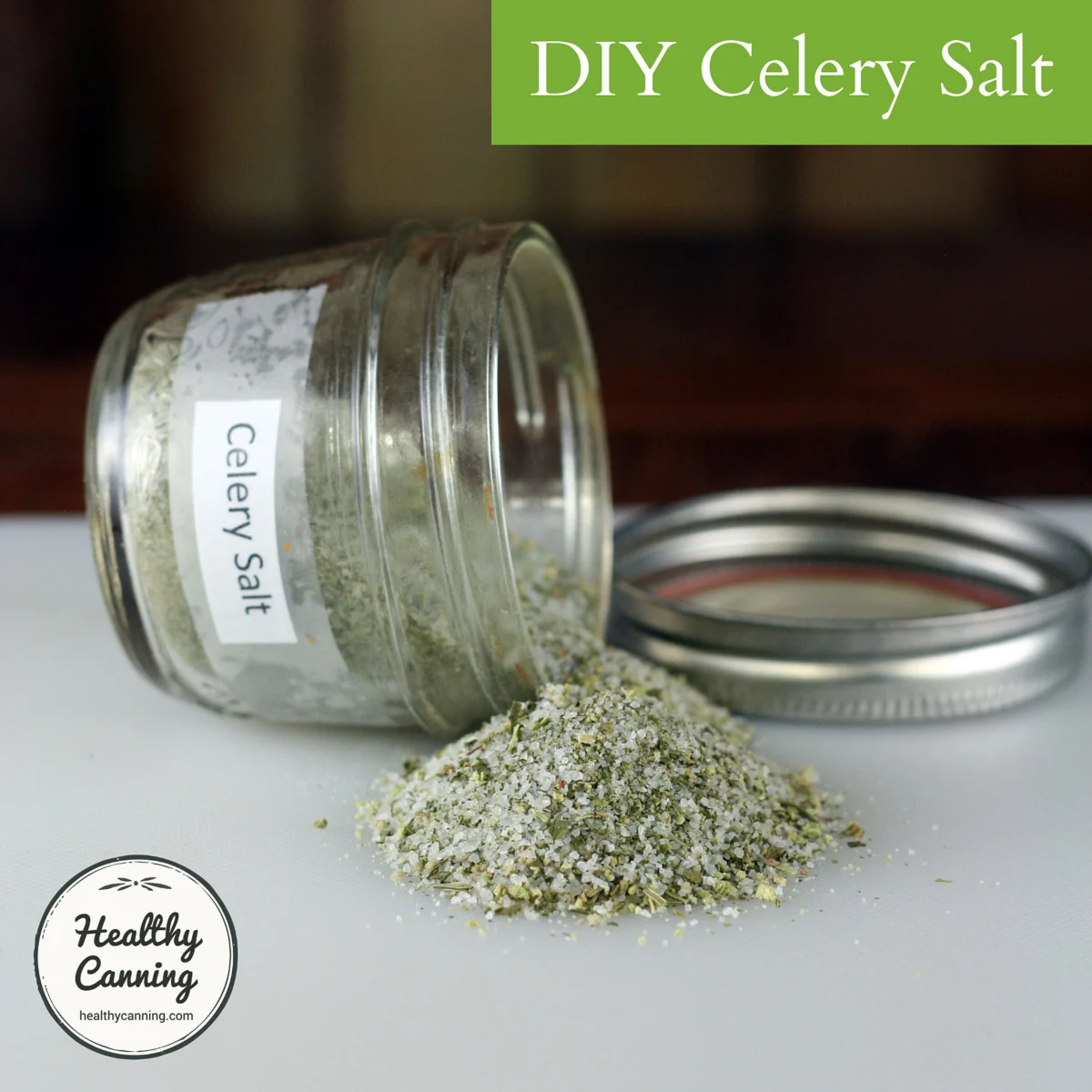

The art of home seasoning has undergone a quiet renaissance as consumers increasingly seek alternatives to mass-produced, highly processed grocery store staples. Among the most versatile yet overlooked pantry staples receiving renewed attention is celery salt—a classic blend traditionally used to elevate everything from bloody Mary cocktails and potato salads to dry rubs for barbecued meats. Producing this seasoning at home requires minimal equipment, costs mere pennies compared to commercial equivalents, and opens up vast possibilities for culinary customization, dietary adaptation, and sustainable living.
The Economics and Mechanics of Homemade Seasonings
In an era marked by fluctuating grocery prices and inflation-weary shoppers, bulk-buying raw ingredients and compounding them at home offers significant financial relief. Commercial spice mixes often carry a massive markup, driven by packaging, brand marketing, and transportation costs. By contrast, crafting celery salt from scratch allows home cooks to yield approximately five tablespoons (roughly 75 grams) of high-grade seasoning for a fraction of the retail price.
The baseline formulation of celery salt is deceptively simple, traditionally relying on a blend of ground celery seed and fine-grain salt. However, the do-it-yourself (DIY) approach dismantles the one-size-fits-all nature of commercial products. Home cooks are no longer tethered to standard table salt; instead, they can experiment with a sophisticated spectrum of bases. Sea salt introduces a clean, briny mineral complexity, while smoked salt infuses a rustic, wood-fired depth that transforms simple rubs into artisanal-grade masterpieces. For those seeking visual flair and nuanced mineral profiles, pink Himalayan salt offers an attractive alternative.

Catering to Dietary Restrictions Through Customization
Beyond flavor enhancement, formulating your own celery salt addresses a critical modern culinary concern: dietary restrictions. Standard commercial spice blends are frequently loaded with sodium, posing health challenges for individuals managing hypertension, cardiovascular disease, or kidney conditions.
By taking control of the blending process, consumers can effortlessly bypass these health hurdles. For those requiring a strictly sodium-free diet, traditional salt can be entirely omitted or replaced with specialized salt substitutes. Culinary enthusiasts have successfully utilized botanical-rich alternatives such as Herbamare to create completely sodium-free celery salt variants that retain deep, savory undertones without compromising health guidelines. This adaptability ensures that dietary limitations do not translate to bland or uninspired meals.
Elevating the Celery Component: Seeds Versus Dehydrated Powder
The true soul of any celery salt lies in its botanical base. Traditionally, recipes call for finely ground celery seed, which delivers an intense, slightly bitter, and pungent punch characteristic of the Umbelliferae family. However, culinary evolution and the rise of home food preservation have introduced an even more gourmet option: homemade celery powder.
For households equipped with a food dehydrator, turning surplus fresh celery or celery leaves into a fine powder has become a popular zero-waste practice. Utilizing homemade celery powder instead of raw ground seed yields a smoother, more rounded, and deeply concentrated vegetable flavor profile. When integrated with high-end salts, this powder elevates a humble seasoning salt into a complex, chef-quality finishing dust.

To streamline the process, culinary experts recommend a straightforward preparation method: combine your chosen salt and celery component directly inside the airtight glass jar intended for long-term storage. This eliminates unnecessary dishwashing and ensures the volatile aromatics do not escape into the surrounding kitchen air during mixing.
Chronology of a Culinary Staple and Modern Revival
The practice of blending celery seeds with salt dates back to the late 19th and early 20th centuries, coinciding with the rise of commercial spice packaging and the popularization of prepared condiments in American cuisine. Historically utilized as a quick shortcut to impart the savory, herbaceous qualities of fresh celery stalks without the moisture content, celery salt quickly became a cornerstone of classic American diner culture and regional specialties, most notably seasoning the iconic Chicago-style hot dog.
Over the decades, the recipe largely remained static, dominated by major spice corporations producing standardized, uniform blends. However, the digital age and the recent surge in homesteading, food preservation, and scratch-cooking blogs—drawing inspiration from community-tested platforms like imperfectlyhappy.com, wholenewmom.com, and sufficientacres.com—have catalyzed a return to artisanal independence. Modern home economists and Master Food Preservers have iteratively refined these DIY ratios, transforming a forgotten industrial recipe into an accessible craft project for contemporary kitchens.
Broader Implications and Nutritional Transparency
The shift toward DIY seasoning is part of a broader consumer movement emphasizing transparency, sustainability, and waste reduction in the kitchen. Pre-packaged spice mixes frequently contain anti-caking agents, synthetic flow agents, and hidden preservatives designed to extend shelf life on supermarket shelves indefinitely. By contrast, a homemade batch of celery salt contains strictly what the maker chooses to put into the jar.
Nutritional profiles for homemade celery salt will inherently vary based on the specific ingredients selected. While standard formulations carry the sodium content typical of any salt-based condiment, substituting alternative mineral salts or herbal blends allows health-conscious cooks to tailor the nutritional impact precisely to their dietary needs. Furthermore, utilizing dehydrated celery leaves provides a practical mechanism for utilizing vegetable scraps that might otherwise be discarded, aligning with broader global initiatives to reduce household food waste.
For those navigating complex food preservation techniques or seeking immediate, expert-backed advice on home-processed ingredients, agricultural extension networks and Master Food Preserver groups—many of which operate seasonal telephone hotlines—remain invaluable resources for ensuring safety and quality in the home kitchen. Ultimately, mastering a basic blend like celery salt exemplifies how small, economical kitchen interventions can yield outsized rewards in flavor, health, and culinary satisfaction.