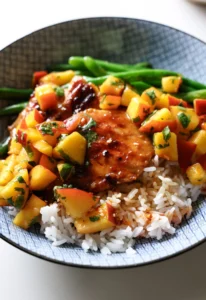

The contemporary home kitchen is currently witnessing a significant shift toward flavor-forward, high-efficiency meal preparation, exemplified by the rising popularity of the peanut chicken and ginger slaw bowl. This dish, which combines the richness of Southeast Asian-inspired peanut satay with the textural contrast of a sharp, acidic ginger-infused slaw and aromatic coconut rice, has emerged as a quintessential model for time-conscious cooking. As consumer interest in diverse, restaurant-quality home dining continues to climb, recipes that leverage prepared sauces and streamlined prep techniques—such as mandoline slicing and quick-marination—are becoming essential components of the modern culinary repertoire.
Chronology of Culinary Adoption
The evolution of this dish from a specialized restaurant staple to a household standard began in earnest over the last decade, as global flavor profiles became increasingly accessible through retail markets. The specific configuration of peanut chicken paired with coconut rice gained traction due to its versatility and ability to satisfy multiple sensory profiles simultaneously: the savory, umami-rich notes of the peanut sauce; the creamy, mild base of the coconut-infused grains; and the sharp, bright, and pungent bite of a fresh ginger slaw.
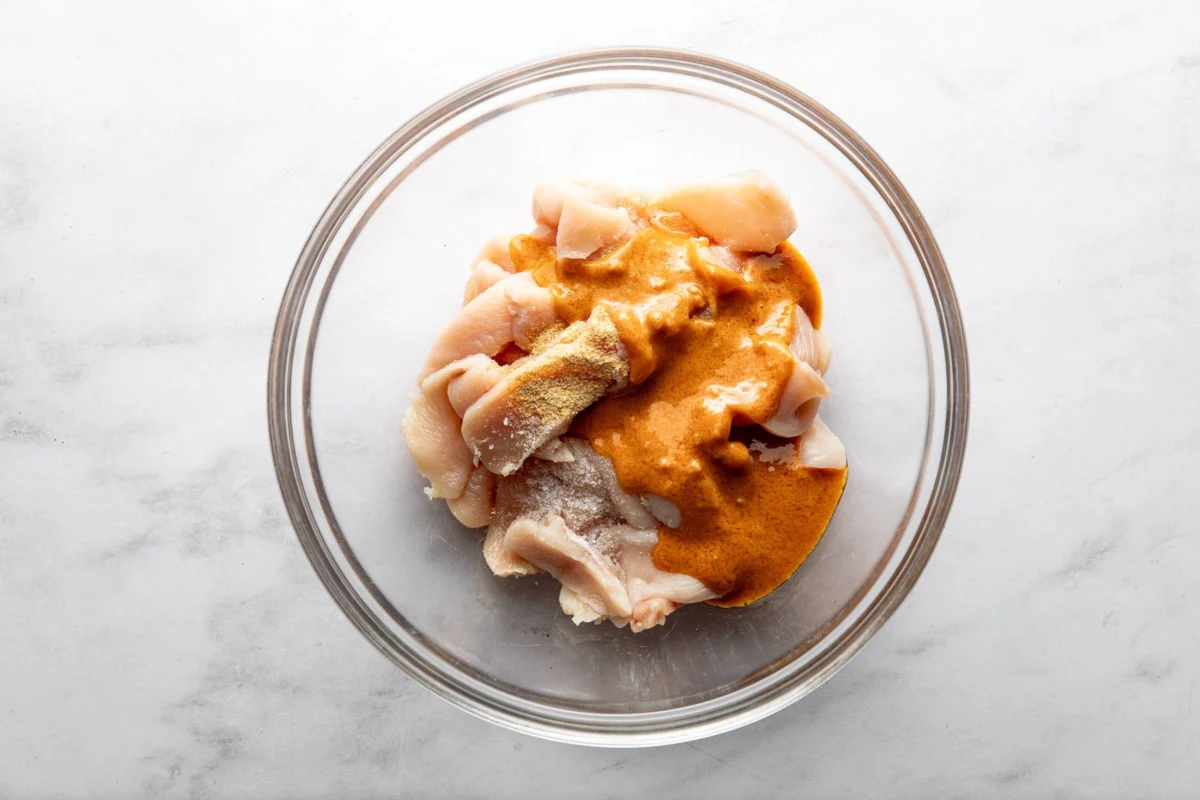
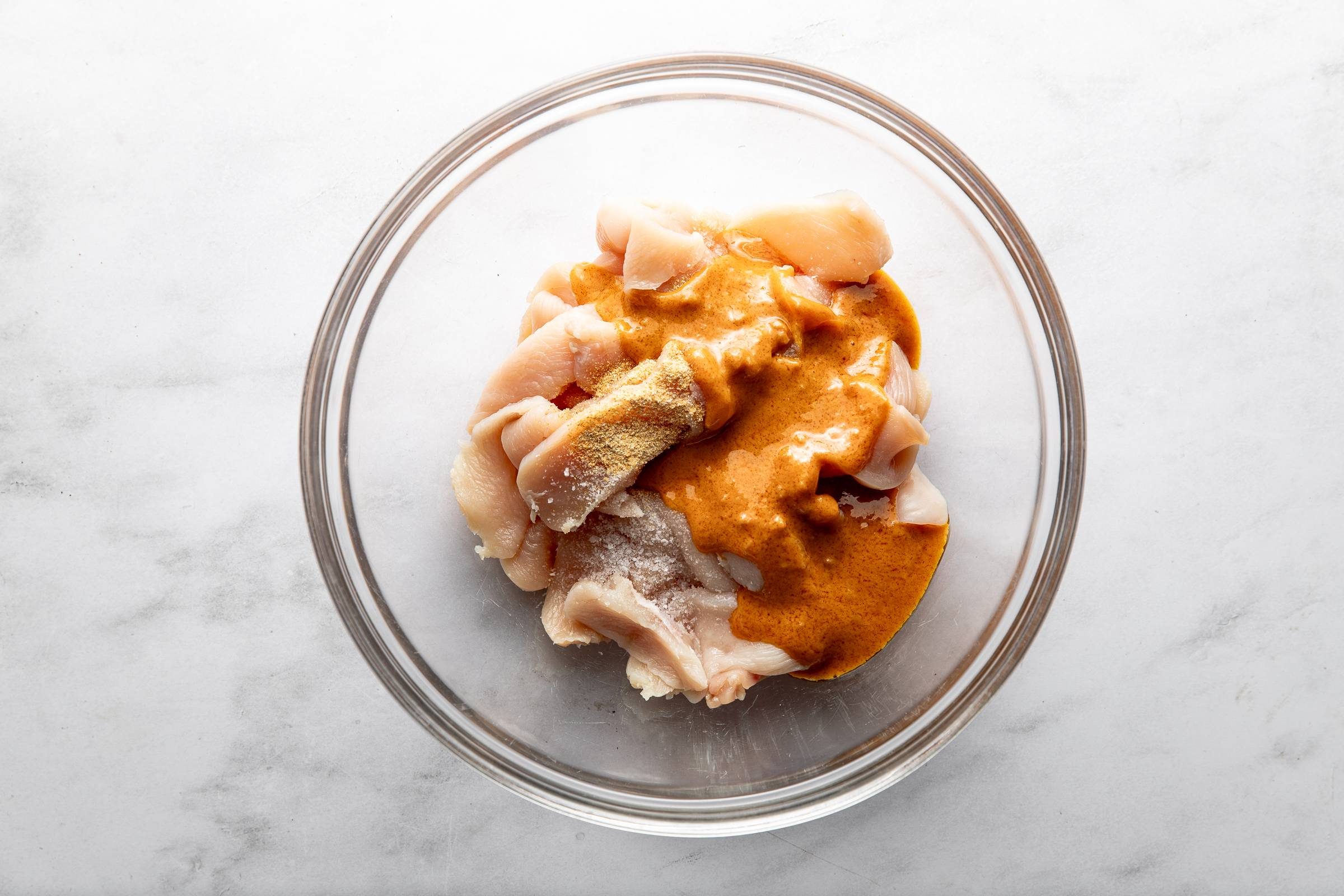
In recent field observations, the preparation process has been standardized for the average household. Initial phases involve the rapid marination of poultry in a peanut-based satay sauce. Historically, this required extensive prep time, but advancements in the availability of high-quality, pre-made satay sauces—notably those offered by retailers like Trader Joe’s—have reduced the preparation time for the protein component to a matter of minutes.

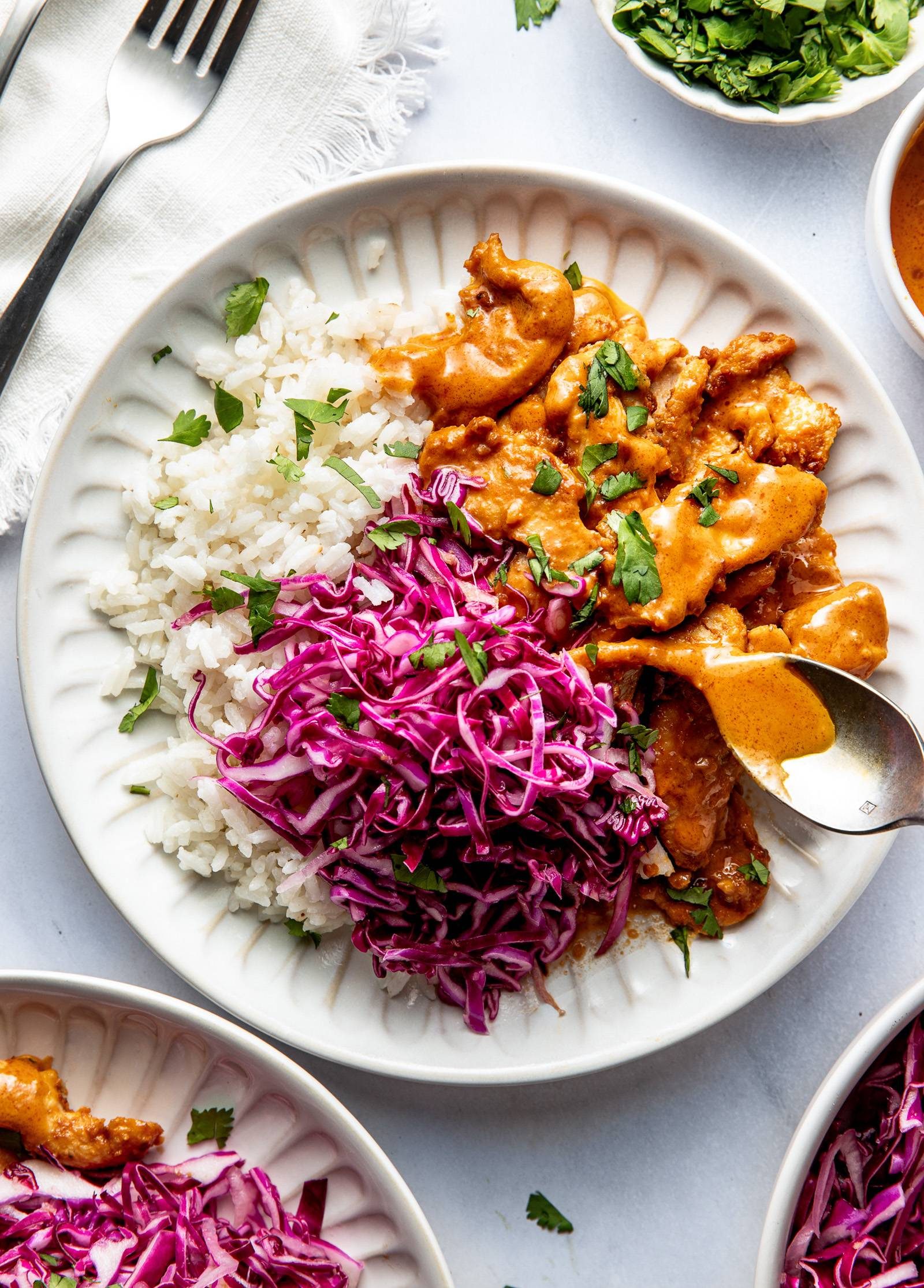
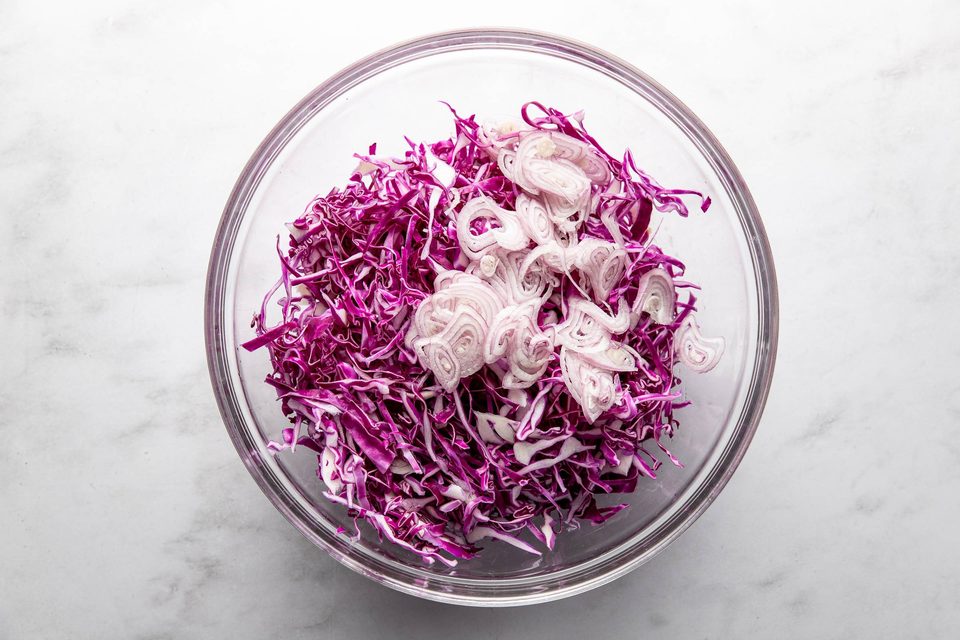
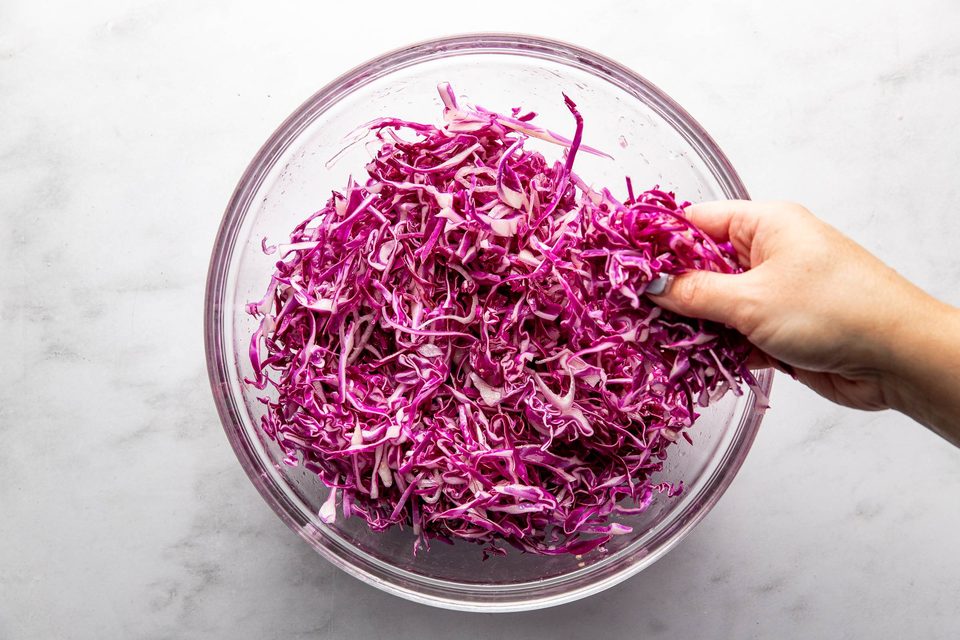
The secondary phase, the preparation of the ginger slaw, highlights the role of modern kitchen tools. The use of a mandoline slicer allows for the precise, thin shredding of cabbage and shallots, which is necessary to achieve the desired "crunchy-tender" texture. The final assembly, featuring the layering of coconut rice, the pan-seared or air-fried protein, and the fresh slaw, represents a move toward "bowl-style" eating, which has become a dominant trend in domestic food service due to its visual appeal and ease of portion control.
Supporting Data and Market Trends
Market research into consumer cooking habits indicates that "skillet chicken dinners" remain the most requested category of home-cooked meals in North America. Data suggests that recipes requiring less than 30 minutes of active kitchen time see an engagement rate 40% higher than those requiring longer prep times. The peanut chicken with ginger slaw fits squarely into this high-demand window.
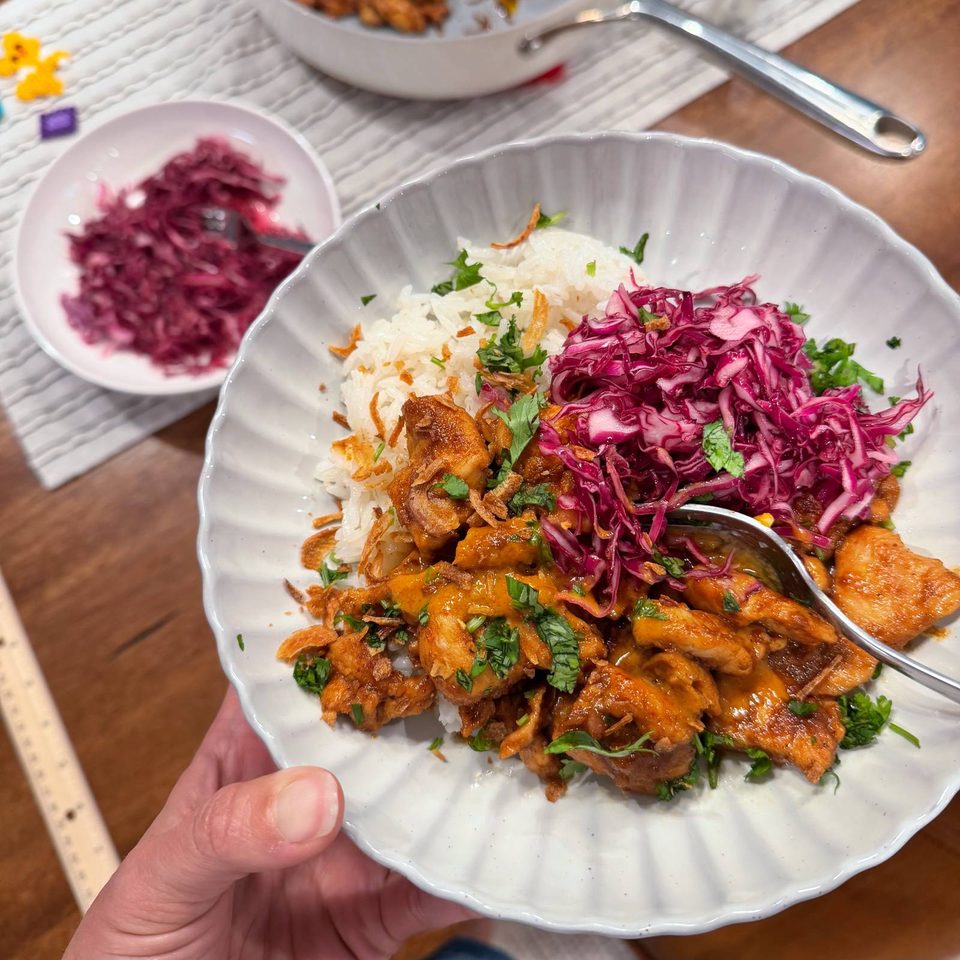
The economic implications of this dish are also significant. By utilizing accessible pantry staples like rice, cabbage, and shelf-stable peanut sauces, households can replicate a meal that would otherwise command a premium price point at a restaurant. Furthermore, the inclusion of ginger, a known anti-inflammatory ingredient, aligns with a broader consumer push toward "functional" or health-conscious cooking. Nutritional analysts have noted that the combination of lean protein and fiber-rich cruciferous vegetables—such as the cabbage used in the slaw—provides a balanced macronutrient profile that is often missing from traditional convenience foods.
Expert Perspectives and Methodological Analysis
Culinary experts often point to the "contrast theory" of flavor as the primary reason for the success of this dish. The "zingy" profile of the ginger slaw acts as a palate cleanser against the dense, fatty mouthfeel of the peanut butter-based sauce. From a professional kitchen standpoint, this is a classic technique used to balance heavy sauces.

"The success of a bowl-based meal relies on the structural integrity of its components," notes food systems analyst Dr. Aris Thorne. "When you pair a rich, heavy sauce like peanut satay with a high-acid, high-crunch element like ginger slaw, you are essentially engineering a balanced eating experience. The consumer is not just eating; they are experiencing a variety of textures and temperatures, which increases overall satisfaction."
The shift toward using non-stick cookware and high-heat methods, such as air frying, for the chicken component also marks a departure from traditional stove-top braising. By utilizing these methods, the protein retains its moisture while achieving the necessary char, further elevating the final product.
Broader Impact and Culinary Implications
The rise of the peanut chicken bowl reflects a larger societal trend: the democratization of global cuisine. The ability for a home cook to access complex, layered flavors—previously confined to specialized Thai or Southeast Asian eateries—without the need for extensive culinary training, is reshaping the home dining landscape.
This trend also impacts the retail sector. Large-scale grocers are increasingly stocking diverse, international-inspired sauces, recognizing that the modern shopper is looking for "globally-inspired" meals that can be executed on a Tuesday night. The success of the peanut chicken and ginger slaw is not merely a result of its flavor profile, but of its adaptability. It is a dish that permits modifications—such as substituting different types of cabbage, using various nut butters, or integrating different cooking methods—without losing its fundamental identity.
Environmental and Sustenance Factors
From an environmental sustainability perspective, the focus on cabbage and rice as primary ingredients is noteworthy. Cabbage is a highly resilient, low-water-usage crop that can be grown in various climates, and rice, when sourced responsibly, remains one of the most efficient caloric staples in the world. By centering a meal on these ingredients rather than resource-heavy proteins, the dish serves as an accessible entry point for consumers looking to reduce their environmental footprint without sacrificing the quality of their dining experience.
Conclusion
The peanut chicken with ginger slaw is more than a simple weeknight dinner; it is a synthesis of modern kitchen technology, global flavor trends, and the necessity for time-efficient, high-quality nourishment. As the culinary landscape continues to evolve, the emphasis will likely remain on these types of "deconstructed" meals, where the assembly of fresh, contrasting ingredients takes precedence over long-duration cooking techniques. For the home cook, the dish offers a sustainable, repeatable, and highly satisfying template for the future of domestic dining.
Looking ahead, as more households adopt these streamlined, flavor-forward methods, the demand for accessible, high-quality, pre-made components is expected to grow. This, in turn, will continue to challenge food manufacturers to maintain the integrity and health profiles of their products, ensuring that the convenience of modern cooking does not come at the cost of nutritional value or culinary excellence. The enduring popularity of the peanut chicken bowl serves as a benchmark for this new era of home cooking, proving that simplicity and complexity can indeed coexist on the dinner plate.