
Olive oil, a cornerstone of contemporary American culinary practices, remains a subject of widespread consumer knowledge gaps, particularly concerning its quality and freshness. Despite its ubiquity, many individuals struggle to discern the superior grades of this essential cooking medium from less refined alternatives. This in-depth exploration aims to demystify the complexities behind olive oil labels, empowering consumers to make informed choices based on substance rather than mere aesthetics. By delving into the nuances of Extra Virgin Olive Oil (EVOO) versus standard olive oil, the diverse flavor landscapes shaped by global growing regions, and the intricate processes that define their character, this article seeks to elevate consumer understanding of one of the world’s most cherished ingredients.
The Pinnacle of Purity: Extra Virgin Olive Oil (EVOO) Versus Refined Olive Oil
At the forefront of any discussion on quality olive oil, Extra Virgin Olive Oil (EVOO) stands as the undisputed champion for home chefs and culinary professionals alike. This designation signifies a product of exceptional quality, derived from the initial pressing of freshly harvested olives. The critical distinction lies in the extraction method: EVOO is produced through a cold-pressing process, meticulously avoiding the application of heat or chemical solvents. This traditional technique is paramount in preserving the inherent flavors, delicate aromas, and vital nutritional compounds naturally present in the olives.
The intrinsic flavor of EVOO is a complex tapestry woven from a multitude of factors. The specific olive varietals cultivated, the unique microclimate and soil composition of the growing region (terroir), and the precise stage of ripeness at which the olives are picked all contribute to the oil’s distinctive taste profile. These elements combine to create a spectrum of flavors ranging from peppery and bitter to fruity and mild, offering a rich sensory experience for the discerning palate.
In stark contrast, regular olive oil undergoes a more industrialized refining process. This treatment, while increasing the oil’s stability at higher temperatures, strips away much of the beneficial nutritional value and the nuanced flavor characteristics that define EVOO. While regular olive oil boasts a higher smoke point, making it seemingly suitable for high-heat cooking methods like frying and sautéing, culinary experts frequently suggest that other oils may offer a more appropriate and flavorful alternative for these applications. For those seeking a healthy, flavor-rich oil that adds depth and character to dishes, EVOO remains the ultimate choice, effectively concluding the search for a superior cooking fat.
The Art of Flavor: Navigating the Sensory Landscape of Olive Oil
The journey to discover the world’s finest olive oil, tailored to individual taste preferences, is an endeavor that rewards patience and dedicated tasting. Cultivating an appreciation for the diverse flavor profiles requires firsthand experience, allowing one’s palate to develop and discern subtle differences. To facilitate this exploration, it is beneficial to understand the most distinctive flavor characteristics emanating from prominent olive oil-producing regions worldwide.
This series of articles is dedicated to illuminating these iconic flavors, highlighting regional specialties, and exploring the rich traditions that underpin olive oil production across the globe. By examining the unique attributes of oils from various countries, consumers can begin to map out their personal flavor preferences and make more informed purchasing decisions. The pursuit of the perfect olive oil is not merely about selecting a cooking ingredient; it is an immersive journey into the agricultural heritage and culinary artistry of diverse cultures.
Global Terroir: The Influence of Growing Regions on Olive Oil Character
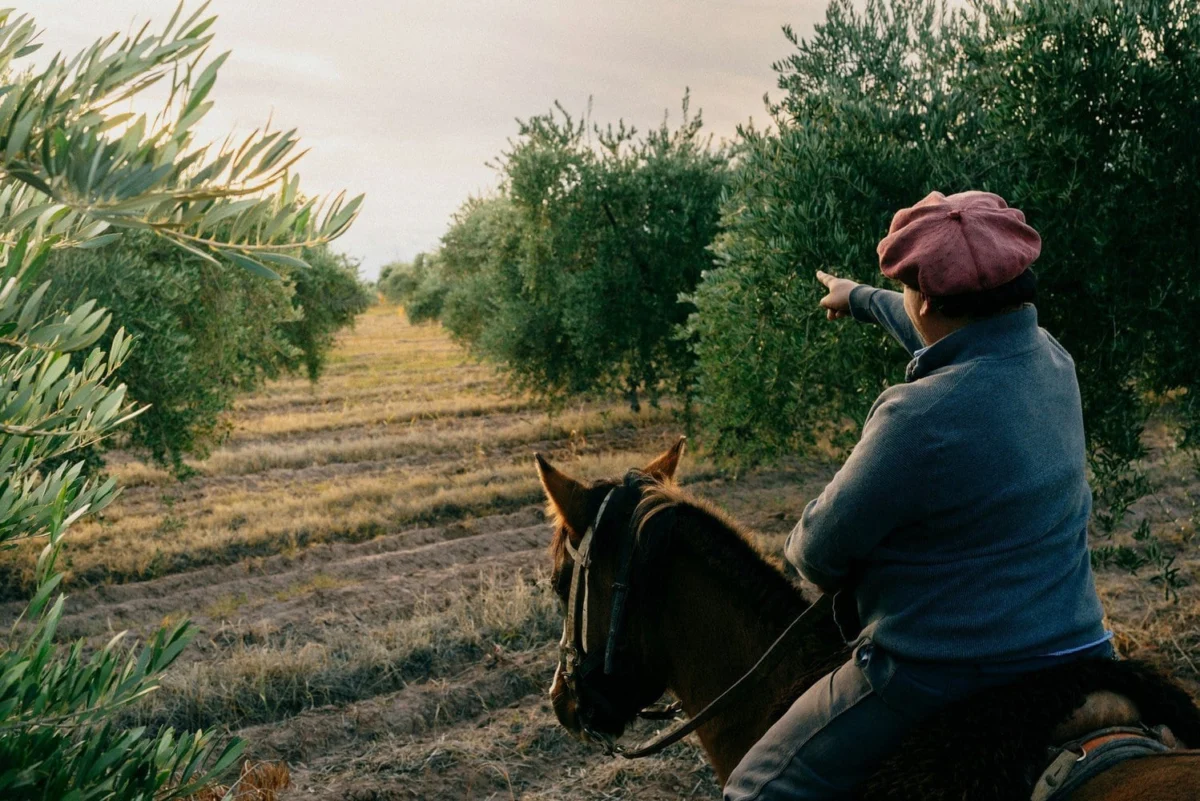
While certain origins, such as Italy, have achieved widespread recognition and established strong brand identities within markets like the United States, it is crucial to recognize that "Italian olive oil" represents only a fraction of the vast and intricate world of EVOO. The complexity extends far beyond broad national classifications. Within Italy alone, for instance, there are eighteen officially recognized distinct olive oil-producing regions, each possessing its own unique microclimate, soil conditions, and traditional olive varietals. This granular detail underscores the profound impact of geography on the final product.
Industry professionals consistently emphasize that the characteristics of olive oil become increasingly nuanced and specific as one delves deeper into its origins. To make this exploration more accessible and digestible for consumers, each article within this series will focus on a single country of origin. This structured approach allows for a comprehensive examination of each region’s unique contributions to the world of olive oil. Furthermore, this country-centric focus aligns with the common practice of labeling olive oil bottles in the US to clearly indicate their country of production, providing a tangible starting point for consumers.
Through interviews and consultations with leading industry experts from key olive-producing nations, this series aims to uncover the secrets that make their olive oils stand apart on the global stage. These conversations provide invaluable insights into the agricultural practices, historical cultivation methods, and the very essence of the terroir that imbues each regional oil with its distinctive personality.
Supporting Data and Expert Insights: Quantifying Quality and Origin
The global olive oil market is substantial, with production and consumption figures highlighting its economic significance. According to the International Olive Council (IOC), global olive oil production has historically fluctuated between 2.5 million and 3.5 million metric tons annually. Spain consistently leads production, followed by Italy and Greece, with significant contributions also coming from countries like Tunisia, Turkey, and Morocco. The United States, while a growing producer, primarily relies on imports to meet its domestic demand.
The demand for high-quality EVOO has seen a steady increase, driven by growing consumer awareness of its health benefits and culinary versatility. Research published in journals such as the Journal of Agricultural and Food Chemistry has consistently highlighted the presence of polyphenols in EVOO, powerful antioxidants linked to reduced inflammation and protection against chronic diseases. These scientific findings lend empirical weight to the consumer preference for EVOO over refined alternatives.
Industry experts, such as Dr. Giovanni D’Orsi, a renowned olive oil consultant and agronomist, emphasize the critical importance of traceability and transparency in the olive oil supply chain. "Consumers are increasingly seeking assurance that the olive oil they purchase is not only of the highest quality but also genuinely reflects its stated origin," Dr. D’Orsi notes. "This requires robust practices from cultivation to bottling, ensuring that the journey from grove to table is verifiable and authentic."
A Chronology of Olive Oil Appreciation: From Ancient Times to Modern Markets
The history of olive oil cultivation and consumption spans millennia, tracing back to the ancient Mediterranean civilizations. Archaeological evidence suggests that olive trees were first cultivated in the Fertile Crescent around 4000 BCE, with the oil being used for food, lamp fuel, and medicinal purposes. The Minoans and Mycenaeans in the Aegean, and later the Phoenicians, Greeks, and Romans, played pivotal roles in spreading olive cultivation and the use of olive oil throughout the Mediterranean basin.
During the Roman Empire, olive oil was an integral part of daily life, used extensively in cuisine, hygiene, and religious ceremonies. The Romans developed sophisticated techniques for olive cultivation and oil extraction, many of which form the basis of modern practices. Following the decline of the Roman Empire, olive cultivation persisted, with monasteries in medieval Europe becoming important centers for preserving and developing olive oil production.
The Age of Exploration and subsequent trade routes facilitated the dissemination of olive cultivation to new regions, including parts of the Americas. However, it was not until the late 20th and early 21st centuries that global awareness of olive oil’s health benefits and culinary excellence surged, leading to increased demand and a more sophisticated market. This modern era has witnessed a greater emphasis on quality control, regional specificity, and consumer education, transforming olive oil from a staple commodity into a gourmet ingredient appreciated for its nuanced flavors and health-giving properties.
Broader Impact and Implications: Health, Economy, and Culinary Innovation
The growing appreciation for high-quality olive oil has significant implications across multiple sectors. From a public health perspective, increased consumption of EVOO can contribute to healthier dietary patterns, potentially mitigating the risks of cardiovascular disease and other chronic illnesses. This trend aligns with global dietary guidelines that promote the Mediterranean diet, with olive oil as its cornerstone.
Economically, the olive oil industry supports millions of livelihoods worldwide, from small-scale farmers in traditional growing regions to large-scale producers and distributors in emerging markets. The demand for premium EVOO stimulates investment in sustainable agricultural practices, technological innovation in extraction and quality control, and fosters a vibrant global trade network. For countries with established olive-growing traditions, olive oil exports represent a vital source of revenue and cultural export.
Culinary innovation is also deeply intertwined with the evolution of olive oil appreciation. Chefs and home cooks are increasingly experimenting with different olive oils to enhance the flavors of their dishes, moving beyond simple cooking mediums to explore them as key flavor components. The availability of a wider range of regional olive oils, each with its unique taste profile, allows for greater creativity in the kitchen, inspiring new recipes and flavor combinations that celebrate the diversity of this ancient product. The ongoing exploration and education surrounding olive oil promise to further enrich our culinary experiences and understanding of global food traditions.