In an era defined by an increasing focus on household sustainability and the minimization of food waste, home cooks are continually seeking innovative ways to repurpose pantry staples. Among the most versatile yet underutilized items in many domestic kitchens is the humble jar of jam. Whether accumulated through a seasonal fruit windfall or forgotten after a shift in breakfast habits, aging preserves are frequently relegated to the dark recesses of pantry shelves. However, culinary experts and home economists are increasingly advocating for a simple, rapid transformation of these lingering spreads: the homemade jam crumble.
This comforting dessert concept bridges the gap between resourcefulness and indulgence, offering a quick-fix solution that requires minimal preparation time while yielding impressive results. By shifting the perspective of jam from a mere spreadable condiment to a foundational baking ingredient, households can breathe new life into older preserves, turning potential kitchen clutter into a celebrated post-dinner treat.
The Mechanics of the Jam Crumble Concept

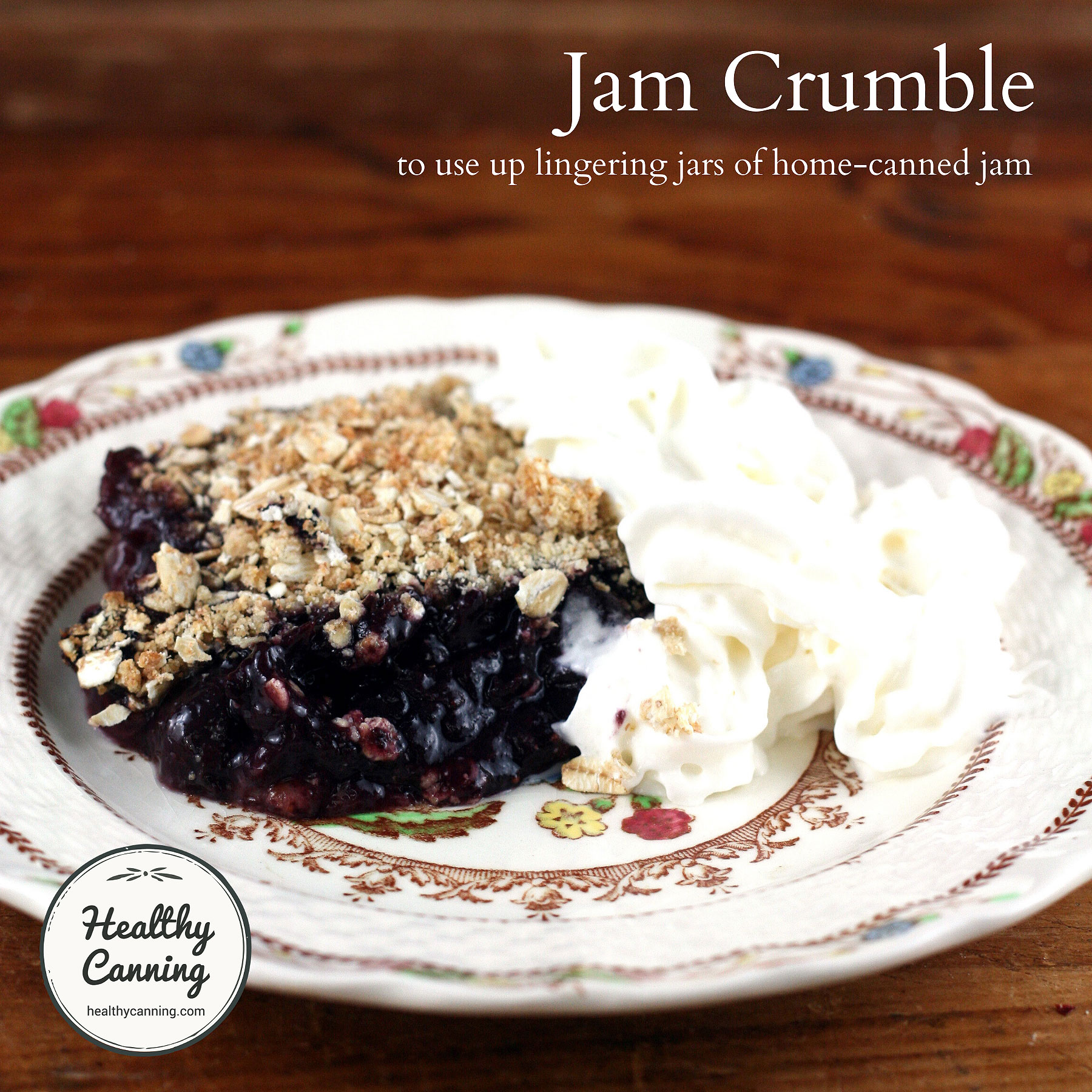
At its core, the jam crumble is less of a rigid recipe and more of a flexible culinary technique. Designed to yield approximately two cups of dessert—typically serving six individuals—the dish requires a standard oven temperature of 175°C (350°F) and an aggregate preparation and cooking time of roughly 45 minutes, split between 10 minutes of active prep and 35 minutes in the oven.
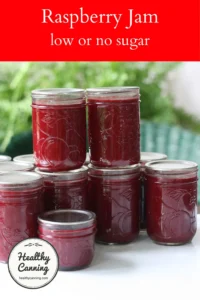
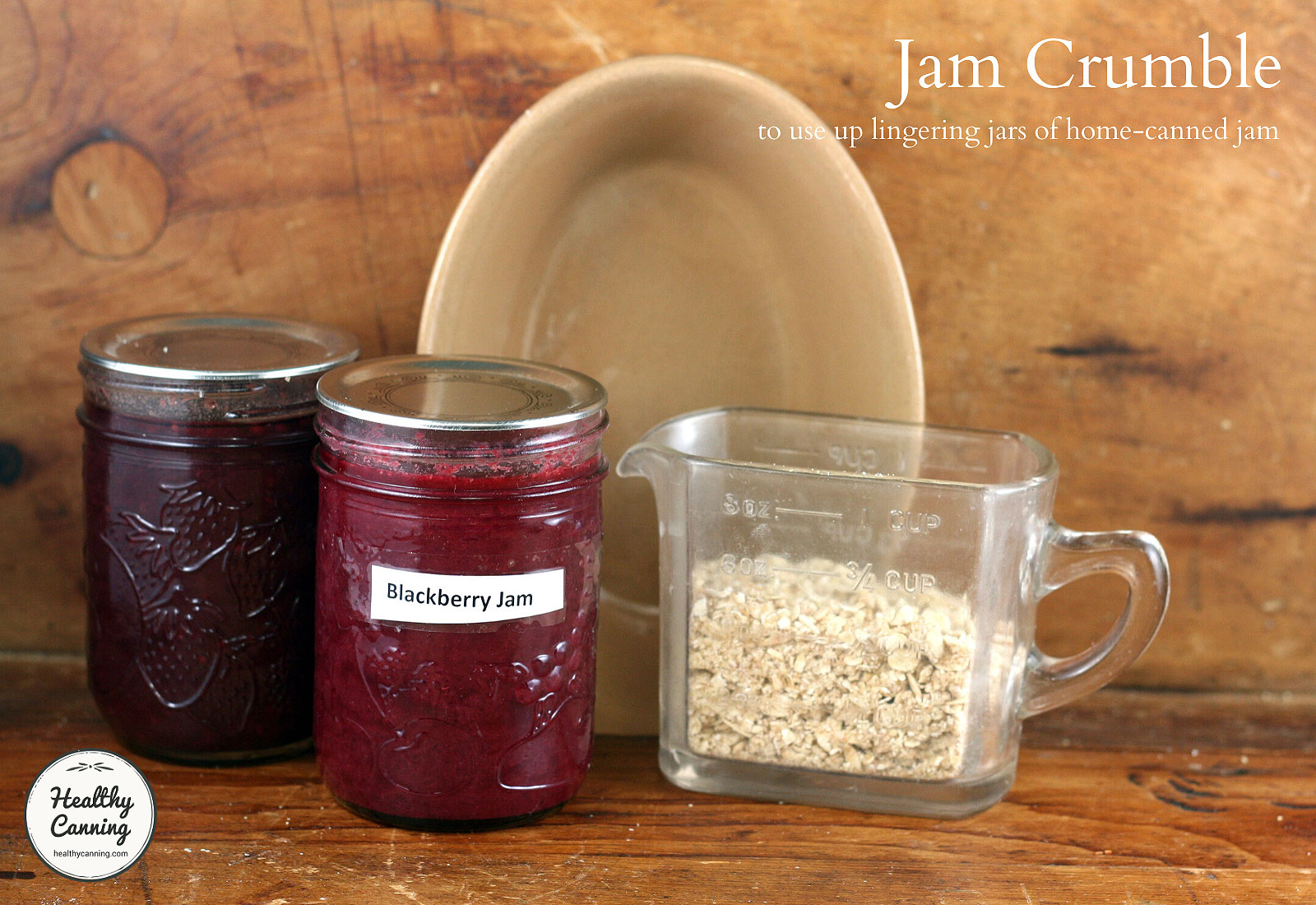
The primary component of the dish is the jam itself. Culinary guidelines suggest that two half-pint (250 ml) jars or a single one-pint (500 ml) jar serves as the ideal quantity for a standard baking dish. One of the creative advantages of this approach is the opportunity for flavor blending. Cooks can layer two distinct flavors of jam—such as tart rhubarb paired with sweet strawberry, or classic blackberry combined with apple butter—to create complex, multi-dimensional flavor profiles within a single dessert.
To balance the rich sweetness of the preserves, a traditional crumble topping is essential. While specialized baking mixes can expedite the process, a scratch-made topping requires only a handful of common kitchen staples: half a cup of rolled oats, two tablespoons of all-purpose flour, one tablespoon of sugar, a pinch of salt, and two tablespoons of cold butter rubbed into the dry mixture. For those looking to elevate the flavor profile, culinary professionals recommend incorporating aromatic spices such as cinnamon or nutmeg into the crumble matrix, alongside an optional adjustment of butter or sweetener depending on the tartness of the underlying jam.
The Broader Context of Food Waste and Pantry Management
The rising popularity of dishes like the jam crumble occurs against a backdrop of heightened global awareness regarding domestic food waste. According to agricultural and nutritional economists, a significant percentage of consumer-level food waste originates not from intentional discard, but from ingredient neglect—items purchased or produced with high enthusiasm that eventually languish in cupboards until their optimal quality windows have passed.
Home-canning enthusiasts, in particular, frequently encounter the challenge of surplus. During peak summer and autumn harvest seasons, fruit trees and garden plots often produce yields that far exceed immediate household consumption. Preserving this bounty through canning results in rows of jewel-toned jars lining pantry shelves. While properly canned preserves possess a remarkably long shelf life, their flavor and texture can subtly degrade over extended periods, or household consumption rates may simply slow down.
Culinary educators point out that repurposing these items into baked goods is an ideal method of inventory rotation. Rather than viewing an older jar of preserves as compromised, home cooks are encouraged to view it as a pre-cooked, highly concentrated fruit filling. Because jams already contain the necessary fruit sugars and pectin structures, they require no additional chopping, macerating, or stovetop reduction when deployed in a crumble format. This drastically reduces the labor barrier typically associated with fruit-based desserts.
Meal Preparation Efficiency and Freezer Management
In addition to reducing waste, the structural mechanics of the jam crumble lend themselves exceptionally well to modern meal-prep strategies. Time-motion studies in domestic efficiency suggest that batch cooking and component freezing significantly reduce weeknight meal stress.
The crumble topping used in this dessert is particularly amenable to scaling. Culinary advisors note that home cooks can easily triple or quadruple the dry-and-butter crumble mixture in a single session. By utilizing a portion for an immediate dessert and sealing the remaining dry mixture in an airtight container for freezer storage, future dessert preparation times are slashed to mere minutes. When a sweet craving arises or unexpected guests arrive, the frozen topping can be applied directly over a jar of thawed or room-temperature jam and placed straight into the oven.
Furthermore, this culinary concept aligns seamlessly with health-conscious lifestyle adjustments. Because the base ingredient can be freely interchanged, individuals monitoring their caloric intake or managing metabolic health can easily adapt the recipe. The use of commercially produced or home-canned low-sugar, reduced-calorie, or sugar-free jams allows dessert enthusiasts to align the dish with specialized dietary frameworks, such as Weight Watchers points systems or diabetic-friendly meal plans, without sacrificing flavor, texture, or the comforting ritual of a warm post-meal dessert.
Expert Perspectives and Culinary Implications
Food historians and domestic science commentators observe that the jam crumble is part of a broader historical lineage of "poverty cooking" and thrift-based baking that has undergone a modern renaissance. Throughout history, economic shifts and periods of scarcity have routinely inspired innovative methods of stretching ingredients and utilizing every available resource in the larder. Today, however, this behavior is driven less by strict economic necessity and more by a philosophical commitment to sustainability, intentional consumption, and the appreciation of home-crafted goods.
Master Food Preservers and culinary extension agents frequently emphasize that utilizing home-canned goods in cooked applications is an excellent way to ensure that preserved fruits are enjoyed to their fullest potential. As community canning groups and online preserving networks continue to grow, the exchange of creative recipes for surplus inventory remains a vibrant part of the modern culinary landscape.
Ultimately, the jam crumble transcends the status of a simple recipe; it represents a pragmatic mindset. By transforming forgotten pantry items into warm, aromatic, and deeply satisfying desserts, home cooks demonstrate that resourcefulness and culinary excellence are not mutually exclusive. As households continue to navigate the dual desires for culinary comfort and sustainable living, the practice of turning neglected preserves into golden-brown crumbles is poised to remain a permanent fixture in the modern repertoire of smart, efficient cooking.