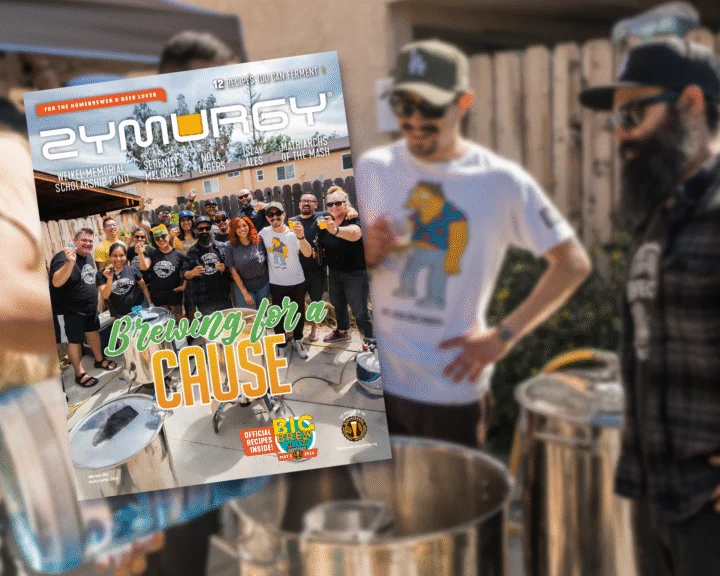

The American Homebrewers Association (AHA) has officially released the March/April 2026 edition of Zymurgy, its flagship publication, centering the issue on a theme titled "The Pivot." This latest installment arrives at a critical juncture for the global brewing community, addressing the multifaceted challenges of climate change, volatile economic landscapes, and a rapidly evolving consumer culture that is reshaping the traditional beer market. As the official voice of the organized homebrewing movement in the United States, Zymurgy continues its mission to provide technical expertise and community-focused journalism, featuring twelve new validated recipes and a series of deep-dive articles that bridge the gap between historical tradition and future survival.
The "Pivot" theme serves as a comprehensive examination of how both amateur and professional brewers are altering their methods to remain viable. According to industry analysts, the brewing sector has faced significant headwinds over the last several years, including fluctuating costs for raw materials such as malt and hops, as well as the increasing frequency of extreme weather events that threaten traditional agricultural cycles. By focusing on adaptation, this issue of Zymurgy provides a roadmap for enthusiasts to navigate these pressures while maintaining the quality and creativity that define the craft.

The Stoney Creek Homebrewers and the Weikel Memorial Scholarship
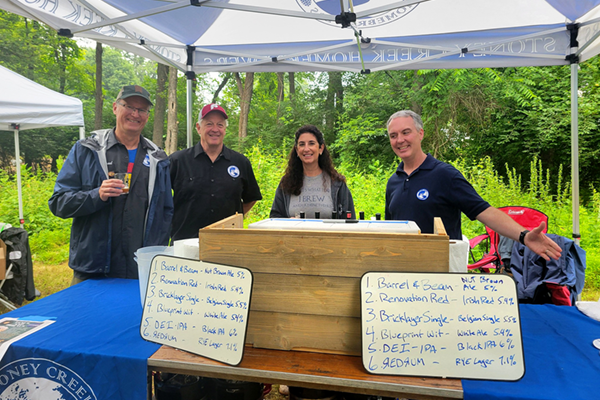
The cover story for the March/April 2026 issue, authored by noted brewing expert Josh Weikert, highlights the intersection of hobbyist passion and community philanthropy. The feature focuses on the Stoney Creek Homebrewers, a club founded in 2007 in Philadelphia. Initially established as a forum for shared learning and community service, the club’s mission took on a more profound significance following a tragic loss within their ranks.
The resulting Weikel Memorial Scholarship Fund represents a growing trend within the homebrewing world: the professionalization of the hobby through educational support. By establishing a scholarship, the Stoney Creek Homebrewers have created a pipeline for aspiring brewers to receive formal training, ensuring that the technical skills cultivated in basements and garages are preserved and elevated within the professional industry. This initiative reflects a broader movement where local clubs are no longer just social circles but are functioning as non-profit entities that contribute to the socio-economic health of their regions.
Reclaiming the History of Women in Brewing
A significant editorial pillar of this issue is an investigative feature into the "Matriarchs" of brewing. For decades, the narrative of brewing history has often focused on the industrialization era, which was largely dominated by men. However, historical research presented in this issue seeks to correct the record by exploring the centuries of work performed by women, traditionally known as "brewsters."
Before the rise of commercial guilds and industrial factories, brewing was primarily a domestic task managed by women. This feature explores how these contributions were systematically minimized or erased from the historical canon. By providing a global portrait of women’s legacy in fermentation—from the alewives of medieval Europe to the indigenous women brewers of South America and Africa—Zymurgy aims to provide a more inclusive and accurate representation of the craft’s origins. This historical reclamation is particularly relevant today as the industry strives for greater diversity and inclusion within its professional ranks.
Regional Spotlights: From New Orleans to Islay
The March/April 2026 issue also offers extensive regional reporting, showcasing how geography and local culture dictate brewing trends. One feature explores the surprising evolution of the lager scene in New Orleans. Long considered a "desert" for bottom-fermented beers due to the region’s intense heat and humidity, New Orleans has seen a dramatic shift over the last five years. While Abita Brewing Company has long been the lone stalwart of the region, a new wave of craft brewers has embraced lager production, utilizing modern refrigeration and fermentation controls to produce crisp, clean styles that are increasingly favored by local consumers over heavier, high-alcohol alternatives.
In a sharp contrast of climate and tradition, the magazine travels to the island of Islay in Scotland. Known globally for its smoky, peat-heavy Scotch whiskies, Islay is now seeing a resurgence in its brewing identity. The feature follows Donald MacKenzie and Mackay Smith, who drew inspiration from the Scottish Craft Brewers homebrew club to establish Islay Ales. Their work represents a "pivot" of a different kind—integrating the island’s famous peated malt profiles into beer, thereby creating a bridge between the world-renowned spirits industry and the local craft beer movement.

Fermentation in Extreme Environments
Addressing the climate aspect of "The Pivot," contributor Art Fitzsimmons provides a fascinating look at indigenous fermentation practices in some of the hottest regions of North America. As global temperatures rise, the methods used by indigenous peoples to ferment fruit and grains in inhospitable climates offer vital lessons for modern brewers. This feature examines how heat-tolerant yeast strains and local flora are utilized to create stable, fermented beverages under conditions that would typically spoil standard commercial brews. This exploration of "fermenting spirit" serves as both a cultural study and a technical resource for brewers looking to adapt to a warming planet.
Technical Resources and Validated Recipes
At the core of Zymurgy’s value proposition is its commitment to technical accuracy. The March/April 2026 issue includes twelve recipes that have been vetted for consistency and quality. These recipes span a wide range of styles, reflecting the diverse interests of the AHA membership. By providing these resources, the magazine ensures that homebrewers have access to "validated" data, which is essential for those looking to refine their processes or transition into professional brewing.
The inclusion of these recipes is paired with insights from Editor-in-Chief Dave Carpenter. Carpenter, who has been a prominent figure in beer journalism since 2009, emphasizes the importance of "geeking out" on both the science of beer and the language used to describe it. Under his leadership, the magazine has maintained a balance between accessible content for beginners and high-level technical analysis for veteran brewers.

The Economic and Social Implications of the Digital Shift
As noted in the publication’s announcement, the full content of Zymurgy remains a benefit of membership in the American Homebrewers Association. This model reflects the broader economic reality of niche publishing in 2026. By gatekeeping high-value, validated content, the AHA is able to fund its advocacy work, which includes lobbying for homebrewers’ rights and supporting small-scale fermentation science.
For those not yet enrolled, the AHA offers a digital preview and a subscription model priced at $4.99, a strategy designed to lower the barrier to entry for the next generation of brewers. This digital-first approach allows for a more interactive experience, including "Online Previews" that allow potential members to sample the quality of the journalism before committing to a full membership.
Broader Industry Impact and Future Outlook
The release of this issue of Zymurgy underscores the resilience of the homebrewing community. Despite the "economic pressures" mentioned in the issue’s theme, the drive to create and innovate remains strong. The "Pivot" is not merely about survival; it is about the evolution of the craft. As brewers adapt to new ingredients, such as drought-resistant grains or experimental hop varieties, they are effectively conducting the R&D that will eventually influence the commercial craft beer market.

Furthermore, the focus on scholarships and historical legacy suggests that the community is looking inward to strengthen its foundations. By honoring the past (through the study of brewsters) and investing in the future (through the Weikel Memorial Scholarship), the American Homebrewers Association is positioning itself as a vital guardian of brewing culture.
In conclusion, the March/April 2026 issue of Zymurgy is more than a collection of recipes and stories; it is a document of a culture in transition. It acknowledges the difficulties of the current era—climate change, inflation, and shifting social norms—while providing the technical and communal tools necessary to thrive. As the brewing world continues to face an uncertain future, the lessons of "The Pivot" will likely serve as a foundational text for brewers around the world, reminding them that adaptation is the most essential ingredient in any successful ferment.