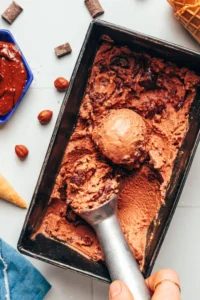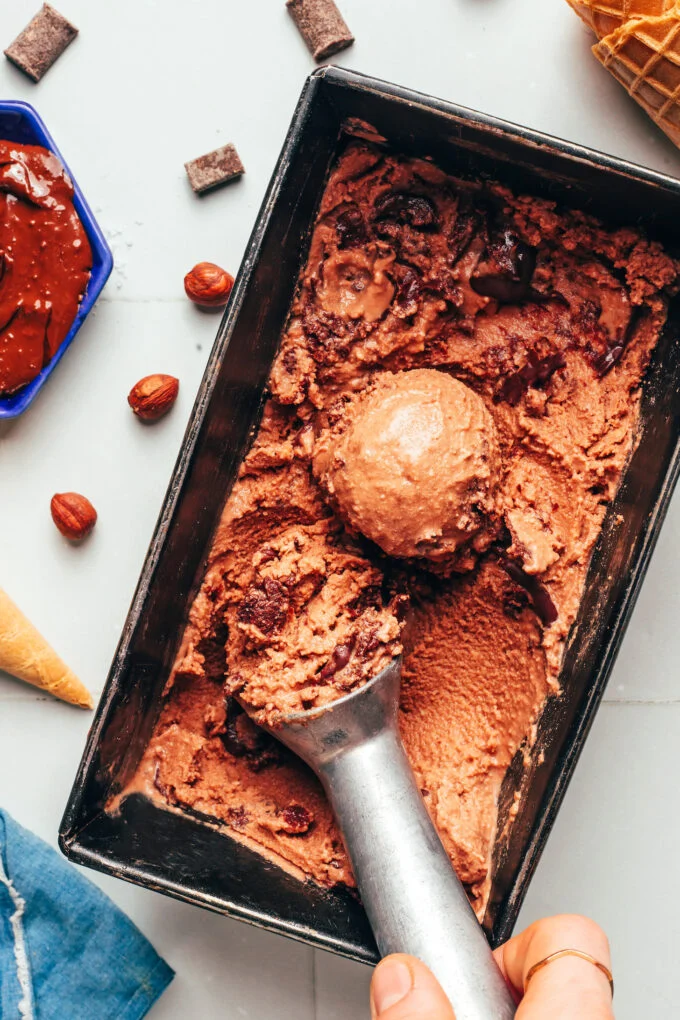

The culinary landscape of plant-based desserts has reached a new milestone with the introduction of a streamlined, six-ingredient vegan chocolate-hazelnut ice cream, a recipe designed to replicate the flavor profile of the world-renowned Nutella spread while adhering to strict dietary restrictions. As the demand for dairy-free alternatives continues to surge globally, this development highlights a broader trend in the food industry: the shift toward "clean label" DIY alternatives that offer transparency in ingredients without sacrificing the indulgent textures traditionally associated with premium gelato. By utilizing a base of roasted hazelnuts and coconut milk, the recipe addresses the historical challenge of achieving a "fluffy" and "creamy" mouthfeel in vegan frozen desserts, which often suffer from icy textures due to a lack of animal-derived fats.
The Evolution of Plant-Based Confections
The emergence of this six-ingredient recipe comes at a time when the vegan ice cream market is experiencing unprecedented growth. Market analysis reports suggest that the global plant-based ice cream sector is projected to expand at a compound annual growth rate (CAGR) of approximately 9% through 2030. This growth is driven by a combination of rising lactose intolerance, environmental concerns regarding dairy farming, and a general consumer shift toward veganism and flexitarianism.
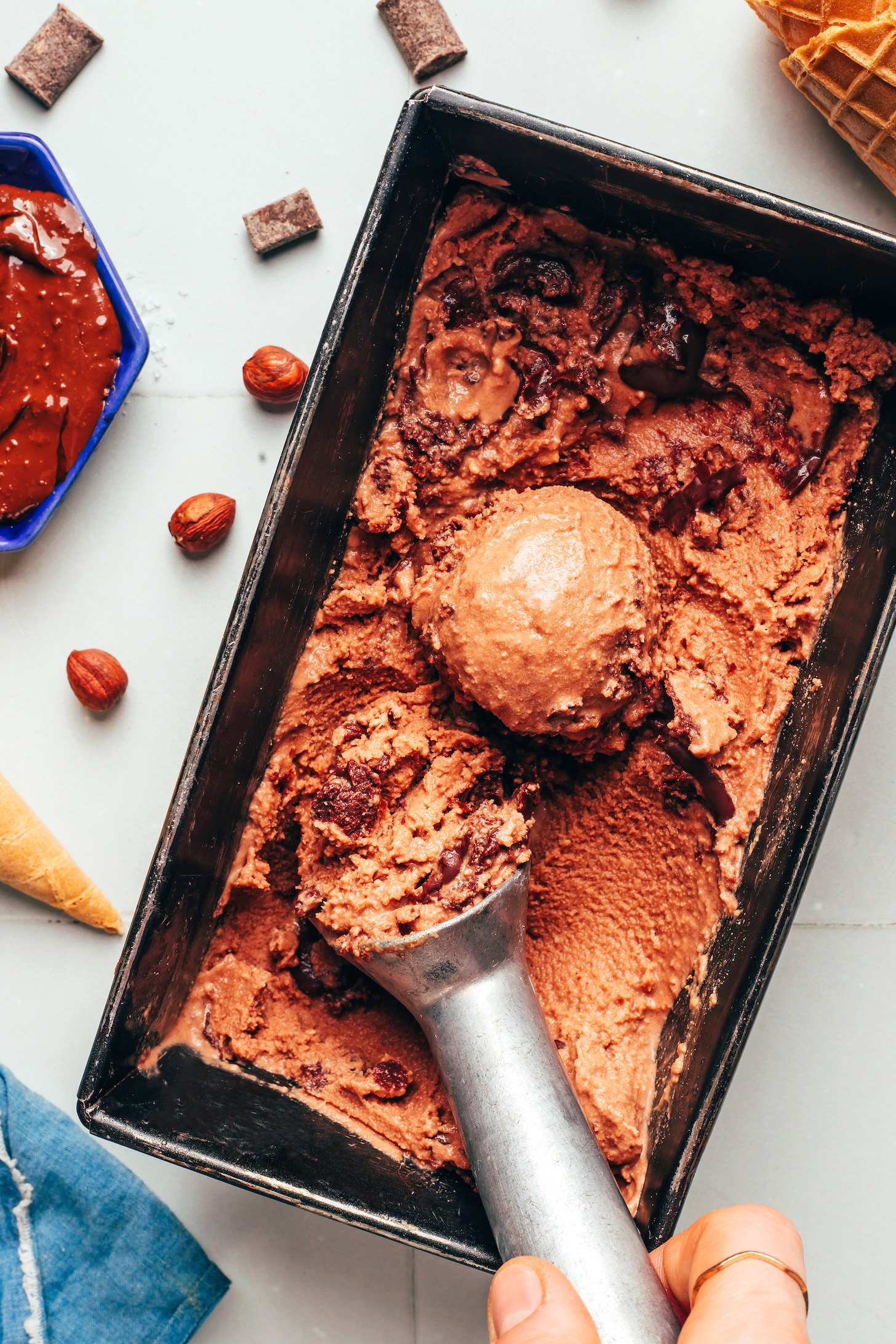
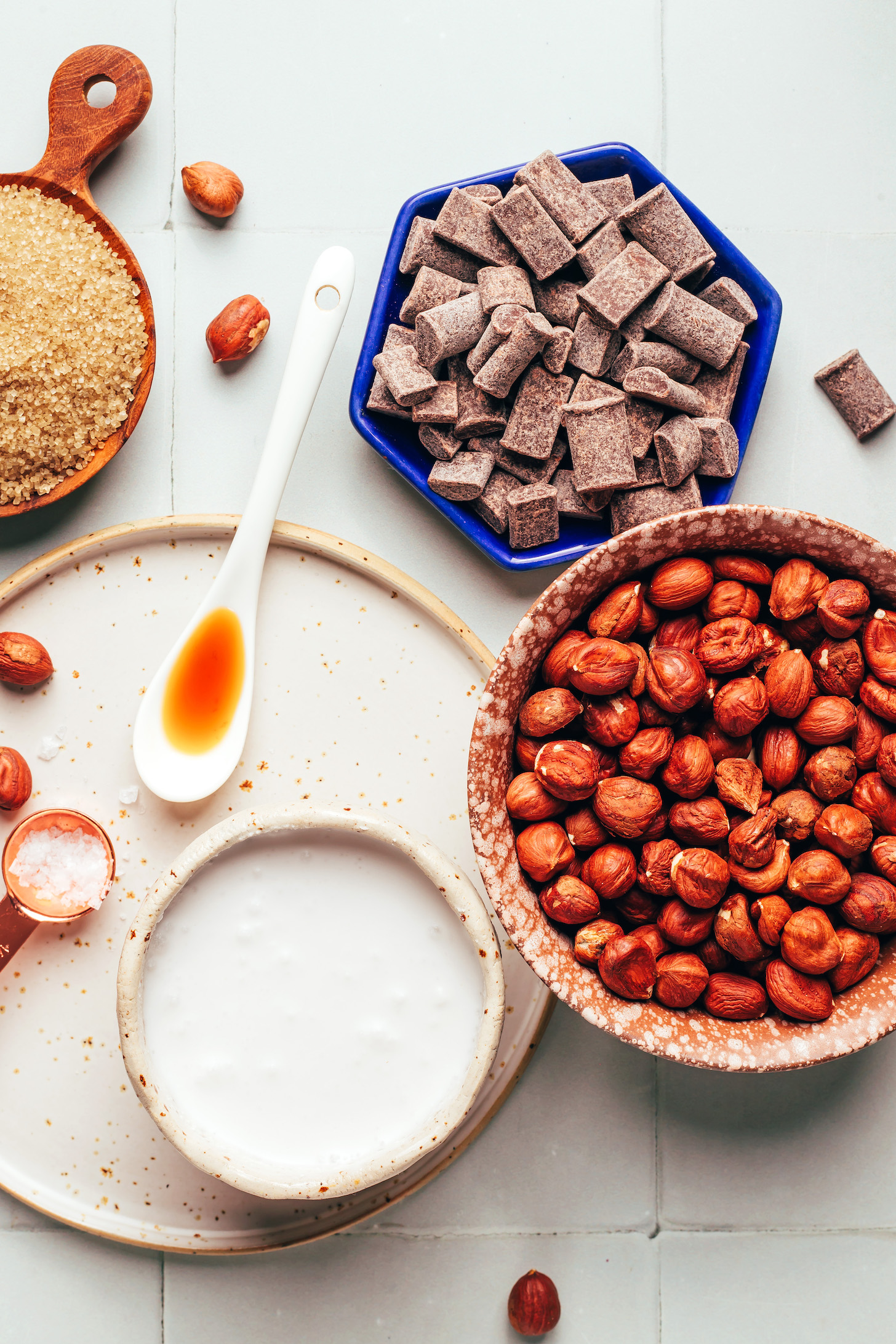
Minimalist Baker, a platform known for its "10 ingredients or less" philosophy, has positioned this Nutella-inspired ice cream as a "masterpiece" for the summer season. The recipe’s reliance on whole-food ingredients—hazelnuts, chocolate chunks, coconut milk, cane sugar, vanilla, and salt—reflects a growing consumer preference for avoiding the stabilizers and artificial flavors often found in commercial dairy-free pints.
Technical Breakdown: The Six-Ingredient Framework
The efficacy of the recipe lies in its chemical composition and the specific role each of the six ingredients plays in the freezing process.
- Hazelnuts: Serving as the structural and flavor foundation, the hazelnuts provide natural oils that contribute to the fat content necessary for a smooth emulsion.
- Chocolate Chunks: When melted and blended with the nuts, the chocolate provides the cocoa solids and lecithin required to stabilize the "Nutella" base.
- Light Coconut Milk: Chosen for its liquid consistency and subtle flavor, it acts as the primary hydrating agent. The recommendation to use brands with emulsifiers like guar gum is a technical necessity; these additives prevent the separation of water and fat, ensuring the ice cream does not become a block of ice.
- Cane Sugar: Beyond sweetness, sugar is a critical anti-freezing agent. It lowers the freezing point of the mixture, allowing it to remain scoopable at sub-zero temperatures.
- Vanilla and Salt: These serve as flavor enhancers, with salt specifically working to balance the bitterness of the dark chocolate and the earthiness of the roasted nuts.
Chronology of Production: From Raw Nut to Frozen Scoop
The process of creating this vegan gelato follows a precise chronological sequence designed to maximize flavor extraction and textural integrity.
Phase I: The Roasting and De-skinning (0–30 Minutes)
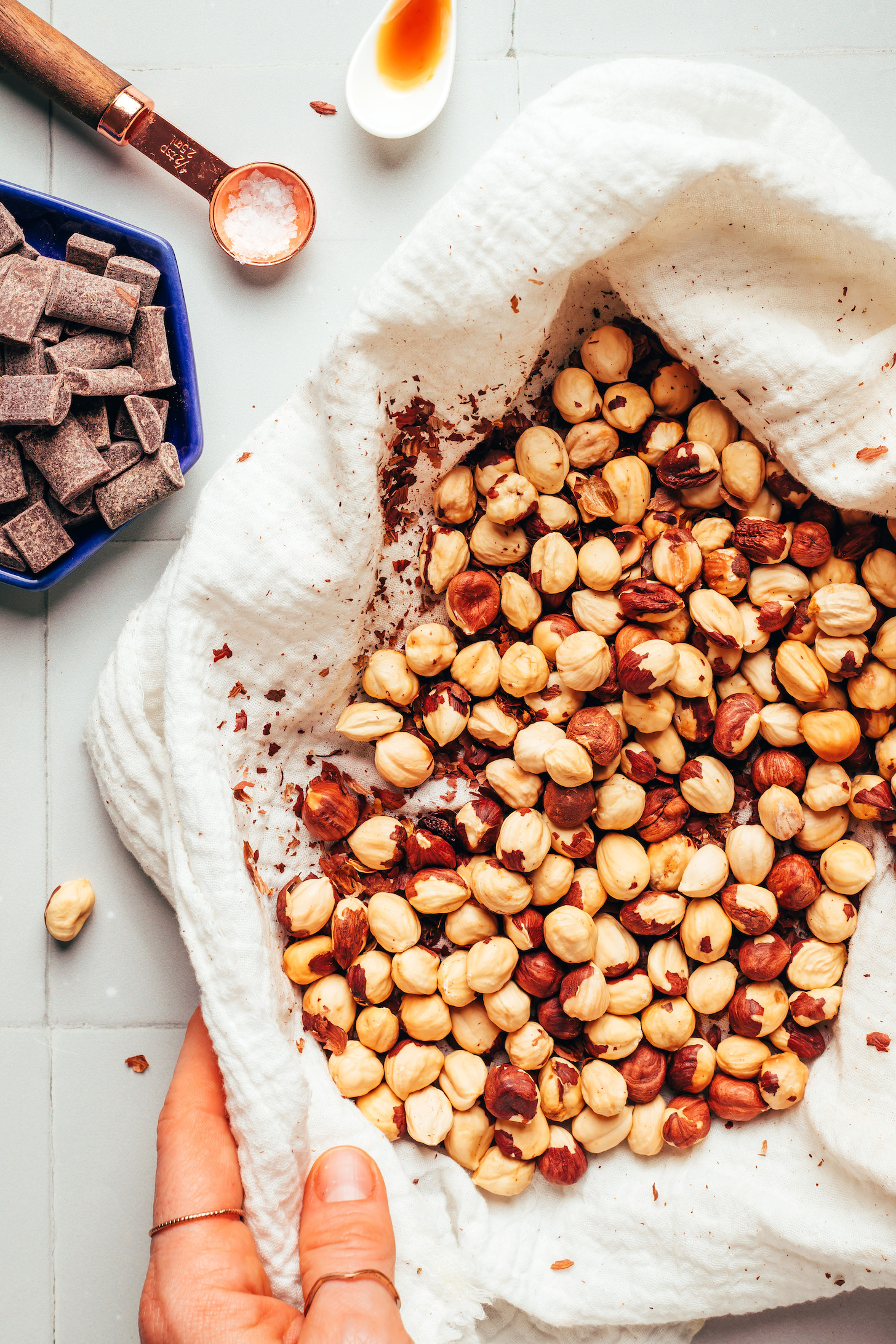
The process begins with the roasting of raw hazelnuts. This step is non-negotiable for flavor development. Thermal application triggers the Maillard reaction, a chemical reaction between amino acids and reducing sugars that gives browned food its distinctive flavor. Furthermore, heat loosens the hazelnut skins, which contain tannins that can impart a bitter, astringent quality to the ice cream if not removed.
Phase II: Emulsification and Base Construction (30–60 Minutes)
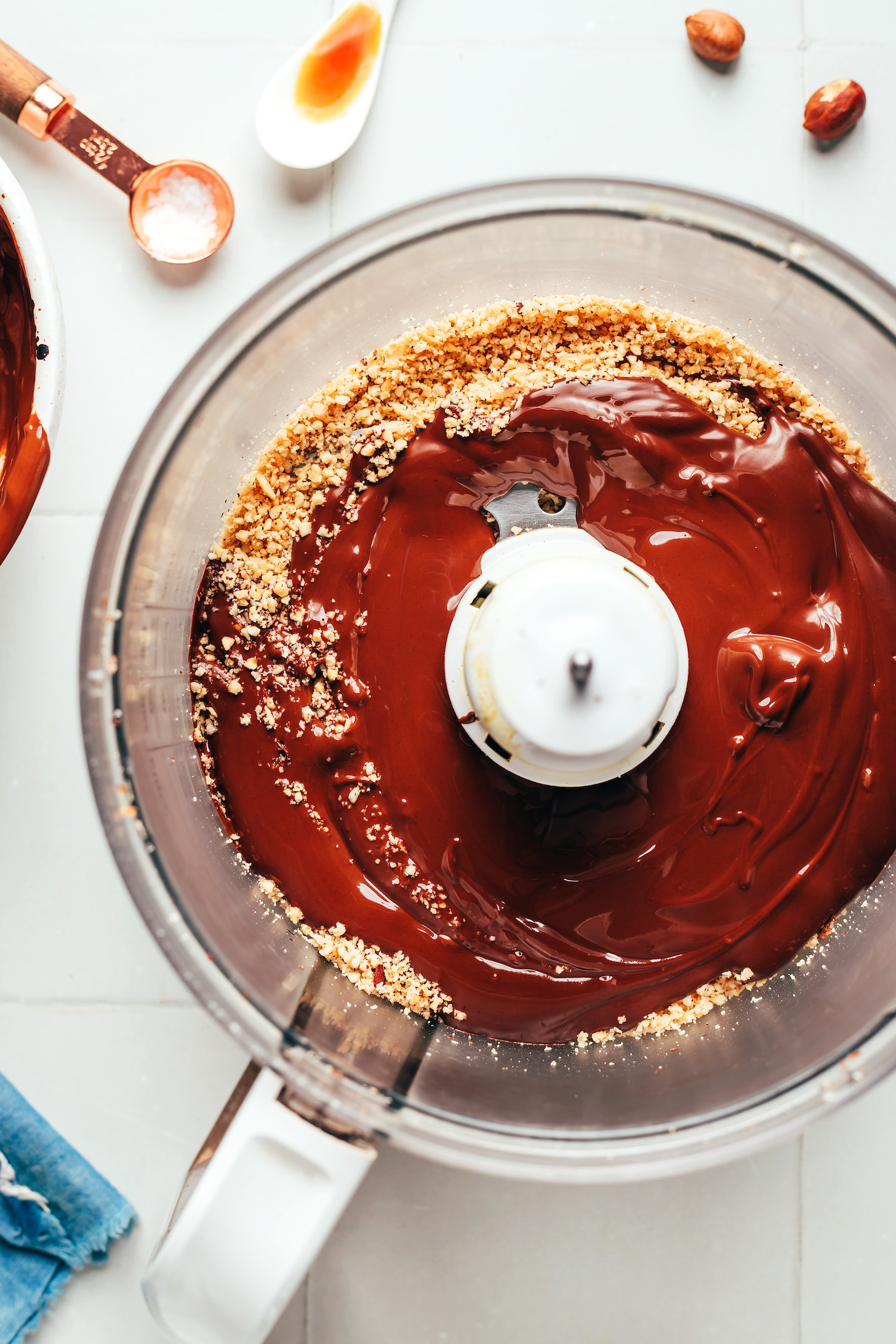
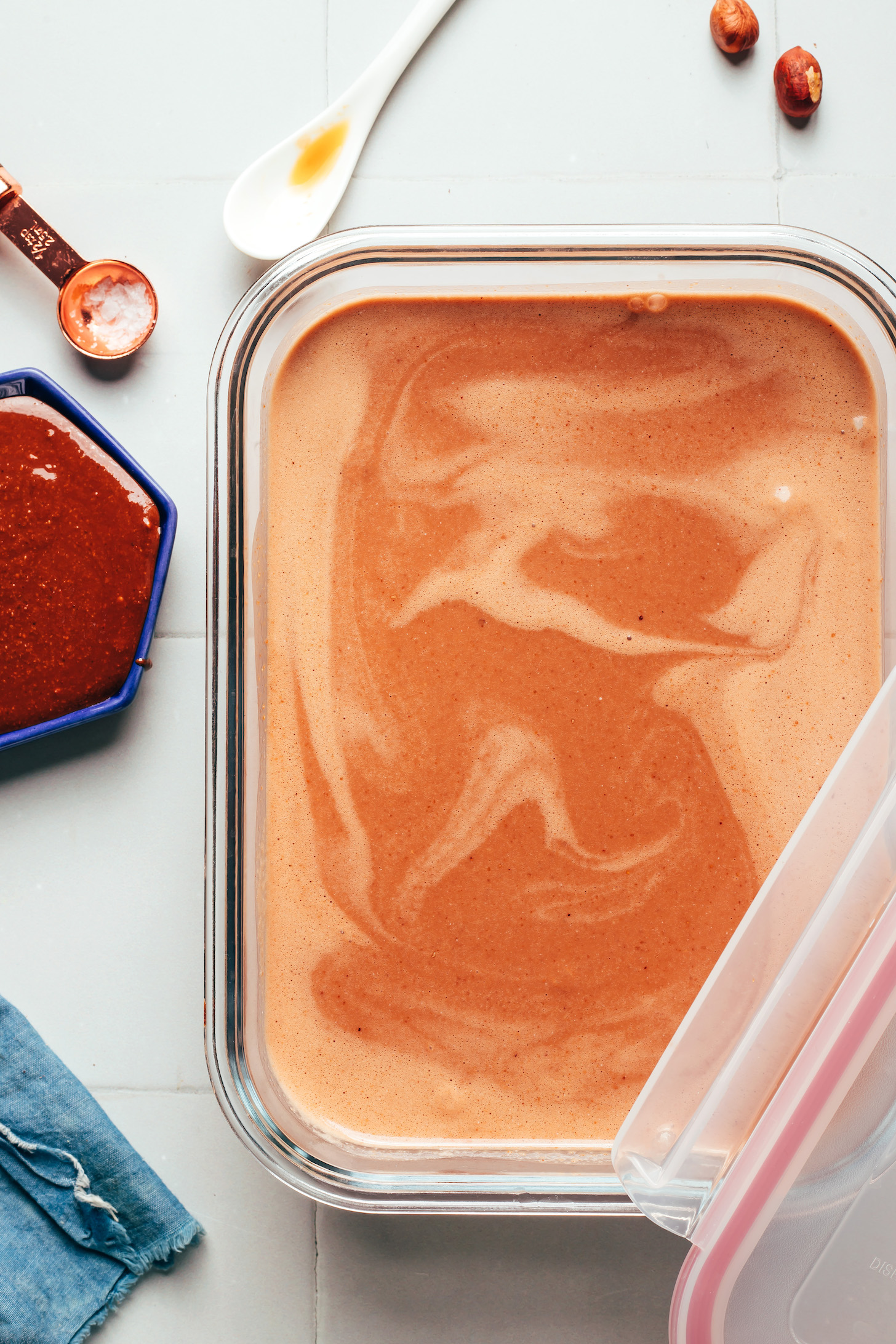
Once roasted and cleaned, the hazelnuts are pulverized in a high-speed blender alongside melted vegan chocolate. This creates a makeshift "Nutella" spread. A portion of this spread is reserved to be used as a "swirl" later in the process, a technique used by professional gelaterias to provide varied textures within a single scoop. The remaining spread is then blended with the coconut milk, sugar, vanilla, and salt.
Phase III: The Maturation Period (1–3 Hours)
The blended mixture requires a mandatory chilling period. In food science, this is known as the "aging" of the mix. Chilling the base to at least 40°F (4°C) before churning allows the vegetable fats to crystallize and the proteins to hydrate, which results in a smoother final product and a faster churn time.
Phase IV: Churning and Incorporation (3 Hours+)
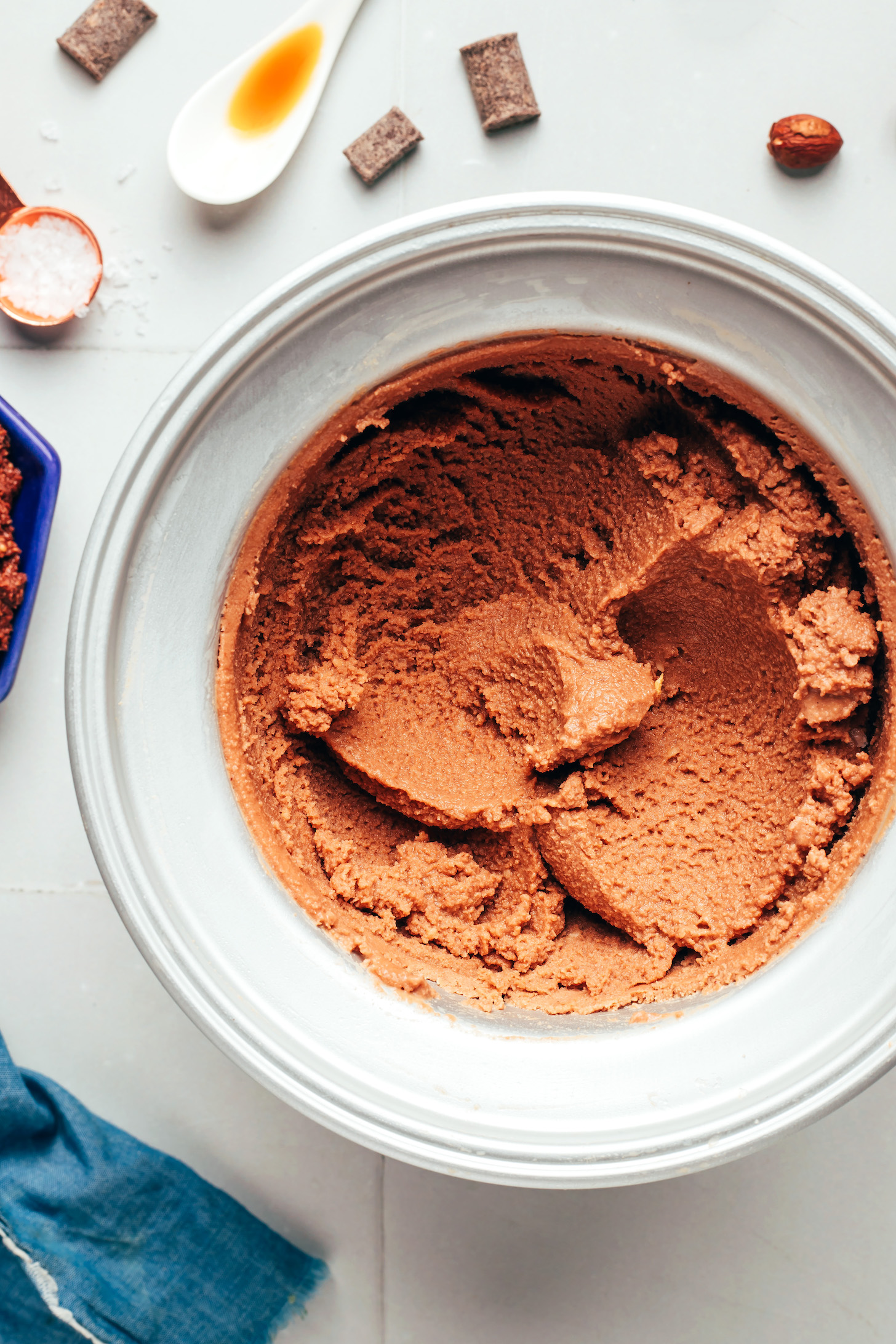
The chilled base is processed in an ice cream maker for approximately 30 minutes. During this stage, air is incorporated into the mixture—a process known as "overrun." Without air, the dessert would be a dense, unpalatable frozen solid. In the final minutes of churning, the reserved hazelnut-chocolate mixture is folded in to create the signature Nutella swirls.
Nutritional Profile and Comparative Data
The nutritional data provided for this recipe indicates a calorie count of 277 per half-cup serving. While this is comparable to traditional dairy-based premium ice creams, the fat composition differs significantly.
- Total Fat: 21.2g (of which 9.4g is saturated).
- Carbohydrates: 21.5g.
- Protein: 3.6g.
- Fiber: 2.8g.
Compared to traditional Nutella, which contains skimmed milk powder and palm oil, this DIY vegan version utilizes the natural fats from hazelnuts (monounsaturated fats) and coconut milk. The inclusion of 2.8g of fiber per serving is notably higher than many commercial dairy ice creams, which typically contain negligible amounts of dietary fiber.
Market Context: The "Anti-Palm Oil" Movement
One of the implied benefits of this recipe is the exclusion of palm oil, a primary ingredient in commercial Nutella. The palm oil industry has faced intense scrutiny over the last decade due to its links to deforestation in Southeast Asia and the destruction of orangutan habitats. By providing a recipe that creates a chocolate-hazelnut spread from scratch using only nuts and chocolate, the recipe appeals to the environmentally conscious "ethical consumer" who seeks to enjoy classic flavors without contributing to ecological degradation.
Expert Analysis of Implications
Food industry experts suggest that the popularity of such recipes indicates a "democratization of gourmet food." Previously, high-quality vegan gelato was only available in specialty shops in major metropolitan areas. Now, with the rise of affordable home ice cream makers and accessible online tutorials, consumers are increasingly capable of producing professional-grade desserts in a domestic setting.
Furthermore, this recipe highlights the "Minimalist" trend in modern cooking. The move away from complex, 20-ingredient lists toward 6-ingredient "masterpieces" suggests a fatigue with ultra-processed foods. Consumers are looking for recipes that they can trust, where every ingredient is recognizable and serves a clear purpose.
Reactions and Broader Impact
While official statements from major confectionery brands like Ferrero (the makers of Nutella) are rarely issued regarding DIY recipes, the market’s response is clear. Ferrero itself recently announced plans to launch a plant-based version of Nutella in select European markets, a move that many analysts believe is a direct response to the massive popularity of vegan "Nutella" recipes circulating on platforms like Instagram and Pinterest.
The broader impact of this recipe extends beyond the kitchen. It serves as a case study in how digital platforms like Minimalist Baker influence global food trends. By tagging photos with #minimalistbaker, a community of home cooks creates a feedback loop that reinforces the demand for dairy-free, gluten-free, and refined-sugar-free options.
Conclusion and Future Outlook
The Vegan Nutella Ice Cream recipe represents a convergence of several key trends: the rise of veganism, the demand for sustainable ingredients, and the resurgence of home-based "from scratch" cooking. As summer temperatures rise and the search for "refreshing yet satisfying" treats increases, this six-ingredient model provides a blueprint for future dessert innovation.
The success of this recipe hinges on its simplicity and its ability to solve the "texture problem" that has long plagued the dairy-free industry. By leveraging the natural fats of hazelnuts and the emulsifying properties of coconut milk, it offers a viable, ethical, and highly palatable alternative to traditional frozen confections. As the plant-based movement continues to mature, the focus will likely remain on these types of "high-reward, low-complexity" recipes that make specialized diets accessible to the general public. For those adhering to vegan or dairy-free lifestyles, the message is clear: the "Nutella lover’s dream" is no longer restricted to the dairy aisle.