
The American Homebrewers Association (AHA) has officially entered a transformative phase in its nearly five-decade history, transitioning into a fully independent, stand-alone nonprofit organization. This move, characterized by the leadership as a "watershed year" for the hobby, marks a significant departure from its previous governance structure and signals a renewed focus on grassroots advocacy, community building, and educational expansion. As of November 2024, the association has reported substantial progress in its foundational restructuring, setting the stage for an ambitious 2025 and 2026 roadmap that aims to put a homebrewer in every neighborhood and a homebrew club in every community.
The shift to independence represents more than just an administrative change; it is a strategic pivot designed to give the AHA greater agility in responding to the evolving needs of the homebrewing community. For years, the AHA operated under the umbrella of the Brewers Association (BA), a trade group primarily focused on commercial craft breweries. While that partnership provided a stable foundation, the new independent status allows the AHA to dedicate 100% of its resources, staff, and advocacy efforts exclusively to the amateur brewing sector. This autonomy is expected to streamline decision-making and ensure that membership dues are reinvested directly into programs that benefit homebrewers of all skill levels.
A Strategic Vision for Global Homebrewing
At the heart of this transition is a newly unveiled Strategic Plan, which outlines a bold vision for the future of the hobby. The primary objective—"A homebrewer in every neighborhood and a homebrew club in every community"—serves as the North Star for the association’s upcoming initiatives. This goal reflects an understanding of the social and cultural value of homebrewing, positioning it not just as a hobby, but as a catalyst for local community engagement.
To achieve this, the AHA has identified several key pillars of growth:
- Accessibility: Reducing barriers to entry for new brewers through enhanced educational resources and beginner-friendly content.
- Diversity and Inclusion: Expanding the reach of the hobby to underrepresented demographics to ensure a vibrant and varied brewing culture.
- Local Support: Providing more robust tools for homebrew clubs to organize, recruit members, and maintain legal compliance.
- Advocacy: Strengthening the association’s voice in legislative matters, particularly regarding the transport and sharing of homebrewed beverages.
Chronology of the Transition: From April Updates to November Momentum
The path to independence has been a meticulous process. Following a pivotal board update in April 2024, the AHA began the complex legal and operational task of separating its assets and governance from the Brewers Association. By the third quarter of 2024, the AHA had successfully established its own independent nonprofit entity, a move that required the formation of a founding board of directors composed of veteran homebrewers, industry experts, and community leaders.
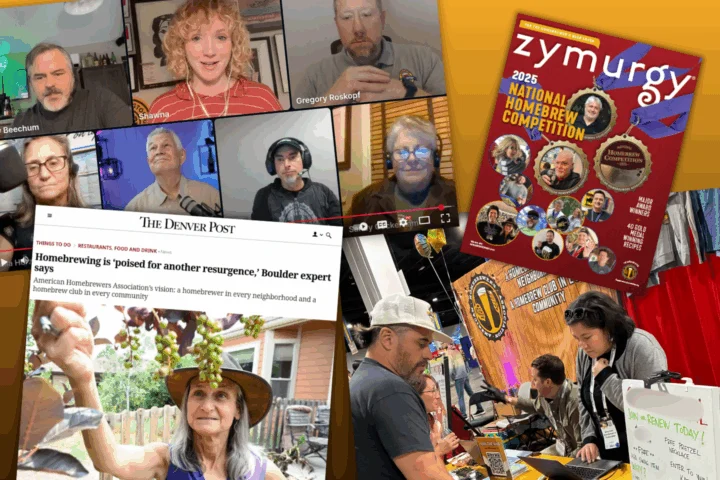
Throughout the summer and fall of 2024, the association focused on stabilizing its core offerings while building the infrastructure for its future. This included securing the rights and intellectual property for Zymurgy Magazine, the flagship publication that has served as the definitive resource for homebrewers since 1978. Additionally, the AHA maintained the continuity of the National Homebrew Competition (NHC), the world’s largest amateur brewing competition, ensuring that the transition did not disrupt the prestigious awards cycle.
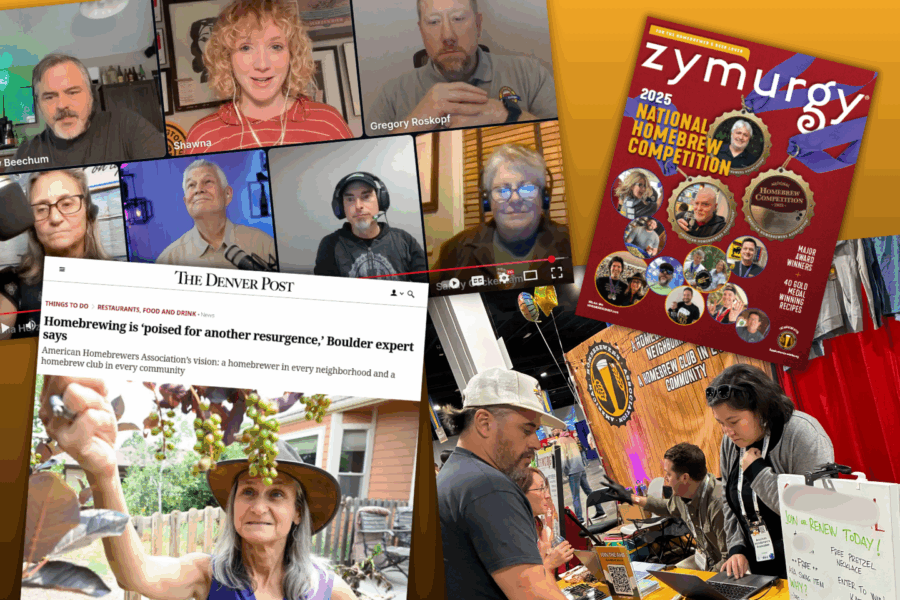
The November update serves as a progress report for these efforts. The leadership has confirmed that the legal groundwork is complete, and the organization is now operating with its own dedicated budget and staff. This milestone is being celebrated with a special "Zymurgy Live" event on November 5, which, in a rare move, is open to the general public rather than being restricted to paying members. This "open house" approach is intended to showcase the new AHA to the broader brewing world and invite lapsed members to return to the fold.
Data and Impact: The Role of the AHA in the Craft Beer Ecosystem
The importance of the AHA extends beyond the individual hobbyist. Historically, homebrewing has served as the primary "R&D lab" for the commercial craft beer industry. A significant majority of professional brewers in the United States began their careers in a kitchen or garage with a five-gallon carboy. By fostering a healthy homebrewing ecosystem, the AHA directly contributes to the innovation and talent pipeline of the $28 billion U.S. craft beer market.
According to industry data, there are an estimated 1.1 million homebrewers in the United States who brew roughly 1.4 million barrels of beer annually. These enthusiasts support a specialized retail sector of homebrew supply shops, many of which are small, family-owned businesses. The AHA’s move to independence is seen by many as a vital step in supporting these local businesses, which have faced challenges in recent years due to changing consumer habits and economic pressures.
The AHA’s advocacy work also carries significant weight. In the past, the association played a crucial role in the federal legalization of homebrewing in 1978 and subsequent state-level battles to allow for homebrew festivals and competitions. As an independent nonprofit, the AHA is expected to ramp up its "Government Affairs" presence, focusing on issues such as the "Homebrew Food Safety" exemptions and the ability for hobbyists to ship entries to competitions across state lines without fear of legal repercussions.
Operational Upgrades and the 2026 Roadmap
Looking ahead to 2026, the AHA has announced a series of "simmering" projects designed to modernize the member experience. A primary focus is the overhaul of the association’s digital infrastructure. Members have long requested a more intuitive user interface for the AHA website and a more seamless renewal process. The association is currently investing in member service upgrades that will include a more robust mobile experience and a centralized hub for accessing the "NHC-validated" recipe database.
Furthermore, the AHA is exploring new membership tiers to accommodate the diverse needs of the community. These may include digital-only memberships for international brewers or "club-level" memberships that provide insurance and organizational benefits to local groups. The goal is to make AHA membership a "must-have" for anyone serious about the craft, offering tangible rewards through the AHA Member Deals program, which provides discounts at hundreds of breweries and supply shops nationwide.
The 2026 roadmap also includes:
- Enhanced Educational Curricula: New video series and interactive guides for advanced brewing techniques, such as water chemistry and yeast propagation.
- Expanded Recognition Programs: New awards to honor community leaders, mentors, and those who contribute to the "social fabric" of homebrewing.
- Regional Events: A shift toward more localized "mini-conferences" to complement the large-scale National Homebrewers Conference (Homebrew Con).
Official Responses and Community Sentiment
The reaction from the homebrewing community has been largely positive, though tempered with a "wait-and-see" attitude regarding the implementation of new services. Long-time members have expressed relief that the association is returning to its roots as a member-driven organization.
In a statement from the AHA Founding Board, the leadership emphasized the collaborative nature of this new chapter: "The AHA exists for you—and because of you. Your patience fuels our progress. We are honored to continue delivering unmatched resources like Zymurgy and the National Homebrew Competition, but we are even more excited about the innovations we haven’t even brewed yet."
Industry analysts suggest that the AHA’s independence is a necessary evolution. "The craft beer landscape is much more mature than it was twenty years ago," says one industry consultant. "The needs of a professional brewery and a homebrewer have diverged significantly. By separating, both the Brewers Association and the AHA can focus on their core competencies without competing for internal resources."
Implications for the Future of Fermentation
As the AHA navigates its first year of full independence, the broader implications for the fermentation hobby are profound. The association is increasingly looking beyond just beer, embracing the growing interest in mead, cider, and fermented foods. This "big tent" approach is reflected in the technical resources being developed and the categories included in the National Homebrew Competition.
The success of the AHA’s new model will likely depend on its ability to grow its membership base in an era where digital content is often free. To counter this, the AHA is doubling down on "exclusive value"—content and community experiences that cannot be found on YouTube or Reddit. The "Zymurgy Live" sessions, access to the world’s most rigorous competition feedback, and a seat at the table in legislative advocacy are the cornerstones of this value proposition.
By prioritizing a "homebrewer in every neighborhood," the AHA is betting on the enduring power of local community. In an increasingly digital world, the act of sharing a hand-crafted beverage with a neighbor remains a potent form of social connection. As the association moves into 2025 and 2026, its independence serves as a declaration that the heart of the brewing world still beats in the garages, basements, and kitchens of dedicated amateurs across the globe.