The selection of apple varieties is a critical determinant in the success of professional and amateur baking projects alike. As seasonal demand for apple-based confections reaches its peak, understanding the chemical and physical properties of different cultivars—specifically their starch content, acidity, and cellular structure—has become a priority for culinary professionals. While apples are a ubiquitous staple in the global kitchen, their performance under high heat varies significantly, making the distinction between "eating" and "baking" varieties a fundamental aspect of culinary science.

The Science of Apple Structure in Thermal Processing
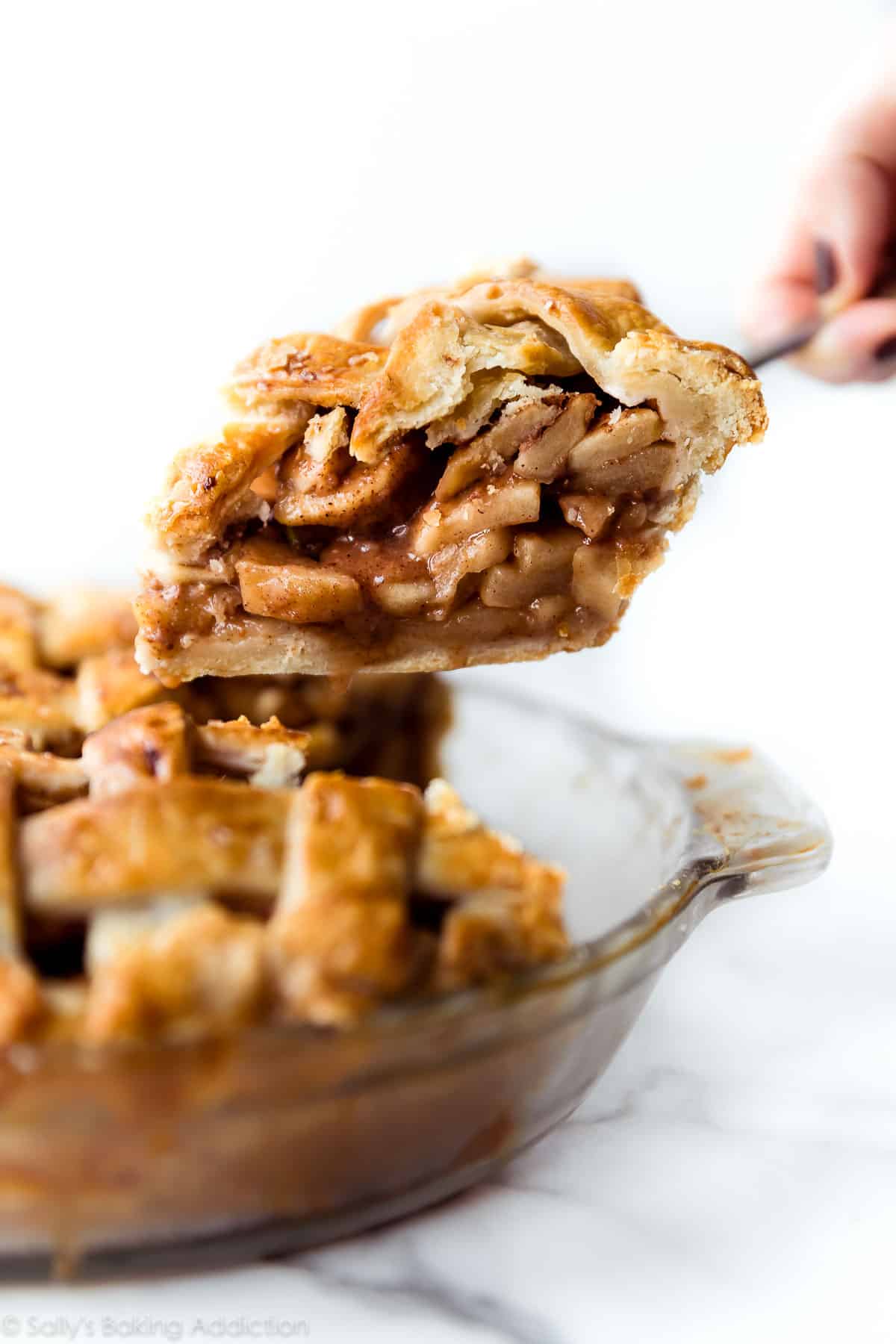
The primary objective when selecting an apple for baking is to achieve a balance between tenderness and structural integrity. When an apple is subjected to oven temperatures, the cell walls break down as the pectin—the natural glue holding the cells together—degrades. Apples with high moisture content and low structural density, such as the Red Delicious or McIntosh, tend to collapse into a puree during the baking process. While these varieties are optimal for applesauce, apple butter, or cider production, they are generally unsuitable for applications requiring defined fruit segments, such as tarts, pies, or turnovers.
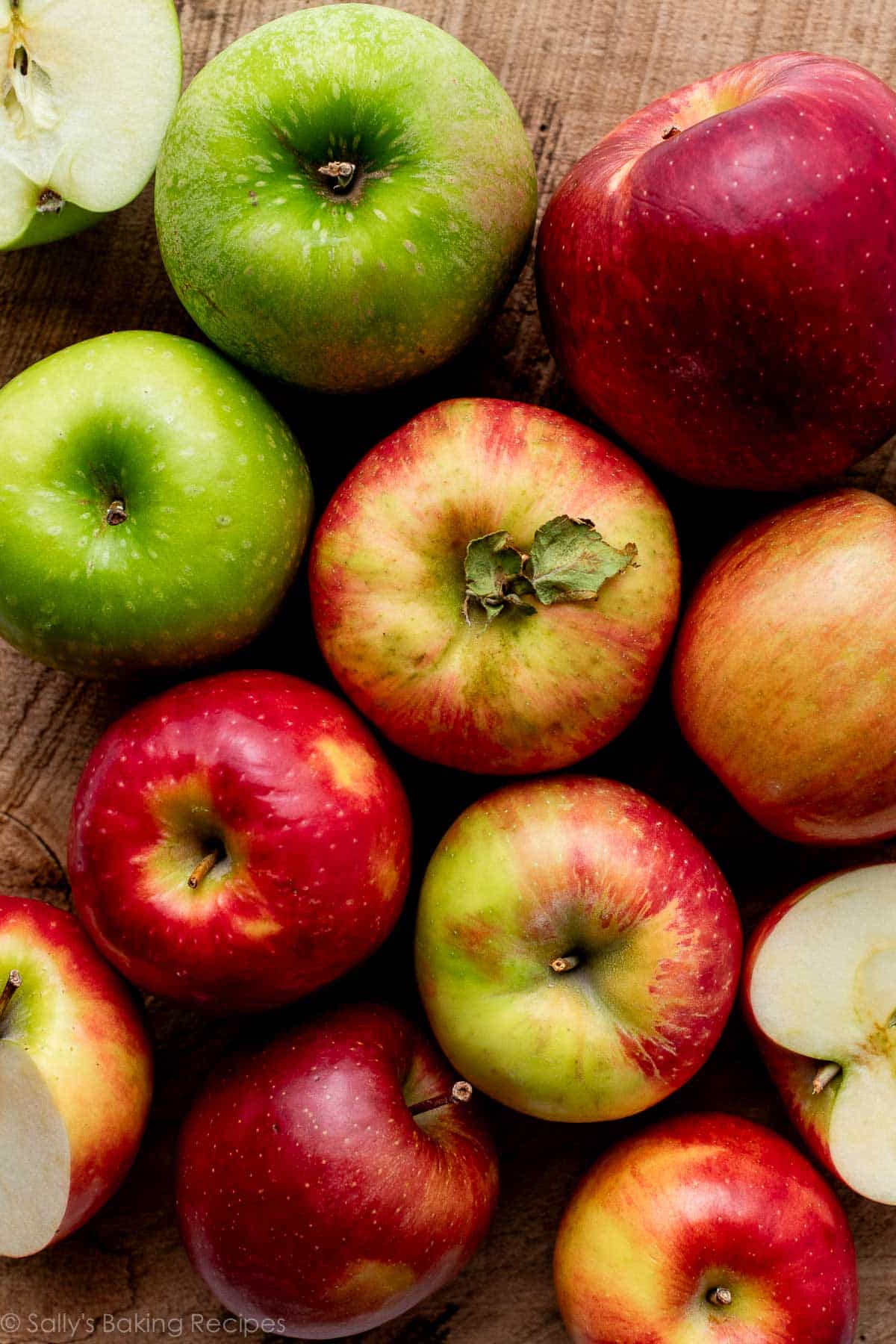
Culinary researchers emphasize that the ideal baking apple must possess a firm, crisp flesh capable of retaining its shape throughout extended exposure to heat. This structural resilience is typically found in apples with higher levels of cell-wall integrity and a slower rate of pectin degradation. Varieties like the Granny Smith, Braeburn, and Honeycrisp remain the industry standard for baking due to their ability to withstand the osmotic pressure of sugar syrups and the sustained thermal stress of the oven.
Chronology of Apple Cultivation and Culinary Evolution
The history of apple baking is deeply intertwined with the development of orchard agriculture. Historically, farmers categorized apples into three groups: dessert apples, cider apples, and cooking apples. The "cooking" classification was reserved for varieties that offered a robust flavor profile capable of cutting through the richness of fats like butter or lard, and that held their form when boiled or baked.
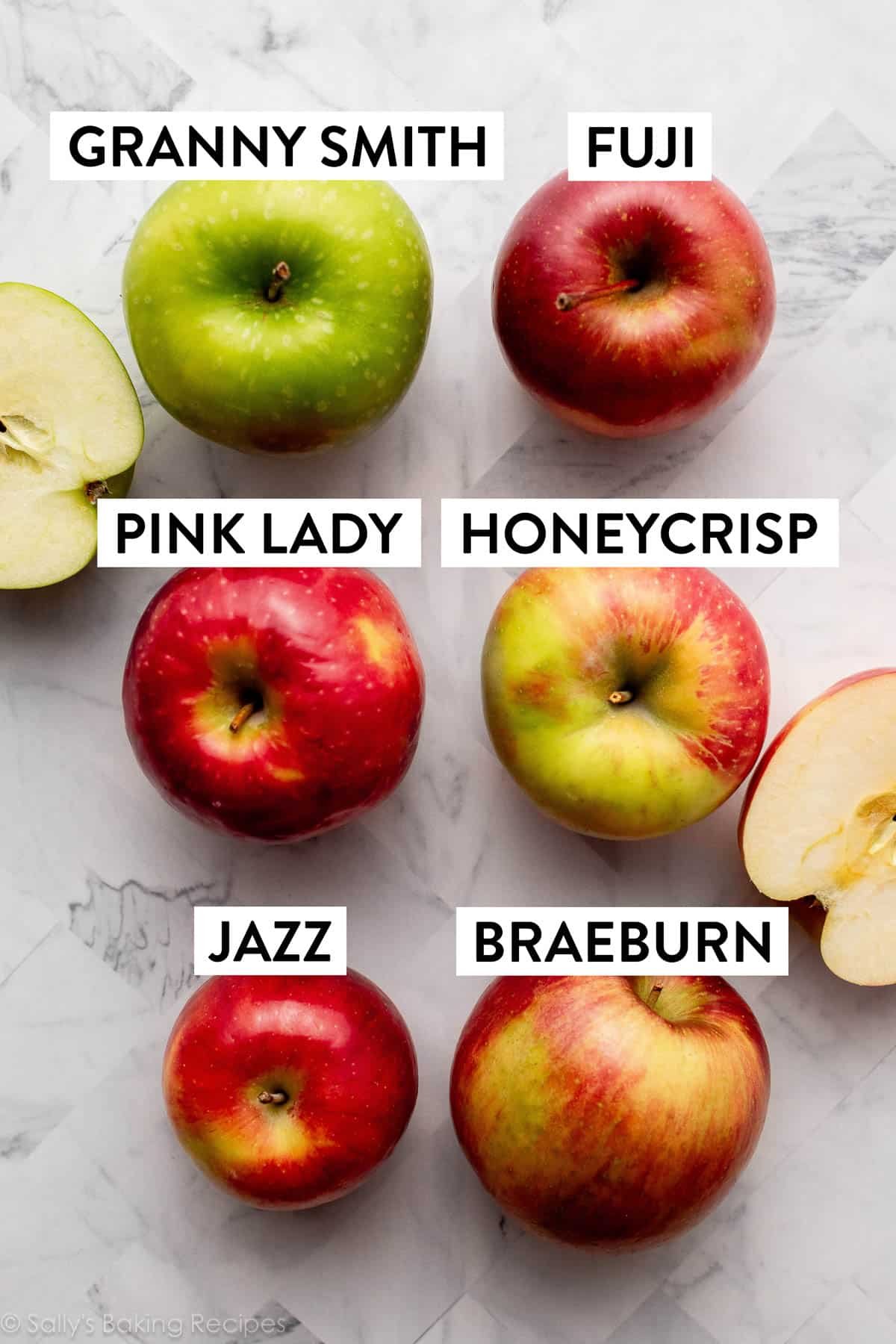
In the mid-20th century, the prioritization of aesthetic traits and shelf stability led to the commercial dominance of varieties like the Red Delicious, which were engineered for long-distance transport and visual uniformity rather than culinary performance. This shift forced home bakers and professional pastry chefs to adapt. The recent resurgence of heritage and "dual-purpose" apples—those that are both palatable raw and suitable for baking—has provided a broader spectrum of options for the modern kitchen. Cultivars like the Pink Lady (Cripps Pink) and Jazz, developed in the late 20th century, have gained favor by providing both the requisite tartness and the firm texture that traditionalist bakers require.
Comparative Analysis: Tart Versus Sweet Profiles
Professional pastry standards often dictate a "dual-variety" approach to filling formulation. By blending apples with contrasting flavor profiles, bakers can create a more nuanced product.
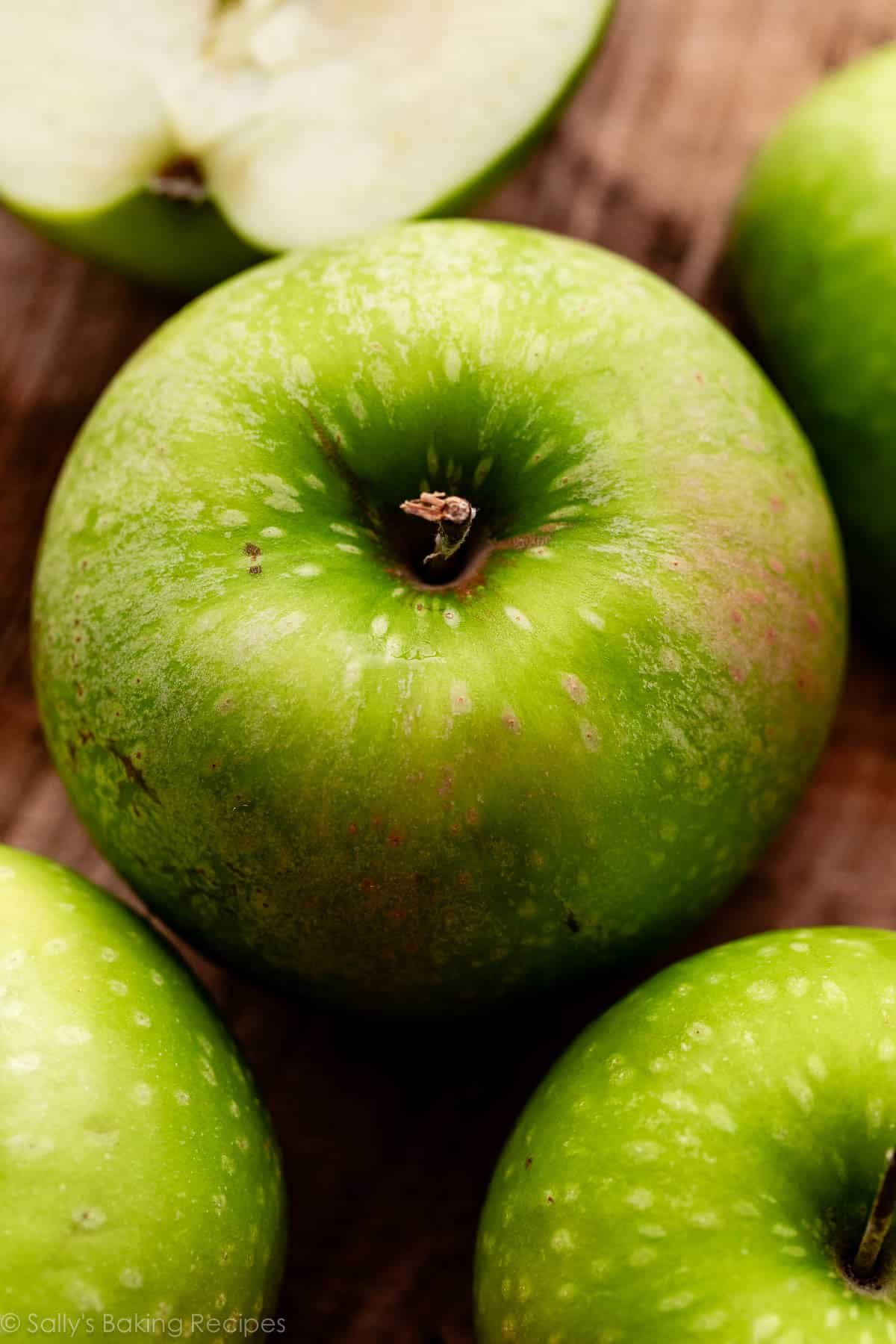
- The Role of Tartness: Varieties such as the Granny Smith are characterized by high malic acid content. This acidity acts as a counterbalance to the sweetness of added sugars, preventing the final product from becoming cloying. Furthermore, the high acidity level in these apples can assist in the gelling process when combined with natural thickeners like flour or cornstarch.
- The Role of Sweetness: Sweet-leaning varieties like the Honeycrisp or Fuji provide a subtle aromatic complexity, often featuring floral or honey-like notes. When combined with tart varieties, they create a balanced flavor profile that appeals to a wider consumer base.
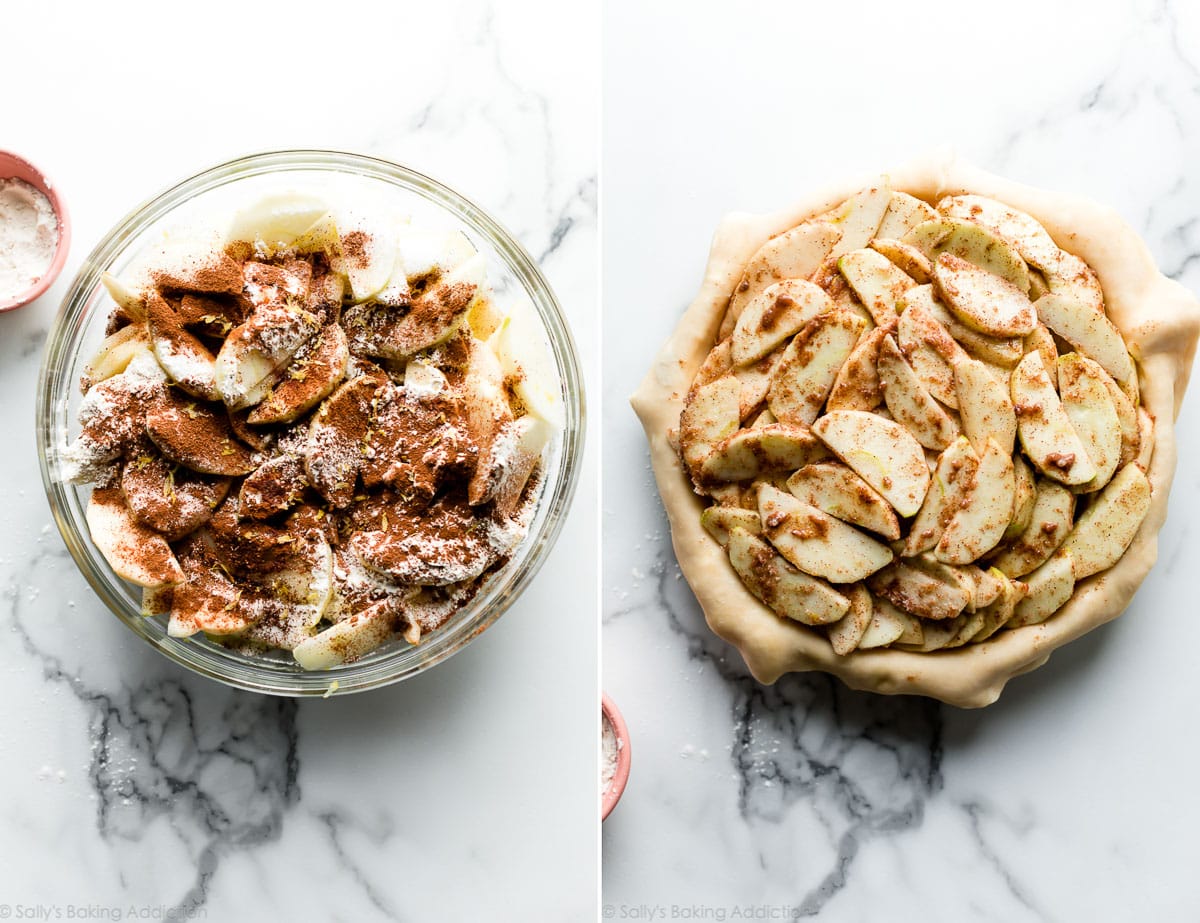
Data from culinary testing consistently indicates that a 50/50 split between a high-acidity apple and a moderate-sugar apple creates the most stable filling for deep-dish pies. The tart apple provides the structure, while the sweeter variety provides the sugar-syrup body.
Industry Perspectives on Preparation and Processing
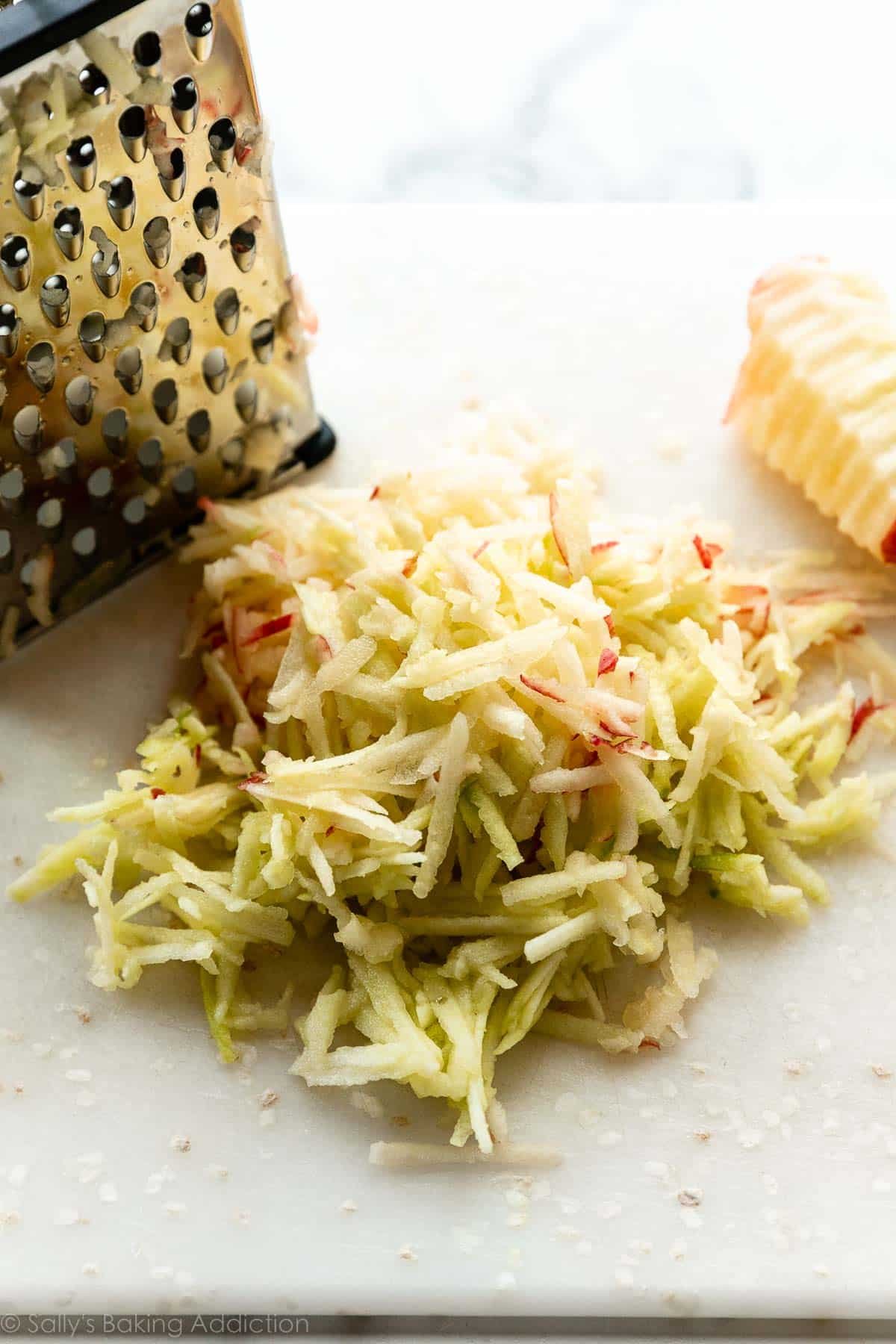
Technique plays an equally important role in the final outcome of an apple-based dessert. Culinary institutes stress the importance of uniformity in preparation. When apples are sliced into irregular shapes, the thinner pieces overcook and turn to mush, while thicker pieces remain under-softened.

For commercial baking, standardized mechanical slicers are employed to ensure consistent thickness, usually around 1/4 inch. For home environments, professional-grade mandolines or sharp, standardized knife work is recommended. The decision to peel or retain the skin also has implications for both texture and nutrition. While skins add color and fiber, they can introduce a tough, fibrous texture that some consumers find undesirable in delicate pastries. In contrast, for rustic dishes like crisps or crumbles, keeping the skin intact can provide a necessary contrast to the softened fruit.

Economic and Supply Chain Considerations
The availability of specific baking apples is subject to regional seasonality and climate-controlled storage capabilities. The Granny Smith, a cultivar of Australian origin, is notably durable, which has contributed to its year-round availability in global markets. In contrast, varieties like the Honeycrisp have specific storage requirements to maintain their trademark "snap," leading to price fluctuations during the off-season.
Recent data from agricultural market reports suggest that consumers are increasingly seeking out regional varieties, moving away from mass-market options. This shift has encouraged local growers to reintroduce older, "baking-specific" varieties to farmers’ markets, allowing for a more diverse array of textures and flavors in home baking.
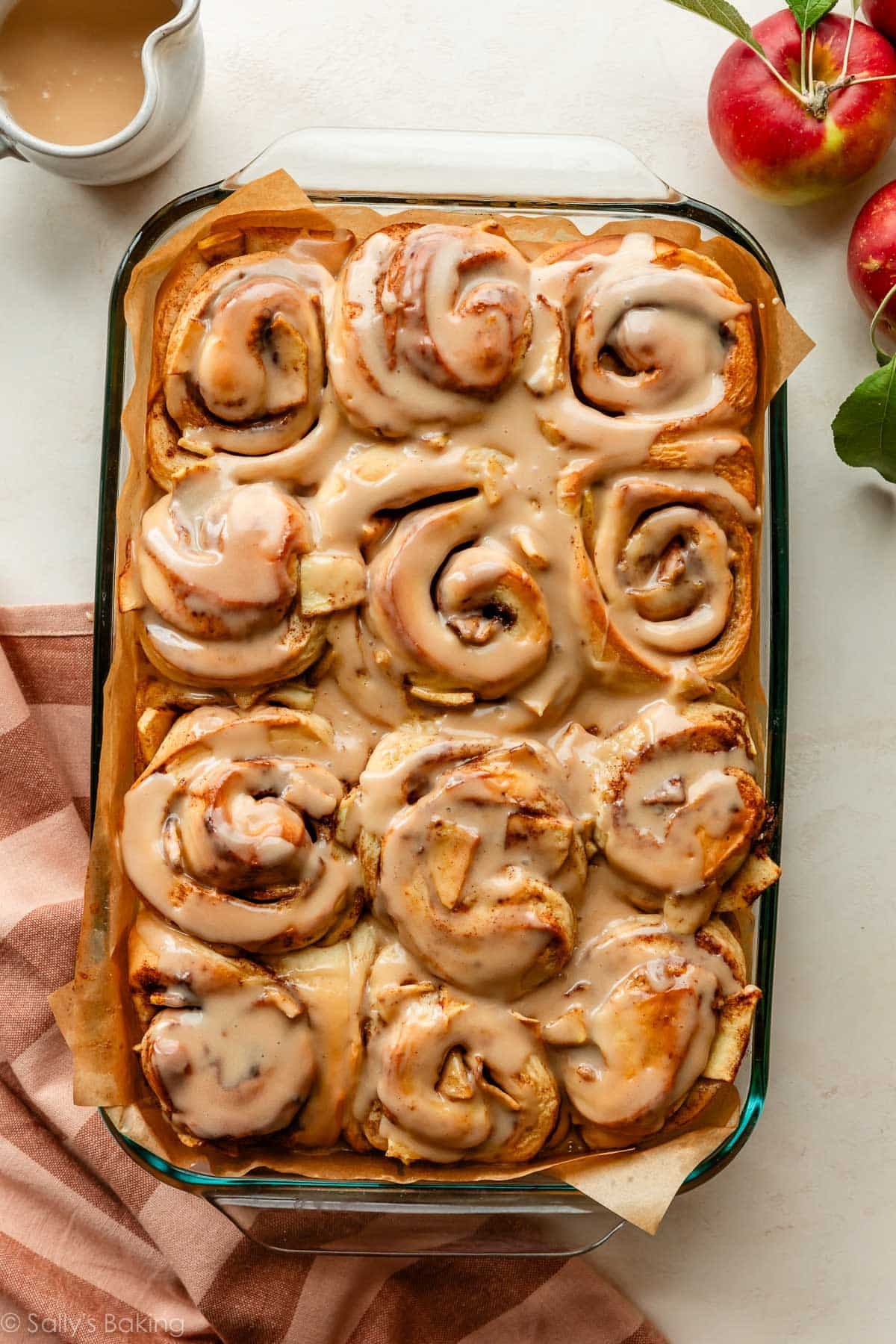
Broader Implications for Modern Baking
The choice of apple is more than a simple matter of flavor preference; it is a fundamental engineering decision. Whether a baker is preparing a high-volume batch of apple crumbles for a commercial catering event or a single, artisanal apple cinnamon babka, the choice of variety dictates the final structural integrity of the dessert.

Experts in the field suggest that as food science advances, we may see more "precision-bred" apples designed specifically for the baking industry, focusing on traits like consistent moisture release and high-temperature starch stability. For now, the most effective approach remains the informed selection of cultivars based on their known chemical and physical performance. By moving away from a "one-size-fits-all" mentality and adopting a more analytical approach to ingredient selection, bakers can significantly elevate the consistency and quality of their output.
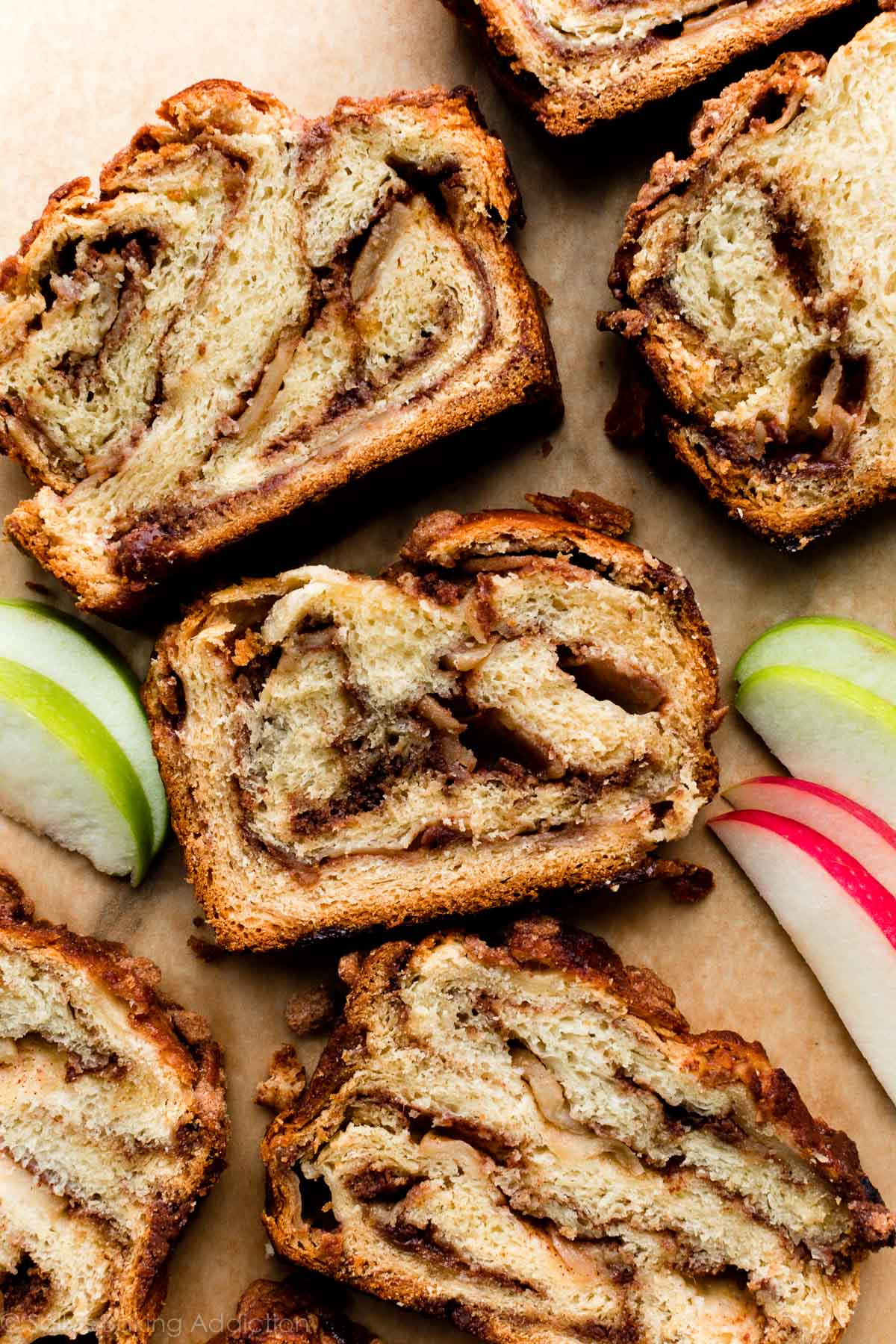
In conclusion, the most successful baking outcomes rely on a synthesis of three factors: the intrinsic properties of the apple variety, the balance of acidity and sweetness in the blend, and the precision of the preparation technique. As the culinary landscape continues to evolve, the appreciation for these fundamental principles remains the hallmark of a skilled baker, ensuring that classic dishes like apple pie or apple crisp remain as structurally sound and flavorful as they are aesthetically pleasing. Whether navigating the complexities of a commercial kitchen or a domestic pantry, the disciplined selection of ingredients remains the first and most vital step in the pursuit of baking excellence.