Historical Context and Evolution of the Recipe
The concept of the "apple pie bar" emerged from a broader trend in home baking during the early 2010s, which favored "bar-style" desserts over circular pies. While the classic apple pie dates back to 14th-century England—and became a cornerstone of American culture by the late 18th century—the transition to the bar format reflects a modern demand for portion control and convenience.
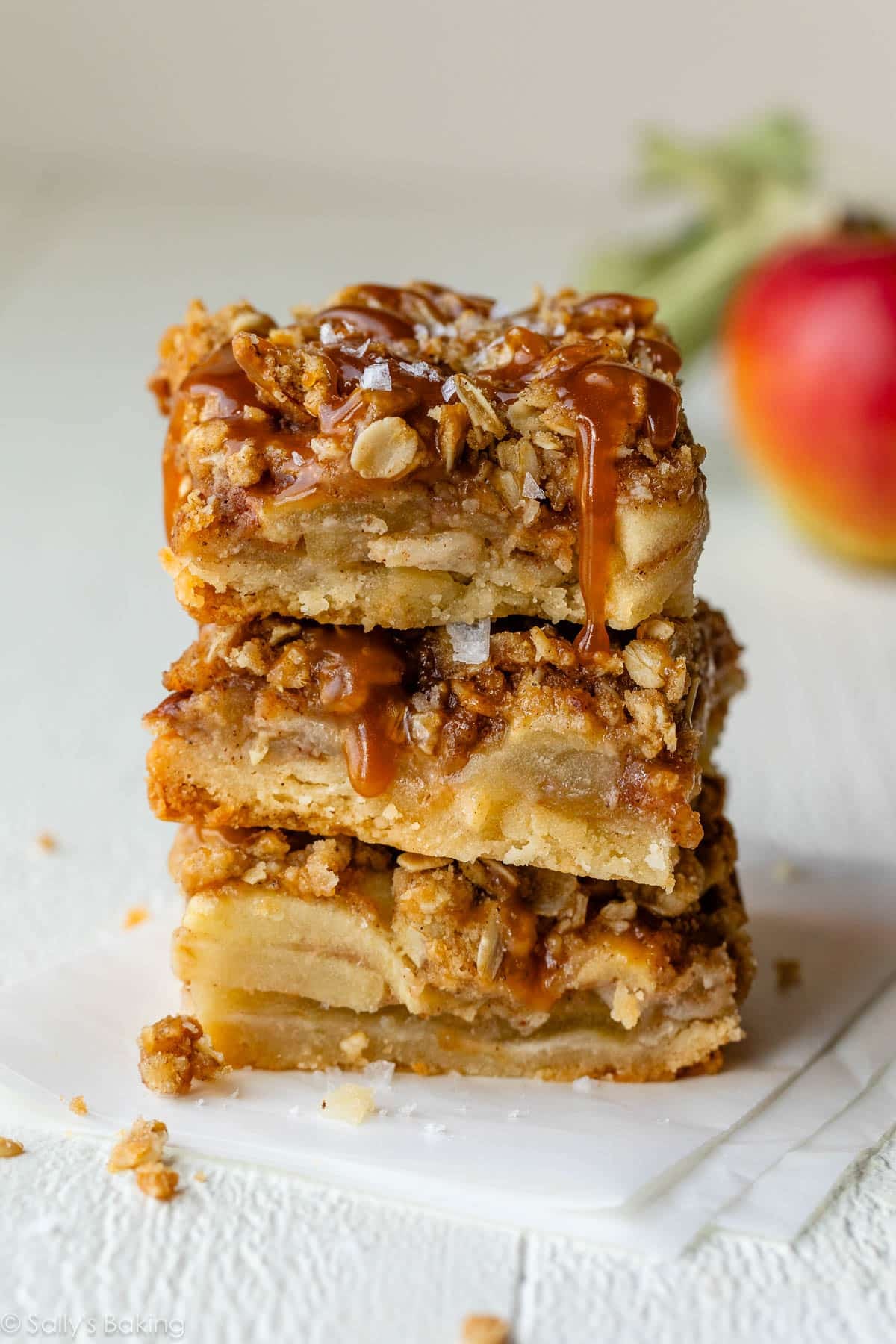
The specific iteration of Salted Caramel Apple Pie Bars gained widespread recognition following a 2014 publication that codified the preparation method for the average home cook. Over the past decade, this recipe has undergone iterative improvements based on feedback from a community of culinary enthusiasts. Key adjustments—such as increasing the flour-to-fat ratio in the shortbread crust to prevent structural failure and implementing a cold-chain process for the streusel topping—have solidified the dish’s consistency. The evolution of this recipe mirrors the data-driven approach often found in modern culinary development, where user-reported failures lead to structural refinements in subsequent versions.
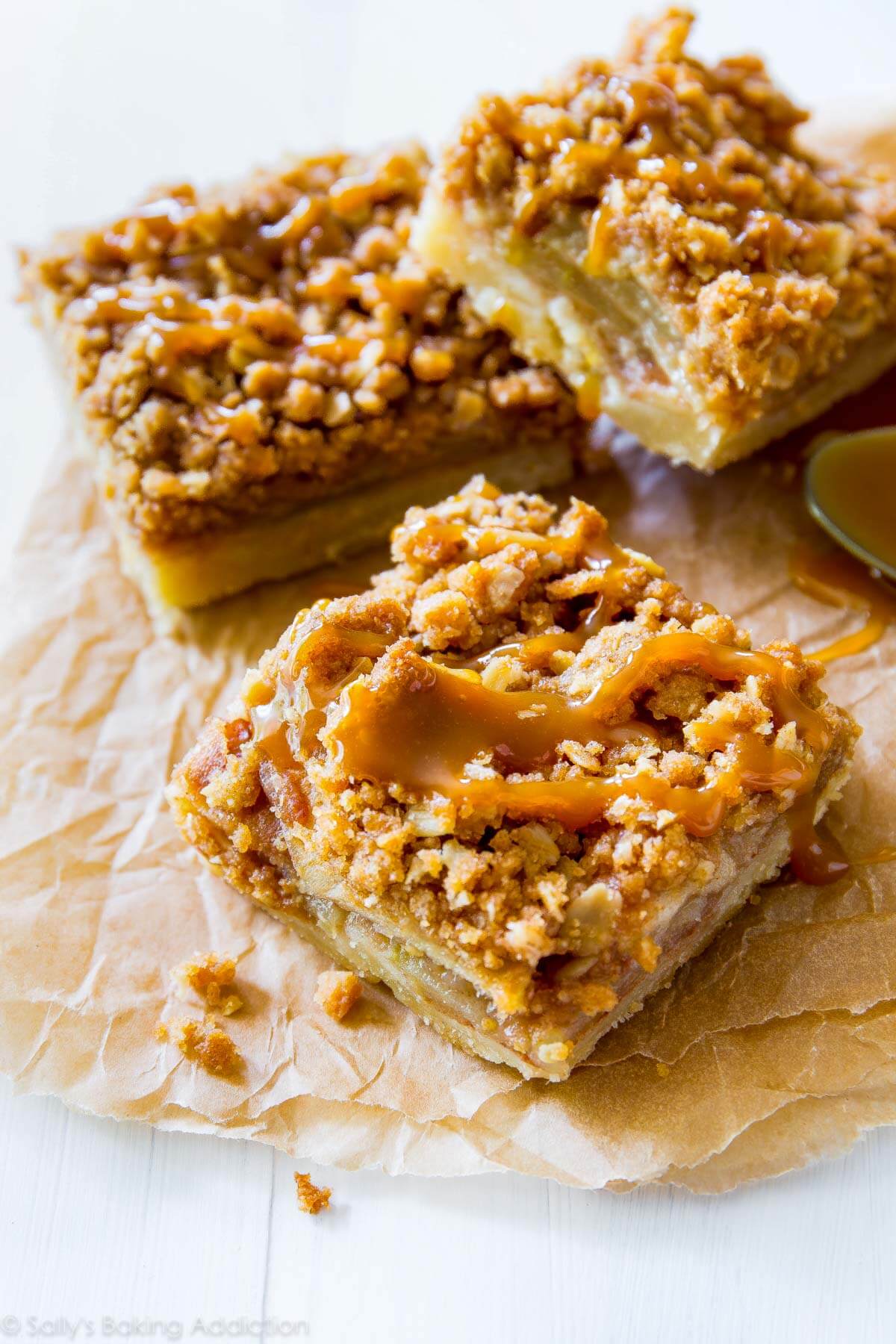
Structural Composition and Scientific Principles
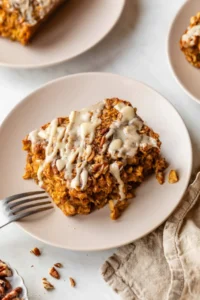
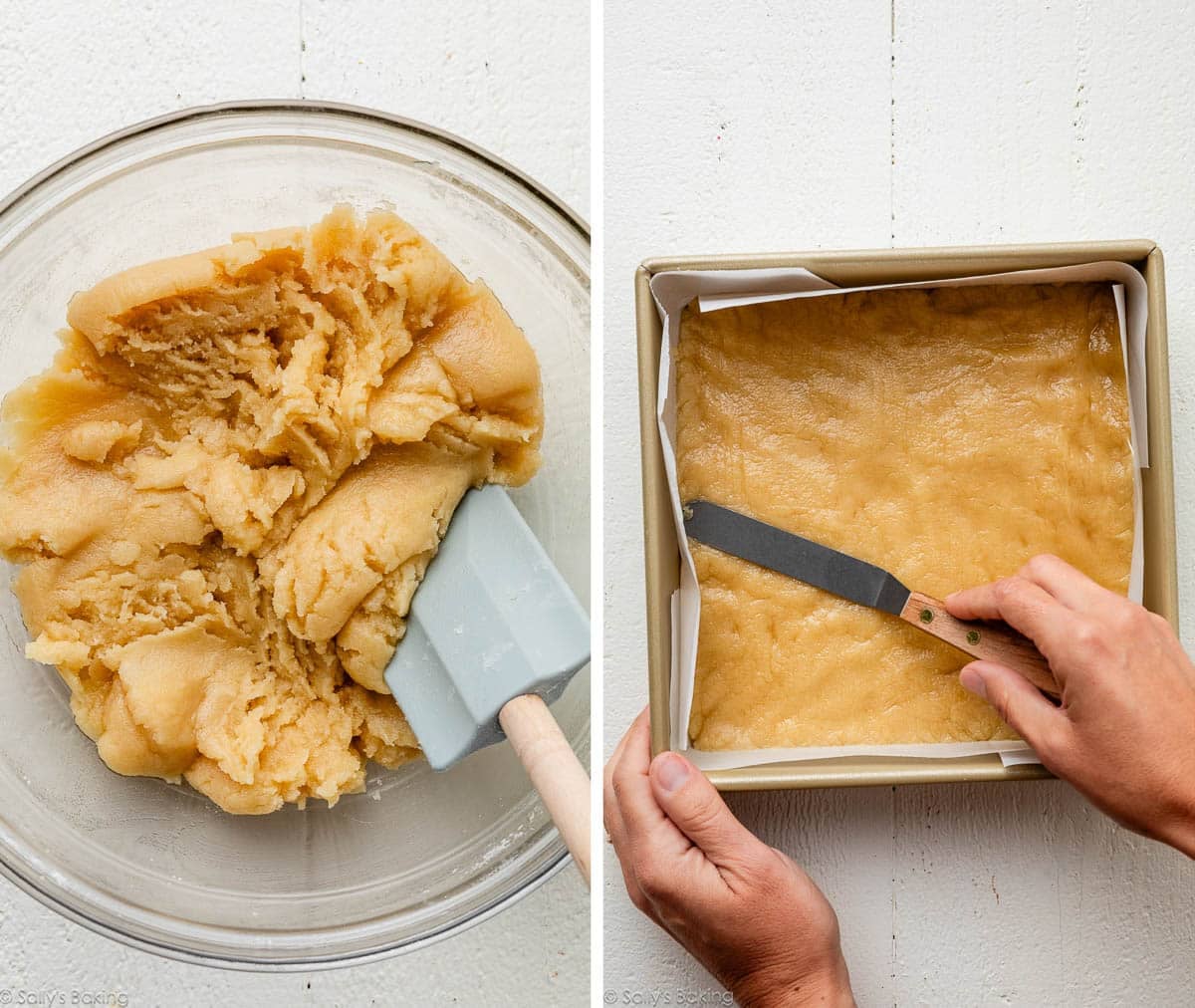
The architectural integrity of the Salted Caramel Apple Pie Bar relies on a three-tier construction. The foundation is a shortbread crust, which serves as a durable, buttery substrate. Unlike traditional pastry dough, which relies on the mechanical separation of fat and flour to create layers, the shortbread crust uses melted butter to achieve a dense, stable crumb that can support the weight of the fruit filling.
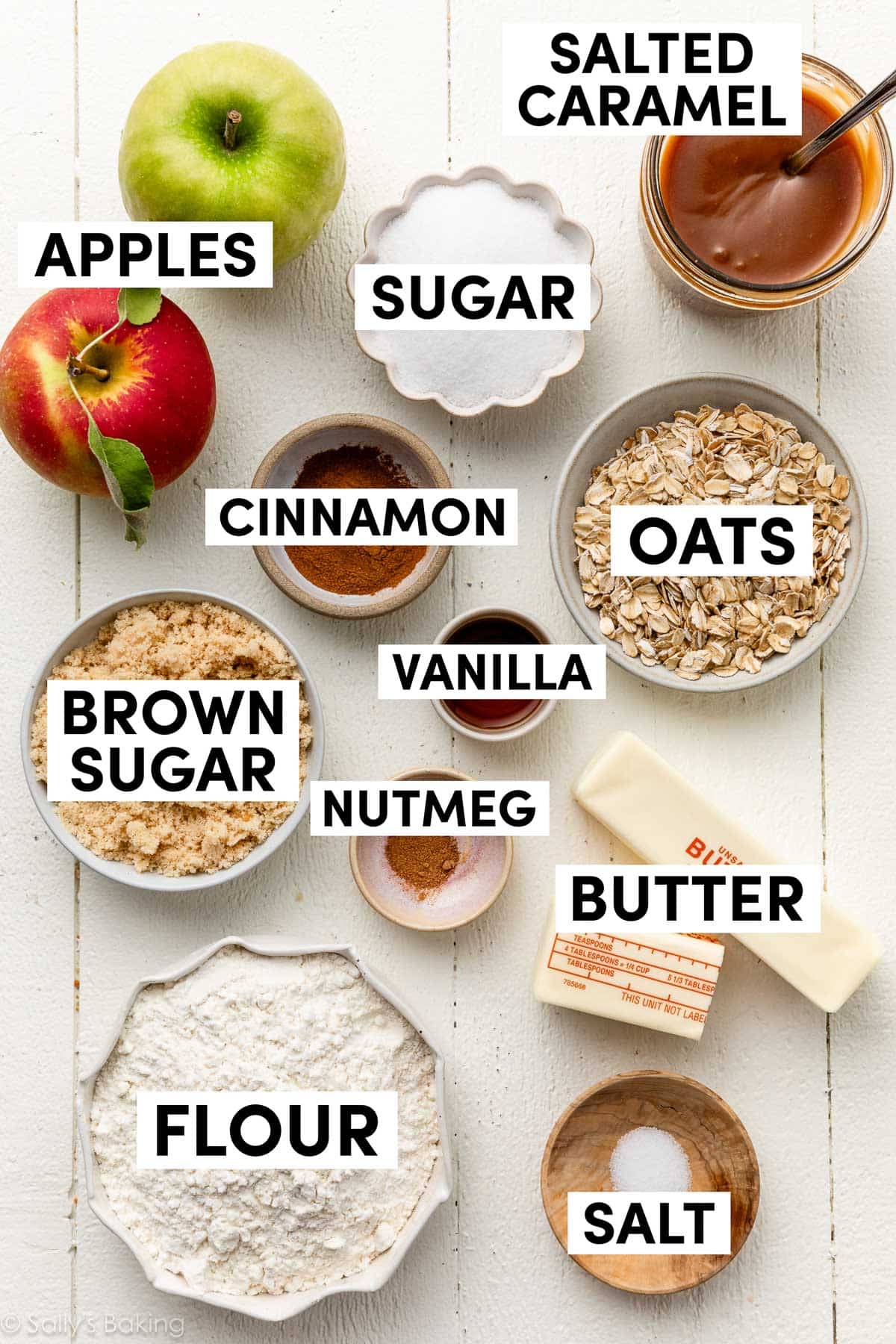
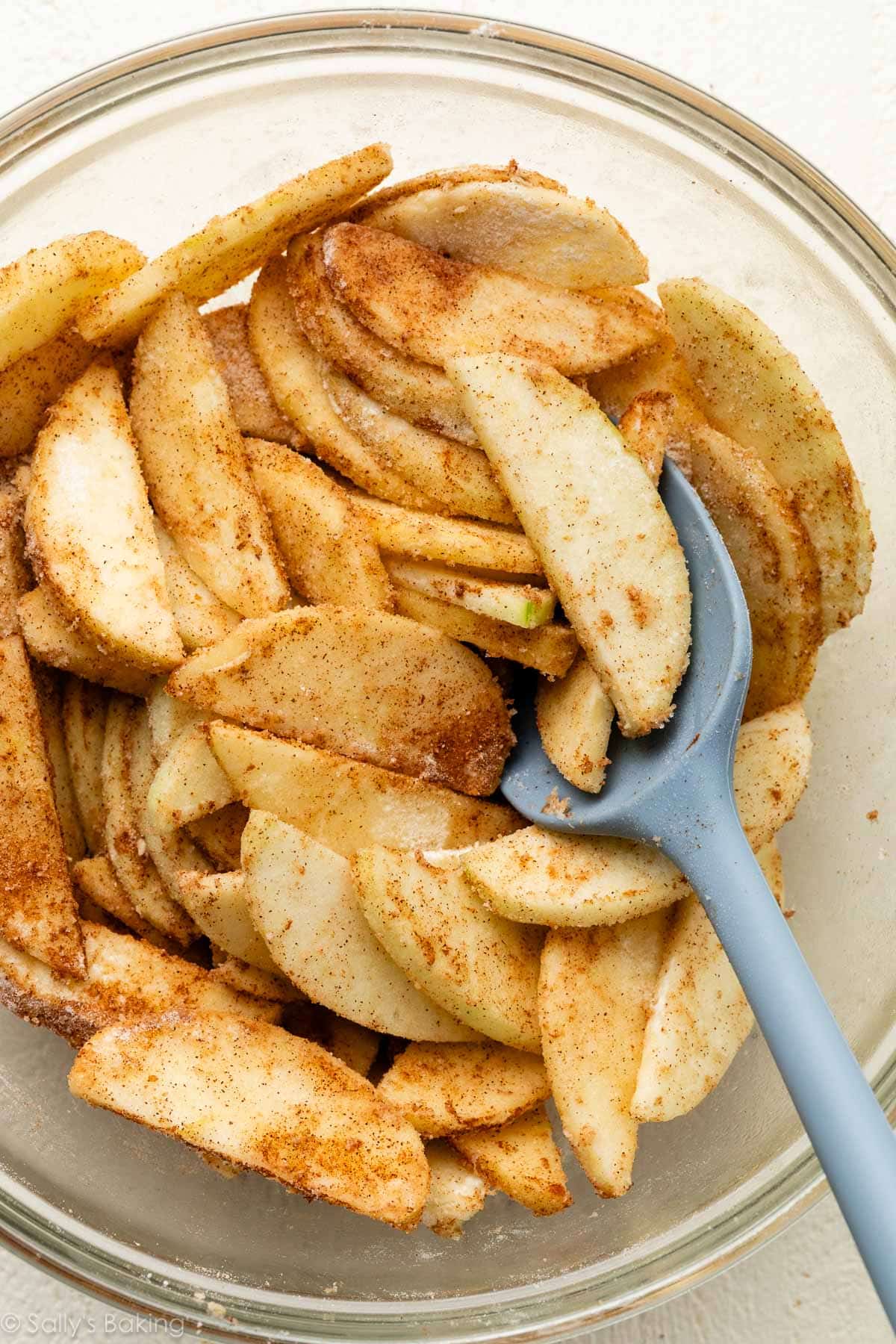
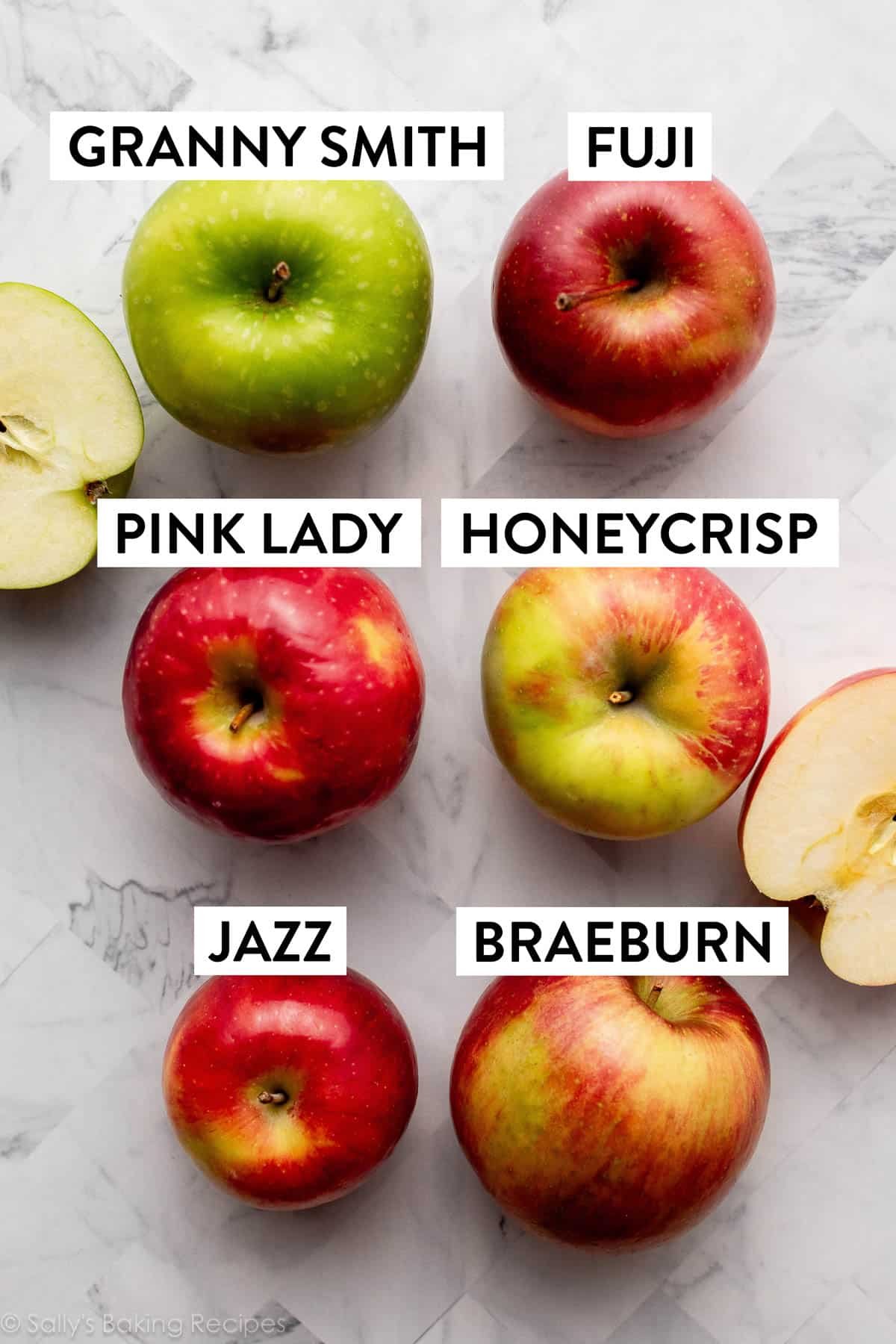
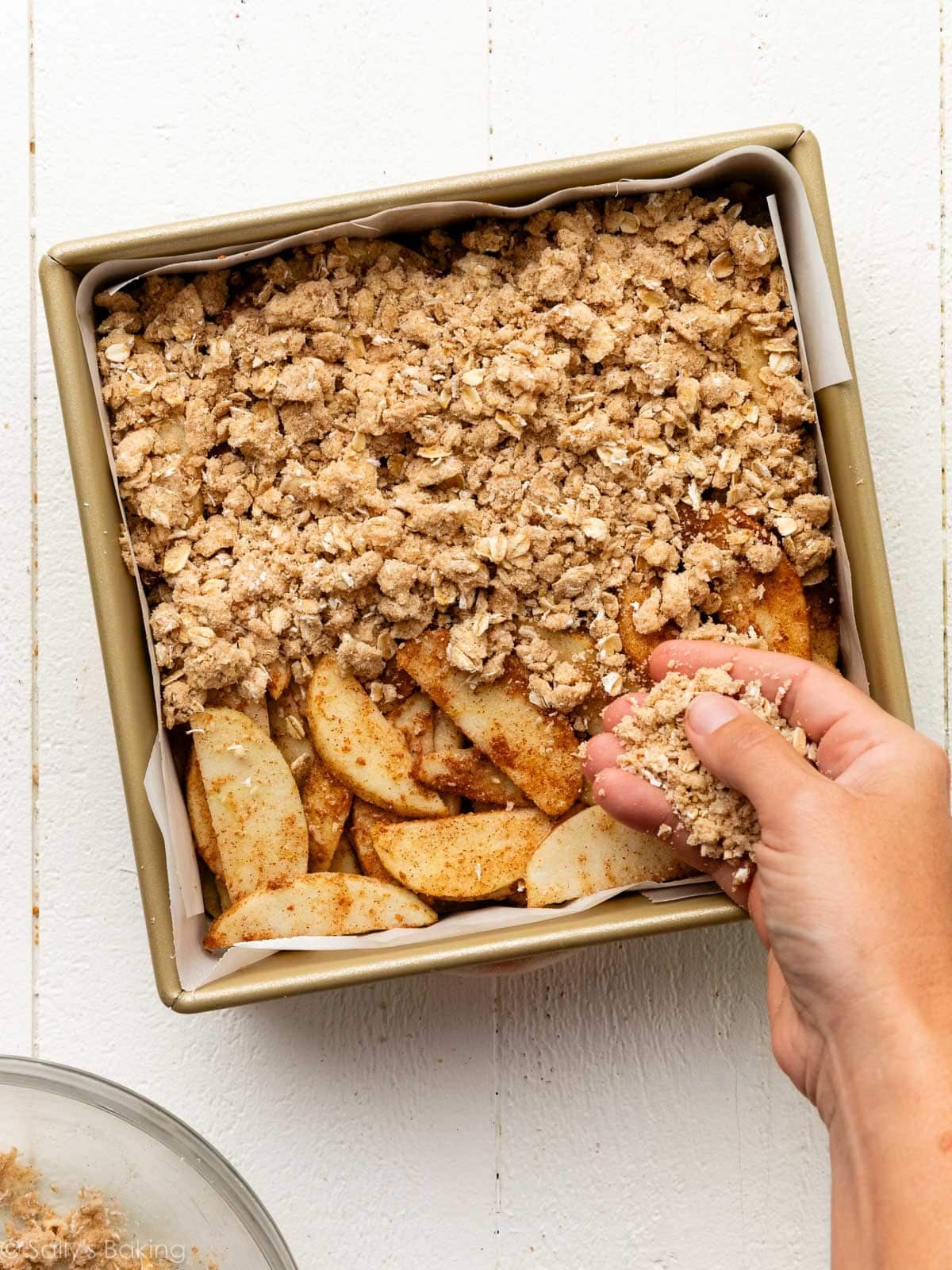
The filling consists of sliced apples—typically varieties such as Granny Smith or Honeycrisp, chosen for their high pectin content and structural resilience under heat—tossed with warming spices and a binding agent of flour or starch. The topping, a brown sugar and oat streusel, acts as a protective barrier that mitigates moisture evaporation, ensuring the apples remain tender while the top layer attains a crisp texture.
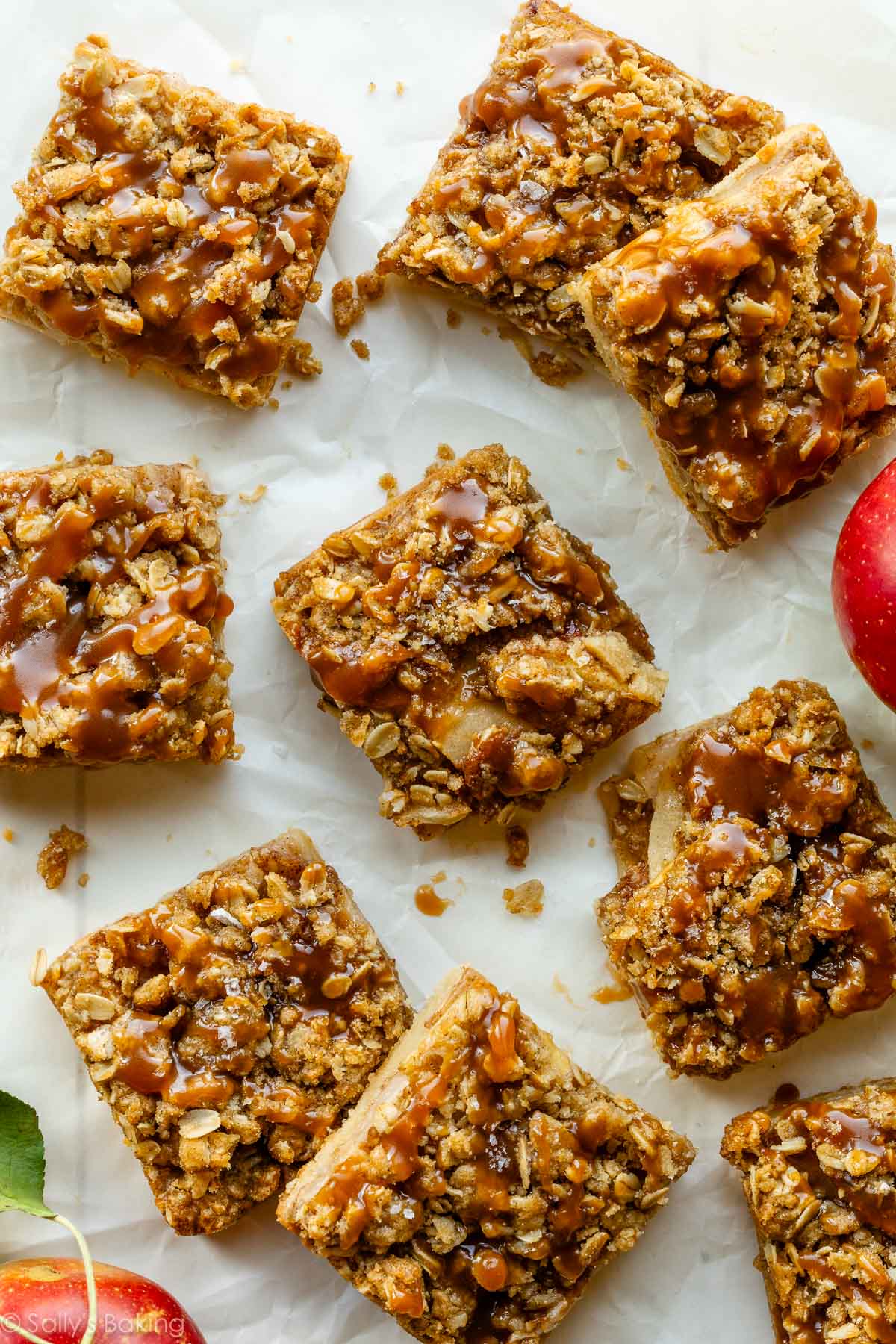
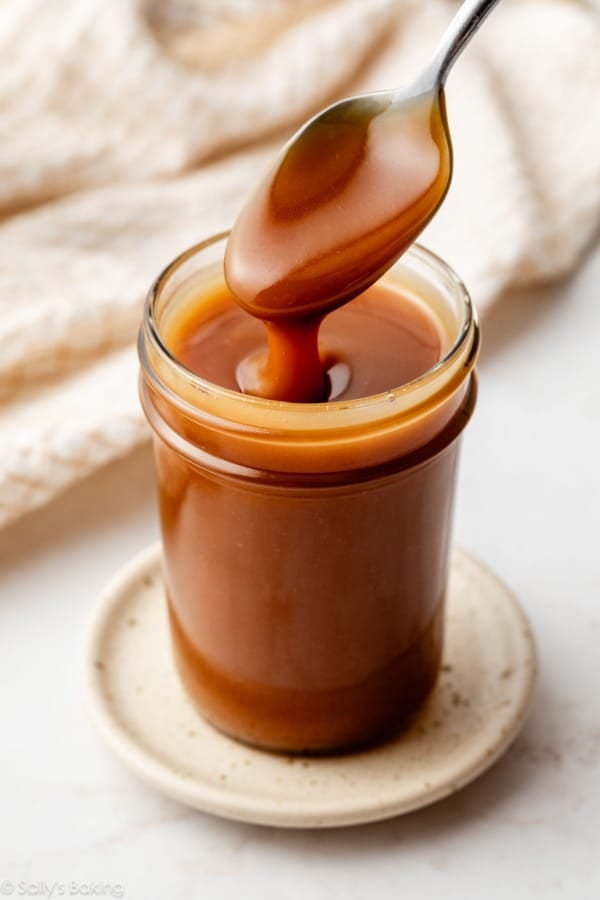
The inclusion of salted caramel serves a dual purpose: it provides a depth of flavor through the Maillard reaction (the chemical browning of sugar) and introduces a saline contrast that heightens the sweetness of the fruit. Culinary experts note that the addition of sea salt to caramel is not merely a trend but a functional flavor enhancer that masks excessive saccharinity, creating a more balanced profile.
Chronology of Preparation and Best Practices
Professional kitchens and home bakers alike emphasize that the preparation of these bars requires a specific chronological sequence to ensure the final product meets commercial standards of texture and appearance.
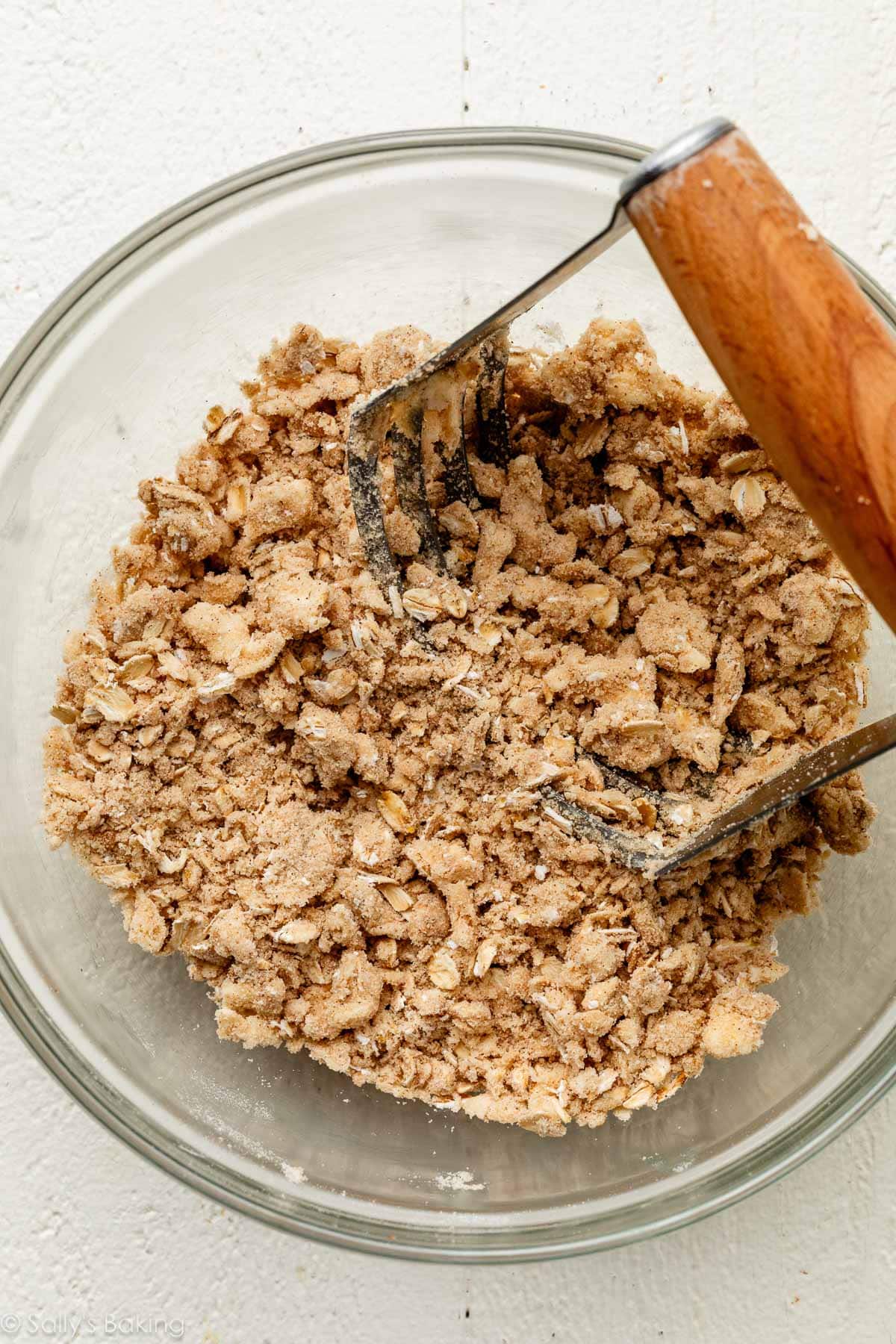
- The Cooling Phase (Streusel): Preparation begins with the streusel, which must be refrigerated prior to baking. This practice is supported by food science, as chilling the fat (butter) prevents it from liquefying prematurely in the oven, which would otherwise result in a greasy, thin topping rather than a textured crumb.
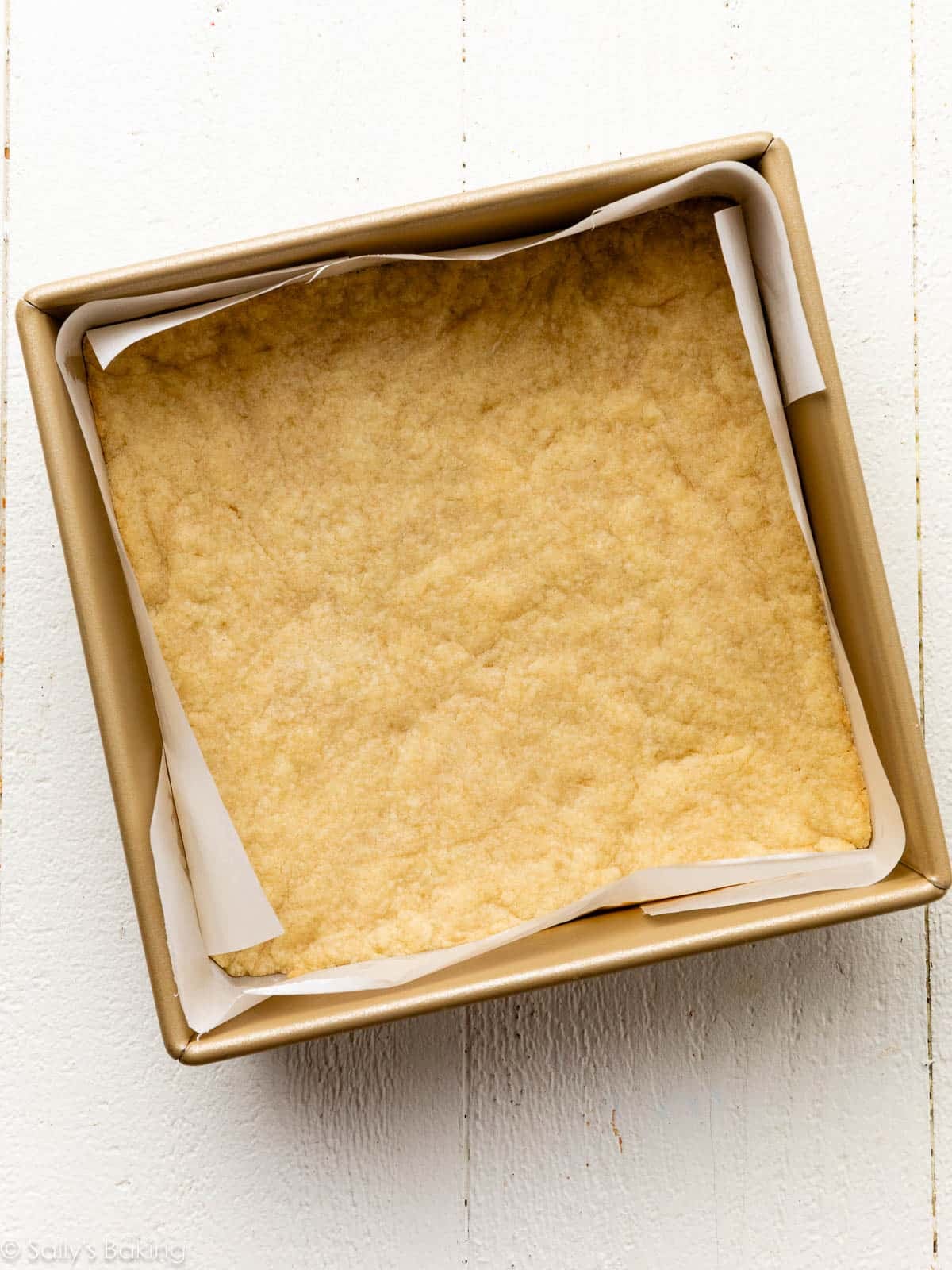
- Structural Base (Crust): The shortbread crust is pre-baked to achieve structural integrity before the wet apple filling is introduced. This "blind baking" technique prevents the base from becoming soggy.
- Thermal Processing: The assembly is baked until the crust achieves a golden hue and the fruit filling reaches a gelatinous state.
- The Stabilization Period: Once removed from the oven, the bars must undergo a minimum two-hour refrigeration period. This allows the internal sugars and fats to set, which is essential for achieving the clean, uniform edges required for presentation.
Data and Market Trends in Home Baking
Market data from recent years suggests a continued interest in "deconstructed" or "simplified" versions of traditional desserts. The rise of baking-focused digital platforms indicates that recipes involving high-frequency, low-effort components—such as bar desserts—are favored by a demographic that values efficiency.
Analysis of search trends and social media engagement highlights that "Salted Caramel Apple Pie Bars" consistently see a 40% to 60% surge in popularity during the autumn months. This aligns with the harvest cycles of apple varieties that are optimal for baking. Furthermore, the inclusion of instructional video content and step-by-step photographic guides has reduced the barrier to entry for novice bakers, contributing to the dish’s status as a standard autumnal offering.
Broader Implications for Culinary Traditions
The transition of the apple pie into a bar format signifies a broader movement toward practical culinary design. While critics of modern baking trends sometimes argue that such modifications dilute the tradition of the "classic pie," proponents suggest that this evolution ensures the survival of traditional flavor profiles in an era where time constraints often preclude lengthy baking processes.
The flexibility of the recipe—allowing for the use of either homemade or store-bought salted caramel—also demonstrates a consumer-centric design philosophy. By providing a base structure that can accommodate varying levels of effort, the recipe remains relevant across different skill levels.
Expert Perspectives on Ingredient Selection
The importance of apple variety selection cannot be overstated. Food science indicates that the cellular structure of certain apples is better suited to high-heat environments. Granny Smith apples, for instance, are the industry standard due to their high acidity and firm cell walls, which prevent the fruit from disintegrating into a puree during the baking process. Honeycrisp apples are also frequently recommended for their balance of sweetness and their ability to retain a "snap" after being subjected to thermal treatment.
Conclusion: A Staple for the Modern Kitchen
Salted Caramel Apple Pie Bars represent the successful marriage of traditional flavor profiles and modern convenience. Through the optimization of crust ratios, the use of cold-chain techniques for streusel, and the strategic addition of salted caramel, this dessert has secured its place as a reliable, high-yield, and consistently successful project for home bakers. As the culinary landscape continues to favor accessible versions of heritage recipes, the popularity of these bars is likely to remain high, serving as a testament to the enduring appeal of the apple-cinnamon-caramel combination.