
Technical Foundation of Low-Methoxyl Pectin
To understand the significance of this raspberry jam recipe, one must examine the science of the gelling agent. Most commercial pectins found in grocery stores are "high-methoxyl" pectins. These require a specific environment to set: a sugar concentration of at least 55% to 85% and a precise pH level between 2.8 and 3.5. In contrast, the Pomona pectin used in this recipe is a "low-methoxyl" pectin. This type of pectin is derived from the pith of citrus peels and is chemically modified to react with calcium rather than sugar.
The inclusion of a calcium water solution in the recipe allows the pectin molecules to cross-link and form a stable mesh, trapping the fruit juice and creating a firm jam regardless of the sugar content. This scientific shift is what allows the recipe to utilize alternative sweeteners such as honey, agave, stevia, or Splenda, or even to rely solely on the natural sugars present in the raspberries.
Chronology of Home Preservation Innovations
The transition to low-sugar canning reflects a broader timeline of food science developments in the United States and abroad. Historically, jam was a method of survival, using massive quantities of sugar as a preservative to inhibit microbial growth.
- Early 20th Century: High-sugar canning becomes the standard, with the USDA formalizing recipes to ensure safety against spoilage and botulism.
- 1970s-1980s: The development of low-methoxyl pectins begins to gain traction in the industrial food sector, eventually trickling down to the home consumer market.
- 2000s-Present: The "Clean Label" movement and the rise of home gardening lead to a resurgence in canning. Low-sugar options become the preferred choice for a new generation of hobbyists focusing on fruit-forward flavors rather than sweetness.
- 2020-2024: Supply chain fluctuations and increased interest in food security drive a 20% increase in home preservation activities, with raspberry jam remaining one of the most popular "entry-level" projects due to the fruit’s high natural pectin and acidity.
Detailed Preparation and Processing Parameters
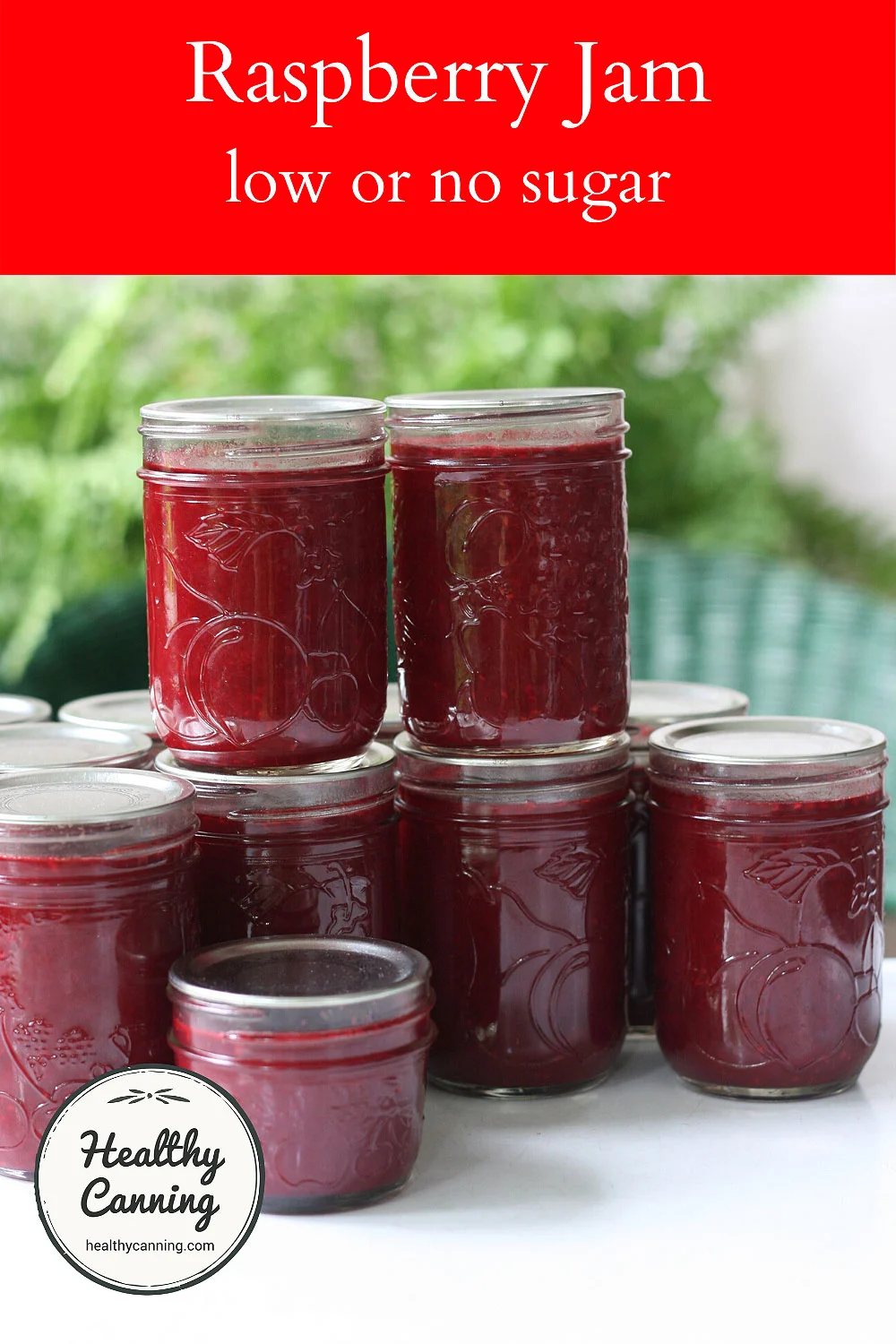
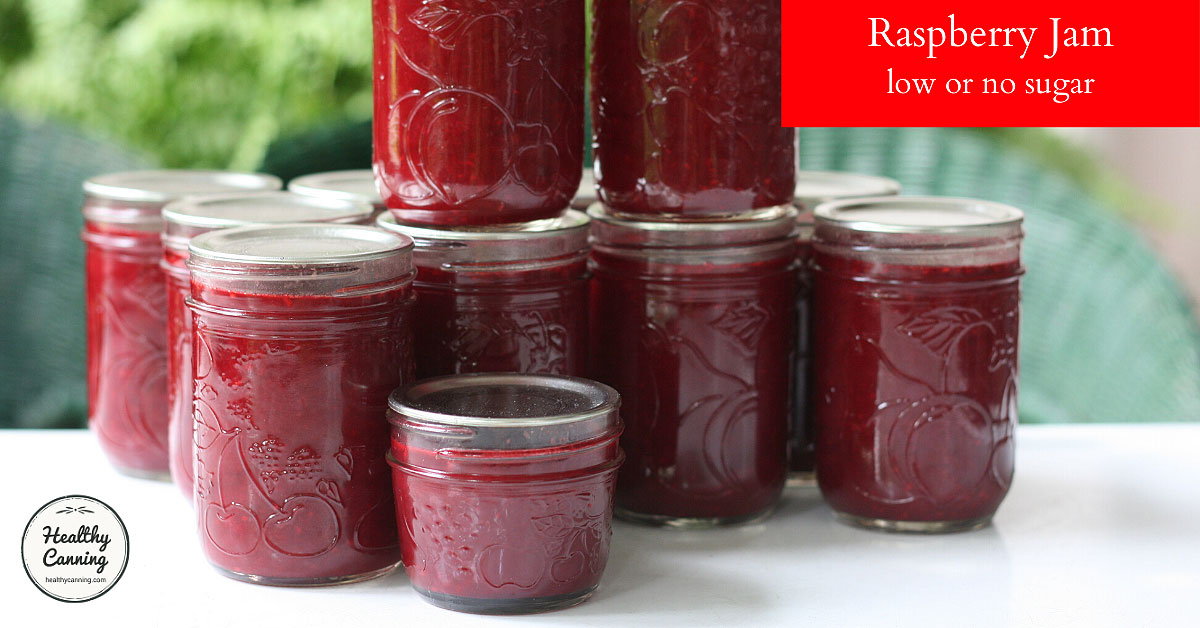
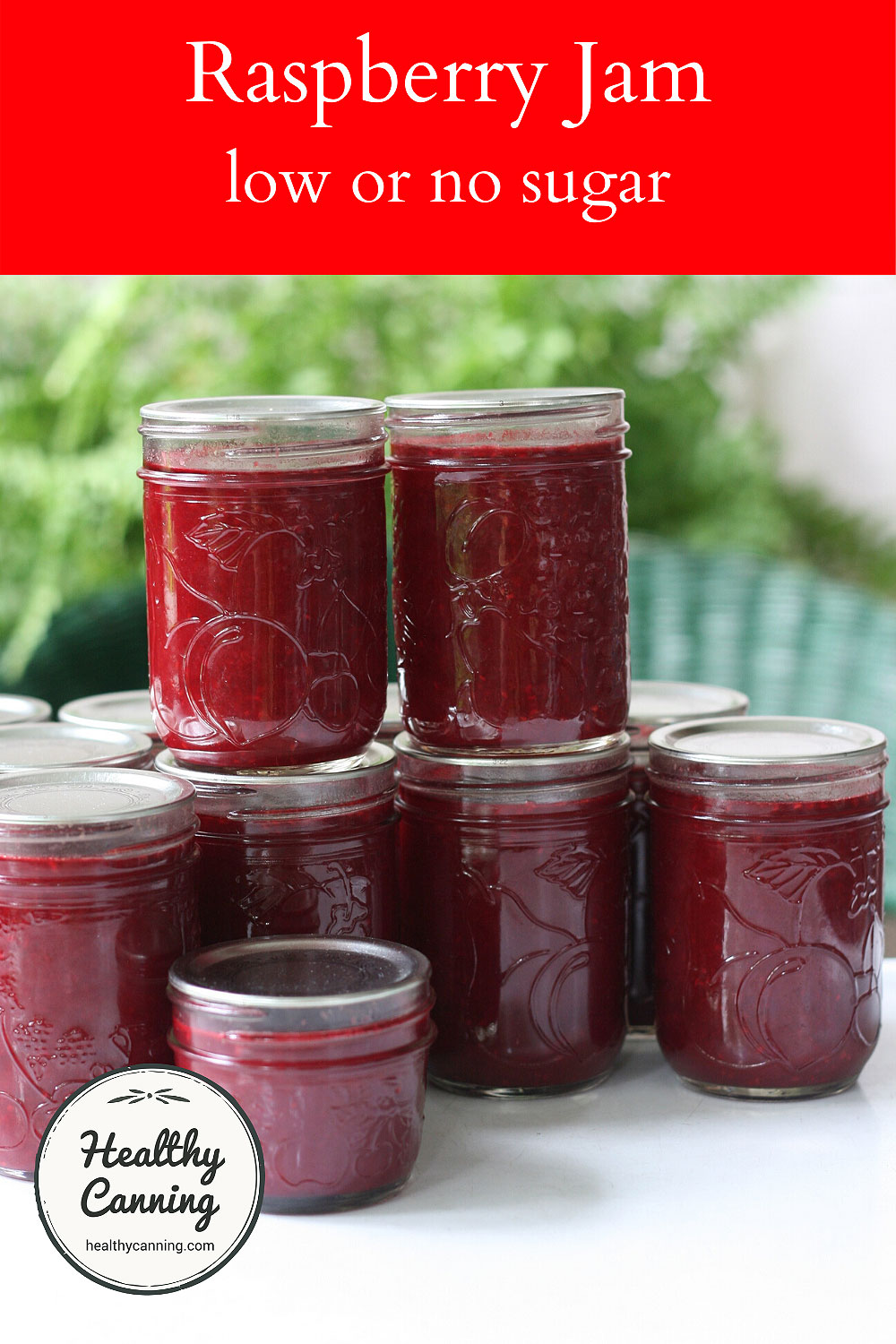
The production of raspberry jam with Pomona pectin requires adherence to specific processing standards to ensure both quality and microbiological safety. The recipe is designed for small-batch production, typically yielding four quarter-litre (8 oz) jars.
Ingredient Specifications and Substitutions
The versatility of the recipe is found in its fruit requirements. Fresh raspberries are ideal during the peak summer harvest; however, flash-frozen raspberries are a scientifically sound substitute. Frozen berries often retain higher vitamin C content than "fresh" berries that have spent days in transport. For those seeking a refined texture, the recipe allows for the straining of seeds. This is particularly relevant for raspberry jam, as the seeds of Rubus idaeus can be perceived as abrasive.
The Canning Process
The processing method involves either a traditional water bath or a modern steam canner. Both methods are validated for high-acid foods like raspberries.
- Headspace: A precise 1 cm (1/4 inch) headspace is required. This gap is critical for ensuring a proper vacuum seal as the jars cool.
- Processing Time: A baseline of 10 minutes is required at sea level. However, food safety guidelines dictate that this time must be adjusted for altitude. At higher elevations, the boiling point of water is lower, necessitating longer processing times to ensure the internal temperature of the jar reaches the threshold required to destroy molds and yeasts.
Supporting Data: Nutritional and Economic Impact
Analyzing the nutritional profile of this jam reveals the stark difference between traditional and modern canning. A standard commercial raspberry jam can contain up to 12 grams of sugar per tablespoon. In contrast, the Pomona-based recipe using sugar alternatives can reduce this to as little as 4 grams of natural fruit sugar.
| Sweetener Type | Calories per Tbsp | Carbohydrates |
|---|---|---|
| Granulated Sugar | 21 kcal | 5g |
| Honey | ~25 kcal | 6g |
| Splenda (Granulated) | 10 kcal | 2g |
| Liquid Stevia | 8 kcal | 1.5g |
Data based on standardized fruit-to-pectin ratios.
From an economic perspective, home canning provides a hedge against food inflation. While the initial investment in jars and a canner is required, the per-unit cost of jam produced from garden-grown or bulk-purchased raspberries is significantly lower than premium "artisanal" low-sugar store brands, which often retail for $7.00 to $10.00 per 8 oz jar.
Official Guidelines and Safety Standards
The National Center for Home Food Preservation (NCHFP) and the USDA emphasize that while low-sugar jams are safe, they must maintain a certain acidity level to prevent the growth of Clostridium botulinum. Raspberries are naturally acidic, but the addition of lemon juice or citric acid is often recommended as a safety buffer, especially when using honey or other non-acidic sweeteners.
Industry experts and Master Food Preservers often suggest that beginners adhere strictly to the Pomona pectin instructions regarding the "calcium water" ratio. Unlike traditional pectin, which can be "re-cooked" if it fails to set, the calcium-pectin bond is immediate. Failure to follow the sequence—mixing pectin with the sweetener before adding it to the fruit—can result in "clumping," where the pectin hydrates unevenly.
Broader Implications for Food Sustainability
The shift toward home-canned raspberry jam with Pomona pectin reflects a growing movement toward "food sovereignty." By controlling the ingredients, consumers bypass the preservatives and corn syrups prevalent in industrial food systems. Furthermore, the ability to use frozen fruit allows for year-round production, reducing the carbon footprint associated with out-of-season fruit imports.
The implications for public health are also notable. As the medical community continues to link high-fructose corn syrup and excessive sucrose intake to metabolic syndromes, the ability to produce high-quality, shelf-stable fruit products without these additives is a vital tool for dietary management.
Community and Expert Reactions
The home canning community has largely embraced the flexibility of Pomona pectin. Professional chefs note that the reduced sugar allows the "true essence" of the raspberry—its tartness and floral notes—to be the focal point of the palate. "Traditional jams often taste like ‘sweet’ first and ‘fruit’ second," says one Master Food Preserver. "The low-methoxyl approach flips that hierarchy, which is why it has become the gold standard for competitive canning at state fairs and culinary exhibitions."
However, experts also warn that the shelf life of low-sugar jams once opened is shorter than that of high-sugar jams. Because sugar acts as a preservative by binding water (reducing water activity), low-sugar jams are more susceptible to mold growth after the vacuum seal is broken. It is generally recommended that these jams be consumed within three to four weeks of opening and kept strictly refrigerated.
Conclusion
Raspberry Jam (with Pomona pectin) is more than a simple recipe; it is a manifestation of modern food science applied to a traditional craft. By utilizing the calcium-pectin reaction, home canners can produce a superior product that aligns with contemporary health standards without sacrificing the shelf-stability that makes canning a practical endeavor. As agricultural technology and food safety research continue to advance, the methods for preserving the summer harvest will likely continue to favor these customizable, science-based approaches. For the modern consumer, this represents a perfect intersection of flavor, health, and self-sufficiency.