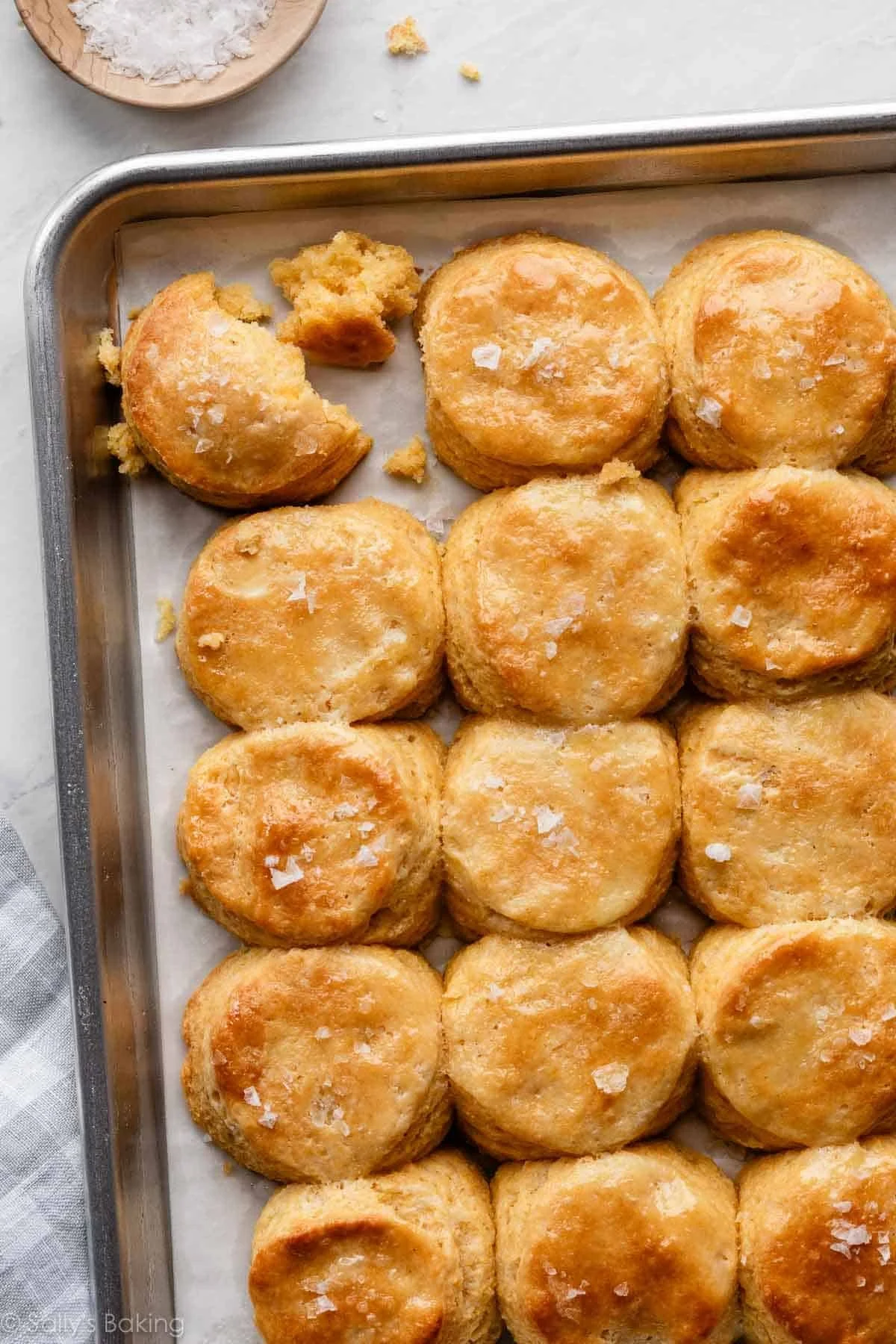

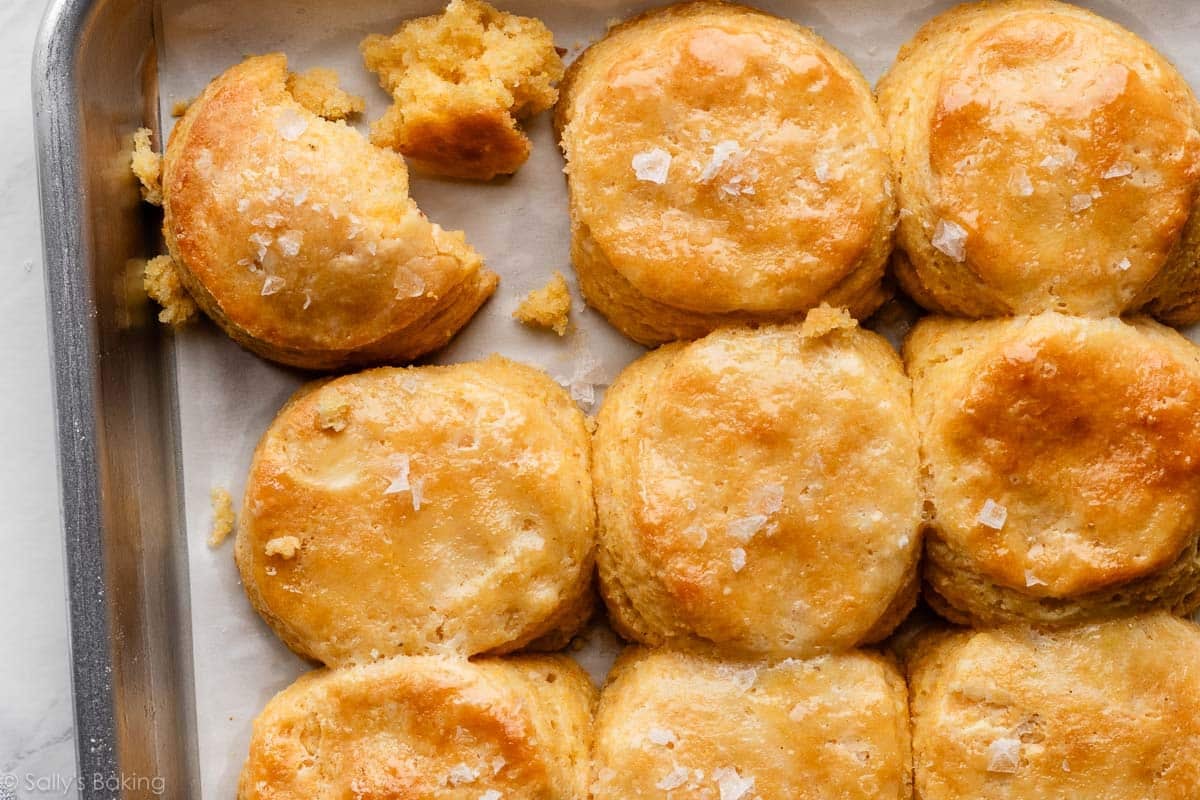
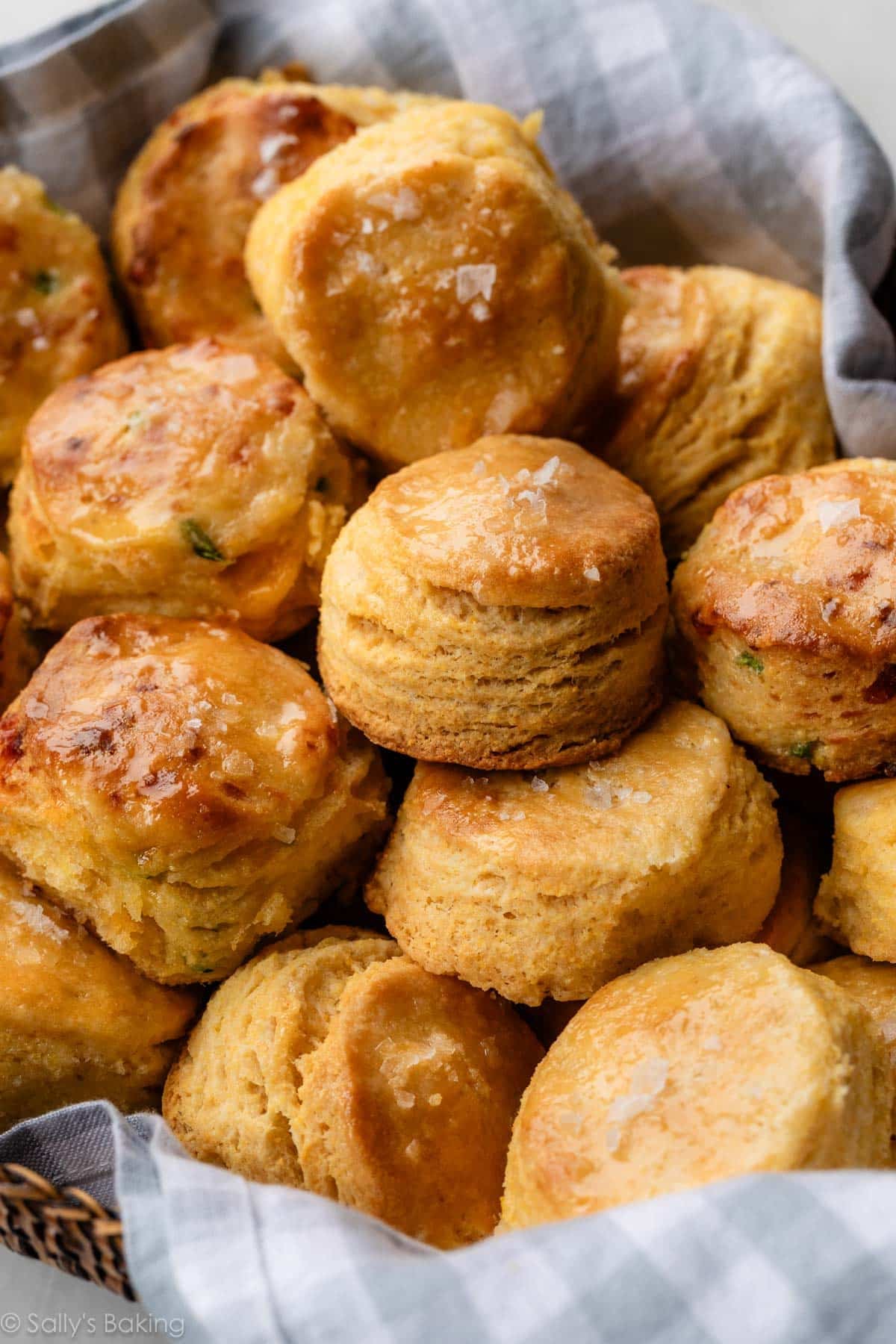
A culinary fusion capturing the essence of two beloved American comfort foods, cornbread biscuits have emerged as a golden, buttery marvel, offering a unique blend of texture and taste that transcends traditional expectations. These innovative biscuits marry the flaky, tender layers characteristic of classic buttermilk biscuits with the subtle sweetness, rustic flavor, and lightly crisp texture imparted by cornmeal. Enhanced with a touch of honey for a delicate sweetness, and meticulously prepared using cold butter and buttermilk, they promise a wonderfully tender interior and impressive, sky-high layers. Beyond their plain, irresistible form, these biscuits offer versatile variations, including savory jalapeño cheddar and the delightfully sweet and smoky maple bacon, making them a perfect accompaniment for an extensive array of meals.
The Genesis of a Southern Comfort Hybrid: Blending Culinary Traditions
The creation of cornbread biscuits represents a thoughtful evolution in comfort food, bringing together two distinct pillars of American culinary heritage: the buttermilk biscuit and cornbread. Each boasts a rich history and a cherished place at the American table.
The classic buttermilk biscuit, a staple of Southern cuisine, has roots dating back centuries. Evolving from simple hardtack, it transformed into the tender, leavened quick bread we know today, primarily through the advent of chemical leavening agents like baking powder and the use of acidic buttermilk, which reacts to create lift and tenderness. Biscuits became synonymous with Southern hospitality, served at every meal from breakfast with gravy to dinner alongside fried chicken. Their appeal lies in their light, airy structure, rich buttery flavor, and ability to soak up accompanying sauces and gravies.
Cornbread, on the other hand, predates European settlement, with Indigenous Americans cultivating and processing corn into meal for thousands of years. It became a cornerstone of Southern cooking due to its affordability and the abundance of corn. Traditionally baked in a cast-iron skillet, often with a crispy crust and a moist, crumbly interior, cornbread offers a distinct earthy sweetness and a heartier texture. It serves as a versatile side for chili, barbecue, and greens, and is also enjoyed plain or with butter and honey.
The decision to combine these two iconic quick breads into a "cornbread biscuit" is a stroke of culinary ingenuity. It aims to capture the best attributes of both: the structural integrity and flakiness of a biscuit, coupled with the distinctive flavor and textural intrigue of cornmeal. This hybrid seeks to offer a more robust flavor profile than a plain biscuit and a lighter, more tender crumb than traditional cornbread, creating a new experience that resonates with lovers of both classics. The inclusion of honey further bridges this gap, providing a sweetness often found in cornbread while complementing the buttery biscuit base. This innovation speaks to a broader trend in gastronomy where chefs and home cooks alike explore new dimensions by deconstructing and reassembling familiar flavors and textures.
Crafting Culinary Perfection: The Art and Science Behind the Dough
Achieving the perfect cornbread biscuit hinges on a meticulous understanding of ingredients and technique, ensuring the delicate balance between tenderness, flakiness, and flavor. The process, while seemingly straightforward, employs several key scientific principles that bakers have refined over generations.
Essential Ingredients for Excellence
The foundation of these exceptional biscuits lies in just eight basic ingredients, each playing a critical role. Quality and precise handling of these components are paramount.
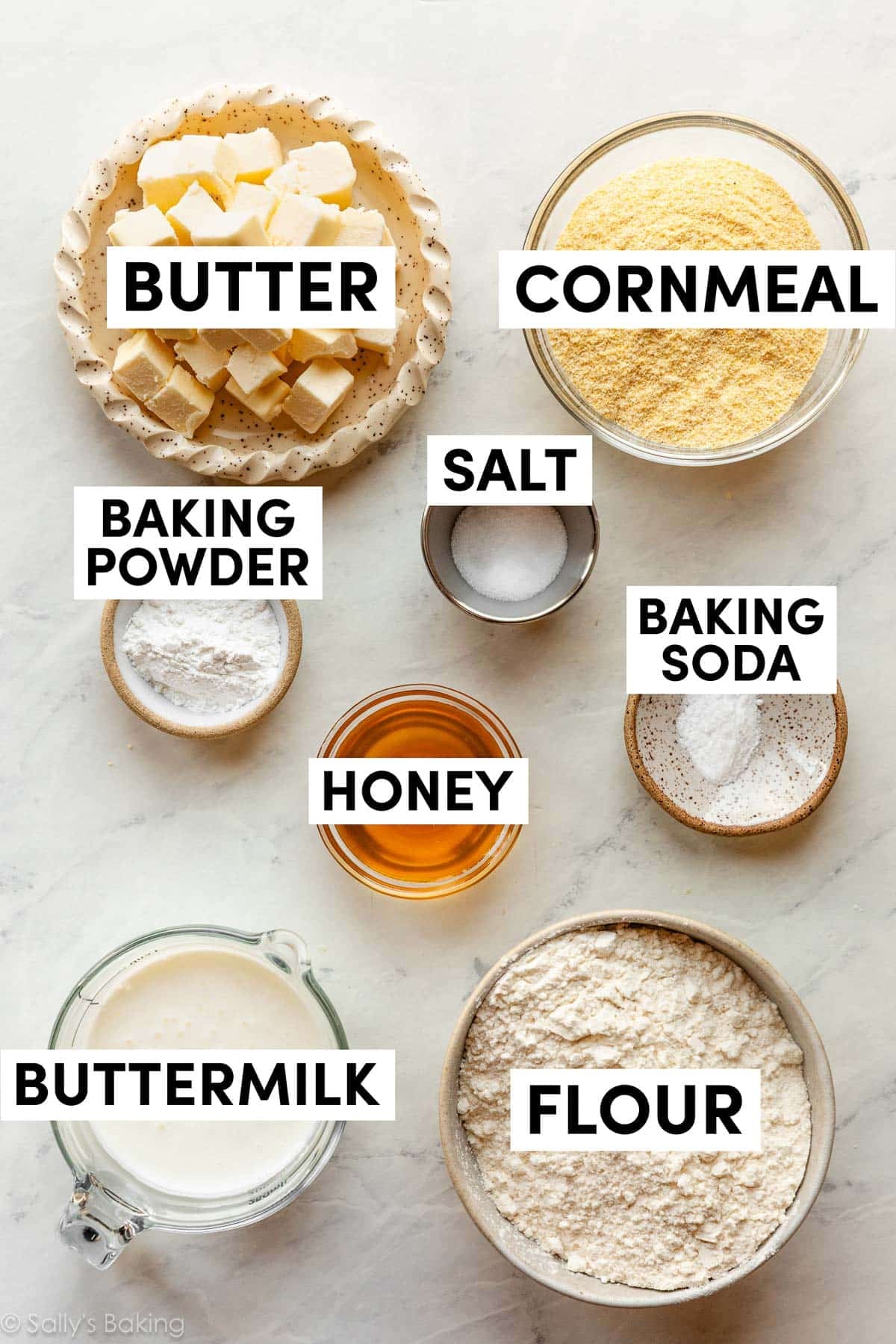
- All-Purpose Flour: Provides the primary structure for the biscuit. Its protein content allows for gluten development, which, when properly managed, contributes to the biscuit’s chew and elasticity without making it tough.
- Cornmeal: The defining ingredient that gives these biscuits their unique character. Fine or medium-ground cornmeal adds a subtle sweetness, a distinctive corn flavor, and a lightly crisp texture, as well as the characteristic golden hue. It is crucial to use quality cornmeal to avoid a gritty texture.
- Cold Unsalted Butter: This is perhaps the most critical ingredient for achieving flaky layers. When cold butter is cut into the dry ingredients, it remains in small, discrete pieces. During baking, the water content in these butter pieces rapidly turns to steam, creating pockets that separate the dough layers, resulting in a wonderfully flaky texture. Using unsalted butter allows the baker to control the overall salt content.
- Cold Buttermilk: The acidic component that reacts with baking powder (and potentially baking soda if used) to create carbon dioxide gas, providing lift and a tender crumb. The acidity also helps to tenderize the gluten in the flour. Crucially, buttermilk must be cold to help keep the butter solid, further contributing to flakiness.
- Honey: Adds a subtle, natural sweetness that complements the cornmeal flavor and contributes to the golden-brown crust. Its liquid form also influences dough hydration.
- Baking Powder: The primary leavening agent. It’s a double-acting leavener, meaning it produces gas upon contact with liquid and again when heated, ensuring a consistent rise.
- Salt: Essential for enhancing the overall flavor of the biscuits, balancing the sweetness, and bringing out the richness of the butter.
- Optional (for finishing): Melted butter, extra honey, and flaky sea salt.
The Meticulous Dough Preparation: A Step-by-Step Approach
The preparation process is a chronological journey designed to optimize texture and flavor.
- Combining Dry Ingredients: The first step involves whisking together the flour, cornmeal, baking powder, and salt. This ensures an even distribution of leavening agents and flavor enhancers throughout the dough.
- Incorporating Cold Butter: The cubed, cold butter is then cut into the dry ingredients. This can be done using a pastry cutter, which efficiently breaks the butter into small, pea-sized pieces while minimizing heat transfer from hands. Alternatively, a food processor can be used for quick pulses, ensuring the butter remains cold and distinct. The goal is to have visible pieces of butter, which are vital for developing those desirable flaky layers during baking. Overworking the butter at this stage will melt it, leading to dense biscuits rather than flaky ones.
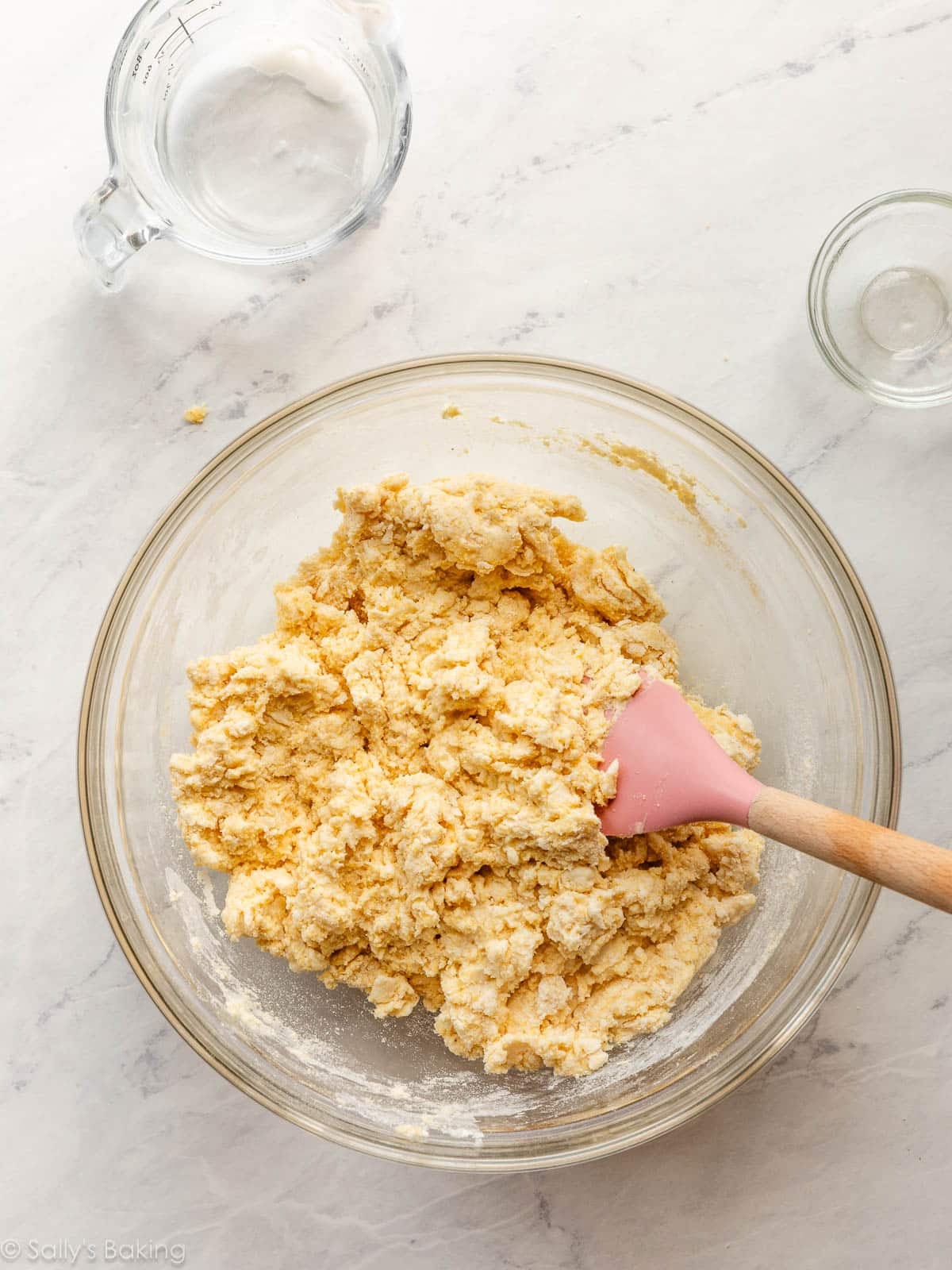
- Adding Liquid Components: The cold buttermilk and honey are then gently mixed into the butter-flour mixture. The cold temperature of the buttermilk is paramount; it prevents the butter from melting prematurely and ensures the leavening reaction occurs at the optimal time. The mixture should form a "shaggy dough" – a loose, somewhat dry consistency with moist spots, indicating that all ingredients are just combined without over-developing the gluten.
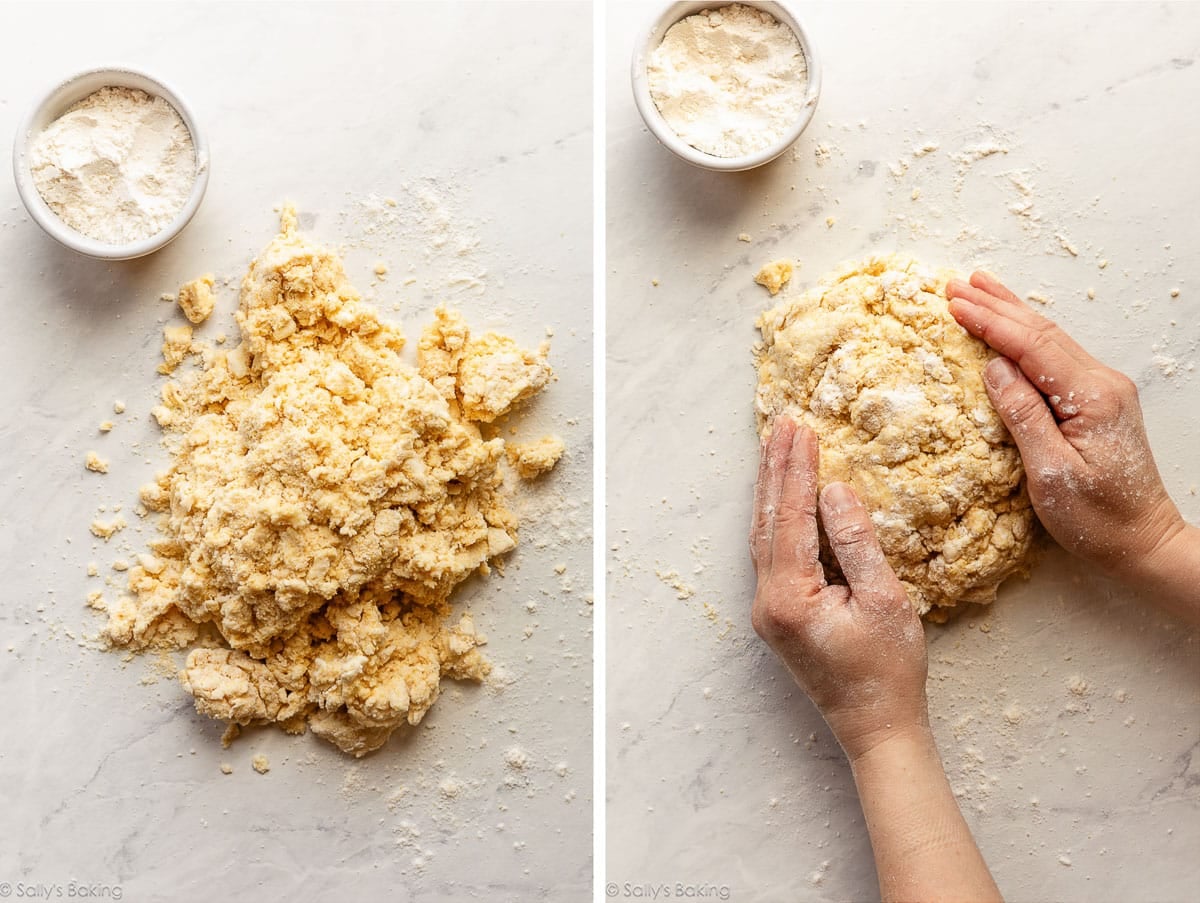
- Bringing the Dough Together: Pouring the shaggy dough onto a lightly floured work surface, the baker gently brings it together with their hands. It will still appear dry and slightly crumbly, but should cohere into a workable mass. This minimal handling prevents excessive gluten development, which can lead to tough biscuits.
The Flaky Layering Technique: A Baker’s Secret
The distinctive "sky-high layered" texture of these biscuits is not accidental; it is the result of a deliberate technique known as laminating or folding and flattening, similar to methods used for croissants or puff pastry. This step, while adding a few minutes to the preparation, dramatically impacts the final product.
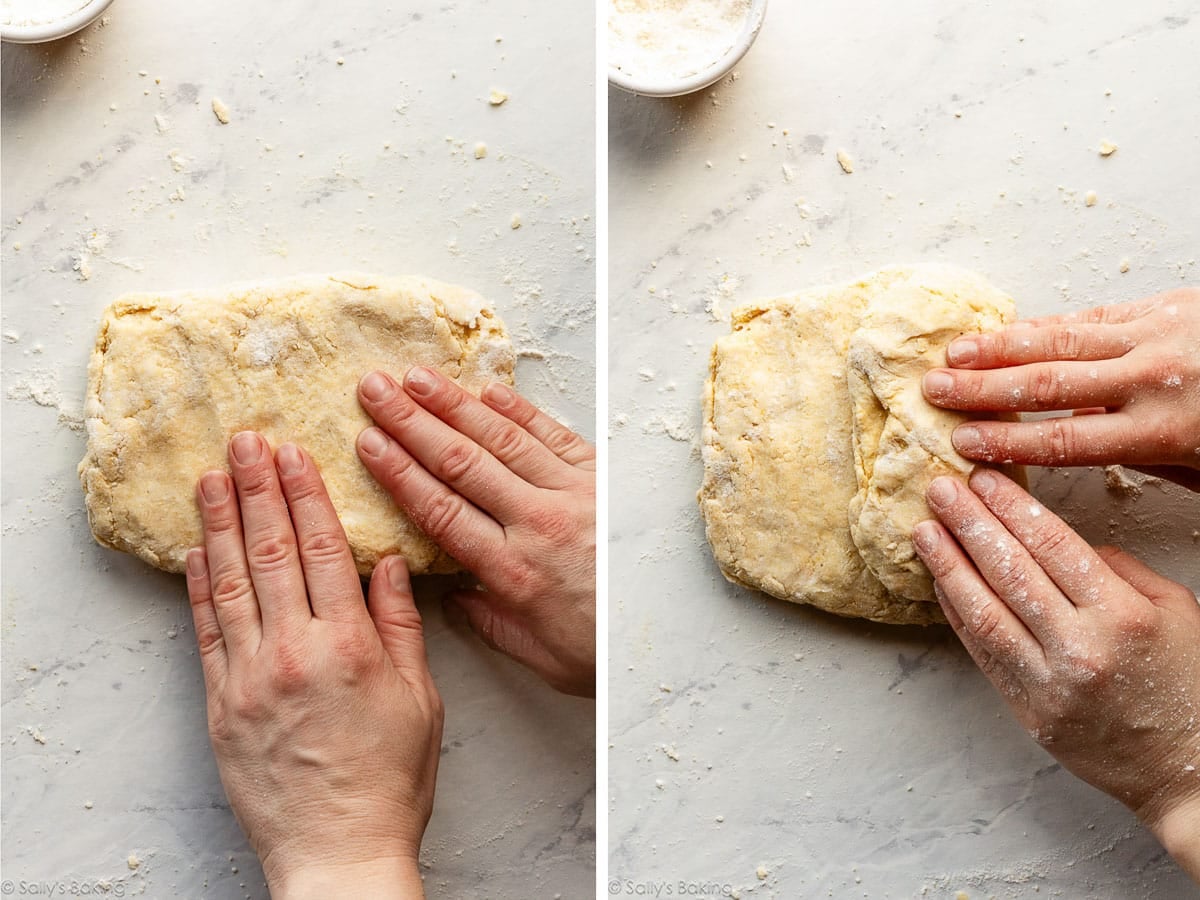
- Initial Shaping: The dough is first shaped into a rectangle, approximately 3/4 inch thick. This initial shape facilitates even folding.
- The "Business Letter" Fold: One side of the rectangle is folded into the center, and then the other side is folded over top, much like folding a business letter. This creates three distinct layers.
- Repeat and Rotate: The folded dough is then rotated 90 degrees, flattened again to 3/4-inch thickness, and the folding process is repeated two more times. This sequential folding and flattening multiply the layers within the dough. Each fold traps tiny pockets of butter and air. During baking, these butter pockets release steam, forcing the layers apart and creating the characteristic light, airy, and flaky texture. This process ensures the biscuits rise tall and separate beautifully.
Shaping and Preparation for Baking
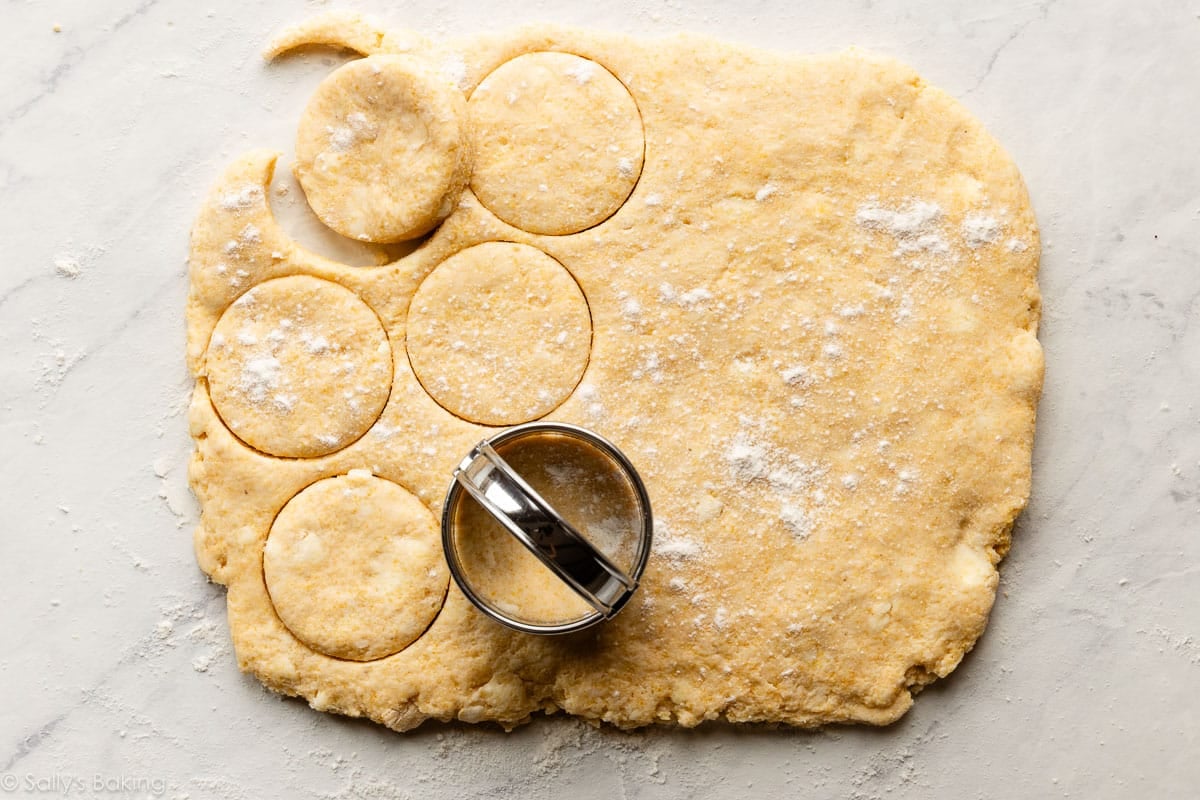
After the crucial folding, the dough is ready for shaping. A biscuit cutter is the preferred tool for uniform, round biscuits, with a 2-inch cutter yielding 15-18 smaller biscuits, and a 2.5-inch cutter producing 10-12 larger ones. If a cutter is unavailable, the dough can be cut into squares using a knife. It is essential to press the cutter straight down without twisting to ensure the layers remain distinct. Any dough scraps should be gently gathered, briefly re-folded, and cut again to minimize waste.
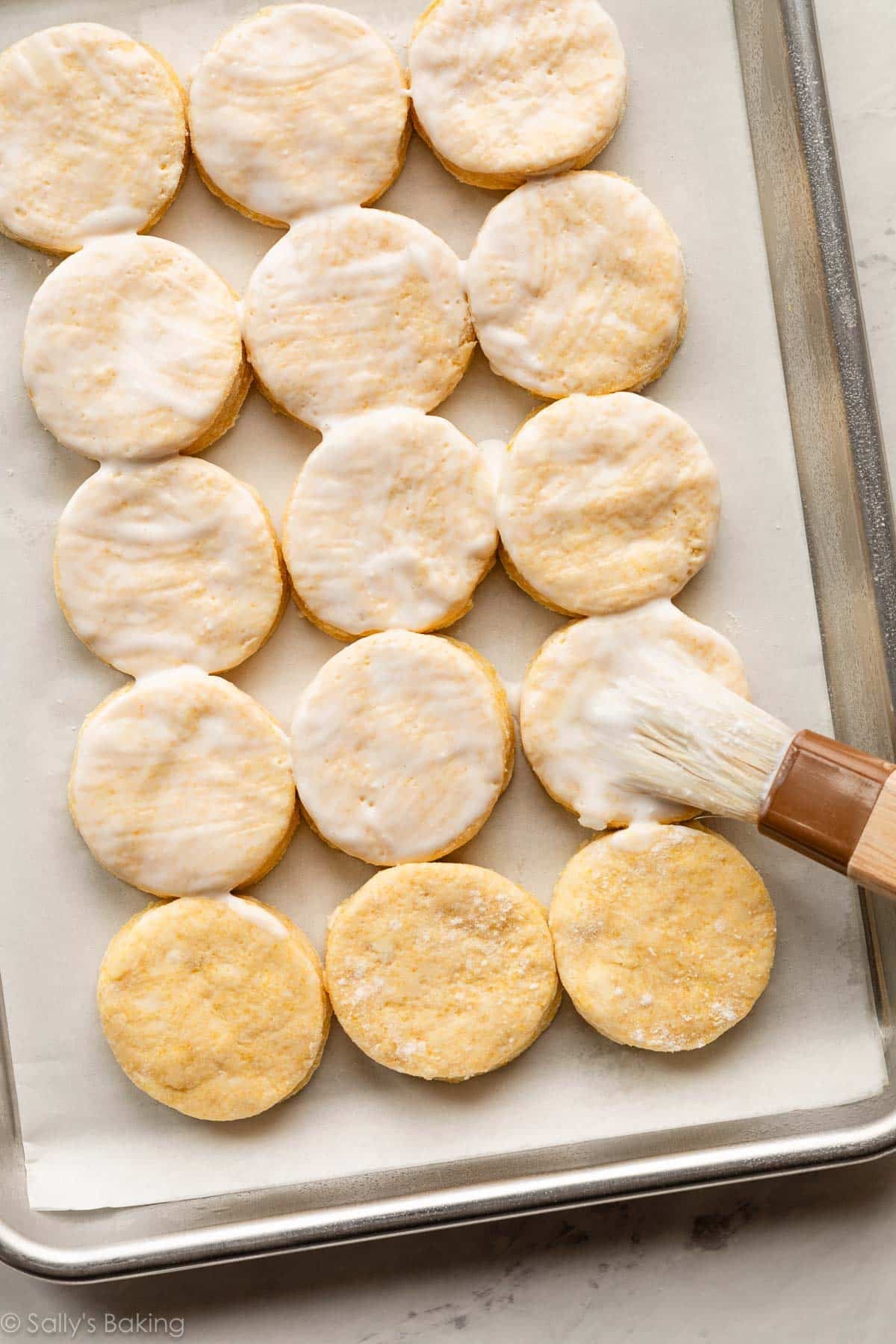
The shaped biscuits are then arranged closely together—ideally touching—on a lined baking sheet or in a cast iron skillet. This proximity encourages the biscuits to rise upward rather than spreading outward, contributing to their impressive height. Finally, a brush of buttermilk over the tops before baking promotes an even, golden-brown crust.
The Golden Bake and Finishing Touches: Elevating the Experience
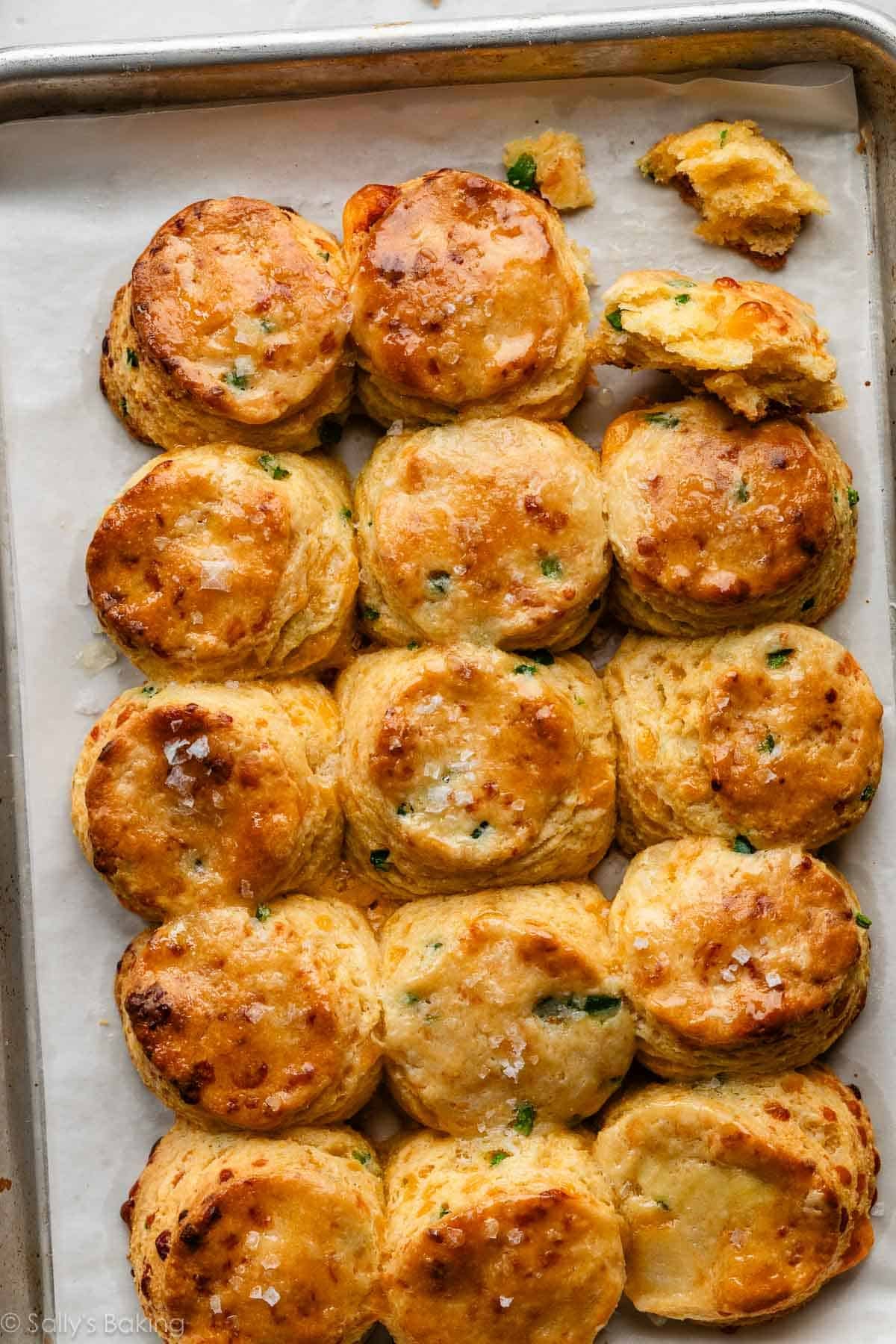
The baking process itself transforms the raw dough into golden, aromatic biscuits. Baked at a relatively high temperature, the intense heat ensures a rapid rise and a crisp exterior while the interior cooks through to a tender, fluffy consistency. Once removed from the oven, still warm, they receive a final flourish: a brush of melted butter combined with a touch of honey, followed by a sprinkle of flaky sea salt. This finishing touch not only adds an extra layer of moisture and sweetness but also introduces a subtle saltiness that perfectly contrasts and enhances the biscuit’s overall flavor profile, elevating them from "good" to "great."
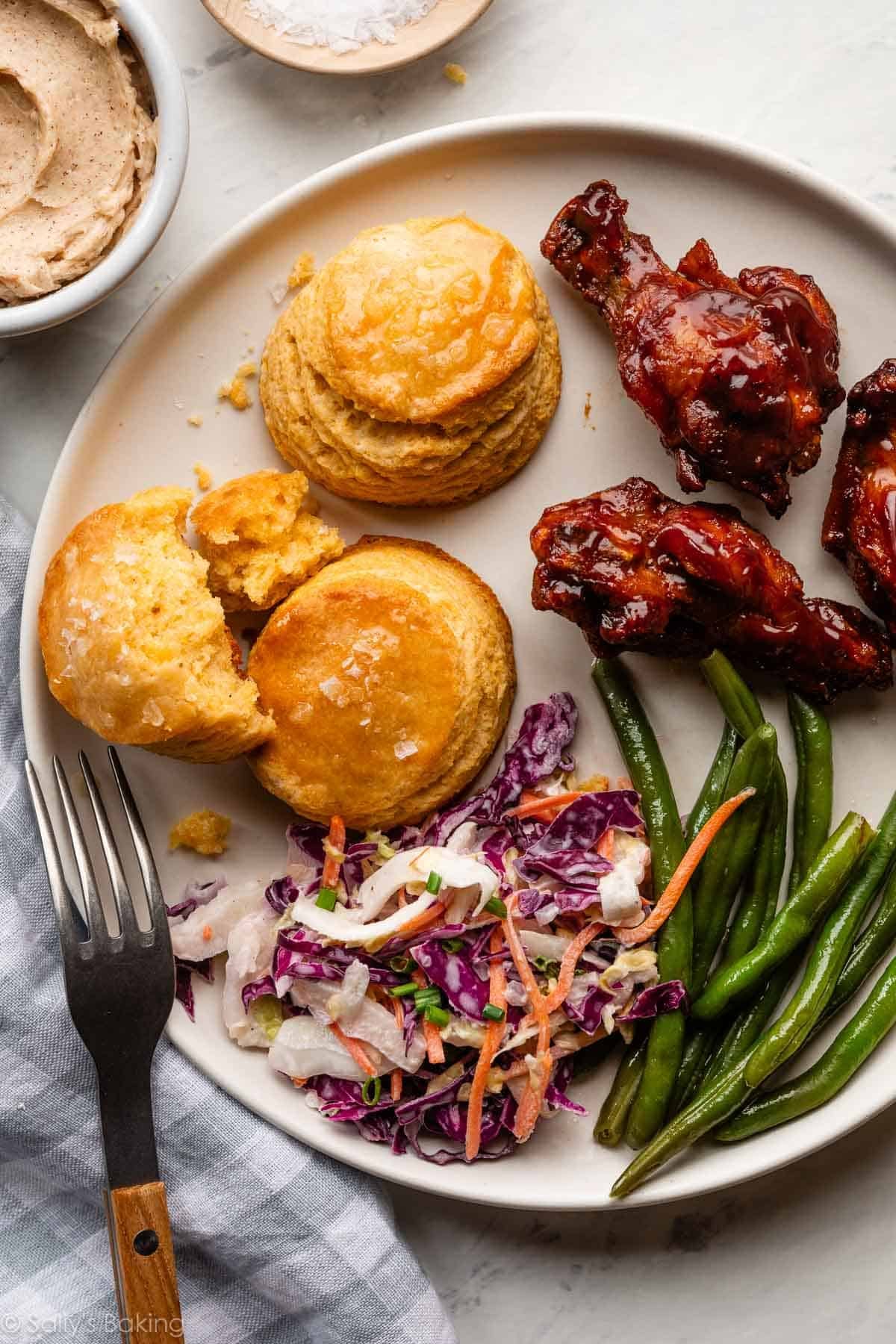
These versatile cornbread biscuits are designed for enjoyment in various settings. They are sublime served warm with homemade honey butter or cinnamon butter, or with simple peach preserves. Their robust flavor and texture make them an ideal companion for hearty meals such as barbecue, chili, or a variety of soups. For breakfast, they can transform into delicious breakfast sandwiches when paired with savory maple chicken breakfast sausage and eggs, offering a more substantial and flavorful alternative to traditional toast or plain biscuits.
Beyond the Classic: Exploring Flavorful Variations
The base cornbread biscuit recipe is inherently adaptable, lending itself beautifully to a spectrum of flavor enhancements. This versatility ensures that there’s a cornbread biscuit for almost every palate and occasion. The original article highlights two particularly popular and well-received variations: Jalapeño Cheddar and Maple Bacon.
Jalapeño Cheddar Cornbread Biscuits
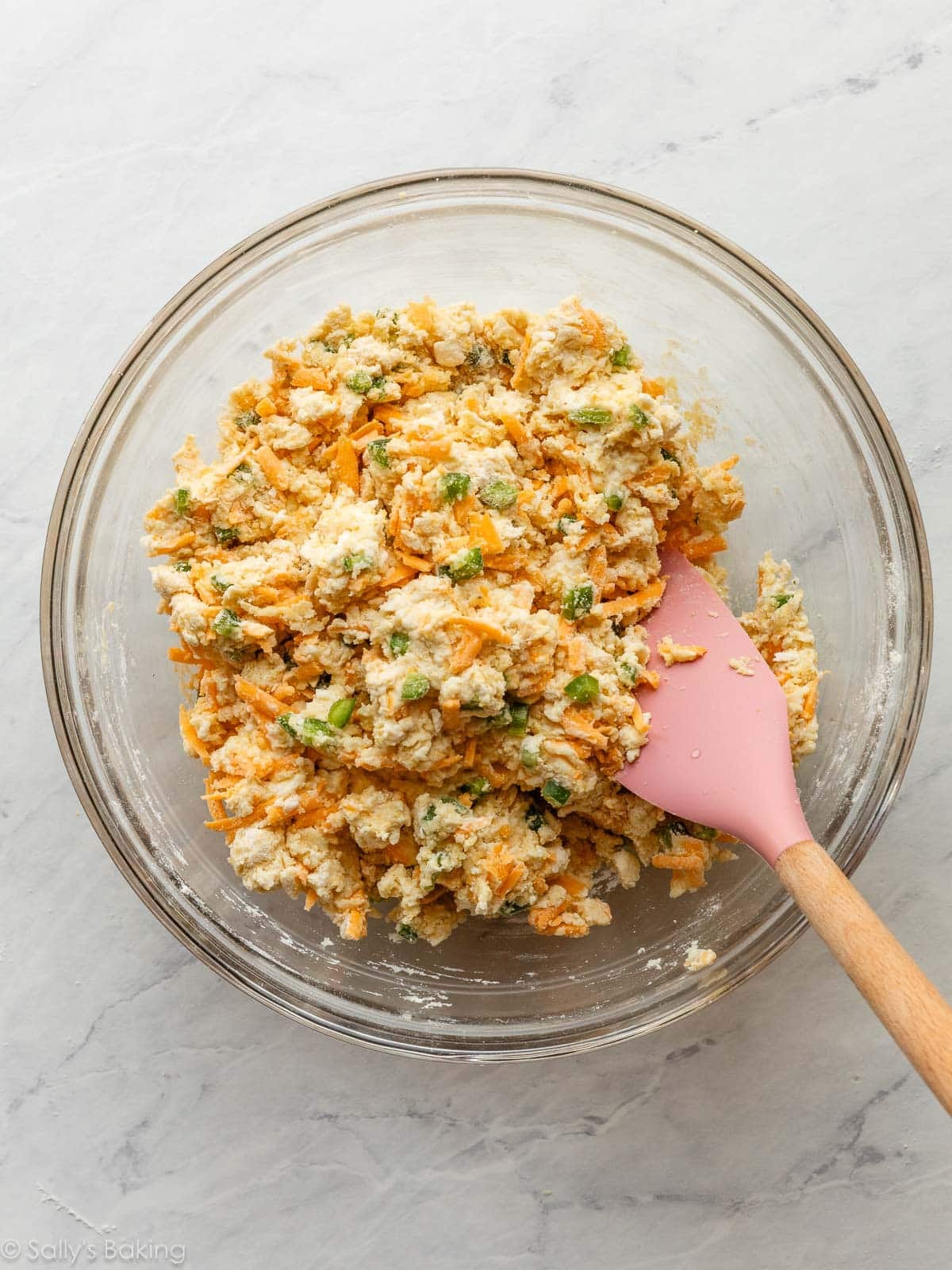
This variation introduces a delightful savory kick and a cheesy richness that transforms the biscuit into a more robust offering. To prepare, finely dice one deseeded jalapeño pepper and freshly shred sharp cheddar cheese. These additions are folded into the dough just before the flattening and folding steps. The jalapeño provides a mild heat and fresh, slightly peppery flavor, while the sharp cheddar melts into gooey pockets, creating a savory, piquant profile. This version is particularly well-suited to accompany spicy chilis, hearty stews, or as a flavorful bread option for a Tex-Mex inspired meal. The subtle sweetness of the cornbread base provides a wonderful counterpoint to the heat of the jalapeño and the tang of the cheddar.
Maple Bacon Cornbread Biscuits
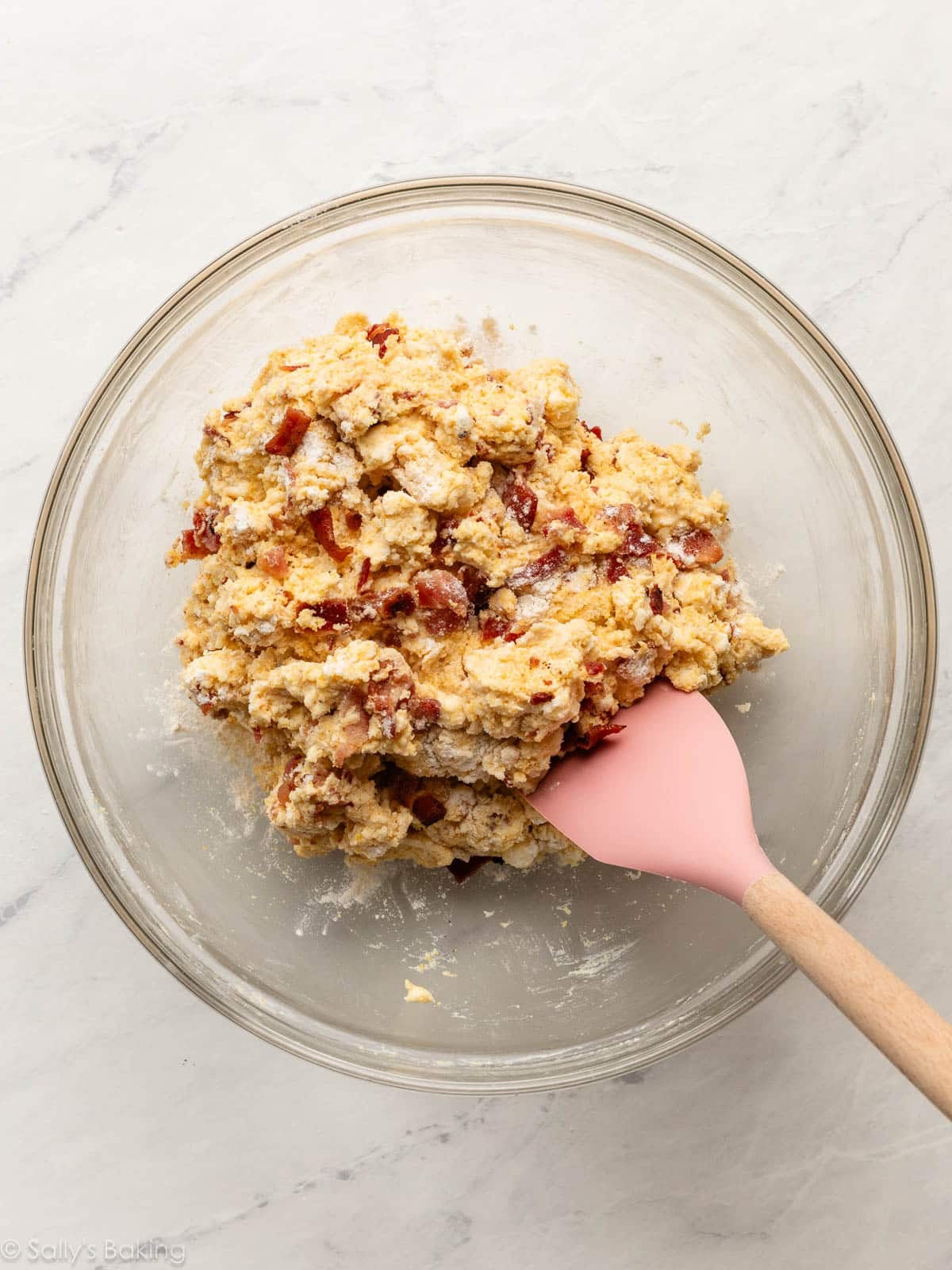
For those who appreciate the interplay of sweet and savory, the Maple Bacon variation is an irresistible choice. In this version, the original honey in the recipe is replaced with pure maple syrup, imparting a deeper, more complex sweetness with characteristic caramel notes. Additionally, cooked and crumbled or chopped bacon is folded into the dough. The bacon introduces a smoky, salty, and umami richness that perfectly balances the maple sweetness. These biscuits are a phenomenal breakfast item, pairing exceptionally well with scrambled eggs, a side of fruit, or even as the base for a unique breakfast sandwich. The crispy bits of bacon distributed throughout the tender biscuit add a satisfying textural contrast.
These variations demonstrate the adaptability of the cornbread biscuit, allowing home cooks to customize them to suit different meal profiles or personal preferences, further solidifying their place as a versatile culinary staple.
Enthusiastic Reception: Voices from the Culinary Community
The innovative cornbread biscuit recipe has garnered significant praise from those who have tried it, with numerous readers sharing their positive experiences. Their testimonials underscore the recipe’s ease of preparation, delicious outcome, and versatility.
Emily, an enthusiastic reader, commented, "What a great combo—cornbread and biscuits. Yum! Easy to make, great directions as usual, and very yummy. My family of 4 finished the whole batch except for 2 (and we are all eyeballing those leftovers, trust me!). Served them with the honey butter and some chili. Perfect combo." Her feedback highlights the immediate appeal of the fusion concept, the clarity of the instructions, and the universal family appeal, particularly when paired with savory dishes like chili and honey butter.
Elizabeth, another satisfied baker, shared her delight, stating, "These cornbread biscuits were easier to make than I thought, and they came out amazing. Think flaky biscuit with a cornmeal crunch! So delicious." Elizabeth’s comment points to a common apprehension among home bakers regarding biscuit recipes, often perceived as challenging. Her experience debunks this, emphasizing the achievable success and the unique textural blend—flaky yet with a distinct cornmeal crunch—that defines these biscuits.
Nikki, echoing the sentiment of ease and exceptional taste, remarked, "Goodness, these are so delicious! Easier to prepare than I expected. I had a 2.5-inch biscuit cutter and ended up with a perfect dozen. I made the regular version and now can’t wait to try the other two. We ate them as they came out of the oven, warm and soft, with pillowy layers and great flavor. Yum!" Nikki’s detailed feedback reinforces the simplicity of the process, provides practical sizing information (a dozen from a 2.5-inch cutter), and vividly describes the sensory experience of enjoying them fresh from the oven—warm, soft, with pillowy layers and great flavor. Her eagerness to explore the variations further attests to the recipe’s compelling nature and broad appeal.
Collectively, these reader comments serve as powerful endorsements, validating the recipe’s success in delivering on its promise of delicious, tender, and uniquely flavored biscuits that are both approachable for home bakers and satisfying for discerning palates.
Culinary Impact and Versatility: A Staple Reimagined
The introduction of cornbread biscuits into the culinary repertoire signifies more than just a new recipe; it represents a thoughtful reimagining of two fundamental comfort foods, creating a versatile staple that caters to contemporary tastes and diverse meal occasions. This hybrid creation seamlessly bridges the gap between sweet and savory, rustic and refined, offering a compelling option for any meal of the day.
Their inherent adaptability means these biscuits can elevate a simple breakfast, providing a more substantial and flavorful alternative to toast or plain rolls. Paired with eggs, sausage, or preserves, they transform morning routines into culinary experiences. As a side dish, they excel in complementing hearty stews, chilis, and barbecue spreads, where their ability to absorb rich flavors and add textural contrast is highly valued. The savory variations, like jalapeño cheddar, further expand their utility, making them suitable for lunch or dinner courses that demand a more robust bread offering.
Beyond savory applications, the foundational strength of the biscuit dough allows for innovative dessert creations. The article notes that similar biscuit bases can be adapted for sweet dishes such as berry cobbler and homemade strawberry shortcake, underscoring the broad utility of the core technique. This versatility positions the cornbread biscuit not merely as a novelty but as a foundational element that can inspire countless culinary experiments, from sweet to savory.
The trend of blending traditional recipes to create novel culinary experiences is a significant one in modern gastronomy. Cornbread biscuits are a prime example of how respecting culinary heritage while embracing innovation can lead to exciting new flavors and textures. They offer home cooks and professional chefs alike an opportunity to explore new dimensions within familiar comfort food categories. Their ease of preparation, coupled with their impressive taste and visual appeal, ensures their potential to become a beloved addition to many kitchens, proving that sometimes, the best way forward in cooking is to thoughtfully look back at what has worked well and then creatively combine those elements. This recipe is a testament to the enduring appeal of simple, wholesome ingredients elevated by smart technique and a touch of creative flair.