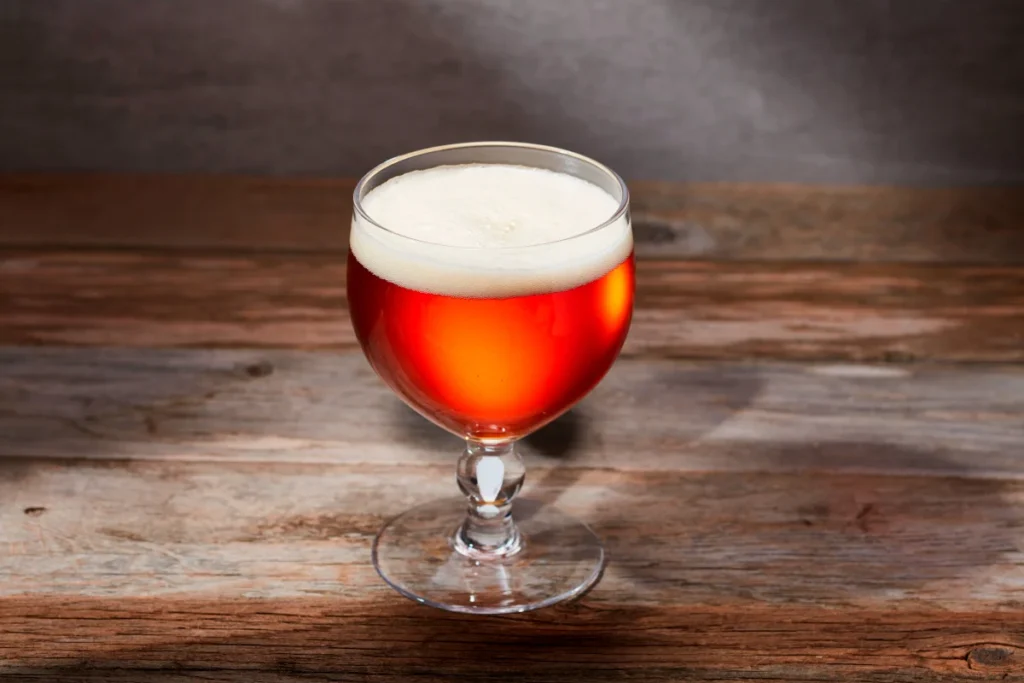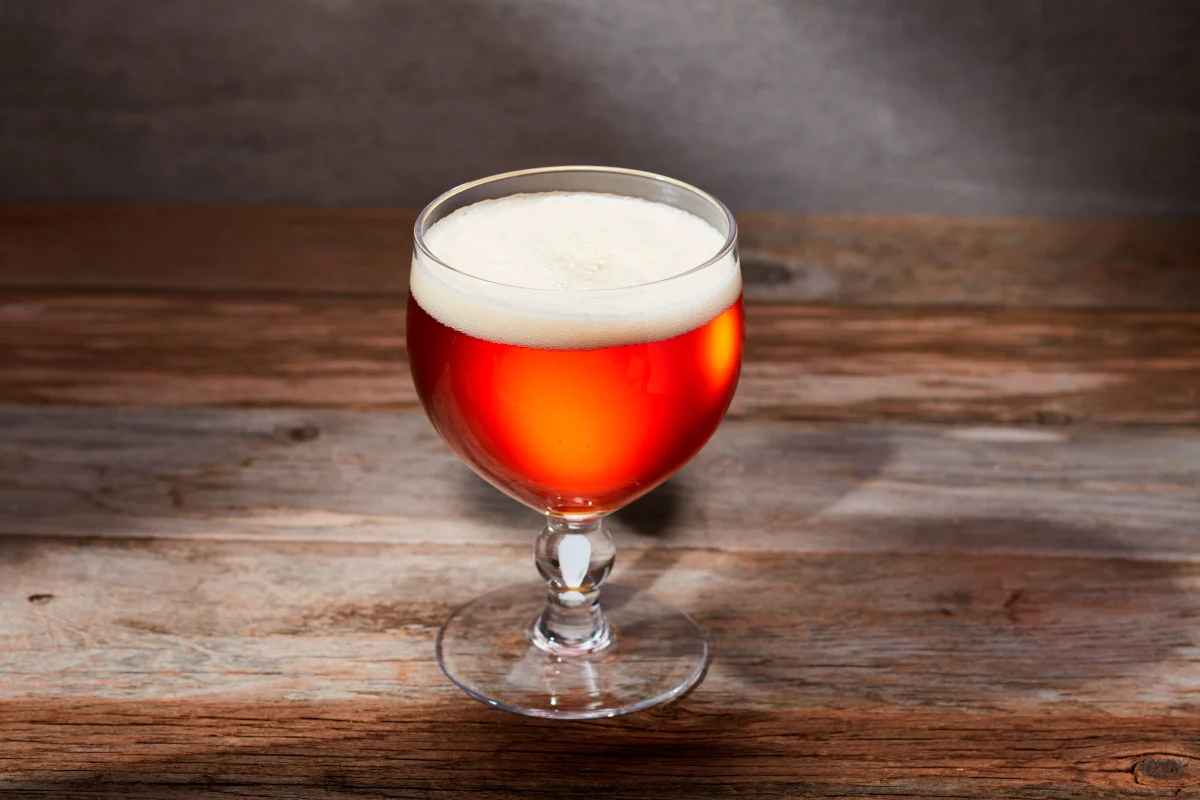

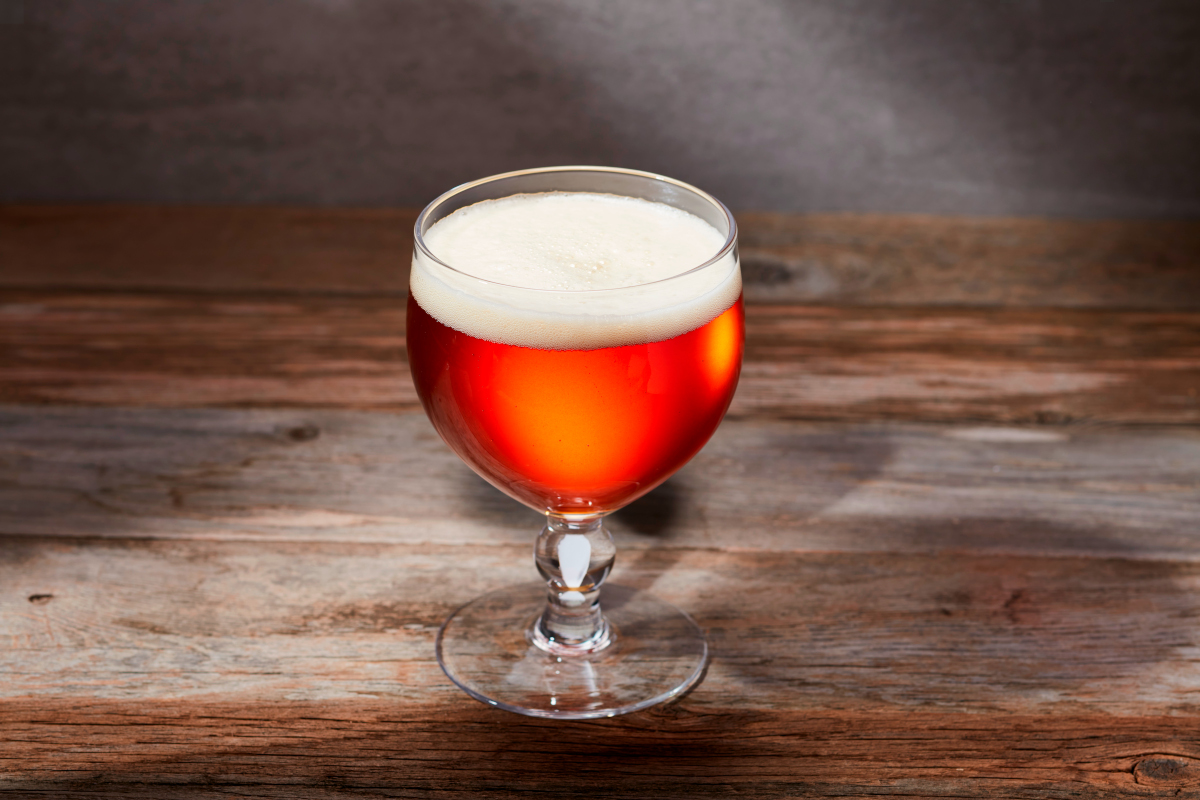
The American homebrewing circuit has reached a new pinnacle of technical precision with the release of a gold-medal-winning recipe that exemplifies the marriage of traditional German brewing methodology and modern laboratory-grade control. This copper-colored lager, characterized by its SRM of 11 and a balanced 5% Alcohol by Volume (ABV), represents a masterclass in the Hochkurz mash schedule—a specialized decoction-alternative technique designed to optimize malt enzymatic activity. The recipe, which recently garnered top honors in its category, provides a blueprint for achieving professional-tier clarity, foam stability, and flavor complexity within a home-scale environment. By utilizing Reverse Osmosis (RO) water as a blank canvas and employing a rigorous fermentation profile, the brewer has established a benchmark for the style, emphasizing that excellence in brewing is as much about process management as it is about ingredient selection.
Technical Specifications and Recipe Architecture
The success of this award-winning entry is rooted in its meticulously calculated specifications, which target a highly drinkable yet flavorful profile. The recipe is designed for a 5.5-gallon (20.8 L) yield, a standard volume for competitive homebrewing that allows for loss during transfer while ensuring a full 5-gallon keg for evaluation.
The gravity readings reveal a lean but sturdy fermentable base. The Original Gravity (OG) is set at 1.049 (12.2°P), a figure that provides enough malt backbone to support the copper-hued specialty grains without becoming cloying. The Final Gravity (FG) of 1.011 (2.7°P) indicates a high degree of attenuation, resulting in a crisp finish that is essential for sessionable copper ales and lagers. With an efficiency rating of 68%, the recipe acknowledges the realities of home-scale systems while maintaining a professional standard for extract potential. The bitterness is restrained at 20 International Bitterness Units (IBUs), providing just enough counterpoint to the malt sweetness to ensure a clean palate.
The Hochkurz Mash: A Study in Enzymatic Efficiency
Central to the success of this beer is the use of the Hochkurz mash schedule, a traditional German technique (literally meaning "high-short") that skips the lower-temperature protein rests in favor of two specific saccharification rests. This method is particularly effective for modern, highly modified malts where a protein rest might actually be detrimental to head retention.
The process begins with a mash-in at 146°F (63°C), held for 20 minutes. This temperature is the "sweet spot" for beta-amylase, the enzyme responsible for creating fermentable sugars (maltose). By focusing on this window, the brewer ensures the high attenuation seen in the 1.011 final gravity. The temperature is then increased to 156°F (69°C) for 35 minutes. At this stage, alpha-amylase becomes more active, producing unfermentable dextrins that contribute to the beer’s body and "mouthfeel," preventing the 5% ABV beer from feeling thin or watery. The final step is a mashout at 168°F (76°C), which halts enzymatic activity and lowers the viscosity of the wort for a more efficient lauter.
Water Chemistry and Mineral Composition
The foundation of this gold-medal profile is its water chemistry. The brewer begins with Reverse Osmosis (RO) water, which is stripped of all minerals, providing a "tabula rasa." This allows for total control over the mash pH and the flavor-enhancing ions. The recipe specifies a target mash pH of 5.3, which is the ideal range for enzymatic health and ensures a bright, clean hop character and better protein precipitation during the boil.
To achieve the desired profile for a copper ale, brewing salts are added to the strike water. While specific salt ratios vary by regional water profiles, the goal in this style is typically a balance between calcium sulfate (gypsum) and calcium chloride. The sulfate enhances the crispness of the hops, while the chloride emphasizes the roundness of the malt. This precise mineral adjustment is often what separates medal-winning beers from "good" homebrews, as it directly impacts the "crispness" and "clarity" of the final product.
Chronology of the Boil and Hop Utilization
The boiling phase for this recipe extends to 90 minutes, a duration longer than the standard hour-long boil. This extended time serves several critical functions:
- DMS Volatilization: Longer boils ensure that Dimethyl Sulfide (DMS), a compound that can produce creamed-corn off-flavors (especially common in lightly kilned German malts), is completely boiled off.
- Maillard Reactions: The 90-minute window allows for subtle kettle caramelization, contributing to the SRM 11 copper color and adding depth to the malt profile.
- Protein Coagulation: A vigorous 90-minute boil promotes a better "hot break," leading to a clearer final beer.
The hopping schedule is minimalist, reflecting the style’s focus on malt-hop balance. Magnum hops are added at the 60-minute mark. Magnum is prized by competitive brewers for its "clean" bitterness; it provides the necessary IBUs without introducing harsh, grassy, or vegetal tannins. A Whirlfloc tablet is added with 10 minutes remaining to act as a kettle fining agent, binding with proteins to ensure the beer achieves a brilliant, "star-bright" appearance.
Advanced Fermentation and Diacetyl Management
The fermentation stage is where the gold medal is truly won or lost. The recipe calls for the wort to be chilled to 50°F (10°C) before oxygenation and yeast pitching. This cool start is essential for a clean fermentation profile, minimizing the production of esters (fruity flavors) and fusel alcohols. The addition of a Servomyces yeast nutrient capsule provides the essential zinc and trace minerals required for yeast health in a high-stress, cool environment.
The fermentation timeline is divided into three distinct phases:
- Primary Phase: 5–7 days at a steady 50°F (10°C).
- Diacetyl Rest: The temperature is allowed to "free rise" to 58°F (14°C) and held for 7 days. This rise in temperature encourages the yeast to reabsorb diacetyl, a fermentation byproduct that smells and tastes like artificial butter.
- Cold Crash and Lagering: Once attenuation is confirmed and a "forced diacetyl test" (a sensory test involving heating a sample to check for precursor compounds) is passed, the beer is crashed. The temperature is dropped by 2–4°F per day until it reaches 35–37°F (2–3°C).
This gradual cooling prevents the yeast from going into shock and allows for the slow precipitation of yeast and proteins, contributing to the beer’s ultimate stability and clarity.
Finishing and Presentation
The final steps involve a commitment to "brilliant" clarity. The recipe suggests the addition of gelatin during the kegging process. Gelatin acts as a fining agent that clears out any remaining haze-forming proteins. The beer is then carbonated to 2.6 volumes of CO2. This level of carbonation is slightly higher than average, providing a lively effervescence that scrubs the palate and helps to "lift" the malt aromas toward the nose, enhancing the overall sensory experience of the goblet-poured copper ale.
Broader Impact on the Homebrewing Community
The release of such a detailed, successful recipe has significant implications for the hobbyist brewing community. It reinforces the trend toward "technical brewing," where the focus has shifted from high-alcohol, experimental "extreme" beers toward the mastery of subtle, traditional styles.
Industry analysts and competition judges note that the ability to brew a clean, 5% ABV copper ale is a truer test of a brewer’s skill than brewing a heavily hopped IPA. In a lighter style, there are no "flaws" to hide behind; any error in water chemistry, mash temperature, or fermentation will be immediately apparent to the judges. The success of this recipe at a national level underscores the rising standard of education among homebrewers, many of whom are now utilizing tools and techniques—such as pH meters, RO systems, and temperature-controlled fermenters—that were once the exclusive domain of commercial breweries.
Furthermore, recipes like this serve as a vital educational resource. By documenting the exact temperatures and durations of the Hochkurz mash and the specific "free rise" fermentation schedule, the brewer contributes to a collective knowledge base that elevates the quality of the craft as a whole. As homebrewers continue to push the boundaries of technical excellence, the line between "amateur" and "professional" brewing continues to blur, fostering a culture of quality that benefits the entire beer industry.