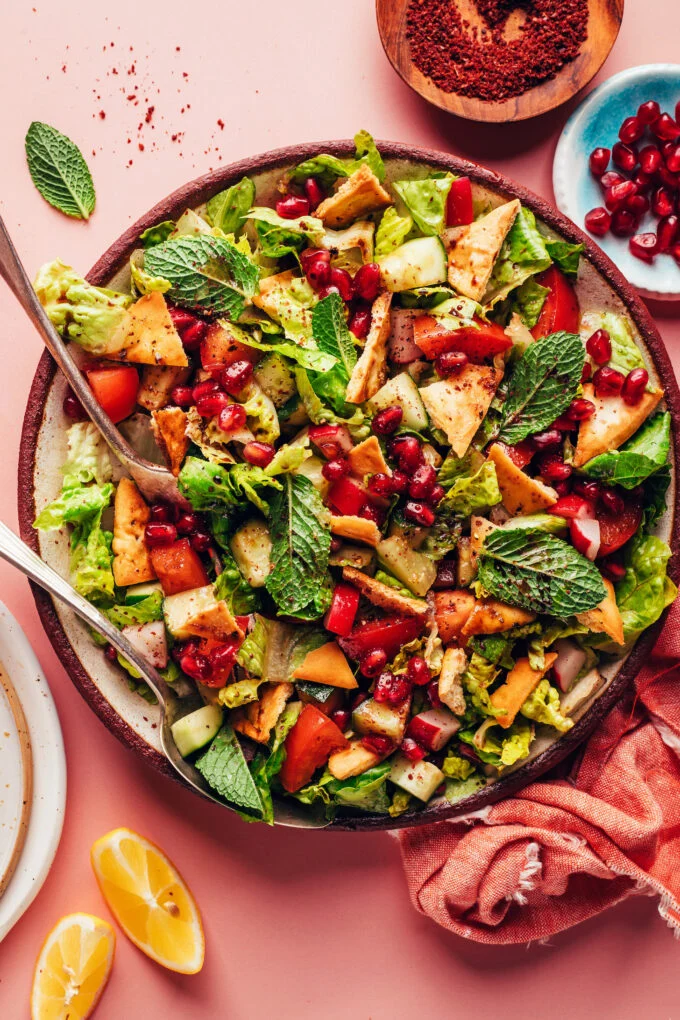

The culinary landscape of the Eastern Mediterranean has long been defined by its ability to transform simple, agrarian ingredients into complex, nutrient-dense dishes. Among these, the Fattoush salad stands as a cornerstone of Levantine gastronomy, representing a tradition of resourcefulness and seasonal eating. In a modern pivot toward efficiency, culinary researchers and recipe developers have streamlined this classic dish into a "one-bowl, 20-minute" format, designed to meet the demands of contemporary weeknight schedules without compromising the integrity of its historical flavor profile. This evolution reflects a broader trend in global food culture: the optimization of heritage recipes for the fast-paced, health-conscious consumer.
The Historical and Cultural Context of Fattoush
To understand the significance of the Fattoush salad, one must look toward the Levant—a geographical and cultural region consisting of modern-day Lebanon, Syria, Jordan, Palestine, Israel, and Cyprus. The term "Fattoush" is derived from the Arabic word "fatteh," which translates literally to "crumbs" or "broken pieces." Historically, this dish falls under the category of "bread salads," a genre of cooking born out of a necessity to minimize food waste. Much like the Italian panzanella, Fattoush was originally conceived as a creative solution for utilizing stale flatbread.
In traditional Levantine households, pita bread is a staple, but its lack of preservatives means it hardens quickly. By frying or toasting these remnants and tossing them with fresh garden vegetables and a tart dressing, rural populations created a dish that provided both hydration and satiety. Today, while fresh pita is often used specifically to create the salad’s signature crunch, the spirit of the dish remains rooted in the agricultural cycles of the Fertile Crescent.
The Modern Adaptation: Efficiency and Accessibility
The contemporary "Easy Fattoush Salad" represents a departure from labor-intensive traditional methods, which often involve multiple bowls for dressing emulsification and separate pans for frying bread. By condensing the process into a single bowl, the recipe acknowledges the "minimalist" movement in home cooking. This approach reduces cleanup time and lowers the barrier to entry for individuals unfamiliar with Middle Eastern cuisine.
Key to this 20-minute iteration is the use of store-bought pita chips or crackers, though the option for homemade chips remains a secondary feature for those wishing to adhere closer to the dish’s zero-waste origins. This adaptation aligns with market data suggesting that "one-pot" or "one-bowl" search terms have seen a significant uptick in digital recipe databases over the last five years, as home cooks prioritize nutritional density alongside time management.
Essential Components and Botanical Profiles
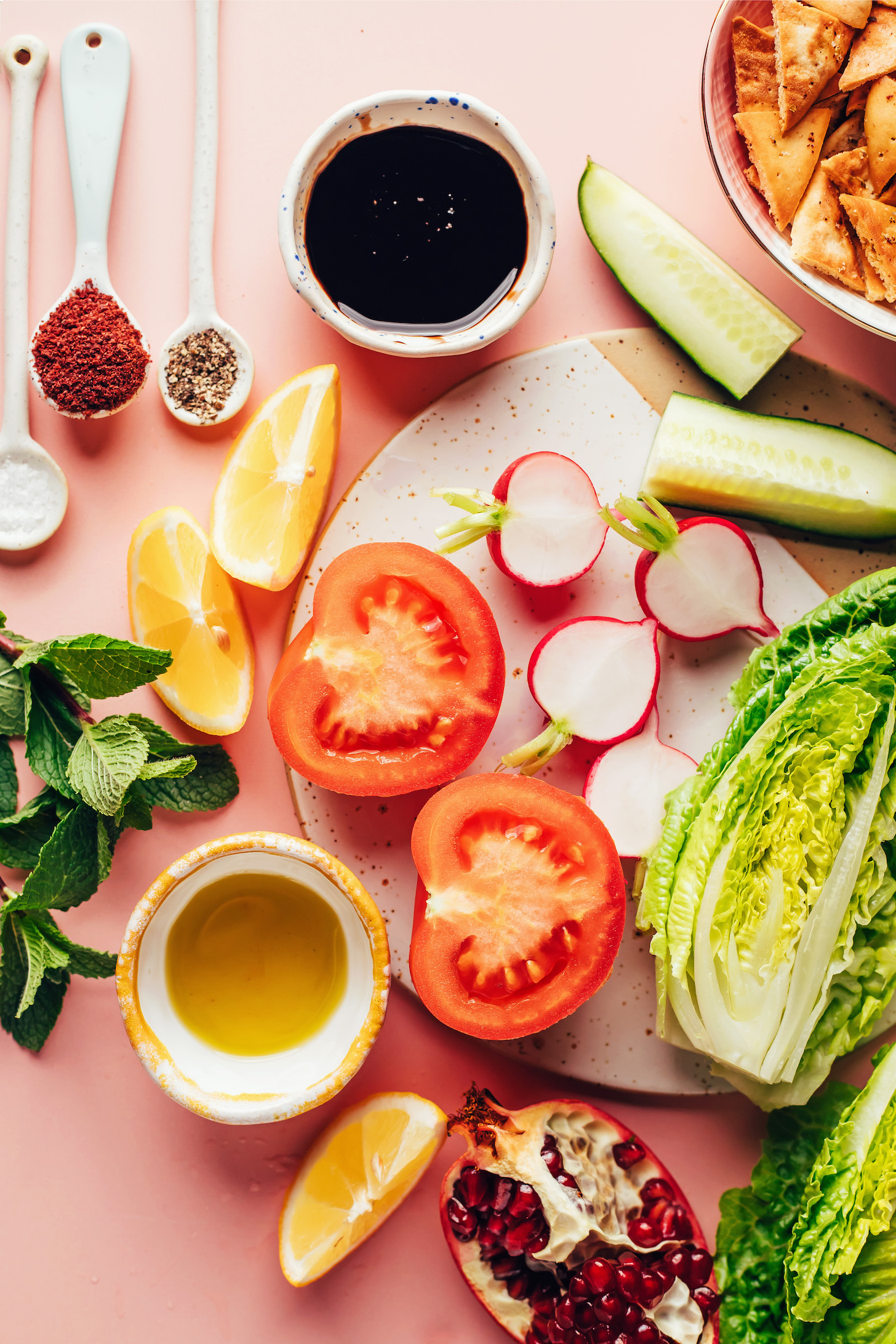
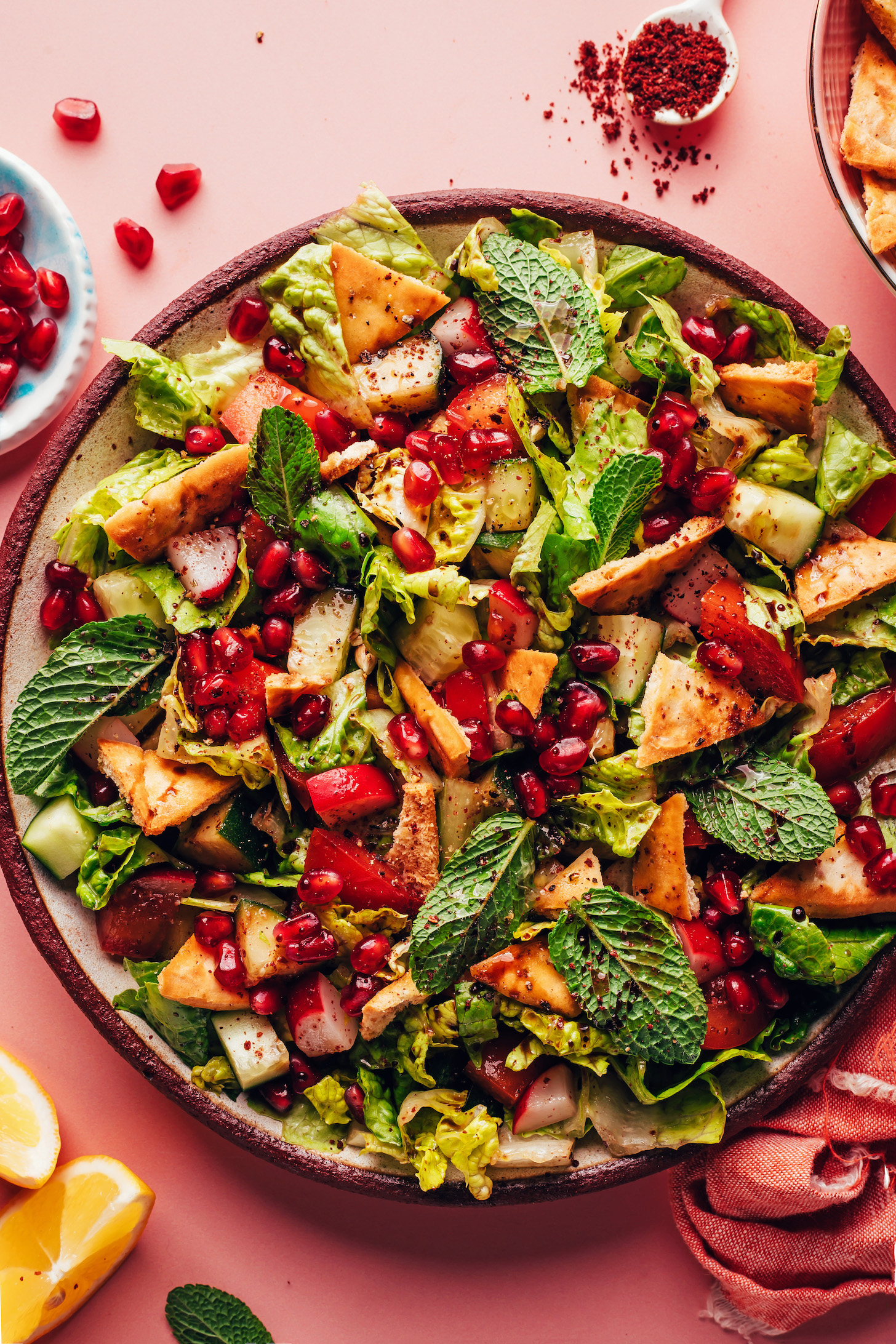
The integrity of a Fattoush salad relies on the quality of its produce and the specific acidity of its dressing. Each component serves a functional and sensory purpose:
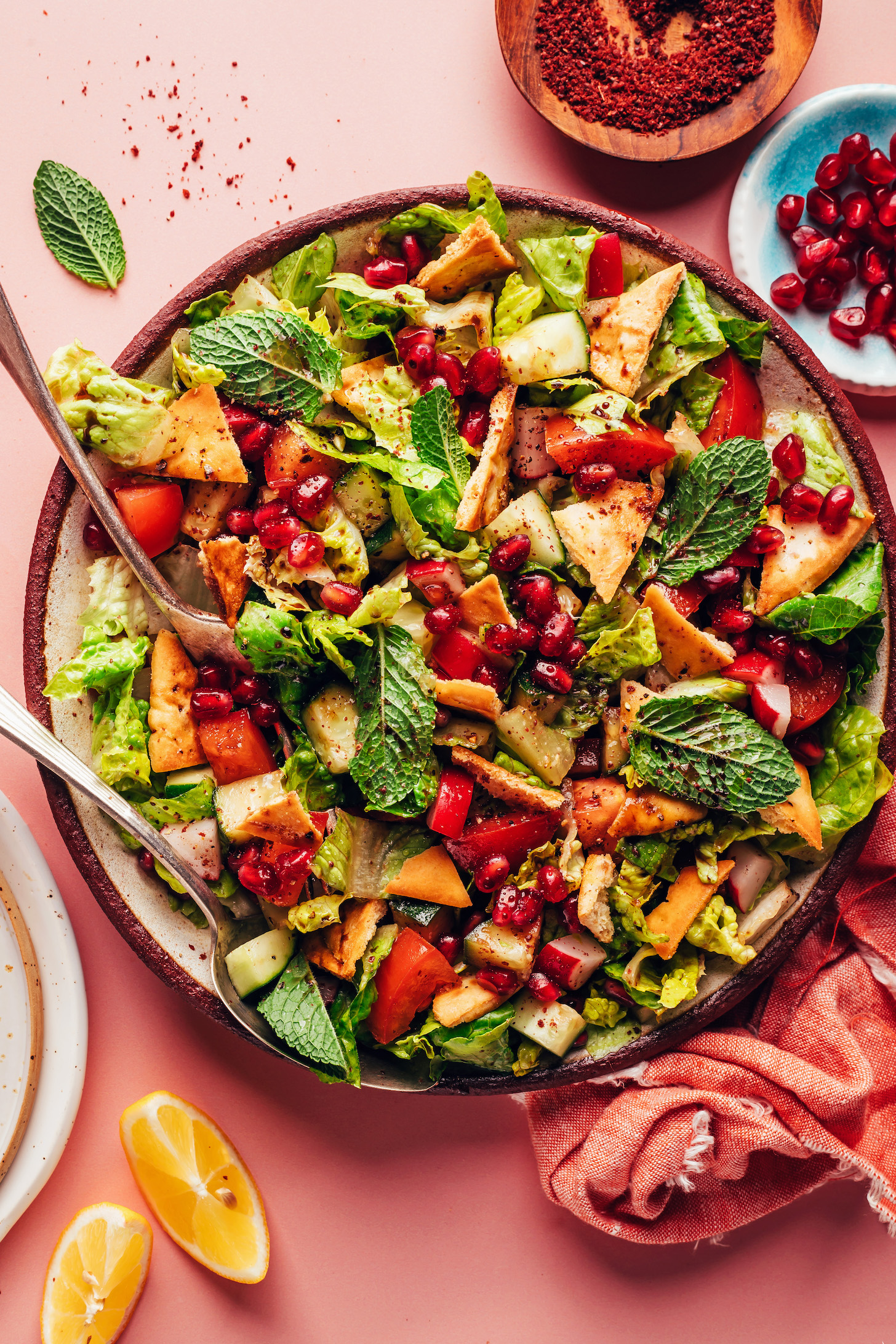
- The Base (Romaine Lettuce): Chosen for its high water content and structural integrity, romaine provides a neutral, crunchy canvas. Unlike softer greens, romaine can withstand the weight of the dressing and the sharp edges of the pita chips without immediate wilting.
- The Allium and Root Elements (Radish and Cucumber): Persian or Lebanese cucumbers are the preferred varieties due to their thin skins and lack of large, watery seeds. Radishes contribute a peppery bite and a necessary color contrast, offering a sharp counterpoint to the sweeter elements of the salad.
- The Acidic Core (Sumac and Pomegranate Molasses): These are the defining features of an authentic Fattoush. Sumac, a spice derived from the dried and ground berries of the Rhus coriaria shrub, provides a distinct, astringent tartness that lemon juice alone cannot replicate. Pomegranate molasses—a thick syrup made by reducing pomegranate juice—adds a layer of complex acidity and a subtle, dark sweetness.
- The Herbaceous Note (Fresh Mint): While many Western salads rely on dried herbs, Fattoush requires fresh mint. The leaves are often kept whole or roughly torn to release essential oils, providing a cooling sensation that balances the spice of the radish and the sourness of the sumac.
Nutritional Analysis and Health Implications
From a clinical nutrition perspective, the Easy Fattoush Salad is a powerhouse of micronutrients and phytochemicals. Based on a standard four-serving side portion, the dish contains approximately 127 calories, making it a low-energy-density food that promotes satiety through volume and fiber.
Data indicates that a single serving provides 562 IU of Vitamin A and 14 mg of Vitamin C, primarily sourced from the romaine, tomatoes, and bell peppers (if included). The inclusion of pomegranate arils and molasses introduces anthocyanins—potent antioxidants known for their anti-inflammatory properties. Furthermore, the use of olive oil as a primary fat source facilitates the absorption of fat-soluble vitamins (A, D, E, and K) present in the vegetables.
For those managing specific dietary requirements, the transition to a gluten-free format is achieved by substituting traditional wheat pita with grain-free crackers or gluten-free flatbreads. This flexibility has allowed the dish to gain traction within the paleo and Celiac-friendly communities, further expanding its global reach.
Chronology of Assembly: A Step-by-Step Methodology
The production of the 20-minute Fattoush follows a logical sequence designed to maintain texture:
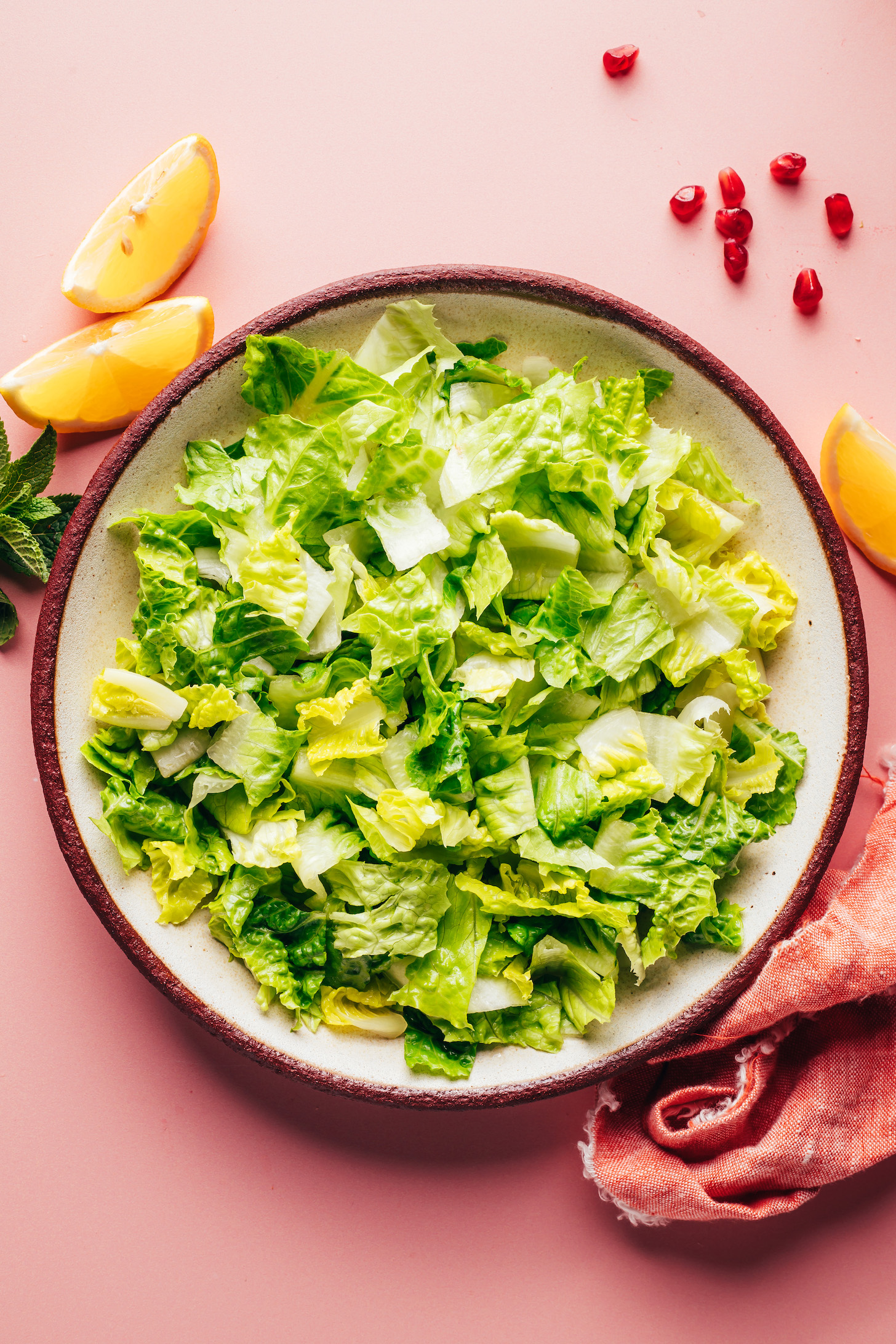
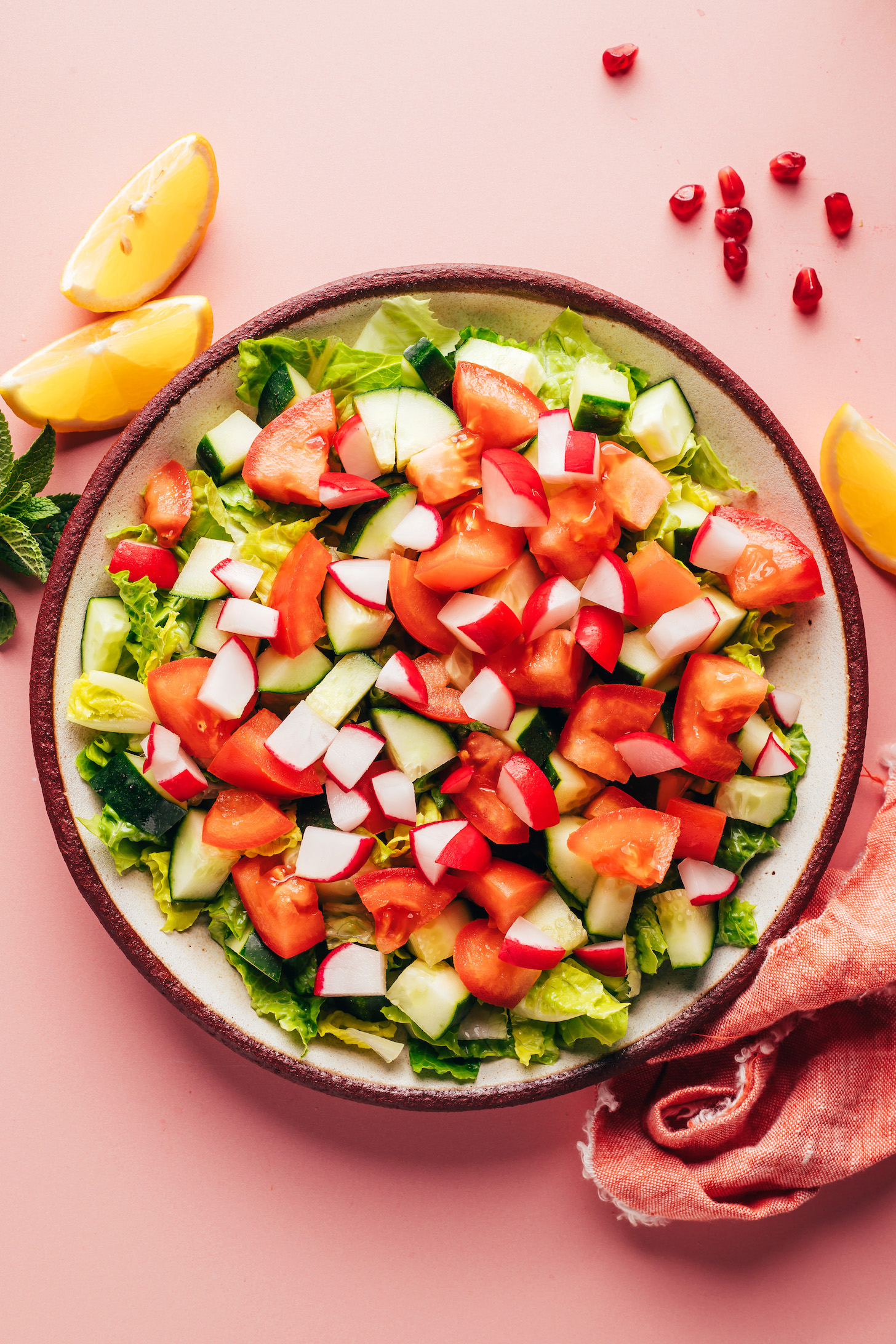
- T-Minus 20 Minutes: Preparation begins with the chopping of the primary greens. Romaine is cut into bite-sized pieces, followed by the dicing of cucumbers and tomatoes. Precision in dicing is encouraged to ensure that every forkful contains a representative sample of all ingredients.
- T-Minus 15 Minutes: If opting for homemade pita chips, the oven is preheated to 350°F (180°C). Stale pita is sliced into triangles, tossed with olive oil, sea salt, and optionally more sumac, then baked for 8 to 12 minutes.
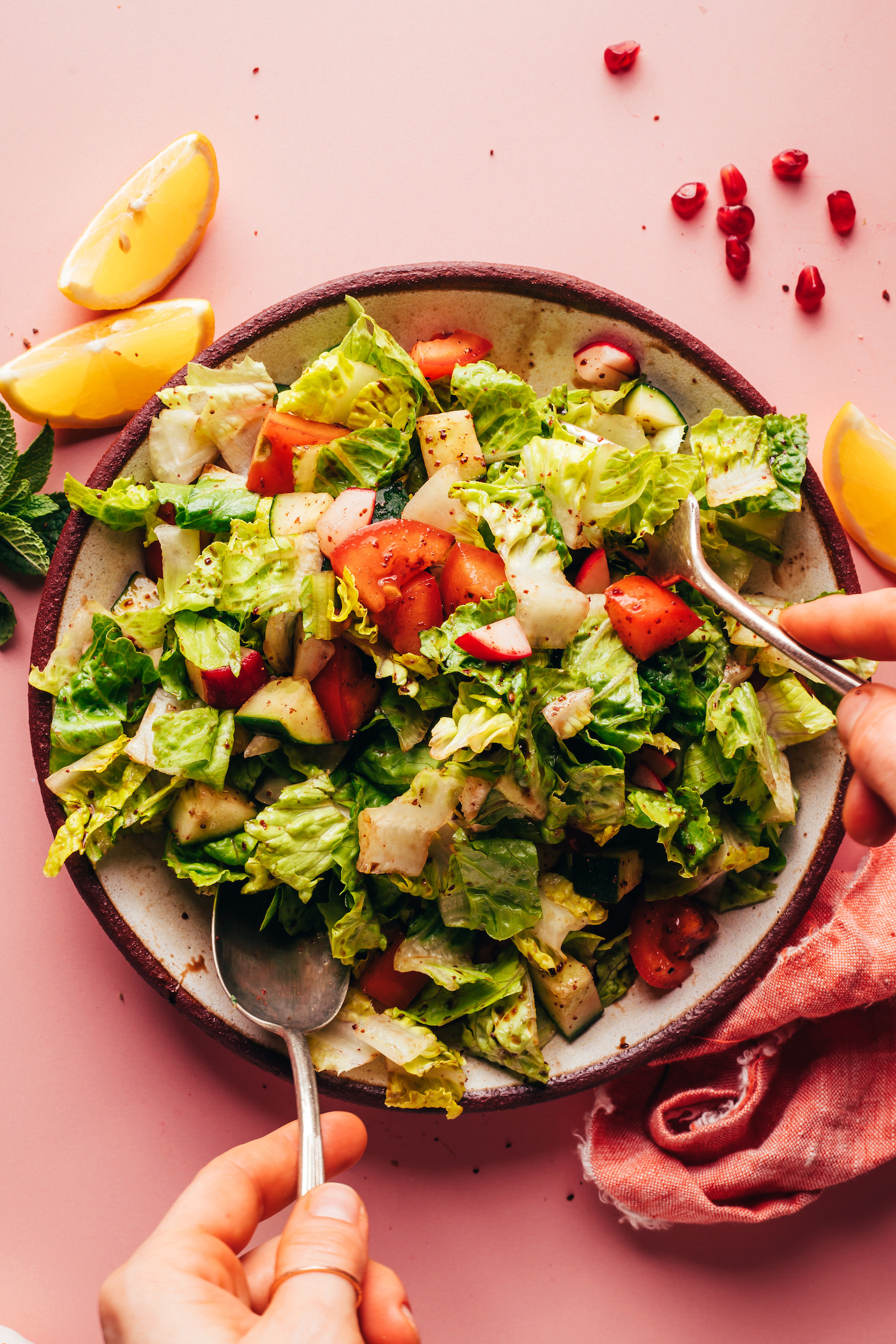
- T-Minus 5 Minutes: The "one-bowl" technique is executed. The vegetables are placed in a large vessel and topped directly with lemon juice, pomegranate molasses, sumac, salt, and pepper. This "no-mix" dressing method relies on the tossing process to distribute the liquids and spices evenly across the surface area of the produce.
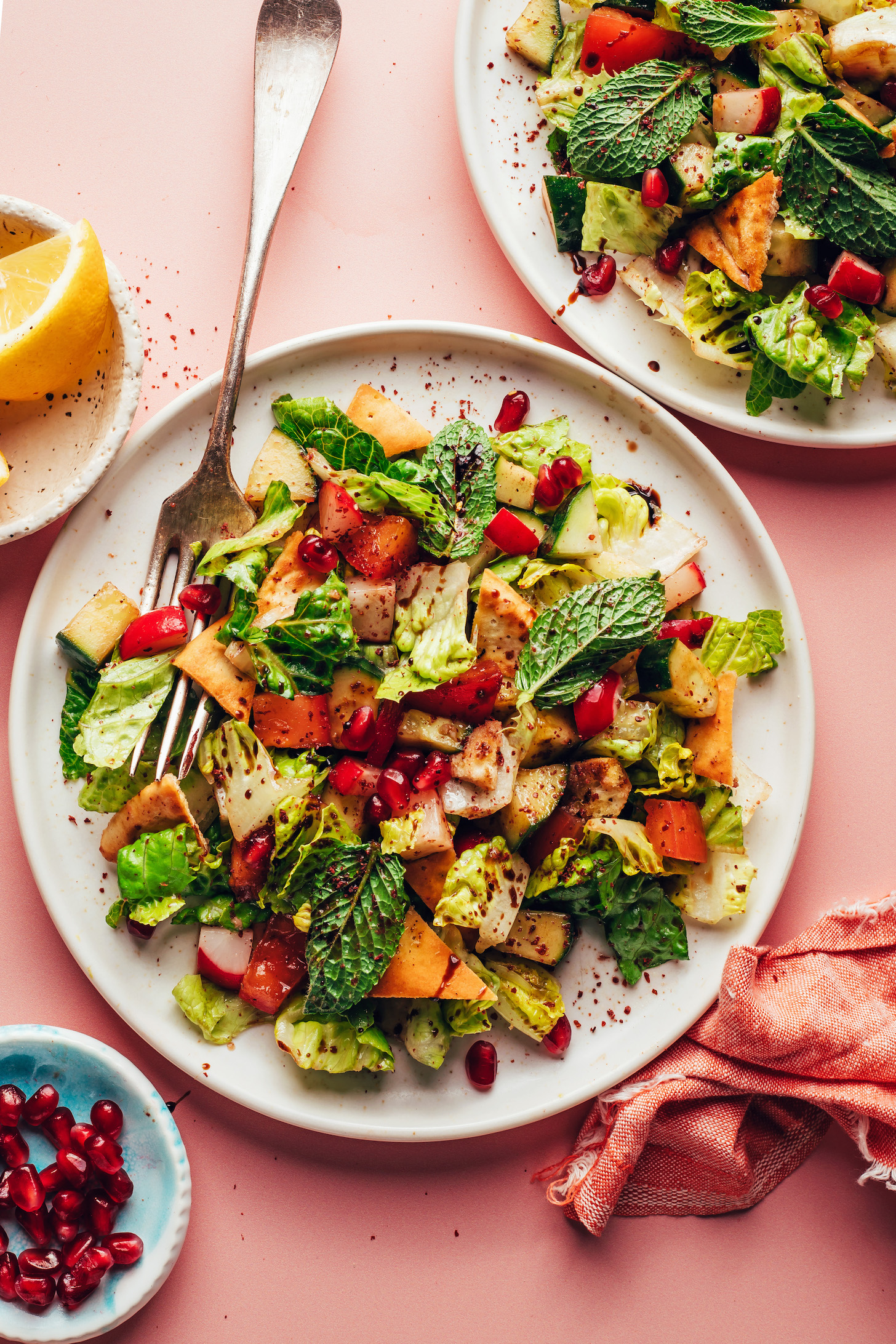
- Final Minute: The pita chips, fresh mint, and pomegranate arils are added last. This prevents the bread from absorbing moisture and losing its crunch—the hallmark of the dish.
Culinary Implications and Market Reception
The rise of the Easy Fattoush Salad is indicative of a broader shift toward Mediterranean-inspired diets, which have been ranked as the "Best Overall Diet" by U.S. News & World Report for several consecutive years. The salad’s profile—vegan, potentially gluten-free, and vegetable-forward—meets the criteria for "clean label" eating that many consumers now demand.
Industry experts suggest that the popularity of such recipes is also driven by the increasing availability of "global pantry" staples. Ten years ago, sumac and pomegranate molasses were niche items found only in specialty Middle Eastern grocers. Today, these ingredients are commonly found in mainstream supermarkets, reflecting the "normalization" of Levantine flavors in the Western palate.
Furthermore, the versatility of the dish allows it to function as both a side and a main course. By adding plant-based proteins such as chickpeas, the salad is transformed into a complete meal. This adaptability makes it a strategic asset for food service providers and home cooks alike who are looking to reduce meat consumption without sacrificing flavor complexity.
Broader Impact: Sustainability and the Future of Heritage Cooking
Beyond its immediate flavor, the Fattoush salad serves as a case study in sustainable eating. The core philosophy of the dish—using what is available and repurposing leftovers—is a vital lesson for a world facing food security challenges. While the modern version may use fresh chips, the underlying message remains: no part of the harvest or the pantry should be discarded.
As culinary boundaries continue to blur, the Easy Fattoush Salad stands as a testament to the endurance of Levantine culture. It is a dish that has survived for centuries by being adaptable. In its newest, 20-minute, one-bowl form, it ensures that the vibrant, tangy, and refreshing spirit of the Eastern Mediterranean remains accessible to a new generation of global citizens. Whether served alongside a complex Lentil Fesenjān or as a standalone light lunch, Fattoush remains a definitive example of how tradition can be successfully re-engineered for the modern age.