
In a landmark development for the American homebrewing community, the American Homebrewers Association (AHA) has officially announced the results of its first-ever board of directors election following its transition to an independent legal entity. This historic milestone marks the culmination of a multi-year strategic realignment, shifting the organization into a self-governed 501(c)(6) membership association and a 501(c)(3) supporting foundation. The election, held throughout March 2026, saw a robust turnout from the membership, signaling a renewed era of engagement for the hobbyist brewing sector.
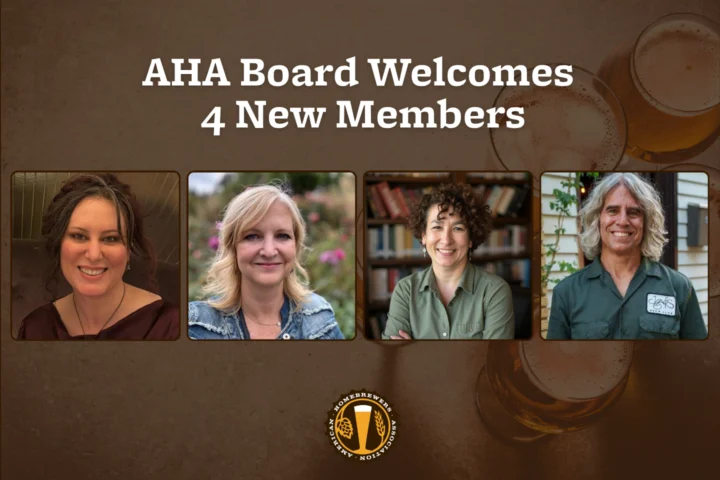
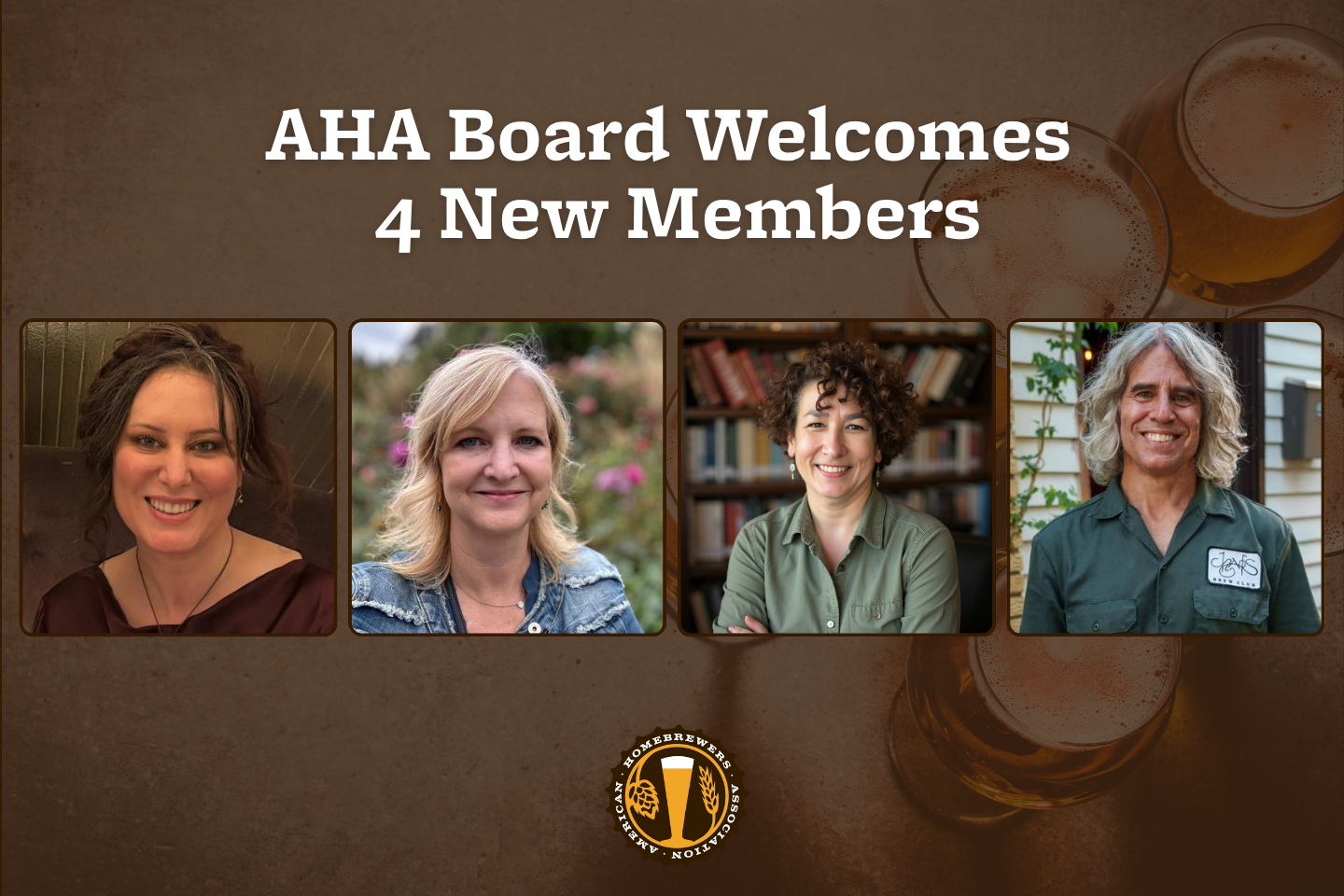
From an initial pool of 28 nominees, a slate of 10 candidates was presented to the general membership. Following a competitive voting period, four individuals were selected to help guide the association’s future: Jen Blair, Stephanie Butler, Jen Pereira, and Jeff Whelpley. These newly elected officials will serve three-year terms, bringing a diverse array of professional expertise and brewing experience to the leadership table. They will join sitting board members Shawna Cormier, Drew Beechum, and Gregory Roskopf to form the governing body that will oversee the association’s strategic initiatives through the end of the decade.
A Strategic Shift in Governance and Structure
The 2026 election is more than a routine change in leadership; it represents the formalization of the AHA’s independence. For decades, the AHA operated under the umbrella of the Brewers Association (BA), the trade group representing small and independent professional craft brewers. While this partnership was instrumental in the growth of the craft beer movement, the decision to separate into independent 501(c)(6) and 501(c)(3) entities was made to allow the AHA to focus exclusively on the unique needs of homebrewers, untethered from the commercial interests of professional breweries.
As a 501(c)(6) organization, the AHA is now positioned as a dedicated business league for the homebrewing community, allowing for more direct advocacy, legislative monitoring, and member-focused benefits. Simultaneously, the creation of the A-HA Foundation as a 501(c)(3) non-profit enables the organization to pursue educational and charitable missions with greater tax efficiency and fundraising potential. This dual structure is designed to ensure the long-term financial and operational sustainability of the association.
The newly elected board members will be officially seated during the AHA’s 2026 annual meeting on June 20, 2026. This ceremony will take place in Asheville, North Carolina, coinciding with Homebrew Con, the nation’s largest annual gathering of fermentation enthusiasts.
Profiles of the Newly Elected Leadership
The incoming board members represent a cross-section of the modern homebrewing landscape, reflecting the association’s commitment to technical excellence and community building.
Jen Blair brings a wealth of knowledge as a highly regarded beer educator and judge. Her background in the Beer Judge Certification Program (BJCP) and her work in sensory evaluation provide the board with a deep understanding of the educational resources required by members seeking to refine their craft.
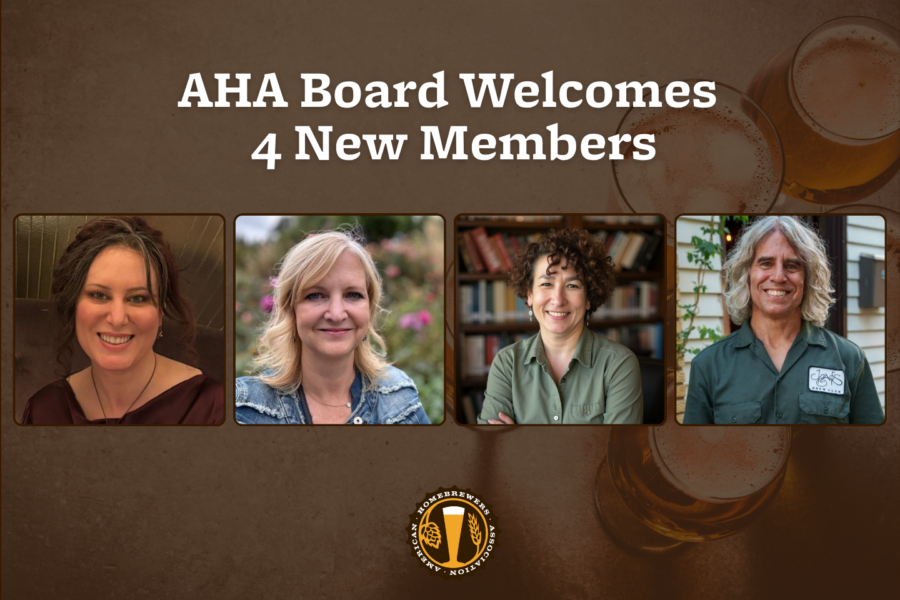
Stephanie Butler has been a prominent voice in the brewing community, often focusing on the intersection of hobbyist brewing and local community engagement. Her experience is expected to bolster the AHA’s efforts to revitalize local homebrew clubs, which serve as the backbone of the organization.
Jen Pereira arrives at the board with a reputation for organizational leadership and strategic planning. As the AHA looks to expand its membership base in a post-pandemic landscape, Pereira’s insights into member retention and value proposition will be critical.
Jeff Whelpley is well-known for his contributions to brewing technology and innovation. As homebrewing equipment becomes increasingly sophisticated, Whelpley’s expertise will help the AHA navigate the digital and technological shifts within the hobby.
These four leaders join Shawna Cormier, current Board Chair, whose leadership during the transition period has been lauded for its transparency and vision. They also join Drew Beechum, a prolific author and veteran homebrewer known for his "experimental brewing" philosophy, and Gregory Roskopf, who provides continuity and institutional knowledge.
Honoring the Founding Board and the Legacy of Leadership
The transition to an independent entity was overseen by a Founding Board, whose primary objective was to establish the legal and operational framework for the new AHA. With the conclusion of the first election, two pivotal figures are stepping down: Sandy Cockerham and Gary Glass.
Gary Glass, in particular, has been a foundational figure in the homebrewing world for over two decades. Having served as the director of the AHA for many years prior to the reorganization, his transition to the Founding Board ensured that the association’s core values—Community, Education, Joy, and Volunteerism—remained central to the new corporate identity. Sandy Cockerham’s contributions, particularly in the realm of competition and judging standards, have left an indelible mark on the National Homebrew Competition (NHC).
"The work started by the AHA Founding Board to bring the association to a new future has been impressive to say the least," stated Board Chair Shawna Cormier. "With our new elected board members, we are positioned to help the AHA grow for generations. We look forward to bringing AHA’s vision of ‘a homebrewer in every neighborhood and a homebrew club in every community’ to life."
Chronology of the 2026 Election Cycle
The path to the March election was a multi-stage process designed to ensure democratic representation and high-quality leadership.
- Late 2025: Nomination Phase: The AHA opened a call for nominees from its global membership. A total of 28 individuals were nominated, representing a wide range of geographic locations and professional backgrounds.
- January 2026: Vetting and Slate Selection: A nominating committee reviewed the candidates, narrowing the field to a slate of 10 finalists based on their leadership experience, commitment to the hobby, and vision for the association.
- March 2026: General Election: AHA members cast their ballots electronically. The process saw significant engagement, reflecting the membership’s vested interest in the organization’s new independent direction.
- April 2026: Results Announcement: The winners were officially announced to the public and the membership.
- June 20, 2026: Seating of the Board: The formal induction of the new board members will take place at Homebrew Con in Asheville, NC.
Implications for the Homebrewing Industry
The independence of the AHA comes at a critical time for the homebrewing hobby. While the "homebrew boom" of the early 2010s has stabilized, the industry faces new challenges, including the rise of "ready-to-drink" (RTD) beverages and a shifting retail landscape for homebrew supply shops.
By operating as an independent 501(c)(6), the AHA can more effectively lobby for "homebrew-friendly" legislation at the state and federal levels. This includes advocating for the legal transport of homebrew to competitions and club meetings, as well as clarifying tax codes that affect hobbyist brewers. Furthermore, the A-HA Foundation (501(c)(3)) can now seek grants and donations to fund scientific research into fermentation and brewing ingredients, benefits that will trickle down to both hobbyists and the professional craft beer industry.
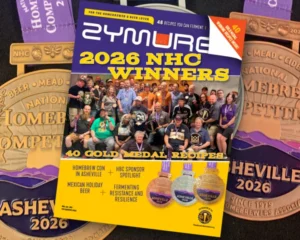
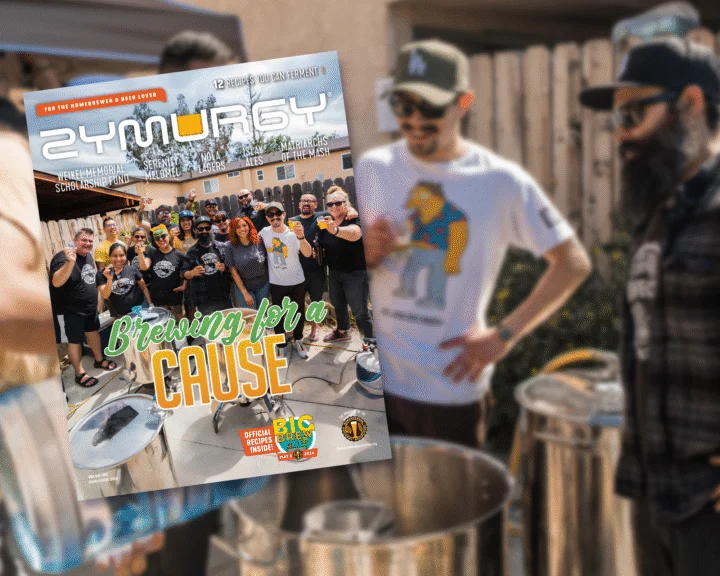
The association’s flagship offerings, such as Zymurgy magazine and the National Homebrew Competition, remain the gold standard for the hobby. The new board is tasked with modernizing these assets to appeal to a younger, more diverse generation of brewers who may be more inclined toward digital resources and community-based learning.
Economic and Cultural Significance
The American Homebrewers Association, founded in 1978 by Charlie Papazian, has long been the catalyst for the craft beer revolution. Most of the nation’s 9,000+ craft breweries were founded by individuals who started as AHA members. By fostering a culture of "Community, Education, Joy, and Volunteerism," the AHA has created an economic pipeline that supports maltsters, hop growers, and equipment manufacturers.
The "homebrewer in every neighborhood" vision articulated by Cormier underscores the association’s goal of democratization. As the board prepares for its 2026 seating, the focus remains on making brewing accessible to all demographics, ensuring that the joy of fermentation continues to be a staple of American community life.
The upcoming Homebrew Con in Asheville will serve as the first major test and celebration for the new board. As the "Beer City" of the South, Asheville provides a fitting backdrop for an association that is reclaiming its identity and charting a course for a sustainable, independent future. With a full board now in place, the AHA is prepared to navigate the complexities of the modern non-profit landscape while staying true to the grassroots spirit that has defined it for nearly half a century.