
Roasted vegetables have long been a staple in kitchens, celebrated for their simplicity, heartiness, and ability to transform humble produce into a flavorful centerpiece. However, for many, the desire to elevate this versatile dish into a more complete and satisfying meal is a common culinary quest. With over 15 years of experience in professional kitchens, the author has consistently turned to roasted vegetables as a foundation for a variety of dining occasions, from restaurant menus and banquets to simple family meals aimed at boosting vegetable consumption. This article delves into pairings that complement the inherent qualities of roasted vegetables, offering a comprehensive guide for home cooks and culinary enthusiasts alike.
The Foundation: Mastering Roasted Vegetables
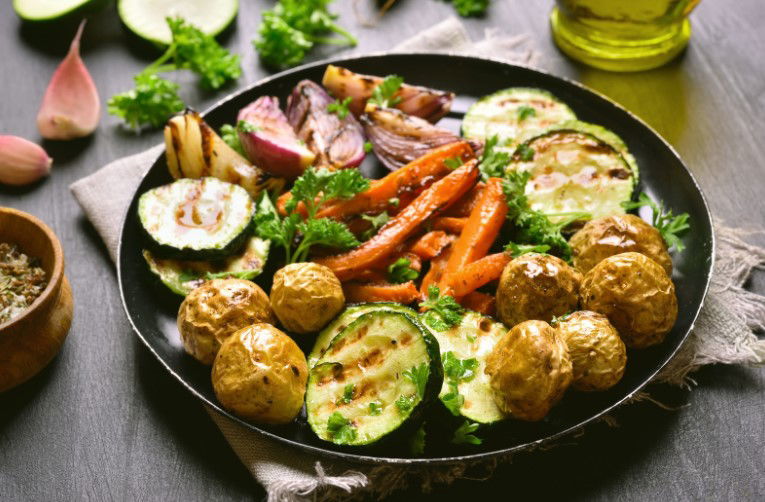
The art of roasting vegetables lies in its ability to concentrate their natural sugars, resulting in caramelized edges and tender interiors. This cooking method is remarkably adaptable across all seasons, making it a year-round culinary asset. Whether employing spring’s tender asparagus, summer’s vibrant zucchini, autumn’s robust root vegetables, or winter’s hearty squashes, the technique remains consistent: high heat, adequate spacing, and a touch of oil and seasoning. The resulting dish, while delicious on its own, often benefits from a well-chosen accompaniment that balances flavors, textures, and nutritional profiles.
Protein Pairings: Building a Hearty Meal
For those seeking a more substantial meal, incorporating a protein source alongside roasted vegetables is a natural progression. These pairings not only add satiety but also introduce complementary flavors and textures.

1. The Comfort of Beef Roast
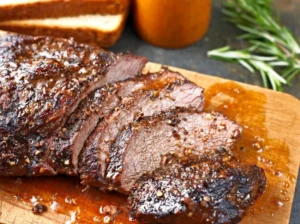
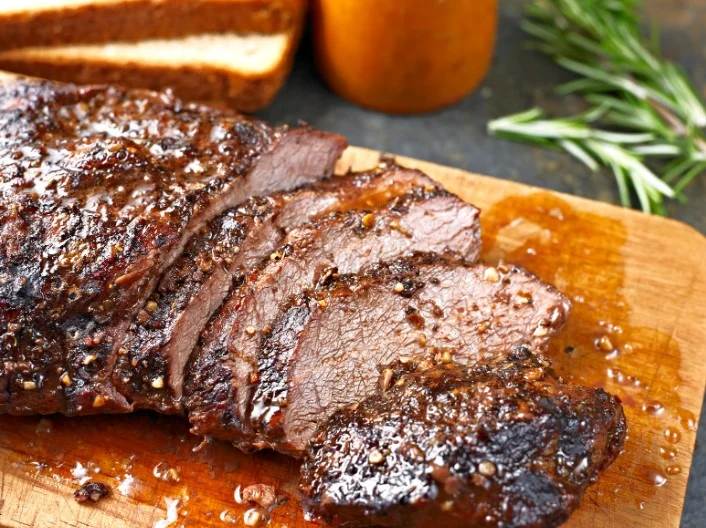
Beef roast and roasted vegetables represent a quintessential comfort food pairing, particularly favored during the colder months. The appeal of this combination lies in its minimal preparation and oven-centric cooking, allowing for multitasking. As a slow-cooking protein, a beef roast frees up stovetop space and allows ample time for preparing accompanying vegetables. This approach makes it an ideal choice for larger gatherings, offering scalability and the added benefit of excellent leftovers, perfect for sandwiches that can be stored for up to a week. To further enhance the experience, a rich pan sauce or gravy can tie the savory roast and caramelized vegetables together. For those seeking guidance, a classic beef roast recipe with a perfected pan sauce can be a valuable resource.
- Supporting Data: The global beef market is substantial, with consumption patterns varying significantly by region. In 2022, global beef production was estimated to be around 62 million metric tons, underscoring its role as a primary protein source in many diets. The "comfort food" aspect often links to cultural traditions and nostalgic culinary experiences, making beef roast a culturally significant pairing.
- Implications: The ease of preparation and scalability of beef roast with roasted vegetables makes it an efficient option for catering and large-scale events, simplifying logistics for chefs and event planners.
2. The Lean Versatility of Chicken Breast
Chicken breast offers a lighter, nutrient-rich alternative that harmonizes well with the sweetness and earthiness of roasted vegetables. The convenience of this pairing stems from the ability to prepare both components concurrently. Searing chicken breast to achieve a golden crust before finishing it in the oven alongside the vegetables provides a textural contrast that complements the tender roasted produce. Its lean profile ensures the meal remains balanced and not overly heavy. A well-executed pan-seared chicken breast recipe can provide the foundation for this successful pairing.

- Supporting Data: Chicken breast is a popular choice due to its high protein content and relatively low fat. According to USDA data, a 3.5-ounce serving of cooked chicken breast contains approximately 31 grams of protein and only 3.6 grams of fat. This makes it a preferred option for health-conscious individuals.
- Analysis: The complementary cooking times of pan-seared chicken and roasted vegetables allow for efficient meal preparation, appealing to busy households and those seeking quick yet wholesome dinners.
3. The Sweet and Savory Harmony of Pork Chops
Pork chops possess a natural affinity for sweeter flavors, making them an excellent match for roasted winter vegetables like butternut squash. This pairing can be elevated further by incorporating elements like baked apple slices or an apple demi-glace, leaning into the sweet and savory dynamic. Pork chops can be prepared via pan-searing or oven-roasting, offering flexibility in preparation methods. Many recipes for pork chops are designed for quick completion, often within 15 minutes, making them a practical addition to a weeknight meal.
- Culinary Context: The pairing of pork with fruit is a long-standing culinary tradition across various cultures, from medieval European cuisine to modern American interpretations. This historical precedent highlights the inherent compatibility of these flavor profiles.
- Considerations: The choice of pork chop cut (e.g., bone-in versus boneless, thickness) can influence cooking time and juiciness, requiring careful attention to ensure optimal results alongside the roasted vegetables.
Vegetarian and Carb-Rich Companions: Expanding the Palate
Beyond protein-centric options, a variety of vegetarian and carbohydrate-rich dishes can serve as exceptional partners to roasted vegetables, offering diverse flavor profiles and textures.

4. The Comforting Layers of Lasagna
Lasagna emerges as a favored accompaniment, particularly for Mediterranean-inspired roasted vegetables such as zucchini, tomatoes, and red onions. Its rich, hearty nature complements the roasted produce beautifully, and the fact that it is also oven-cooked simplifies meal preparation by utilizing the same appliance. While lasagna can be labor-intensive, its ability to serve larger groups and its superior flavor upon reheating make it an excellent choice for batch cooking and family gatherings. A well-crafted lasagna recipe can transform a simple vegetable side into a more elaborate and satisfying meal.
- Pro-Tip Integration: A strategic approach involves roasting vegetables in the oven during the final hour of lasagna’s cooking time. This requires careful oven space management but ensures both components are ready simultaneously.
- Background Context: Lasagna’s origins trace back to Italy, with regional variations contributing to its evolution. The dish’s layered structure and rich ingredients have cemented its status as a beloved comfort food globally.
5. The Versatile Embrace of Soup
Soup offers remarkable versatility as a side dish, capable of rounding out a roasted vegetable meal and providing an avenue for vegetarian or vegan options. Minestrone complements Mediterranean roasted vegetables, while chicken noodle pairs well with root vegetables like potatoes, carrots, and onions. Creamy chowders, in turn, are an ideal match for roasted squash varieties. The sheer breadth of soup possibilities ensures a suitable pairing for virtually any assortment of roasted vegetables.

- Nutritional Analysis: Soups can be tailored to be low-calorie and nutrient-dense, contributing hydration and essential vitamins and minerals. This makes them an excellent complement for a meal focused on fibrous roasted vegetables.
- Seasonal Relevance: Lighter, broth-based soups are often preferred in warmer months, while heartier, cream-based options are favored in cooler weather, aligning soup choices with the seasonal nature of roasted vegetables.
6. The Creamy Indulgence of Risotto
While risotto can be time-consuming to prepare, the reward is a luxuriously creamy and filling side that perfectly balances roasted vegetables. Mastering risotto requires attention to detail and technique, but beginner-friendly recipes can demystify the process. A mushroom risotto, with its rich, savory depth, is particularly recommended as it pairs harmoniously with a wide range of roasted vegetables.
- Culinary Technique: The key to a successful risotto lies in the gradual addition of hot broth and constant stirring, which allows the rice to release its starches, creating a creamy texture without the need for excessive dairy.
- Flavor Pairing: The umami notes in mushroom risotto enhance the natural sweetness of caramelized vegetables, creating a complex and satisfying flavor profile.
7. The Savory Crust of Quiche
Quiche, an egg-based savory pastry, introduces a significant protein boost to a roasted vegetable dish without necessarily requiring meat. Its oven-baked nature contributes to easier cleanup and frees up stovetop burners. Many quiches feature vegetables as a primary ingredient, making it a natural and flavorful extension of a roasted vegetable meal. A simple five-ingredient broccoli quiche recipe exemplifies the ease and deliciousness of this combination.

- Dietary Flexibility: Quiche can be adapted to various dietary needs, including vegetarian and gluten-free options, by modifying the crust and filling ingredients.
- Texture Contrast: The flaky crust of a quiche provides a pleasing textural contrast to the tender, caramelized roasted vegetables.
8. The Italian Classic: Eggplant Parmesan
Eggplant Parmesan is an exceptional pairing for Mediterranean-style roasted vegetables, offering a lighter alternative to chicken Parmesan for those seeking to reduce meat intake or opt for a vegetarian meal. The meltingly soft texture of the eggplant, combined with its crisp coating, adds a delightful dimension to the meal. While it can be a more involved dish to prepare, the resulting richness and satisfaction make it a worthwhile culinary endeavor. A pan-fried before baking method often yields a particularly decadent eggplant Parmesan.
- Nutritional Comparison: Compared to chicken Parmesan, eggplant Parmesan generally has a lower calorie and fat content, especially when prepared with less oil and cheese.
- Historical Context: Eggplant Parmesan has deep roots in Southern Italian cuisine, with variations in preparation reflecting regional culinary traditions.
9. The Plant-Based Powerhouse: Sliced Tofu Steaks
For a vegan and protein-rich option, sliced tofu steaks offer a versatile and accessible choice. Tofu readily absorbs marinades, allowing for a wide array of flavor profiles that can complement any roasted vegetable selection. Whether baked or seared, tofu steaks are a straightforward addition to a light, meatless meal.

- Pro-Tip Integration: Utilizing firm or extra-firm tofu is recommended for its ability to hold its shape during cooking and its substantial texture, which can stand up to robustly flavored roasted vegetables.
- Preparation Simplicity: The minimal preparation required for tofu steaks—slicing, seasoning, and cooking—makes it an ideal choice for quick and healthy meal assembly.
Frequently Asked Questions on Roasting Vegetables
Understanding the nuances of vegetable roasting can further enhance these pairings.
- Should Roasted Root Vegetables Be Covered? Covering root vegetables traps steam, leading to a softer texture. While some dense vegetables like hard squash can benefit from covering to ensure they cook through, most other vegetables should remain uncovered to promote browning and caramelization.
- How Do You Keep Roasted Root Veggies from Getting Soggy? To prevent sogginess, roast vegetables at a high temperature, typically around 400°F (200°C). Crucially, arrange the vegetables in a single layer on the baking sheet, ensuring they are not overcrowded, which allows for proper air circulation and caramelization.
By thoughtfully combining roasted vegetables with these diverse and complementary dishes, home cooks can transform a simple side into a complete, satisfying, and memorable culinary experience, suitable for any occasion and any season.