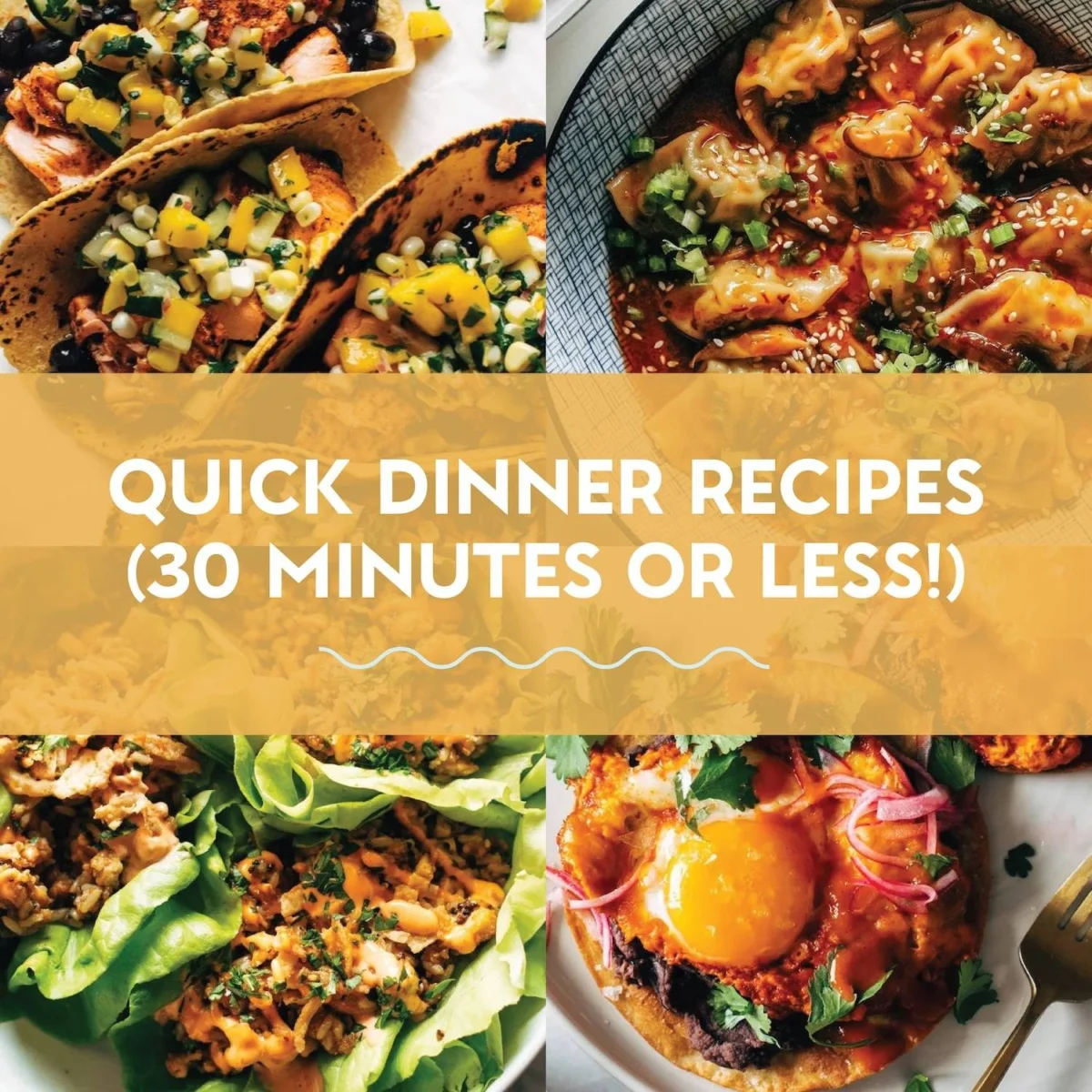

The modern household is navigating an increasingly complex landscape where the demands of work, family, and personal pursuits often collide, leaving precious little time for the preparation of nutritious and appealing home-cooked meals. This pervasive challenge has catalyzed a significant culinary movement: the widespread adoption and development of quick dinner recipes, specifically those that can be prepared and served in 30 minutes or less. This trend, exemplified by the proliferation of online resources showcasing collections of such expedited meals, represents a strategic adaptation by home cooks and food innovators alike to reconcile the desire for delicious, wholesome food with the relentless pace of contemporary life.
The Modern Culinary Dilemma: Time vs. Taste
For many, the traditional image of leisurely weeknight dinner preparation has become an anachronism. Data from various sociological studies consistently highlight the pressures on today’s families. According to a 2023 report by the American Time Use Survey (ATUS), the average time Americans spend on food preparation and cleanup on weekdays has steadily declined over the past two decades, now hovering around 37 minutes, down from over an hour in the late 1980s. This reduction is attributed to a confluence of factors: the rise of dual-income households, with both parents often working full-time; the increasing enrollment of children in after-school activities, necessitating late-evening shuttles and fragmented schedules; and the general acceleration of daily life driven by constant digital connectivity.
In this environment, the last thing many individuals and families desire is a dinner that demands an hour or more of intensive kitchen time. The emotional and physical exhaustion after a long day often pushes consumers towards less healthy, convenient alternatives such as fast food, takeout, or highly processed frozen meals. However, a countervailing trend has also emerged: a heightened awareness of health, nutrition, and the desire for fresh, minimally processed ingredients. This creates a fundamental tension: the aspiration for healthy, delicious, home-cooked food versus the severe limitations on time available for its creation. The "30-minute meal" concept directly addresses this dilemma, positioning itself as a pragmatic and palatable solution.
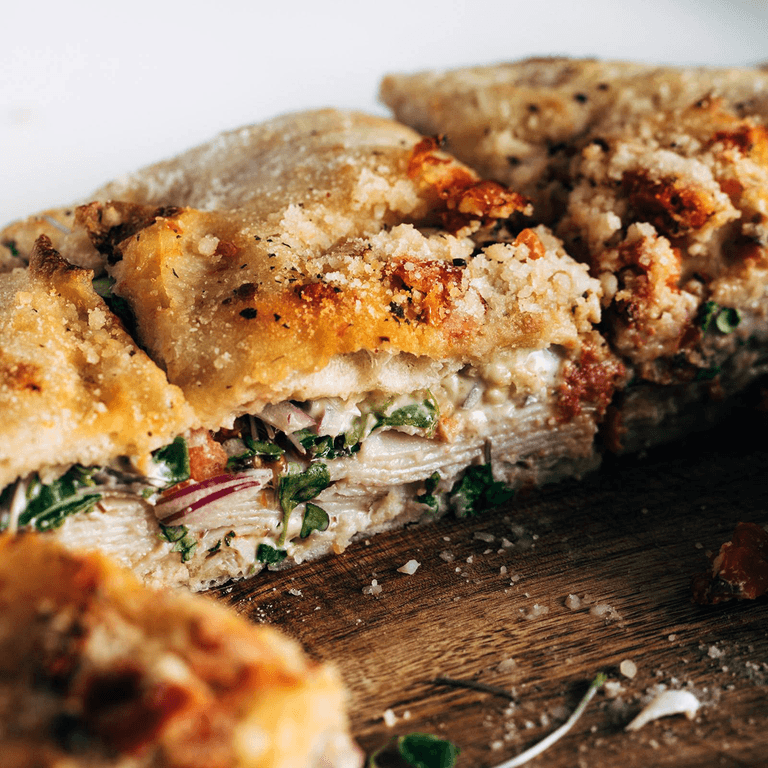
Evolution of Convenience: From Cans to Culinary Creativity
The pursuit of convenient meal solutions is not new. The mid-20th century saw the rise of canned goods, instant mixes, and frozen TV dinners, all designed to liberate the homemaker from extensive kitchen labor. However, these early convenience foods often came with a trade-off in flavor, freshness, and nutritional quality. The late 20th and early 21st centuries witnessed a shift, fueled by culinary media and global travel, towards more sophisticated palates and a demand for diverse, authentic flavors. Consumers became more educated about ingredients and cooking techniques, fostering a desire for "gourmet" experiences even at home.
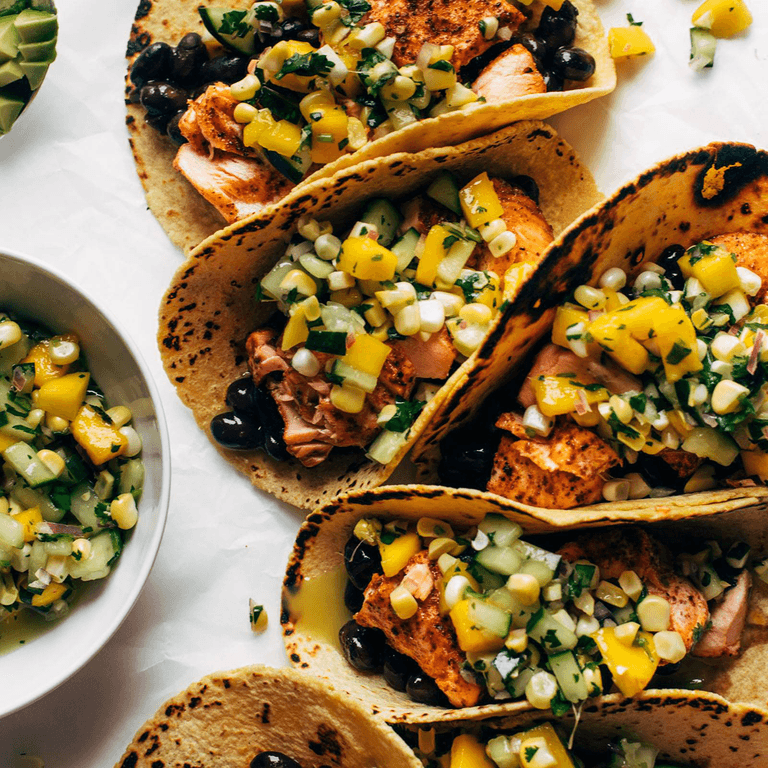
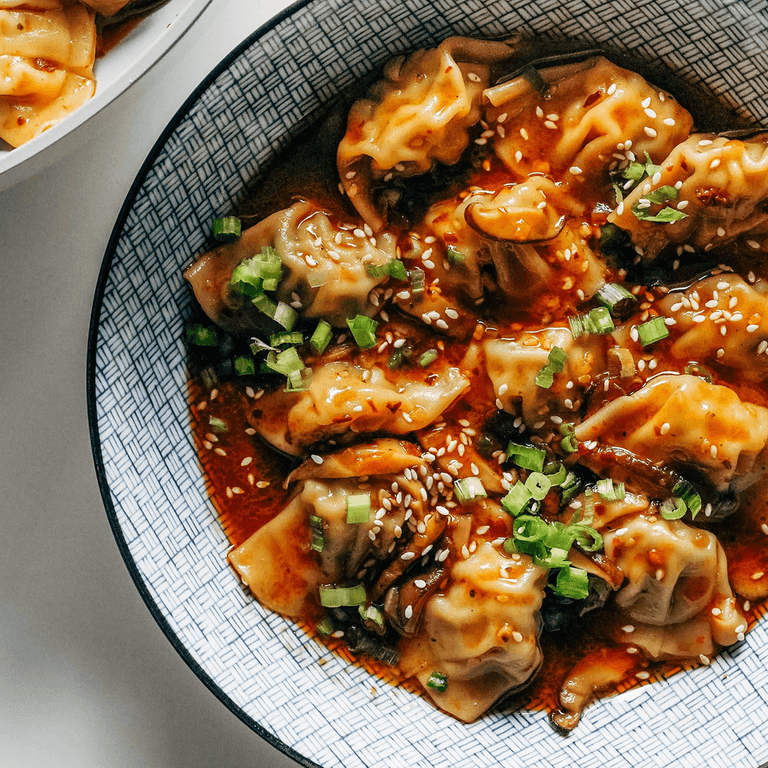
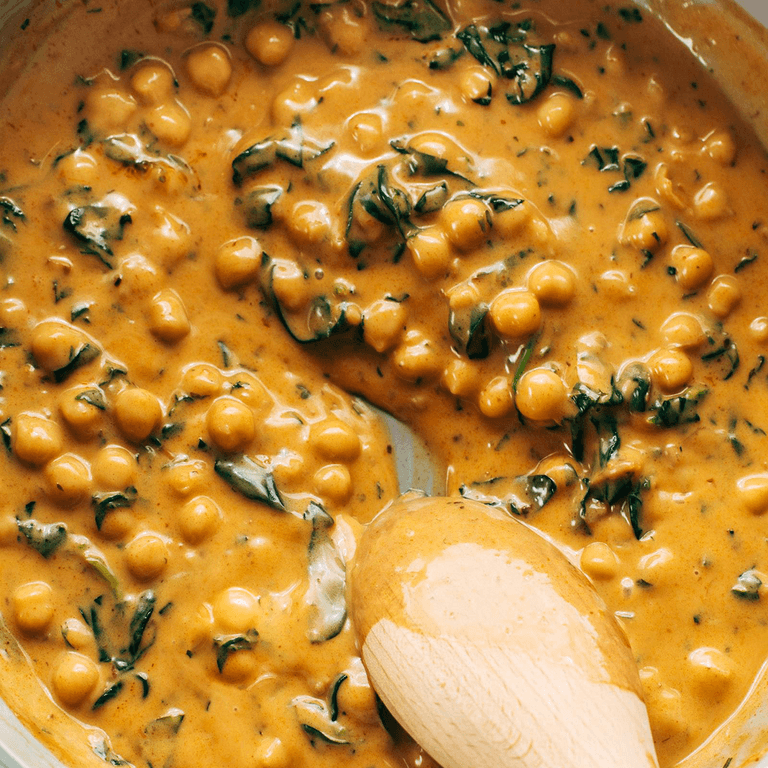
The current "30-minute revolution" represents a synthesis of these historical trends. It moves beyond mere convenience to integrate speed with genuine culinary appeal and nutritional value. The emphasis is on smart techniques, efficient ingredient utilization, and global inspiration, rather than relying solely on heavily processed components. This evolution is visible in the types of recipes now highlighted: instead of simply heating a pre-made meal, individuals are empowered to quickly assemble dishes like Salmon Tacos with vibrant Mango Corn Salsa, richly flavored Chicken Wontons in Spicy Chili Sauce, or hearty Steph’s Chickpea Curry with Spinach and Rice. These are meals that offer complex flavor profiles and fresh ingredients, challenging the long-held notion that quick meals must be inherently simplistic or bland.
The "30-Minute Meal" Phenomenon: A Deeper Dive
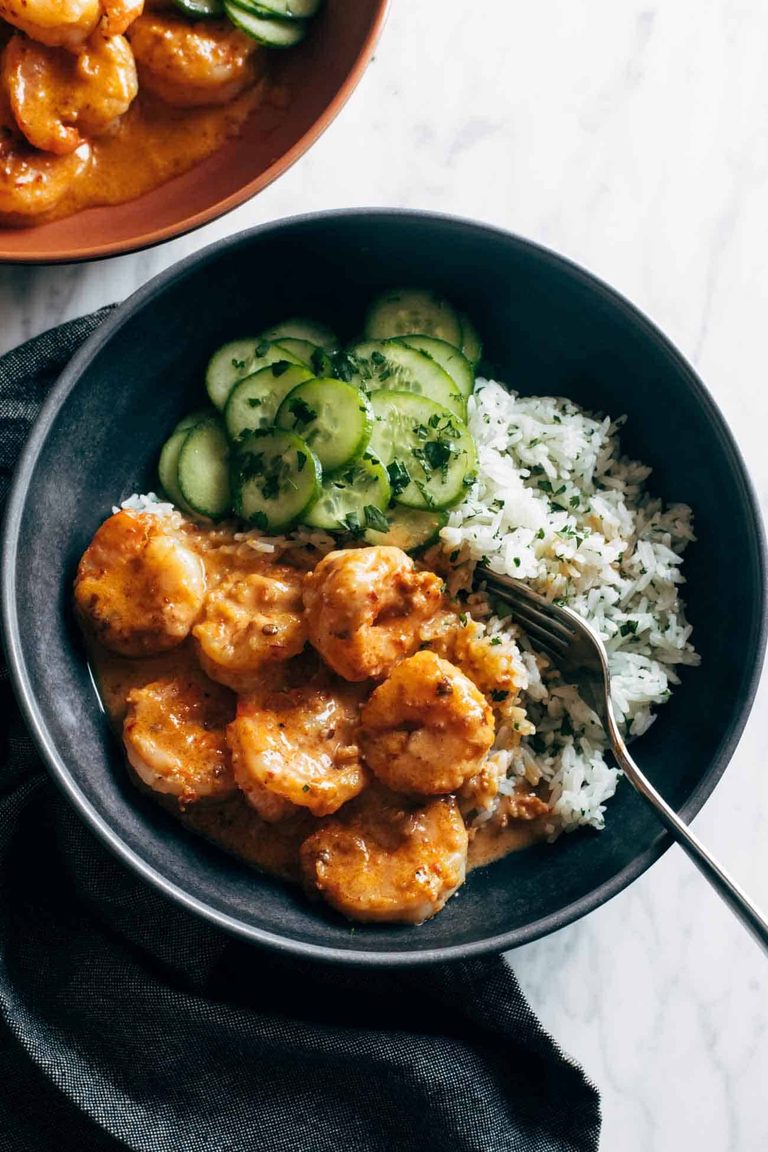
The success of the 30-minute meal framework lies in its accessibility and versatility. Culinary platforms are now curating extensive collections, often exceeding 40 distinct recipes, that promise gourmet-level satisfaction within this tight timeframe. These collections typically feature a diverse range of cuisines and dietary preferences, demonstrating that speed does not necessitate a sacrifice in flavor or nutritional value.
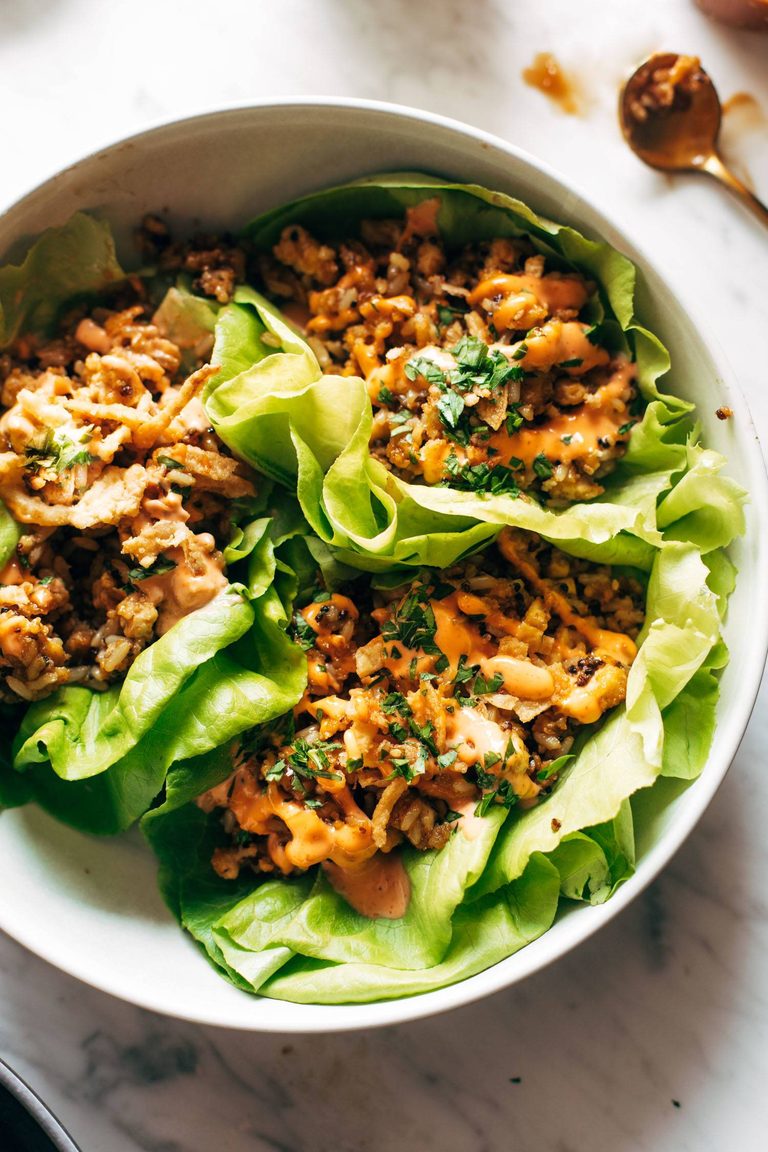
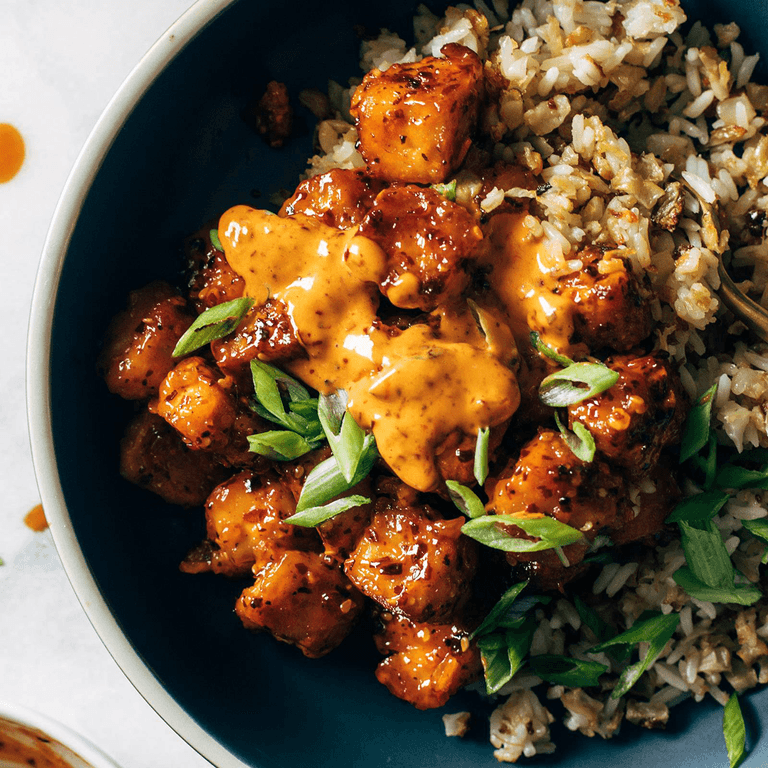
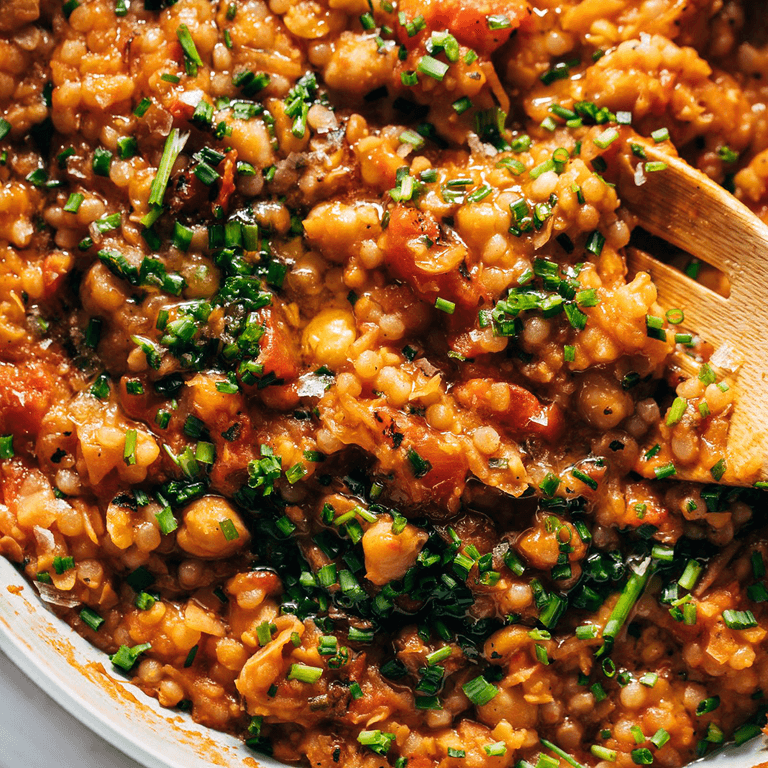
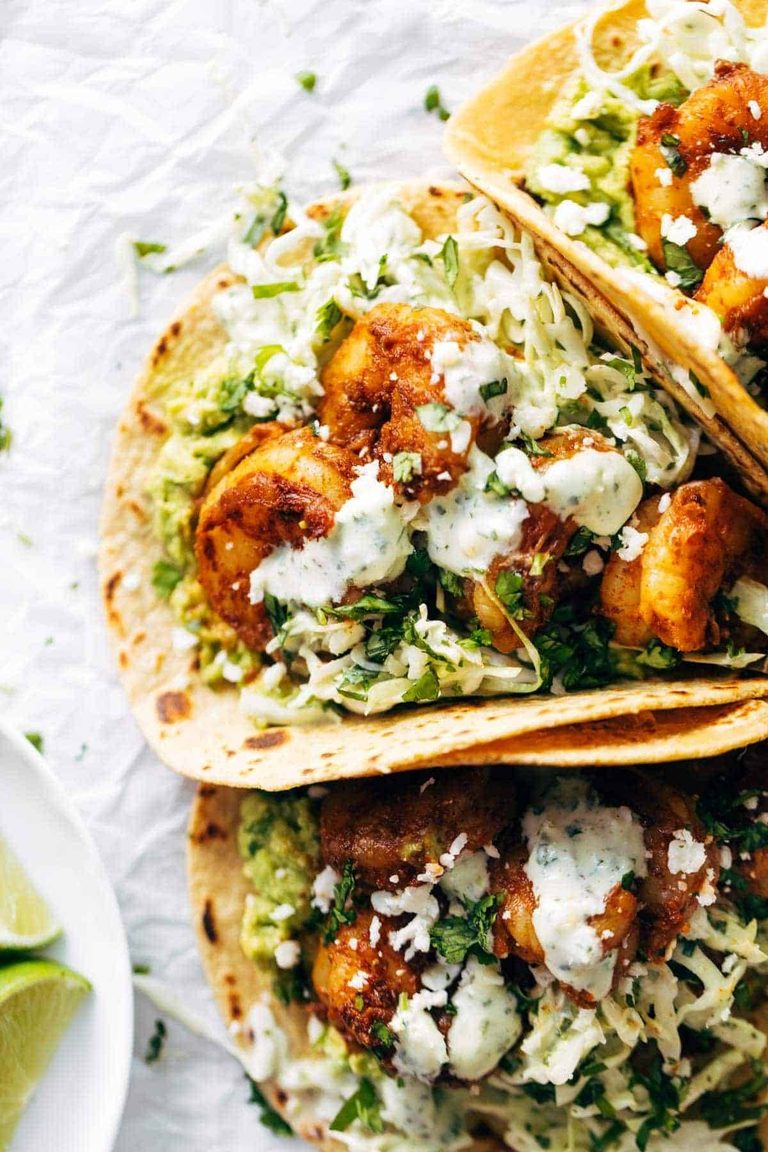
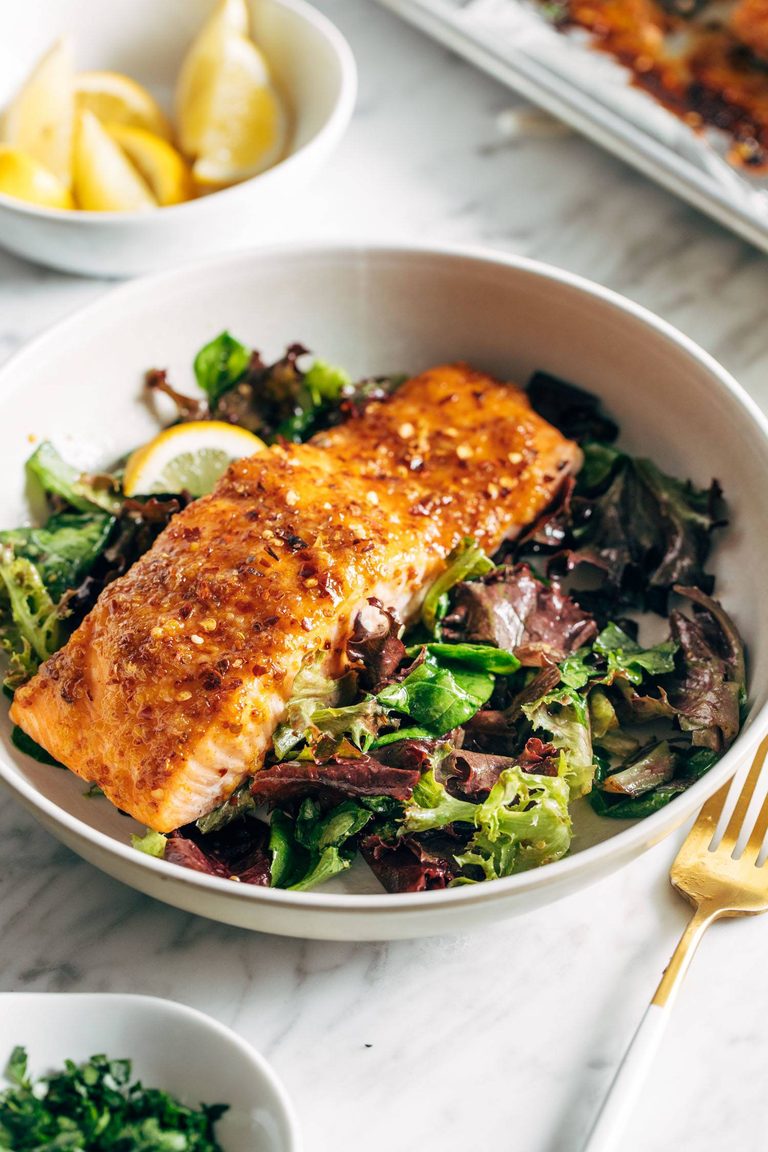
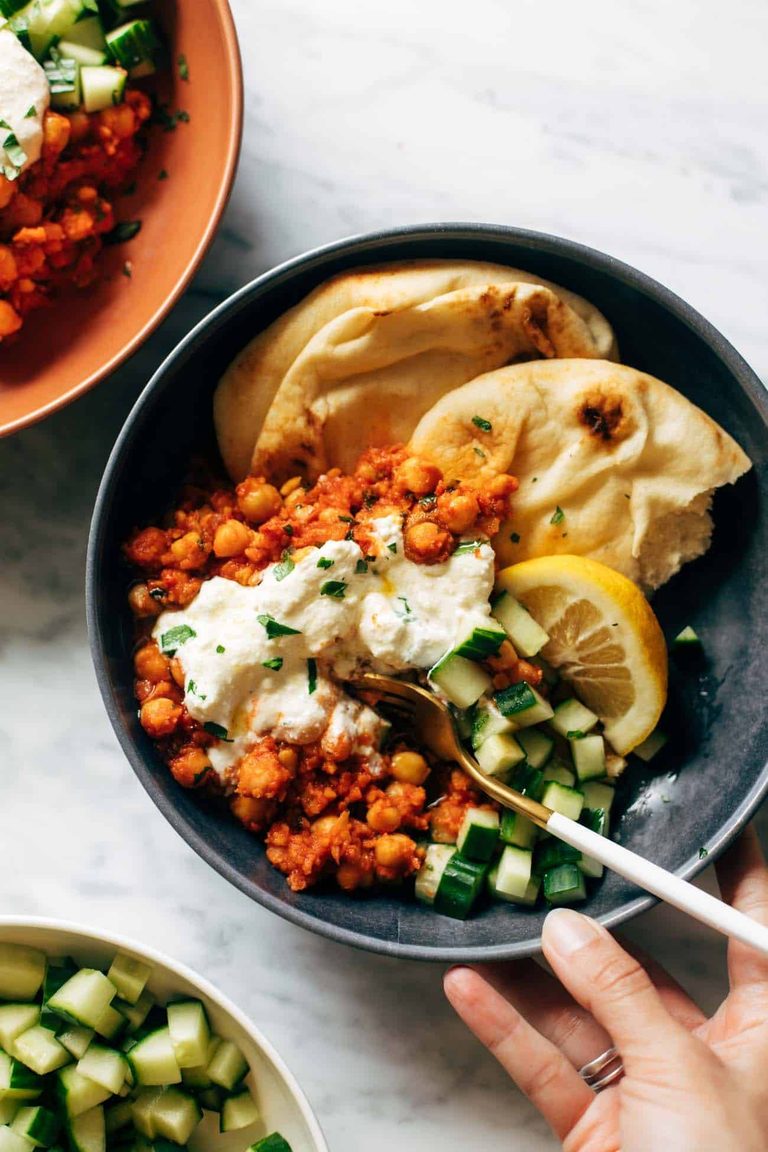
For instance, seafood options like Chipotle Orange Shrimp with Cilantro Rice or Hot Honey Salmon offer protein-rich, flavorful dishes that cook rapidly. Vegetarian and plant-forward options are equally prevalent, with recipes such as Chili Crunch Tofu, Pearl Couscous Skillet with Tomatoes, Chickpeas, and Feta, or Harissa Chickpeas with Whipped Feta demonstrating that vegetable-centric meals can be both quick and deeply satisfying. Even comfort food classics are reimagined for speed, as seen in Creamy Garlic Sun-Dried Tomato Pasta or Quick Homemade Ramen. The consistent thread across these diverse offerings is the clever application of cooking techniques – such as stir-frying, quick sautéing, sheet pan preparation, or leveraging pre-cooked ingredients – and the strategic use of flavorful sauces and spices to elevate simple components.
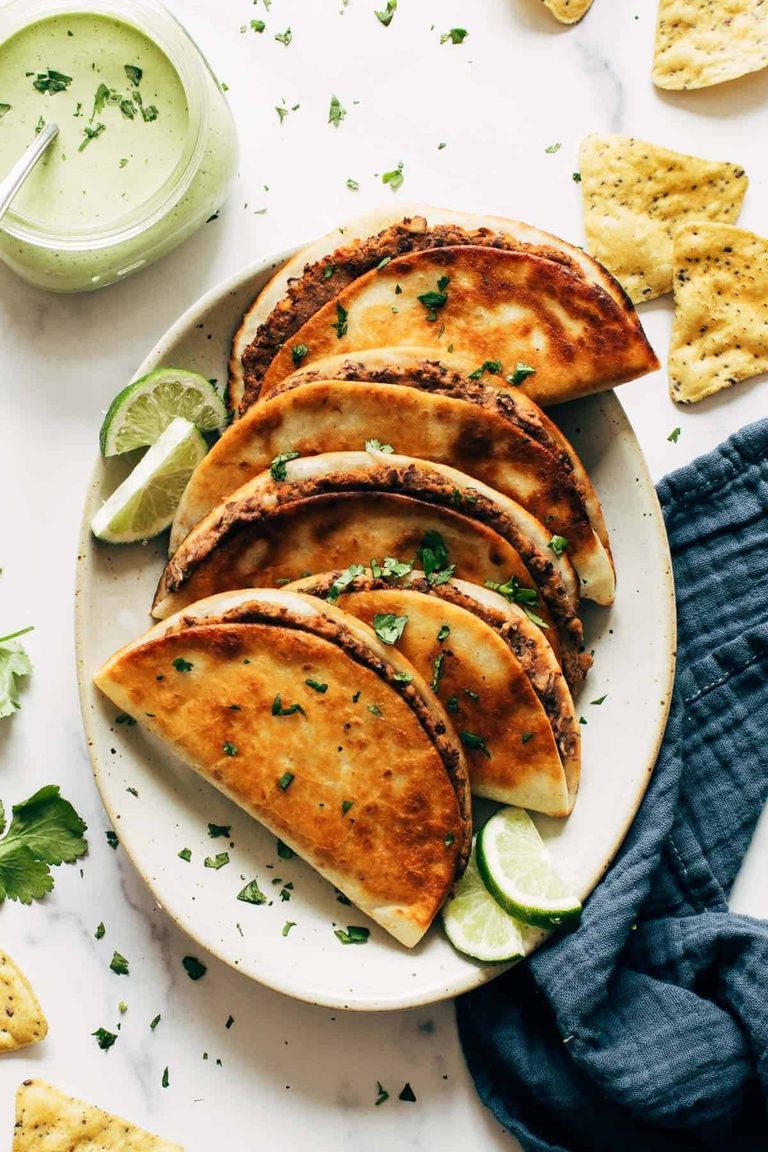
Supporting data further underscores the appeal. A recent market analysis by Food & Beverage Insights reported a 20% increase in online searches for "quick dinner recipes" and "30-minute meals" over the past two years. This surge in interest is mirrored by the growth of related product categories in grocery stores, including pre-chopped vegetables, marinated proteins, and quick-cook grains, all designed to reduce preparation time at home. Furthermore, the proliferation of specialized kitchen tools that expedite cooking, such as instant pots, air fryers, and high-powered blenders, speaks to a consumer base actively seeking efficiency. While these appliances are not strictly necessary for 30-minute meals, they often complement the philosophy of maximizing speed and minimizing effort.
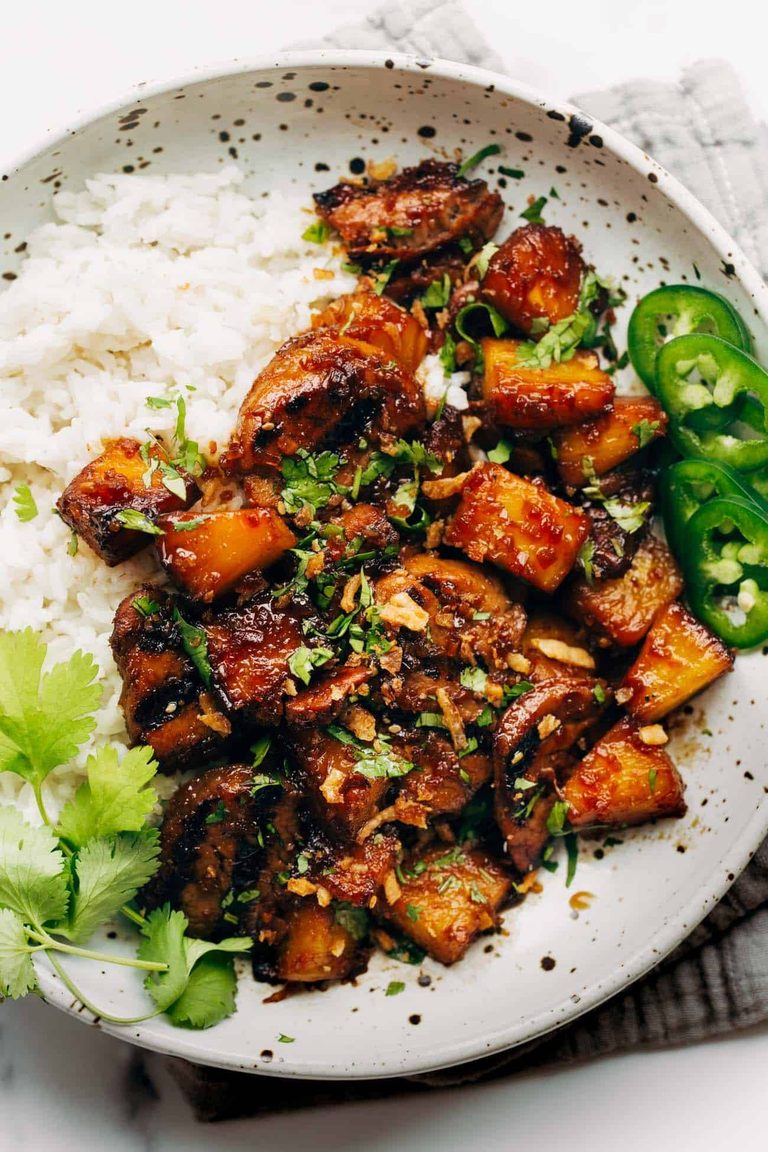
Expert Perspectives on Efficiency and Nutrition
Culinary professionals and nutritionists have weighed in on this trend, largely with approval. Dr. Eleanor Vance, a leading food technologist at the Institute of Culinary Arts, remarks, "The innovation in 30-minute meal development is remarkable. It’s not just about cutting corners; it’s about smart cooking. Chefs and recipe developers are finding ingenious ways to layer flavors quickly, utilize high-heat cooking methods, and leverage pre-prepped ingredients without compromising on the quality or integrity of the dish. It reflects a deep understanding of modern consumer needs."
From a nutritional standpoint, registered dietitians often advocate for home cooking over frequent takeout, even when time is limited. Sarah Chen, a nutritionist specializing in family wellness, states, "The ability to prepare a meal in 30 minutes empowers individuals to make healthier choices. You have control over your ingredients, portion sizes, and cooking methods, which is often lost with restaurant or processed foods. These quick recipes often incorporate a good balance of protein, vegetables, and complex carbohydrates, making them a far superior option for sustained health." Chen further notes that the mental health benefits of cooking, even for a short period, can be significant, offering a sense of accomplishment and a structured end to the day.
Sociologists also point to the psychological benefits. Dr. Michael O’Connell, a researcher on family dynamics, observes, "Shared mealtimes, however brief, are crucial for family cohesion and communication. The 30-minute meal allows busy families to consistently gather around the table, fostering connections that might otherwise be lost if dinner became an every-person-for-themselves scramble or was perpetually outsourced."
Broader Societal and Economic Implications
The rise of the 30-minute meal trend has several broader implications across society and the economy:
- Impact on the Food Industry and Retail: Grocery stores are increasingly adapting to this demand by expanding their offerings of convenient ingredients. This includes more extensive salad bars, pre-cut produce sections, ready-to-cook meal kits (distinct from subscription boxes), and value-added proteins. Food manufacturers are also innovating, developing sauces, spice blends, and quick-cooking staples that cater to the time-pressed cook. The emphasis is shifting from highly processed "instant" meals to ingredients that facilitate quick, fresh cooking.
- Sustainability and Food Waste: By encouraging planned, quick home cooking, this trend can inadvertently contribute to reduced food waste. Efficient recipes often call for specific, measured ingredients, leading to less spoilage than bulk purchasing for elaborate meals. Furthermore, the emphasis on fresh ingredients often means less packaging waste associated with highly processed convenience foods.
- Empowerment of Home Cooks: The accessibility of these recipes, often accompanied by step-by-step instructions and visual guides on digital platforms, empowers even novice cooks to create satisfying meals. This demystifies cooking and encourages greater self-sufficiency in the kitchen, potentially reducing reliance on expensive external food sources.
- Technological Integration in the Kitchen: The trend aligns perfectly with the increasing integration of technology in the home. Recipe apps, smart kitchen assistants, and online grocery delivery services complement the 30-minute meal philosophy by simplifying meal planning, shopping, and even cooking execution. This synergy creates a comprehensive ecosystem designed for culinary efficiency.
In conclusion, the movement towards quick, delicious, and easy dinner recipes, particularly those achievable in 30 minutes or less, is far more than a fleeting culinary fad. It is a robust and multifaceted response to the evolving demands of modern life, reflecting a collective desire to balance time constraints with the pursuit of health, flavor, and family connection. As societal pressures continue to mount, the innovation in expedited home cooking is poised to remain a cornerstone of contemporary culinary practices, transforming how individuals and families approach one of life’s most fundamental daily rituals.