
The modern culinary landscape is witnessing a significant shift towards plant-based diets, driven by growing health consciousness, environmental concerns, and ethical considerations. Concurrently, the demands of contemporary lifestyles have amplified the need for quick, convenient, yet deeply satisfying meal solutions. In this dynamic environment, a particular dish, Bang Bang Tofu, has rapidly gained traction, emerging as a prime example of how culinary ingenuity can meet these evolving consumer preferences. Characterized by its crispy texture, sticky glaze, and complex flavor profile, this tofu-based dish, often served atop steamy rice, represents a practical and delicious answer to the perennial weeknight dinner dilemma. Its blend of ease of preparation with restaurant-quality taste positions it as a significant trend in home cooking, appealing to a broad demographic from busy professionals to families seeking nutritious and appealing vegetarian options.
The Evolving Culinary Landscape: Plant-Based Eating and Time-Saving Solutions

Over the past decade, the adoption of plant-based diets has moved from a niche lifestyle choice to a mainstream culinary phenomenon. Market research firm data indicates that the global plant-based food market is projected to reach over $74.2 billion by 2027, growing at a compound annual growth rate of approximately 11.9%. This expansion is not solely driven by vegans or vegetarians but also by a significant portion of the population identifying as "flexitarians" – individuals who consciously reduce their meat intake without fully eliminating it. This demographic actively seeks accessible, flavorful, and varied plant-based recipes that can seamlessly integrate into their existing dietary routines.
Parallel to this dietary evolution is the persistent consumer demand for time efficiency in meal preparation. Surveys consistently show that a majority of households, particularly those with dual-income earners or families, prioritize meals that can be prepared in under 30-45 minutes. This necessitates recipes that minimize active cooking time, reduce complex ingredient lists, and streamline processes without compromising on taste or nutritional value. The rise of kitchen appliances designed for speed, such as air fryers and instant pots, further underscores this societal push towards culinary convenience. These factors together create a fertile ground for dishes like Bang Bang Tofu, which skillfully navigates the intersection of plant-based eating and rapid meal preparation.
Decoding the Allure of Bang Bang Sauce

At the heart of the Bang Bang Tofu phenomenon lies its distinctive sauce. The "Bang Bang" flavor profile, while widely popularized in Western contexts, traces its origins to Szechuan cuisine in China, where it is known as "Bang Bang Ji" (棒棒鸡), typically featuring poached chicken served with a spicy, nutty, and savory sauce. The modern, often Americanized, iteration of bang bang sauce typically combines sweet, spicy, and creamy elements, frequently featuring mayonnaise, sweet chili sauce, Sriracha, and sometimes a touch of honey or sugar, alongside garlic and lime. This fusion creates an irresistibly complex taste that hits multiple sensory points simultaneously – the initial sweetness, followed by a gentle or robust heat, and a rich, savory finish with subtle umami notes.
Culinary critics often attribute the sauce’s widespread appeal to its harmonious balance of flavors, making it palatable to a wide range of palates, including those who might typically shy away from overly spicy dishes. Its versatility is also a key factor; beyond chicken, it has been successfully adapted to shrimp, salmon, and now, prominently, tofu. The sauce’s ability to coat ingredients in a luxurious, glossy layer also contributes to its visual and textural appeal, enhancing the overall dining experience. Its comparatively simple ingredient list and straightforward preparation further demystify what appears to be a sophisticated flavor, making it highly reproducible for the home cook.
Mastering Tofu: From Pressing to Perfect Crispy Texture
Tofu, a versatile protein source derived from soybeans, has long been a staple in East Asian cuisines but has only recently gained significant mainstream acceptance in Western diets. While praised for its nutritional benefits – being rich in protein, iron, and calcium, and low in saturated fat – tofu has historically faced perception challenges, often criticized for its blandness or perceived rubbery texture. However, culinary innovations have largely overcome these hurdles, demonstrating tofu’s incredible capacity to absorb flavors and achieve diverse textures.
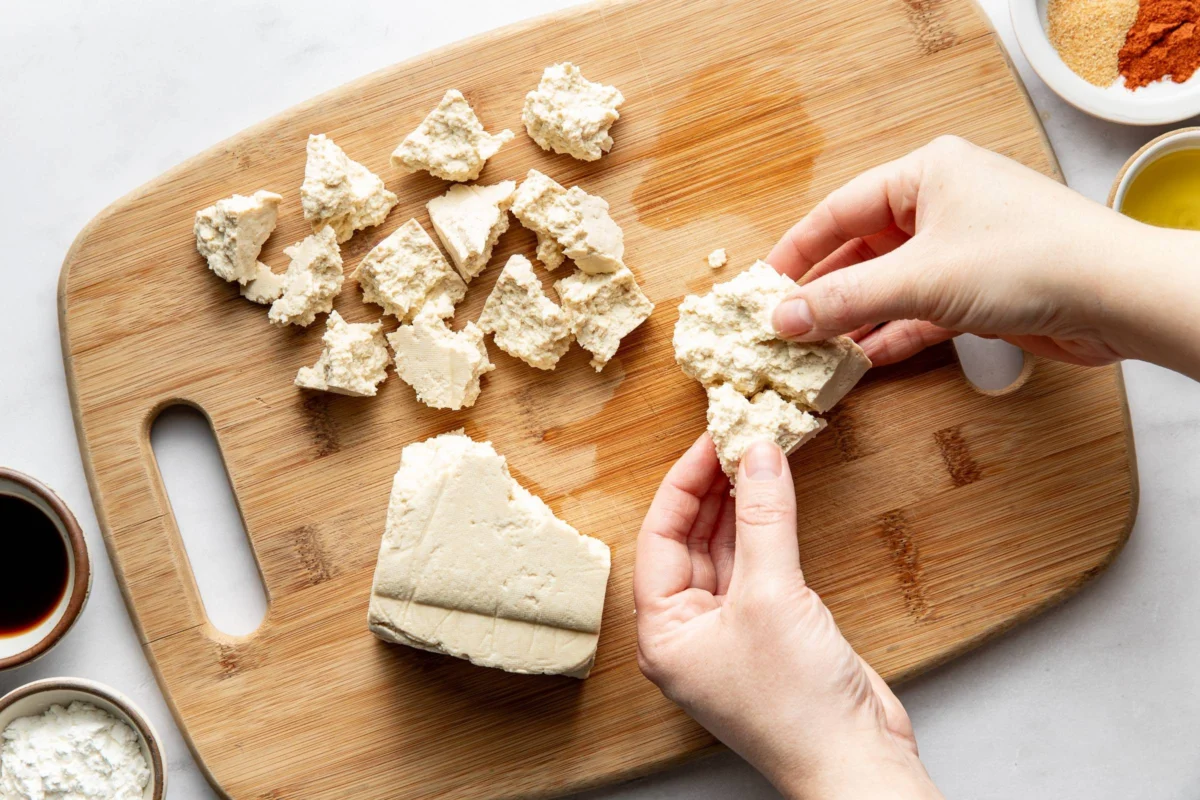
The preparation of Bang Bang Tofu specifically addresses these textural concerns, emphasizing crispiness as a foundational element. A critical step in achieving this is the proper removal of excess moisture from the tofu. While traditional methods involve pressing the tofu for an extended period, the emergence of high-protein, extra-firm varieties (such as those increasingly available from specialty food retailers) has simplified this process, often requiring only a quick blot with a paper towel. For other types of tofu, thorough pressing remains essential to create a porous structure that allows for optimal crisping and flavor absorption.
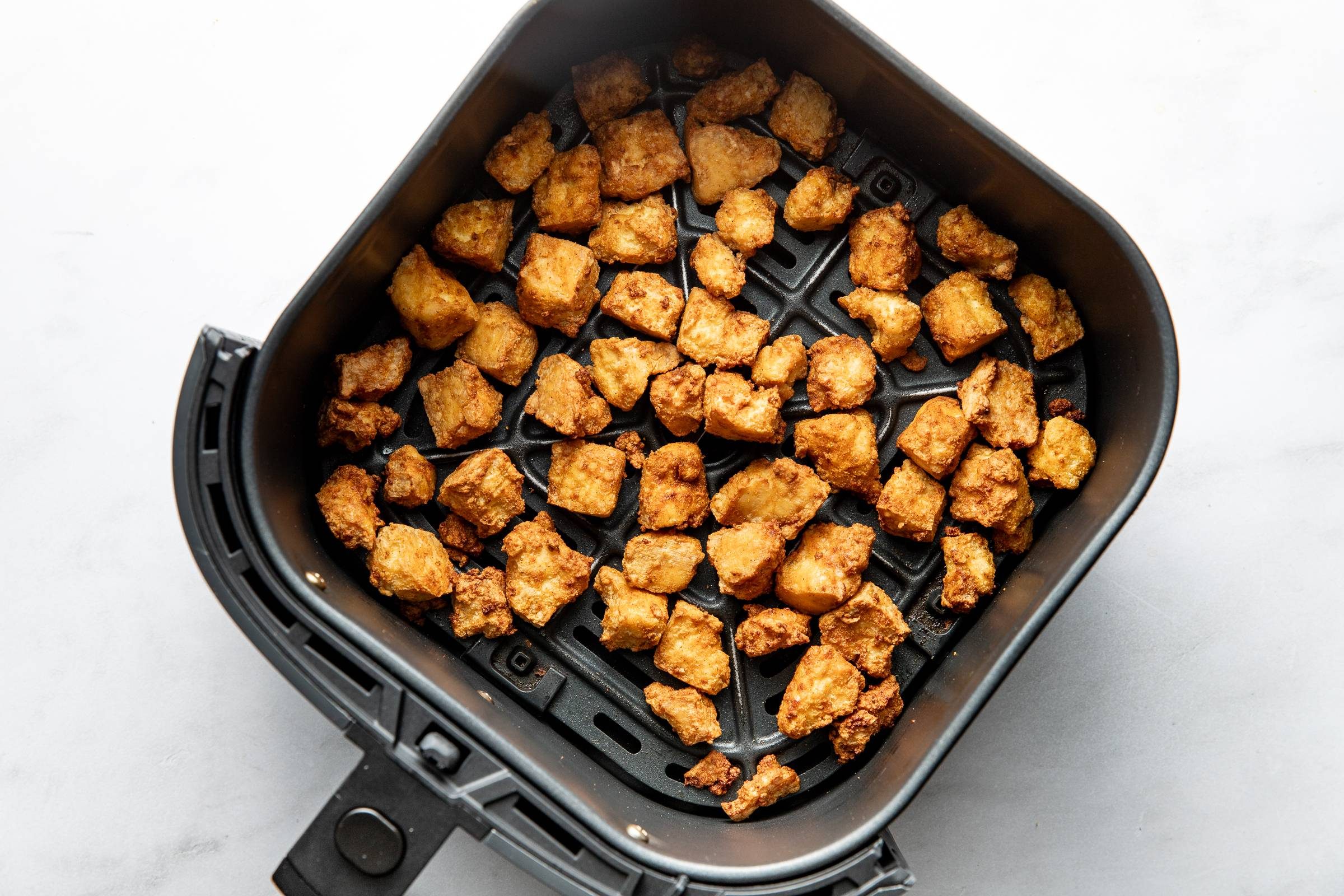
The most lauded technique for achieving supreme crispiness in Bang Bang Tofu involves the use of an air fryer. Air fryers, which operate by circulating hot air around food, mimic the effects of deep-frying with significantly less oil, resulting in a delightfully crunchy exterior. This method is particularly effective for tofu, creating a golden-brown crust while maintaining a tender interior. Following air frying, the crispy tofu is then transferred to a skillet, where it is tossed with the bang bang sauce. This crucial step allows the sauce to caramelize slightly around the tofu pieces, forming the characteristic sticky, glistening glaze that is central to the dish’s appeal and elevates it to a restaurant-quality experience. This two-stage cooking process—initial crisping followed by sauce caramelization—is a testament to the dish’s thoughtful design, maximizing both texture and flavor.

The Recipe: Simplicity Meets Sophistication
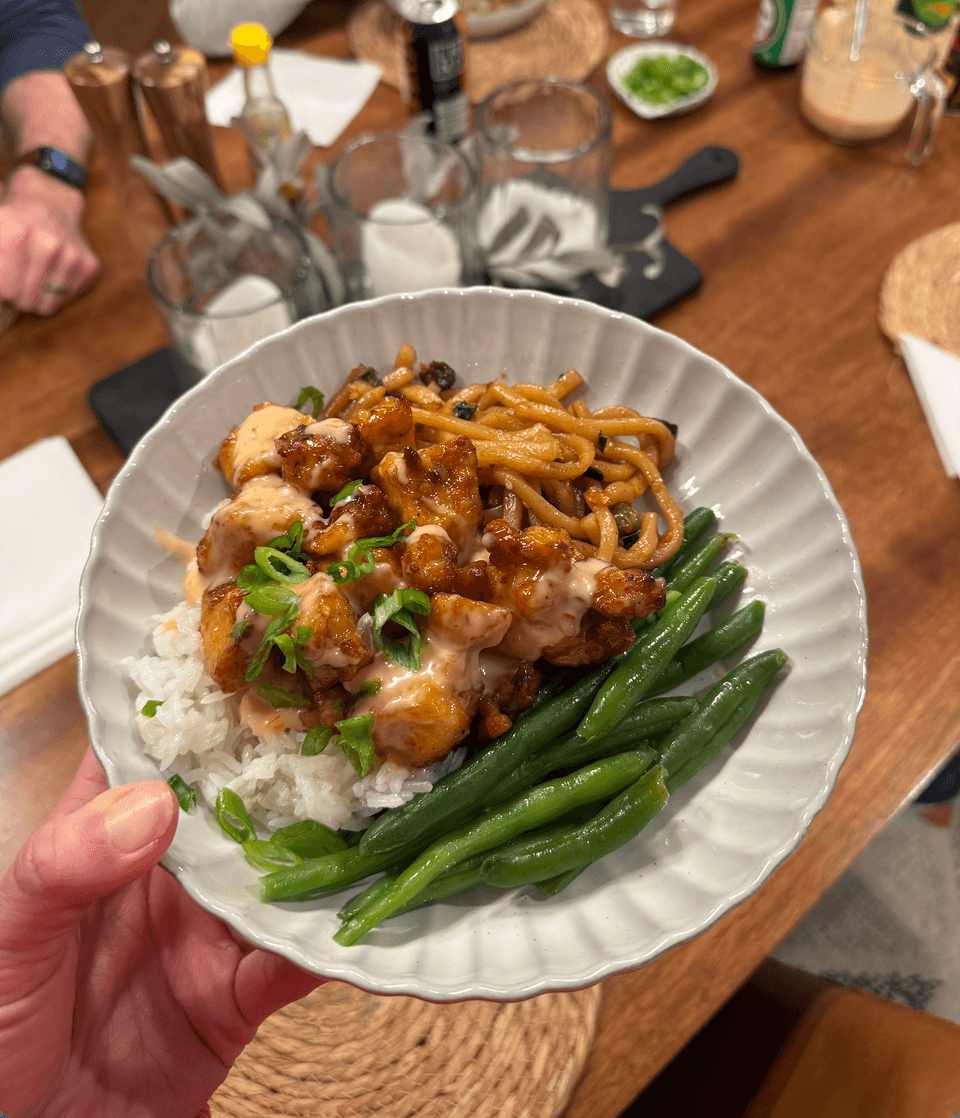
The Bang Bang Tofu recipe typically involves a relatively short list of accessible ingredients and a streamlined cooking process, making it an ideal candidate for weeknight meals. The main components include extra-firm or high-protein tofu, ingredients for the bang bang sauce (mayonnaise, sweet chili sauce, Sriracha, rice vinegar, garlic, and a touch of sweetener), and accompaniments like steamed rice and fresh green beans. Optional additions, such as a quick stir-fry of udon noodles or other vegetables, can further enhance the meal’s substance and nutritional profile.
The preparation generally unfolds in a logical sequence:
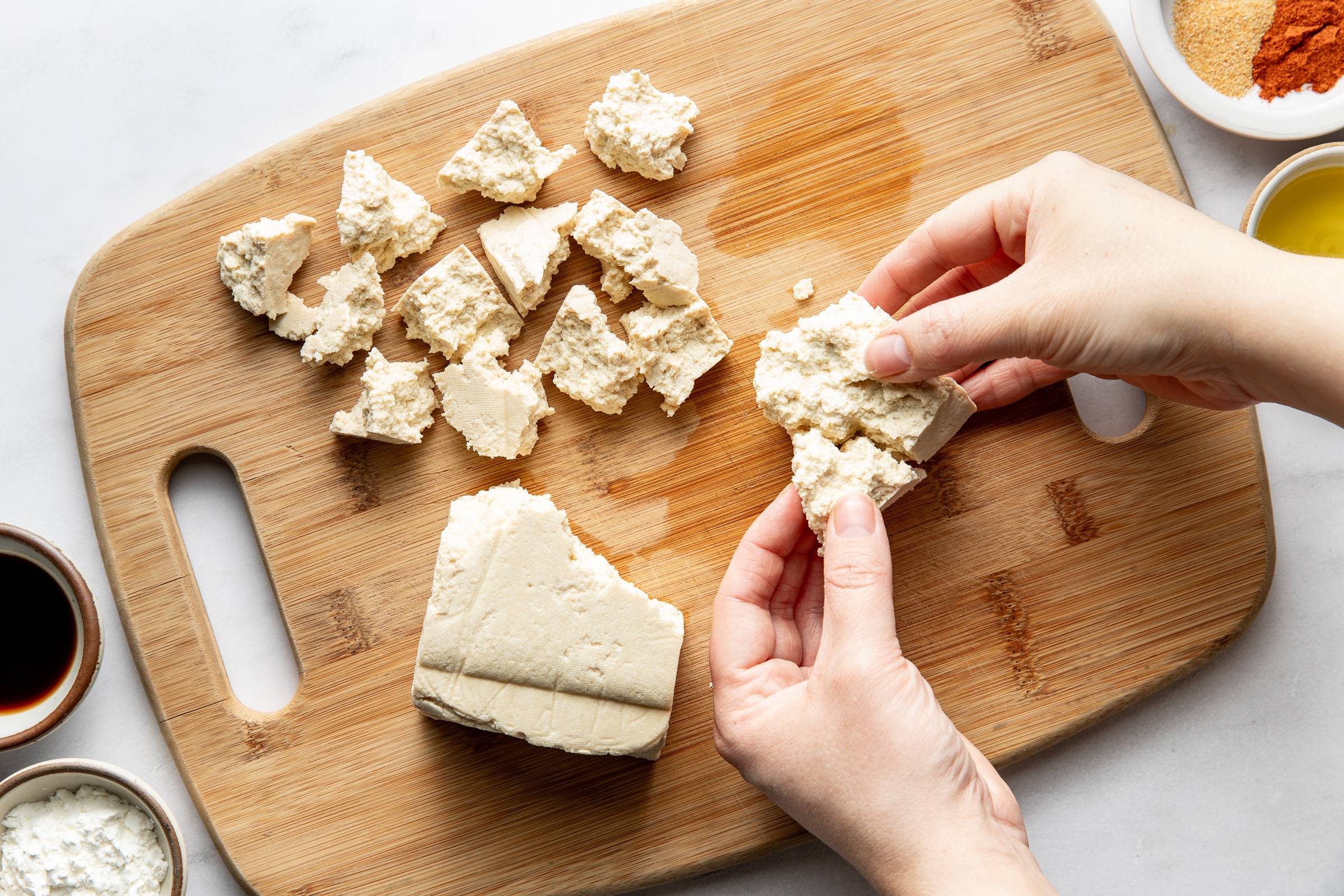
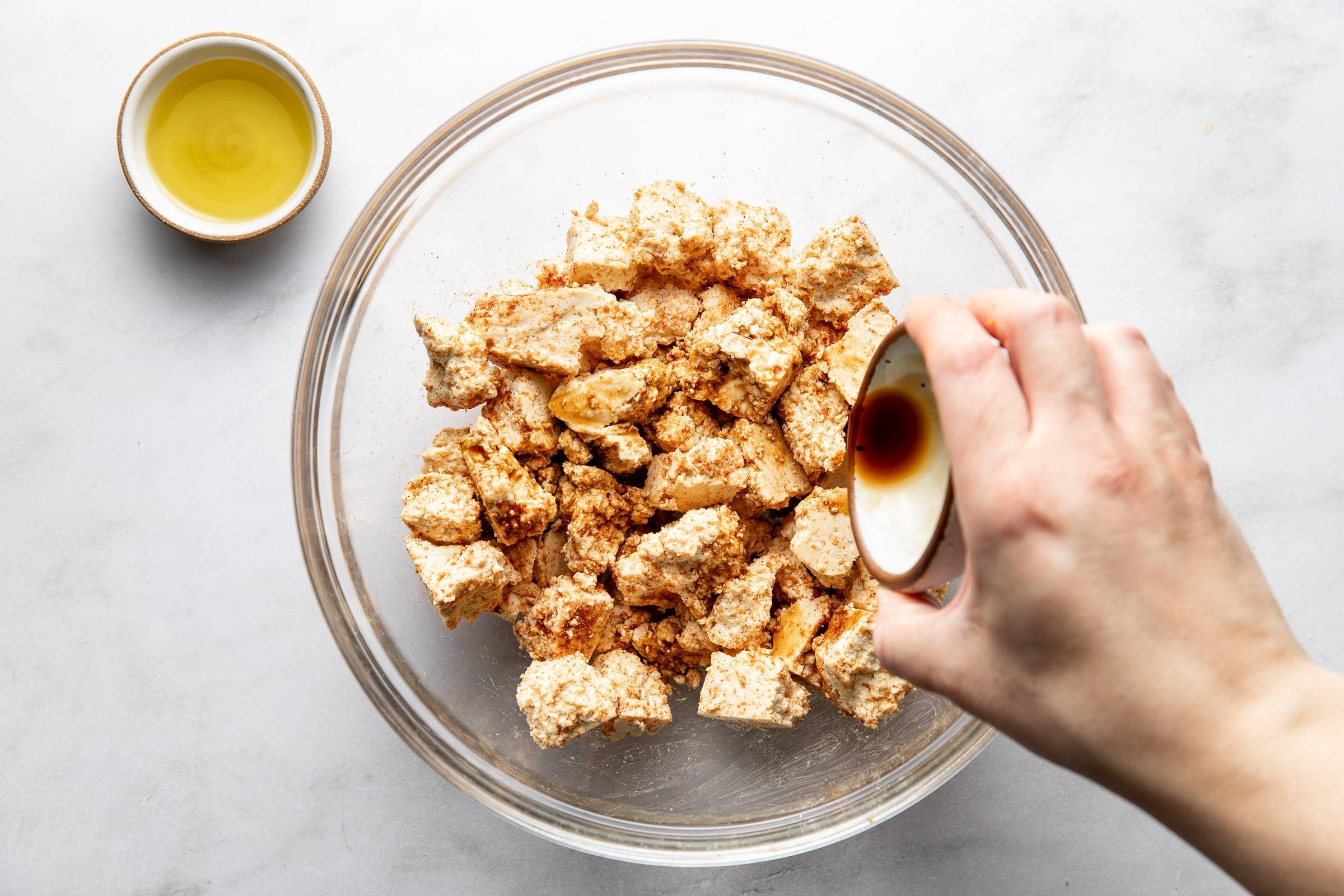
- Tofu Preparation: Tofu is pressed (if necessary), cubed, and then often tossed with a light coating of cornstarch or arrowroot powder to further aid in crisping.
- Air Frying: The coated tofu cubes are air-fried until uniformly golden and crispy, typically taking 15-20 minutes, with a mid-cook toss for even browning.
- Sauce Creation: While the tofu air-fries, the bang bang sauce ingredients are whisked together. This simple, no-cook sauce is a significant time-saver.
- Skillet Glazing: The crispy tofu is then combined with a portion of the prepared sauce in a hot skillet, allowing the sauce to thicken and adhere, creating a sticky, caramelized coating.
- Assembly: The glazed tofu is then piled generously over steamy white or brown rice, accompanied by steamed green beans or other preferred vegetables. A final drizzle of the remaining bang bang sauce is often added for an extra burst of flavor and moisture.
This methodology not only ensures maximum flavor and texture but also keeps active cooking time to a minimum, embodying the "easy dinner alert" ethos that modern home cooks crave. The visual appeal, with the vibrant orange hue of the sauce-coated tofu contrasting with white rice and green vegetables, further enhances its desirability, transforming a simple plant-based meal into an inviting culinary presentation.
Culinary Experts Weigh In and Consumer Endorsement
The rapid adoption and enthusiastic reception of Bang Bang Tofu among home cooks underscore its significance as a culinary trend. Anecdotal evidence, widely shared across online food communities, culinary blogs, and social media platforms, frequently highlights the dish’s ability to impress even skeptical diners, including children and teenagers. This widespread positive feedback suggests that the recipe effectively bridges the gap between health-conscious eating and universal taste appeal.
Food critics and nutritionists have also taken note. "The brilliance of dishes like Bang Bang Tofu lies in their accessibility and adaptability," observes Dr. Anya Sharma, a food sociologist specializing in dietary trends. "It takes a widely available, cost-effective, and nutrient-dense ingredient like tofu and transforms it using a flavor profile that is inherently exciting and familiar to many, even if the application is novel. This makes plant-based eating less intimidating and more enjoyable for the average consumer." Nutritionists often highlight tofu’s complete protein profile, making it an excellent alternative to meat, and commend the inclusion of fresh vegetables for a balanced meal. The relative control over ingredients in homemade versions also allows for healthier modifications, such as using low-fat mayonnaise or reducing added sugars in the sauce.
The dish’s success also points to the evolving role of food bloggers and online recipe developers. These digital culinary creators, often operating outside traditional culinary institutions, are proving to be powerful influencers, driving trends and democratizing gourmet cooking techniques for a global audience. Their ability to translate complex flavors into approachable recipes, often accompanied by high-quality visuals and user-friendly instructions, is critical to the widespread adoption of dishes like Bang Bang Tofu.
Beyond the Plate: Broader Implications for Home Cooking and the Food Industry
The ascent of Bang Bang Tofu carries broader implications for the future of home cooking and the food industry. Firstly, it reinforces the growing importance of "flavor-forward" plant-based options. As more consumers explore meat alternatives, the emphasis is shifting from mere substitution to creating dishes that are inherently delicious and satisfying in their own right. This trend encourages innovation in plant-based product development and recipe creation, pushing boundaries beyond traditional vegetarian staples.
Secondly, the dish exemplifies the impact of kitchen technology on daily culinary practices. The air fryer, once a niche gadget, has become a mainstream appliance, fundamentally altering how home cooks approach texture and speed. Recipes that leverage such technologies efficiently are likely to continue gaining prominence. This also suggests an ongoing market for appliance manufacturers to innovate further, designing tools that align with modern cooking demands.
Furthermore, the popularity of Bang Bang Tofu could influence ingredient supply chains and consumer purchasing habits. An increased demand for tofu, sweet chili sauce, and other core components might lead to greater availability and potentially more competitive pricing, making these ingredients even more accessible. It also highlights the power of adaptable sauces; a well-crafted sauce can be a game-changer, breathing new life into various proteins and vegetables.

Finally, the dish serves as a testament to the power of global culinary fusion and adaptation. Taking inspiration from traditional Asian flavors and adapting them for contemporary tastes and cooking methods creates dishes that resonate with a diverse global audience. This ongoing cross-cultural exchange in the kitchen promises a future of exciting, innovative, and deeply flavorful meals that cater to an ever-evolving palate.
In conclusion, Bang Bang Tofu is more than just a recipe; it is a culinary microcosm reflecting significant trends in modern eating. Its success in blending ease, flavor, and plant-based nutrition positions it as a leading example of how contemporary cuisine is evolving to meet the complex demands of health-conscious, time-constrained, and flavor-seeking consumers worldwide. As the quest for convenient yet gourmet weeknight dinners continues, dishes like Bang Bang Tofu are poised to remain at the forefront of culinary innovation.