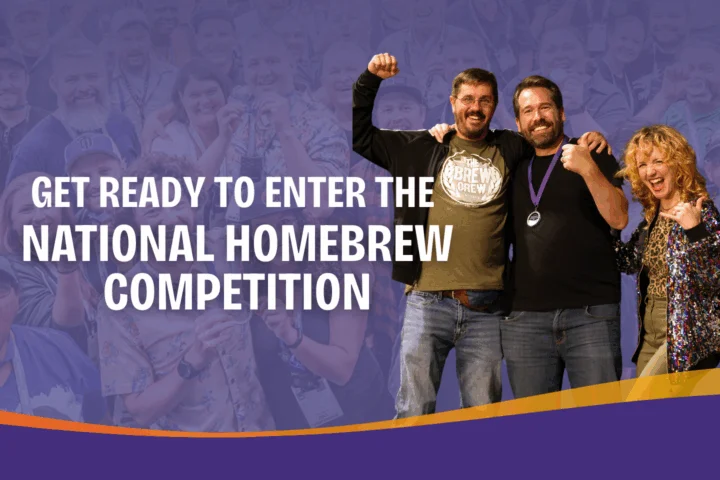

The American Homebrewers Association (AHA) has officially announced the commencement of the 2026 National Homebrew Competition (NHC), a milestone event that signifies the 48th year of the world’s most prestigious and expansive amateur brewing contest. Since its inception in 1979, the NHC has served as the definitive platform for amateur brewers to showcase their technical proficiency and creative innovation. With a legacy spanning nearly five decades and a historical tally exceeding 170,000 entries, the 2026 edition arrives during a pivotal era for the organization, following its transition to an independent entity in July 2025.
The upcoming competition is not merely a contest but a rigorous evaluation process supported by the Beer Judge Certification Program (BJCP). It represents the pinnacle of achievement in the homebrewing community, drawing entries from across the globe in categories ranging from traditional lagers and ales to complex meads and ciders. As the AHA prepares for this "new era," the 2026 NHC is expected to reinforce the standards of excellence that have defined the hobby since the late 20th century.
A Legacy of Excellence: The Evolution of the NHC Since 1979
The National Homebrew Competition was founded at a time when the landscape of American beer was vastly different from the diverse market seen today. In 1979, following the federal legalization of homebrewing by President Jimmy Carter in late 1978, the first NHC was held in Boulder, Colorado. It began as a modest gathering of enthusiasts and has since evolved into a massive international operation.
Over the past 47 years, the competition has tracked the growth of the craft beer movement itself. Many of the industry’s most celebrated professional brewers—including those who founded iconic breweries like Sierra Nevada, Dogfish Head, and Bell’s Brewery—began their journeys as homebrewers, often using the NHC as a proving ground for their recipes. The 170,000 entries judged since 1979 represent a massive repository of data on brewing trends, ingredient usage, and the increasing sophistication of amateur fermentation techniques.
The 2026 competition stands as a testament to this enduring legacy. By reaching its 48th year, the NHC continues to provide a vital link between the history of the craft and its future, maintaining a rigorous judging standard that has become the benchmark for competitions worldwide.
Organizational Independence and the "New Era" for the AHA
Perhaps the most significant development surrounding the 2026 NHC is the organizational shift that occurred in July 2025. After years of operating under the umbrella of the Brewers Association (BA), the American Homebrewers Association transitioned to an independent structure. This move was designed to grant the AHA greater autonomy in its advocacy efforts, educational programming, and event management.
The 2026 competition is the first NHC to be fully planned and executed under this new independent framework. To manage this transition, the AHA established a Founding Board and an Events Committee comprised of volunteer member leaders. These individuals, many of whom are veteran homebrewers and Master-ranked BJCP judges, have been tasked with modernizing the competition while preserving its core traditions.
According to internal communications from the AHA staff, the goal for 2026 is to create a competition that is "bigger, better, and bursting with homebrewing glory." This includes streamlining the registration process, enhancing the feedback loop for entrants, and ensuring that the logistical challenges of a multi-round competition are met with professional-grade precision.
The Role of the Beer Judge Certification Program (BJCP)
Central to the integrity of the NHC is its partnership with the Beer Judge Certification Program (BJCP). The BJCP is a non-profit organization that trains and certifies beer judges through a series of examinations and tasting evaluations. Their involvement ensures that every entry in the NHC is judged blindly and objectively against a set of standardized style guidelines.
For the 2026 competition, the BJCP’s role is more critical than ever. As homebrewers experiment with increasingly obscure ingredients and hybrid techniques, the need for qualified judges who can distinguish between intentional character and technical flaws is paramount. The NHC utilizes a structured scoring system (typically on a 50-point scale) that evaluates entries based on aroma, appearance, flavor, mouthfeel, and overall impression.
One of the primary benefits for participants in the NHC is the detailed scoresheet feedback. Regardless of whether an entry wins a medal, the brewer receives written evaluations from certified judges. This feedback is often cited by participants as the most valuable aspect of the competition, as it provides a roadmap for technical improvement and recipe refinement.
Competition Structure: From First Round to Final Glory
The 2026 NHC will follow a multi-stage format designed to narrow down thousands of entries to the absolute best in each category. While the specific logistics are slated for release in February, the competition traditionally unfolds in the following phases:
- Regional First Round Judging: Thousands of entries are shipped to regional hubs across North America. In these locations, panels of BJCP judges evaluate entries within specific style categories. Only the highest-scoring entries (typically the top three in each category at each site) advance to the Final Round.
- The Final Round: Entries that survive the regional eliminations are sent to a central location for the Final Round. Here, the "best of the best" are compared against one another. This round determines the gold, silver, and bronze medalists for each of the dozens of categories recognized by the AHA.
- Special Awards: Beyond individual category medals, the NHC crowns the "Homebrewer of the Year," the "Cidermaker of the Year," and the "Meadmaker of the Year." Additionally, the "Ninkasi Award" is given to the brewer who accumulates the most points across all categories, symbolizing the ultimate achievement in brewing versatility.
Supporting Data: The Impact of Amateur Brewing on the Industry
The significance of the NHC extends beyond the hobbyist community and into the broader economic landscape of the fermented beverage industry. Data from the AHA indicates that homebrewers contribute significantly to the economy through the purchase of equipment, ingredients, and educational resources.
Furthermore, the NHC serves as a research and development incubator for the professional sector. Trends that often start in the homebrew basement—such as the rise of New England IPAs, the resurgence of Gose and Berliner Weisse, and the experimentation with Kveik yeast—eventually find their way into commercial production. By providing a platform for these experimental brews, the NHC helps drive the innovation that keeps the craft beer industry vibrant.
In the 2026 cycle, the AHA expects a high volume of entries in the cider and mead categories, reflecting a broader market trend toward gluten-free alternatives and traditional honey-based ferments. The inclusion of these categories ensures that the NHC remains a comprehensive celebration of all forms of amateur fermentation.
Timeline and Anticipated Logistics for 2026
The American Homebrewers Association has indicated that the full schedule for the 2026 NHC will be made public in February. This announcement will include several critical pieces of information for prospective entrants:
- Registration Windows: The period during which brewers must claim their entry slots. Due to the high demand, these slots often fill within minutes of opening.
- Style Categories: The specific BJCP categories that will be recognized. While most traditional styles are included every year, the AHA occasionally introduces special or provisional categories to reflect current brewing interests.
- Shipping and Drop-off Deadlines: Detailed instructions for getting temperature-sensitive bottles to judging sites without compromising the quality of the beverage.
- Judging Information: Opportunities for certified judges and stewards to volunteer their time, which is essential for the logistical success of the event.
- Final Round Hotel Information: Details for the concluding ceremonies, which often coincide with the National Homebrewers Conference (Homebrew Con).
Professional Analysis: The Strategic Importance of the 2026 NHC
Industry analysts suggest that the 2026 NHC will be a "bellwether" event for the American Homebrewers Association. Following its independence in 2025, the organization needs to demonstrate its ability to maintain the high operational standards of the NHC without the administrative backing of the Brewers Association.
"The NHC is the crown jewel of the AHA," says one industry observer. "Successfully executing a competition of this scale—involving thousands of entries and hundreds of volunteers—is a massive logistical feat. If the 2026 event is a success, it will solidify the AHA’s position as a robust, independent voice for the hobby."
Furthermore, the competition serves as a vital membership driver. Participation in the NHC is a primary benefit of AHA membership, and the excitement surrounding the event often leads to a surge in new and renewed memberships. This financial health is crucial for the AHA’s ongoing mission of "promoting the community of homebrewers and empowering homebrewers to make the best beer, wine, and mead in the world."
Conclusion: Preparing for the 2026 Cycle
As the homebrewing community looks toward the February announcement, the AHA is encouraging brewers to begin their preparations early. The advice offered to potential entrants emphasizes technical precision and the use of high-quality ingredients. Successful NHC competitors often spend months refining a single recipe, brewing multiple iterations to ensure that the final entry perfectly aligns with the BJCP style guidelines.
The 2026 National Homebrew Competition represents more than just a quest for medals; it is a celebration of a craft that has shaped American beverage culture for nearly half a century. With 48 years of history and 170,000 entries as its foundation, the NHC remains the ultimate stage for the creativity, skill, and dedication of the homebrewer. Whether a novice looking for professional feedback or a veteran seeking the title of Homebrewer of the Year, the 2026 NHC offers a unique opportunity to participate in a storied tradition of brewing excellence.