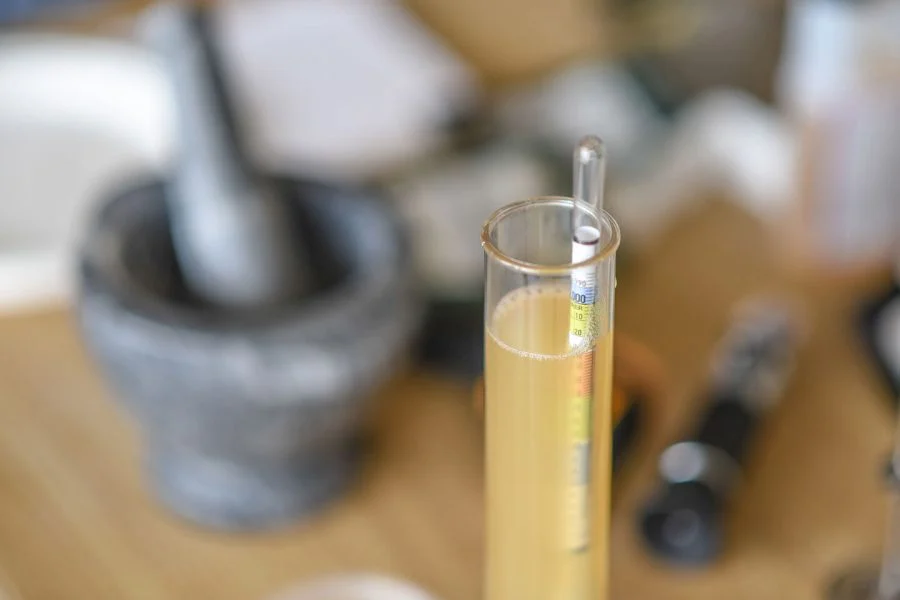

The American Homebrewers Association (AHA) has officially released the May/June 2026 edition of its flagship publication, Zymurgy, marking a significant pivot toward international brewing diplomacy and the intersection of biotechnology and fermentation. This latest installment serves as a comprehensive guide for the modern zymurgist, blending traditional European techniques with emerging styles from Eastern Europe and groundbreaking medical research. As the craft beer landscape continues to evolve from a local hobby into a globalized scientific discipline, the May/June issue highlights the diverse ways in which homebrewers are influencing both the culinary and medical worlds.
The central focus of this issue is the "global homebrewing tour," a curated collection of narratives and technical analyses spanning from the rugged landscapes of Turkey to the vineyards of Tuscany. Beyond the travelogue, the magazine introduces 14 new recipes, ranging from historical recreations to modern experimental ales, providing members with a practical toolkit for the upcoming summer brewing season.

The Rise of Ukrainian Golden Ale: A New Frontier in Style Recognition
Headlining the issue is a definitive look at Ukrainian Golden Ale, authored by Lana Svitankova, a prominent voice in the international beer community and a tireless advocate for Ukrainian brewing heritage. The feature serves as a critical milestone in the effort to have Ukrainian Golden Ale recognized as an official category by major sanctioning bodies such as the Beer Judge Certification Program (BJCP) and the European Beer Star.
Svitankova provides a technical breakdown of the style, positioning it as a unique middle ground in the European ale spectrum. Historically, golden ales have been dominated by the British variant—known for its hop-forward, sessionable qualities—and the Belgian Golden Strong Ale, characterized by high alcohol content, spicy phenols, and effervescent carbonation. Ukrainian Golden Ale distinguishes itself by being stronger and more malt-forward than its British counterparts, yet lacking the aggressive phenolic bite of the Belgian varieties. It typically features a prominent sweetness, often derived from the use of local honey or specific decoction mashing techniques common in Eastern Europe, resulting in a full-bodied, "voluptuous" mouthfeel.
The inclusion of this story reflects a broader trend within the AHA to document and preserve regional brewing identities that have been threatened by geopolitical instability. By formalizing the parameters of Ukrainian Golden Ale, Zymurgy provides homebrewers with the stylistic guidelines necessary to replicate and promote the style globally, thereby ensuring its survival and growth in the international craft market.

Technical Mastery: From Munich Dunkel to Italian Saison
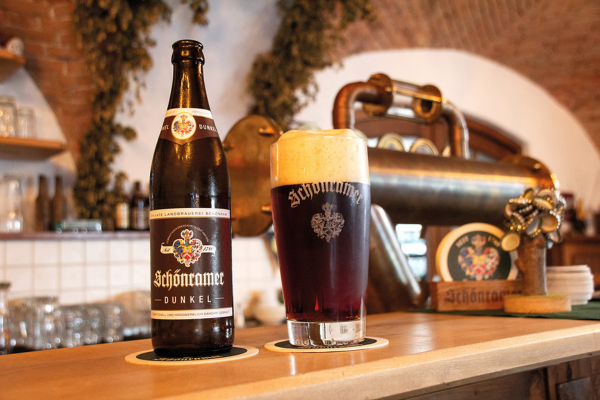
While the cover story looks toward the future of style recognition, other features in the May/June issue return to the foundational principles of classic European brewing. A deep dive into the German Dunkel explores the complexities of Munich’s traditional dark lager. The article emphasizes that the secret to a world-class Dunkel lies not in heavy roasting, but in the delicate balance of melanoidin-rich malts. Brewers are guided through the nuances of temperature-controlled fermentation and the importance of long lagering periods to achieve a clean, crisp finish that belies the beer’s dark appearance.
In a parallel feature, National Homebrew Competition gold medalist Carlo Sesia offers a masterclass on brewing Saisons in Northern Italy. Sesia’s approach to the Belgian ale is a testament to the "Italian Way" of craft brewing—a movement that emphasizes technical precision and local terroir. The article details his specific fermentation schedules, which involve ramping up temperatures to encourage the production of fruity esters and black pepper phenols without generating harsh fusel alcohols. This contribution highlights the high level of expertise found within the international homebrewing community, where amateur enthusiasts often achieve results that rival commercial operations.
The Tuscany Connection: Terroir and Innovation
The issue further explores the concept of terroir through a feature on the Homebrewers Fiorentini, a club based in the heart of Tuscany. This region, world-renowned for its viticulture, has seen a surge in "hybrid" brewing. Members of the club share their methods for incorporating local ingredients—such as grape must, regional honey, and oak barrels previously used for aging Chianti—into their grain bills.

This intersection of wine and beer culture has led to the rise of the Italian Grape Ale (IGA), a style that the AHA has closely followed over the last decade. The Tuscan homebrewers demonstrate how regional identity can be infused into beer, moving beyond the standard water-malt-hops-yeast quartet to create beverages that are uniquely reflective of their geography. The use of wine-soaked oak, in particular, is analyzed for its ability to impart complex tannins and micro-oxygenation, mimicking the aging process of fine wines.
Biotechnology: When Brewing Meets Virology
Perhaps the most unconventional story in this issue is the profile of Chris Buck, an American virologist and avid homebrewer. Buck has gained attention in both the scientific and brewing communities for his research into polyomaviruses—a group of viruses that can cause severe disease in immunocompromised individuals.
The feature details how Buck utilized Saccharomyces cerevisiae (common brewer’s yeast) as a biological factory to produce virus-like particles (VLPs). These VLPs are essential for the development of vaccines, as they mimic the structure of a virus to trigger an immune response without containing the actual viral DNA. By leveraging the same fermentation principles used to make ale, Buck has streamlined the production of vaccine candidates.
This story underscores the sophisticated nature of modern homebrewing. The equipment and techniques used by advanced hobbyists—such as yeast propagation, pH control, and sterile laboratory practices—overlap significantly with the requirements of pharmaceutical biotechnology. Buck’s work serves as a reminder that the study of fermentation (zymurgy) is a branch of applied science with implications far reaching beyond the taproom.
Leadership and Direction: The Role of the Editor-in-Chief
The May/June issue is curated by Editor-in-Chief Dave Carpenter, who has led Zymurgy through a period of significant digital and editorial expansion. Carpenter, who began his brewing journey in 2009, has focused on bridging the gap between "old-school" brewing traditions and the high-tech future of the hobby. Under his leadership, the magazine has increased its focus on scientific literacy and global outreach.
In his editorial notes, Carpenter emphasizes that the goal of the magazine is to provide "unmatched resources and validated recipes" that allow brewers of all skill levels to improve their craft. His background in linguistics and passion for travel are evident in the issue’s diverse geographical coverage, ensuring that the publication remains relevant in an increasingly interconnected brewing world.

Broader Implications and Industry Impact
The release of this issue comes at a time when the homebrewing industry is seeing a resurgence in technical interest. According to data from the American Homebrewers Association, while the total number of homebrewers in the United States has stabilized after the "craft boom" of the 2010s, the level of sophistication among active brewers has reached an all-time high. Today’s homebrewers are more likely to invest in electric brewing systems, stainless steel conical fermenters, and advanced water chemistry kits.
The inclusion of 14 diverse recipes in this issue is a direct response to this demand for high-level content. These recipes are not merely instructions but are presented as educational case studies, complete with expected gravity readings, hop utilization charts, and water profile recommendations. By providing this level of detail, Zymurgy continues to act as the primary educational engine for the hobby, influencing the commercial craft beer sector as homebrewers often transition into professional roles.
Furthermore, the focus on international styles like Ukrainian Golden Ale and Italian Saisons suggests a shift in the American palate. As consumers move away from the "IPA-centric" market of the last twenty years, there is a growing appetite for subtle, malt-driven, and yeast-forward beers. Homebrewers, as the traditional "R&D" wing of the beer industry, are leading this charge, experimenting with styles that may not yet be commercially viable but define the next wave of craft trends.
Chronology of Zymurgy and the AHA
To understand the significance of the May/June 2026 issue, one must look at the timeline of the American Homebrewers Association:
- 1978: Charlie Papazian founds the AHA in Boulder, Colorado, and publishes the first issue of Zymurgy.
- 1979: President Jimmy Carter signs H.R. 1337, federally legalizing homebrewing for personal use.
- 2005: The AHA and the Brewers Association merge to form a unified voice for both amateur and professional brewers.
- 2020-2022: The global pandemic sees a spike in homebrewing interest, leading to a digital transformation of Zymurgy’s archives.
- 2024-2025: A renewed focus on international styles leads to "Special Issues" focusing on South America, Asia, and now, the diverse regions of Europe and the Middle East.
The May/June 2026 issue stands as a testament to this nearly 50-year history, evolving from a black-and-white newsletter into a high-production-value journal that commands respect from scientists, historians, and brewers alike.
Conclusion: A Global Community of Fermentation
The latest issue of Zymurgy reinforces the idea that homebrewing is no longer a solitary basement activity, but a global movement connected by shared science and cultural exchange. Whether it is through the preservation of Ukrainian brewing identity, the technical refinement of Italian ales, or the application of yeast to life-saving medical research, the community continues to push the boundaries of what is possible with four simple ingredients.

As the AHA continues to provide these resources, the impact is felt across the entire beverage industry. The May/June 2026 issue serves as both a manual for the enthusiast and a manifesto for the future of zymurgy, ensuring that the ancient art of brewing remains at the cutting edge of modern innovation.