
This seemingly innocuous statement, uttered by my friend Anna, a highly competent law professional, initially struck me as incongruous. Known for her critical thinking and formidable ability to dissect complex issues, Anna’s recent foray into what appeared to be a health "magic bullet" seemed to bypass her usual hawk-like skepticism. Her objective was clear: to lose approximately 15 pounds, a goal she confessed felt increasingly elusive and frustratingly "stuck." The new BPA-free tupperware, she explained, was part of an emerging strategy. "I’ve been reading about how microplastics in food containers can mess up our hormones and cause weight gain," she stated, referencing a growing public concern.
My immediate reaction was one of mild incredulity. This focus on a highly specific, niche intervention came shortly after Anna had candidly shared her struggles with gym consistency, frequent reliance on takeout meals, and a habit of sacrificing essential sleep for late-night "doom scrolling." When probed about more fundamental approaches, such as regular workouts or preparing home-cooked meals, her response was telling: "Yeah, but I’ve tried that a thousand times. If it were that simple, it would have worked already."
Anna’s experience is far from unique; it mirrors a widespread societal tendency. Many individuals, confronted with health goals, often overlook or delay the adoption of hard-but-worthwhile habit changes, instead gravitating towards ultra-specific, often unproven, solutions promising transformative results. This phenomenon is evident in the hours spent researching the "ultimate" workout program rather than simply executing a basic, known routine, or waiting for an elusive surge of inspiration, motivation, or a less busy period.
The appeal of such distractions is deeply rooted in human psychology. The act of purchasing new fitness gear or popular supplements can create a temporary illusion of progress. Similarly, consuming endless streams of YouTube videos or articles about potential changes provides a vicarious sense of accomplishment. And the deferral of action until the "right time" often feels intuitively correct. However, genuine, sustainable change hinges entirely on consistent, deliberate action. Humans, with their intricate cognitive mechanisms, have developed numerous sophisticated methods to circumvent the basic, often "unsexy," and inherently difficult actions required for meaningful transformation. This article delves into the common psychological and practical barriers that lead individuals to distract themselves from impactful health actions, offering a framework for realistic and sustainable change.
The Foundational Pillars of Health: Often Known, Rarely Mastered
The bedrock of good health is built upon a set of fundamental habits that, despite their widespread recognition, are remarkably underperformed in modern society. These include:
- Regular Physical Activity: Ideally, adults should aim for at least 30 minutes of moderate-to-vigorous exercise most days of the week, incorporating a blend of aerobic and resistance training. The World Health Organization (WHO) recommends at least 150–300 minutes of moderate-intensity aerobic physical activity, or 75–150 minutes of vigorous-intensity aerobic physical activity, or an equivalent combination, per week.
- Nutrient-Dense, Minimally-Processed Diet: A diet where 80% or more of caloric intake originates from whole or minimally processed foods is considered excellent. This approach emphasizes balance and acknowledges that occasional indulgences, such as pizza, can coexist within a healthy eating pattern. The focus is on consistency over perfection.
- Adequate Protein Intake: Consuming sufficient protein is crucial for muscle maintenance, appetite regulation, and body recomposition goals. Recommendations typically range from 1.2 to 2.2 grams of protein per kilogram of body weight, often translating to 4-6 palm-sized portions of lean protein daily for most adults.
- Prioritizing Quality Sleep: Aiming for seven to eight hours of quality sleep per night is paramount. While sleep quality cannot always be entirely controlled, establishing a consistent bedtime routine and waking time significantly contributes to improving sleep hygiene. Chronic sleep deprivation is linked to numerous health issues, including impaired cognitive function, mood disturbances, weakened immunity, and increased risk of obesity, diabetes, and cardiovascular disease.
- Moderation or Avoidance of Harmful Substances: Reducing or avoiding excessive consumption of alcohol, drugs, and tobacco products is a critical, albeit often challenging, component of long-term health. Public health data consistently links these substances to a wide array of chronic diseases and premature mortality.
Beyond these core physiological habits, factors such as nurturing positive social relationships and effectively managing stress are equally vital for holistic well-being. However, even the aforementioned five basic behaviors are uncommonly met. Strikingly, studies indicate that only about 6% of American adults consistently adhere to these five fundamental health behaviors. This statistic implies that nearly 94% of the population is not consistently performing these basics, despite their proven efficacy in achieving common goals like healthy weight management, improved athletic performance, and extended lifespan. The question then becomes: why do we struggle so profoundly to implement these foundational actions?
Understanding Ambivalence: A Natural Part of Change
Before delving into specific barriers, it is crucial to acknowledge the inherent psychological push-and-pull that accompanies any significant change. This feeling is known as ambivalence. Ambivalence describes the natural mix of conflicting feelings one experiences when contemplating a change, such as wanting to wake up earlier for a less stressful morning, yet simultaneously desiring to sleep in. It encapsulates the sentiment of "I want this, and at the same time, that."
Similarly, resistance towards change is a natural response, manifesting as "I want this, and at the same time, not." For instance, an individual might desire to reduce mindless phone scrolling but simultaneously dread the anxiety that arises when left with their own thoughts. These contradictory emotions, while potentially frustrating or seemingly illogical, are fundamental components of the change process. Rather than signaling a misguided pursuit, strong ambivalence and resistance often indicate that the contemplated change holds significant personal importance. In this sense, it is a positive indicator: it signifies that we genuinely care.
Basics Barrier #1: The Peril of Ambition Overload
A common pitfall in health pursuits is the tendency towards ambition overload. This often manifests as an individual declaring an immediate, sweeping overhaul of their lifestyle: an hour of daily exercise, "clean eating" at every meal, and eight hours of sleep nightly, often from a baseline of irregular activity, inconsistent nutrition, and late nights. Such grandiose plans, while providing temporary relief from current frustrations, frequently fail.
This tendency is exacerbated by several cognitive biases. Humans are prone to the planning fallacy, underestimating the time, effort, and resources required for future tasks. We often overestimate our future availability of time, energy, attention, and motivation. The immediate comfort derived from designing an overly ambitious plan for a future self (e.g., "I’ll start on Monday") is powerful, yet deceptive. The fundamental problem is that large, complex plans rarely integrate seamlessly into already busy and complicated lives. They often contain numerous hidden smaller tasks that are not accounted for. When these ambitious goals inevitably falter, individuals tend to blame themselves, attributing failure to a lack of willpower or discipline, thereby reinforcing a self-defeating narrative about their "struggle with consistency." This, sadly, often becomes a self-fulfilling prophecy.
Basics Barrier #2: The Allure of "Hardcore" and "Cutting-Edge" Solutions
Another significant barrier stems from the belief that only extreme, "industry-secret," or "cutting-edge" approaches can yield results. This perspective is often underpinned by the flawed logic that "if getting healthy just took eating, sleeping, and exercising moderately well, then everyone would be healthy." While it is true that most people are aware of the general benefits of vegetables, adequate sleep, and physical activity, the critical insight lies in the aforementioned statistic: only a small fraction of the population consistently implements these basic behaviors.
If one were to add slightly more advanced, yet still fundamental, behaviors such as consuming five servings of fruits and vegetables daily, optimizing protein intake, and effectively managing stress, this percentage would shrink even further. Therefore, the first step is to cultivate a genuine belief in the efficacy of these simple behaviors. They do work; the challenge lies in their simultaneous and consistent application, which very few achieve.
The second aspect of this barrier is the inherent "boringness" of these fundamental actions. The appeal of new diets, "detoxes," or "magical" supplements often lies in their novelty and perceived excitement. This is particularly true for those who have "tried" basic approaches like "eating more vegetables" without achieving the expected outcomes, perhaps due to inconsistent application. The promise of a new outcome, a "new us," offered by cutting-edge solutions is undeniably alluring. However, most "hardcore," "industry-secret," or "cutting-edge" strategies prove to be unsustainable, inaccessible, or ineffective (or unproven). They drain effort, time, and financial resources without a commensurate return on investment, all while diverting attention from the truly effective, foundational practices.

Basics Barrier #3: The Trap of Perfectionism
The health and fitness industry often perpetuates the myth that achieving and maintaining optimal health requires "perfection"—a relentless pursuit of organic salads, chia seeds, marathon-level fitness, and a 5 AM meditation-and-gratitude journal routine. The reality, however, is that perfection is neither required nor attainable.
This truth can be both a relief and a disappointment. On one hand, it frees individuals from the exhausting burden of striving for an impossible ideal. On the other hand, many embark on their health journeys with the belief that a "perfect" or "optimal" self is achievable through the right plan or routine. Yet, "perfect" health is an illusion. Humans, even exceptionally healthy ones, experience illness, minor ailments, digestive issues, energy slumps, and simply have bad days. No one is immune to the vagaries of life, and accepting this vulnerability can be uncomfortable. It is often more comforting to believe that a specific supplement or routine can confer immunity from painful human experiences.
The irony is that to achieve a realistic "best self," one must accommodate the "worst self"—the part that prefers binge-watching television to working out, or opts for convenience foods over a nutritious meal. Life is inherently unpredictable: work demands intensify, family challenges arise, or seasonal festivities present dietary temptations. These obstacles make sustained perfection an impossibility. Therefore, letting go of the illusion of a "perfect" self—one who always possesses ideal energy, willpower, and the capacity for optimal choices—is crucial. Instead, the focus should shift to supporting the needs and desires of one’s real self, with all its imperfections.
Four Steps to Effective and Realistic Action
Having identified the common impediments to productive health action, here are four actionable steps to foster sustainable change:
Step #1: Explore the "Why" Before the "How"
Before embarking on any change, understanding the deeper motivations is paramount. This involves introspection through questions such as: "Why is this change important to me now?", "What are the long-term benefits of making this change?", and "What are the consequences of not taking action?" A powerful tool for this is "The 5 Whys" exercise, which involves repeatedly asking "why" to peel back layers of superficial motivation and uncover core values. When the "why" is clear and deeply felt, it provides a resilient, intrinsic drive to persevere even when challenges arise. This intrinsic motivation, rooted in personal values and aspirations, is far more sustaining than external pressures or fleeting desires.
Step #2: Prioritize the Most Effective Actions
While ambition is commendable, the human capacity for simultaneous change is limited. Effective change requires realistic assessment of what can be:
- Consistently done over time.
- Managed alongside existing life commitments.
- Focused on the most impactful behaviors.
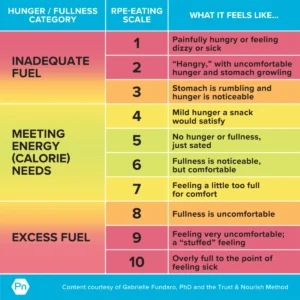
In relation to any health goal, essential practices typically include movement, nutrition, and recovery. To prioritize effectively, one can leverage a structured approach. Start by identifying the broad domain of improvement (e.g., "Nutrition," "Stress Management"). Then, specify a skill within that domain (e.g., "Eat well intuitively") and a practice that resonates (e.g., "Eat to satisfied"). Finally, select a small, daily action that supports this practice (e.g., "Record hunger and fullness levels at the start and end of meals"). This hierarchical breakdown ensures that efforts are directed towards high-leverage actions that align with broader goals.
Step #3: Implement the "Dial" Approach for Flexibility
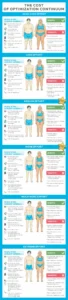
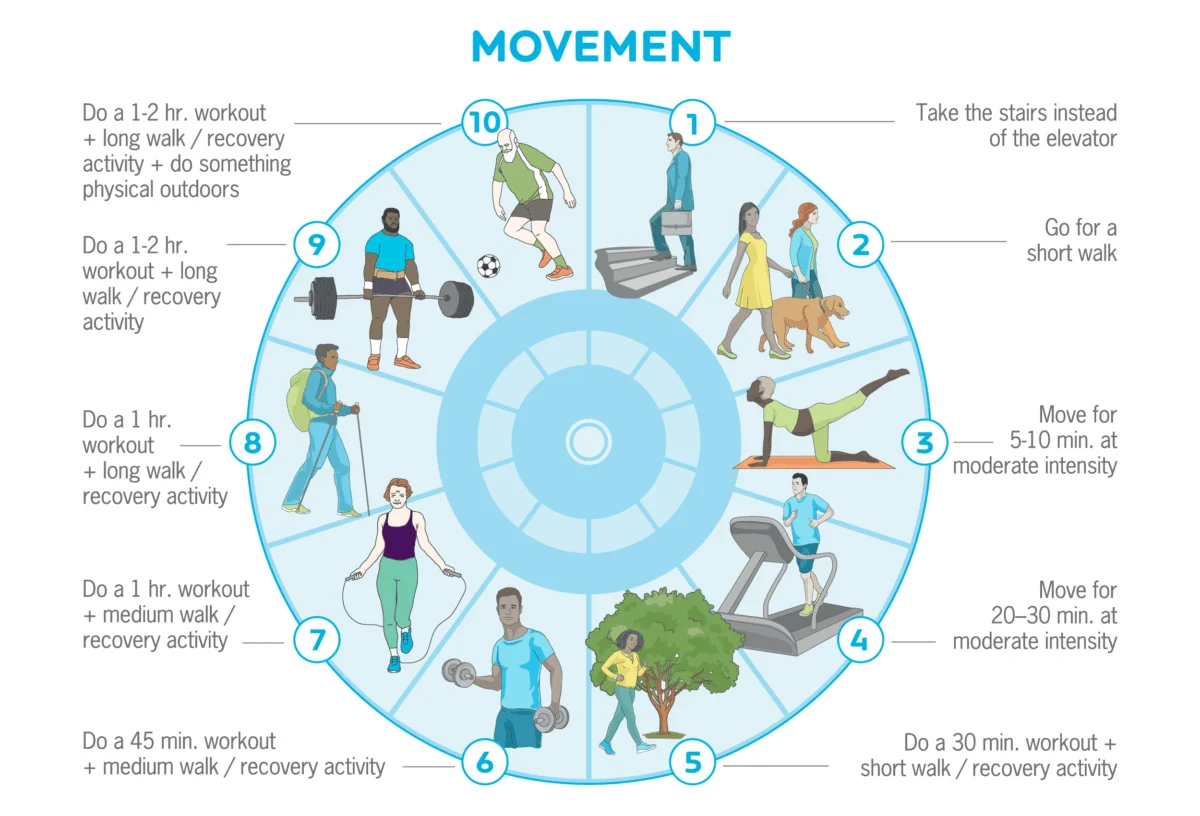
A critical shift in mindset involves moving away from an "on-or-off" approach to health habits and embracing a "dial" mentality. This involves defining a "floor" and a "ceiling" for each desired behavior. The "floor" represents the absolute minimum action one can realistically commit to, even on their worst day. This might be five minutes of walking, ten push-ups, one extra serving of vegetables, or three conscious deep breaths before a meal. The key is that it must be something. The "ceiling" represents the maximum, ideal effort (e.g., an hour of intense gym work, two hours of meal prep, a 45-minute meditation).
This framework creates a flexible range of actions that can adapt to the unpredictable fluctuations of real life. When life is smooth, the "dial" can be turned up to maximal effort. When circumstances become challenging, the dial can be turned down to the "floor" level, ensuring that the habit is maintained, albeit at a reduced intensity. The crucial insight here is that doing the bare minimum is not failure; it is success within the context of a messy, beautiful life. Every action, no matter how small, "counts" and contributes to long-term consistency. This approach safeguards against the "all-or-nothing" trap that often leads to complete abandonment of habits during difficult periods.
Step #4: Create a Supportive Ecosystem
The effectiveness of good intentions and willpower is often overestimated. Sustainable behavior change is heavily influenced by the surrounding environment. Health and fitness professionals often benefit from ecosystems that naturally support their habits (e.g., working in a gym, being surrounded by active peers). The goal, then, is to proactively engineer an environment that makes desired behaviors easier and undesired behaviors harder.
Research in behavioral science highlights the profound impact of environmental cues and access on behavior. For example, studies show that individuals living in neighborhoods with easily accessible, affordable grocers tend to eat healthier, while proximity to gyms correlates with increased physical activity. While changing one’s neighborhood may not always be feasible, individuals possess significant control over their immediate environments. Examples include a "kitchen makeover" where healthy foods are prepped and prominently displayed, while less healthy options are removed or made difficult to access. Other strategies include laying out workout clothes the night before, setting alarms for bedtime, creating a dedicated space for healthy meal preparation, or scheduling workouts with a friend for accountability. By consciously designing an "ecosystem" that nudges towards desired actions, individuals can significantly increase the likelihood of success with less reliance on sheer willpower, leading to greater long-term payoffs.
Embracing "C+" Effort: The Path to Lasting Health
For many, particularly perfectionists or high achievers, the concept of "C+" effort might sound counterintuitive or even disappointing. However, the overarching theme of these barriers and solutions is the recognition and acceptance of inherent human imperfection. None of us are perfect, and striving for an unattainable ideal invariably leads to frustration, burnout, and ultimately, failure.
Adopting an attitude of self-compassion and acceptance towards one’s human vulnerabilities, rather than constantly battling against them with sheer willpower, is a cornerstone of sustainable health. There will undoubtedly be periods of "A" grade performance in one’s health journey, and these should be celebrated. However, the critical shift is to not view periods of reduced effort—the "C+" days or seasons—as failures. Instead, they are simply adaptations to the fluctuating demands of life.
Living a healthy and meaningful life is a continuous journey of striving for one’s best while simultaneously allowing for flexibility, mistakes, and challenging periods. The surprising truth is that "good enough" consistently applied over time yields far superior results than intermittent bursts of perfection followed by prolonged periods of inaction. It is in this sustained, imperfect effort that true and lasting health is forged.
References
[Click here to view the information sources referenced in this article.] (Please note: The original article includes a placeholder for references. For a truly journalistic piece, specific academic or institutional sources would be cited here, e.g., WHO guidelines, CDC statistics, specific psychological studies on cognitive biases, etc.)
If you’re a coach, or you want to be…
You can help people build sustainable nutrition and lifestyle habits that will significantly improve their physical and mental health—while you make a great living doing what you love. We’ll show you how. If you’d like to learn more, consider the PN Level 1 Nutrition Coaching Certification. (You can enroll now at a big discount.)