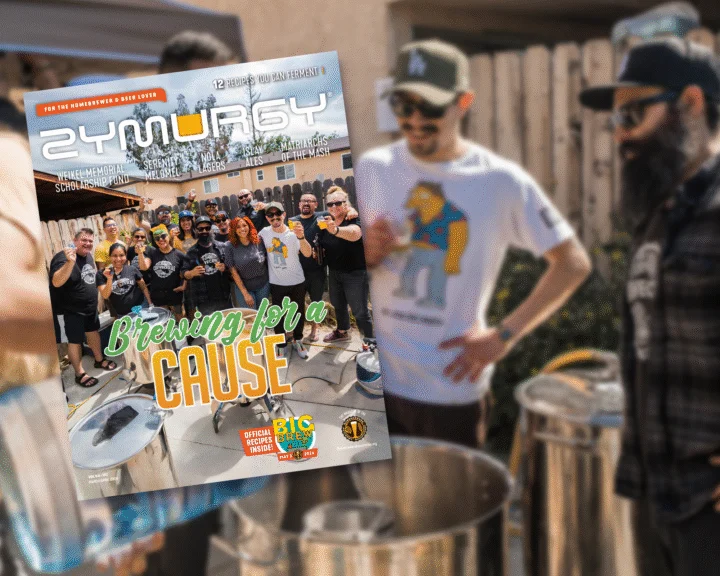

The American Homebrewers Association (AHA) has officially released the March/April 2026 issue of Zymurgy, its flagship publication, centering on a theme titled "The Pivot." This edition serves as a comprehensive examination of how the homebrewing community and the broader craft beer industry are adapting to a rapidly shifting landscape defined by volatile climate patterns, fluctuating economic pressures, and a fundamental transformation in global beer consumption habits. As the hobby enters a new era of sophistication, the latest issue provides members with 12 new recipes and a series of deep-dive features that span from the historical erasure of women in brewing to the emergence of lager-centric cultures in unexpected geographical hubs.
The "Pivot" theme reflects a broader industry sentiment observed over the last several years. According to industry data, the craft beer sector has faced headwinds including rising raw material costs—specifically for malt and hops—and a consumer shift toward lower-alcohol and "crisp" profiles. Zymurgy’s editorial direction under Editor-in-Chief Dave Carpenter suggests that the modern brewer is no longer just a hobbyist but a resilient technician capable of navigating these external challenges through innovation and community support.

The Stoney Creek Homebrewers and the Weikel Memorial Scholarship
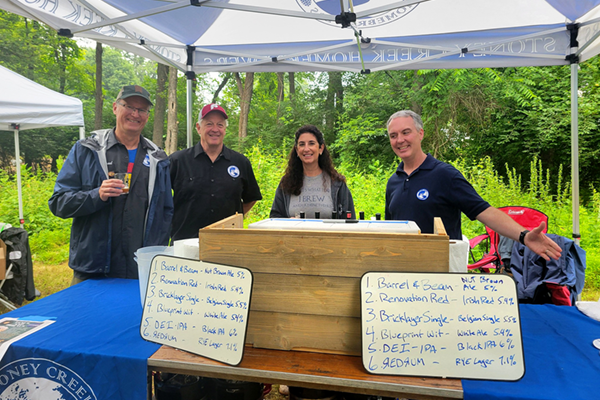
The cover story for the March/April 2026 issue, authored by noted brewing expert Josh Weikert, highlights the Stoney Creek Homebrewers of Philadelphia. Founded in 2007, the club was established with a dual mission: to serve as a pedagogical center for fermentation science and to function as a philanthropic vehicle for the local community. The feature focuses on the Weikel Memorial Scholarship Fund, an initiative born out of tragedy that has since become a cornerstone of the club’s identity.
The scholarship aims to support aspiring brewers and students of fermentation science, ensuring that the financial barriers to entry in the professional brewing world are lowered for dedicated enthusiasts. Weikert’s reporting details how the Philadelphia brewing scene has rallied around this fund, illustrating a timeline of growth from a small local gathering to a robust organization that influences the regional craft beer ecosystem. The Stoney Creek model is presented as a blueprint for other homebrew clubs seeking to move beyond social gatherings and into the realm of structured community impact and educational advocacy.
Restoring the Legacy of the Brewster
A significant portion of the current issue is dedicated to "The Matriarchs of Malt," a feature that addresses the historical marginalization of women in the brewing arts. While modern brewing history has often been framed through a male-centric lens, historical records indicate that for millennia, brewing was primarily a domestic task managed by women, known as "brewsters."
The article traces the lineage of female brewers from ancient Sumerian goddesses of beer, such as Ninkasi, through the medieval European alewives who dominated the trade before the industrialization and professionalization of the craft led to their systematic exclusion. The narrative expands into a global portrait, highlighting contemporary women who are reclaiming this heritage in diverse regions. By analyzing the "erasure" of women from the brewing narrative, Zymurgy provides a critical look at how gender roles were socially engineered to favor commercial interests over domestic tradition. This historical reclamation is framed not just as a tribute, but as a necessary correction to the archival record of fermentation.
The New Orleans Lager Revolution
The March/April issue also provides a regional analysis of New Orleans, Louisiana—a city historically synonymous with spirits and "Stalwart" brands like Abita, but which was long considered a "lager desert." Over the past five years, however, the city has undergone a dramatic transformation. The report identifies a growing appreciation for bottom-fermented beers, noting that local palates have evolved to demand high-quality, sessionable lagers that suit the humid, subtropical climate of the Gulf Coast.
Data suggests that the rise of lager-focused taprooms in New Orleans reflects a national trend where "crispness" and technical execution are increasingly valued over the high-IBU (International Bitterness Units) trends of the previous decade. The feature explores how local breweries have navigated the technical challenges of lager production—such as longer fermentation times and stricter temperature controls—to meet this new consumer demand. This shift is presented as a localized example of "The Pivot," where brewers are aligning their production schedules with both environmental realities and changing consumer preferences.

Indigenous Fermentation and Climate Adaptation
In one of the issue’s more technical features, Art Fitzsimmons explores the fermentation spirits of indigenous peoples living in the most inhospitable climates of North America. Focusing on regions characterized by extreme heat and water scarcity, Fitzsimmons investigates how these communities have fermented native fruits and botanical sources for centuries.
The article serves as a case study in climate resilience. As global temperatures rise, the methods used by indigenous fermenters—such as utilizing drought-resistant plants and wild yeast strains adapted to high heat—provide vital data for modern homebrewers. This "fermenting spirit" is analyzed as a form of biological and cultural adaptation, offering lessons in sustainability that are increasingly relevant to the 21st-century brewer. The feature suggests that the future of brewing may lie in looking backward at these ancient, heat-tolerant practices.
Islay: Beyond the Peat Smoke
Turning toward international horizons, Donald MacKenzie and Mackay Smith report on the evolving beer scene on the Scottish island of Islay. While Islay is globally renowned for its peated whiskies, the authors highlight the emergence of "Islay Ales." Taking inspiration from the Scottish Craft Brewers homebrew club, this movement represents a diversification of the island’s fermentation identity.

The report details how MacKenzie and Smith have integrated local influences into their brewing process, occasionally drawing from the island’s rich distilling heritage while carving out a distinct space for craft beer. This development indicates a growing synergy between the spirits and beer industries, where shared knowledge of malting and yeast management creates a more robust local economy. The presence of a thriving craft beer scene on an island dominated by world-class distilleries is a testament to the universal appeal of the homebrewing ethos.
Analytical Implications and Future Outlook
The March/April 2026 issue of Zymurgy arrives at a juncture where the American Homebrewers Association is doubling down on the value of membership. With the inclusion of 12 validated recipes, the magazine continues to act as a primary resource for technical development. Editor-in-Chief Dave Carpenter, who has led the publication through several years of industry volatility, emphasizes the "gerunds" of brewing—hiking, traveling, and constant learning—as essential components of the brewer’s lifestyle.
The broader implications of this issue suggest that the "Pivot" is not a temporary reaction to a crisis, but a permanent shift in how the hobby is practiced. Homebrewers are increasingly viewed as the "R&D department" for the commercial craft beer industry. The innovations found in homebrew clubs—such as those in Philadelphia or Scotland—often precede commercial trends by several years.

Furthermore, the focus on diversity and historical accuracy regarding women in brewing indicates that the AHA is seeking to broaden its demographic reach. By acknowledging the "Brewsters" of the past, the organization is positioning itself as an inclusive space for a new generation of fermenters.
Economically, the magazine’s paywall and membership structure reflect the ongoing challenge for niche publications to remain sustainable. By offering "AHA Member-Only Content," the association is leveraging its deep archive of recipes and DIY content to maintain a stable revenue stream, which in turn supports homebrew activism and legislative efforts to protect the rights of hobbyists.
In conclusion, Zymurgy’s latest offering is a multifaceted look at a craft in transition. Whether it is through the lens of social justice in the brewhouse, the technical demands of a warming planet, or the philanthropic efforts of a local club in Philadelphia, the March/April 2026 issue reinforces the idea that homebrewing remains a vital, evolving, and resilient pillar of global fermentation culture. The "Pivot" is well underway, and through these pages, the AHA provides the roadmap for navigating the complexities of the modern brewing world.