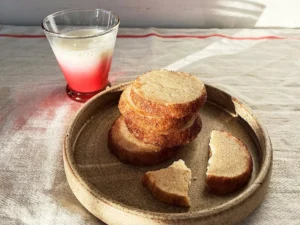

The art of efficient cookie-making, particularly for large gatherings and festive seasons, often hinges on the simplicity and scalability of the slice-and-bake method. This technique offers a streamlined approach, minimizing hands-on time and maximizing yield, making it an ideal choice for bakers aiming for quantity without sacrificing quality. At the forefront of this practical approach are these "Cinnamon Toast" Sourdough Discard Slice-and-Bake Cookies, a recipe designed to deliver comforting, familiar flavors with an ease of preparation that perfectly suits the demands of holiday baking and cookie exchanges.
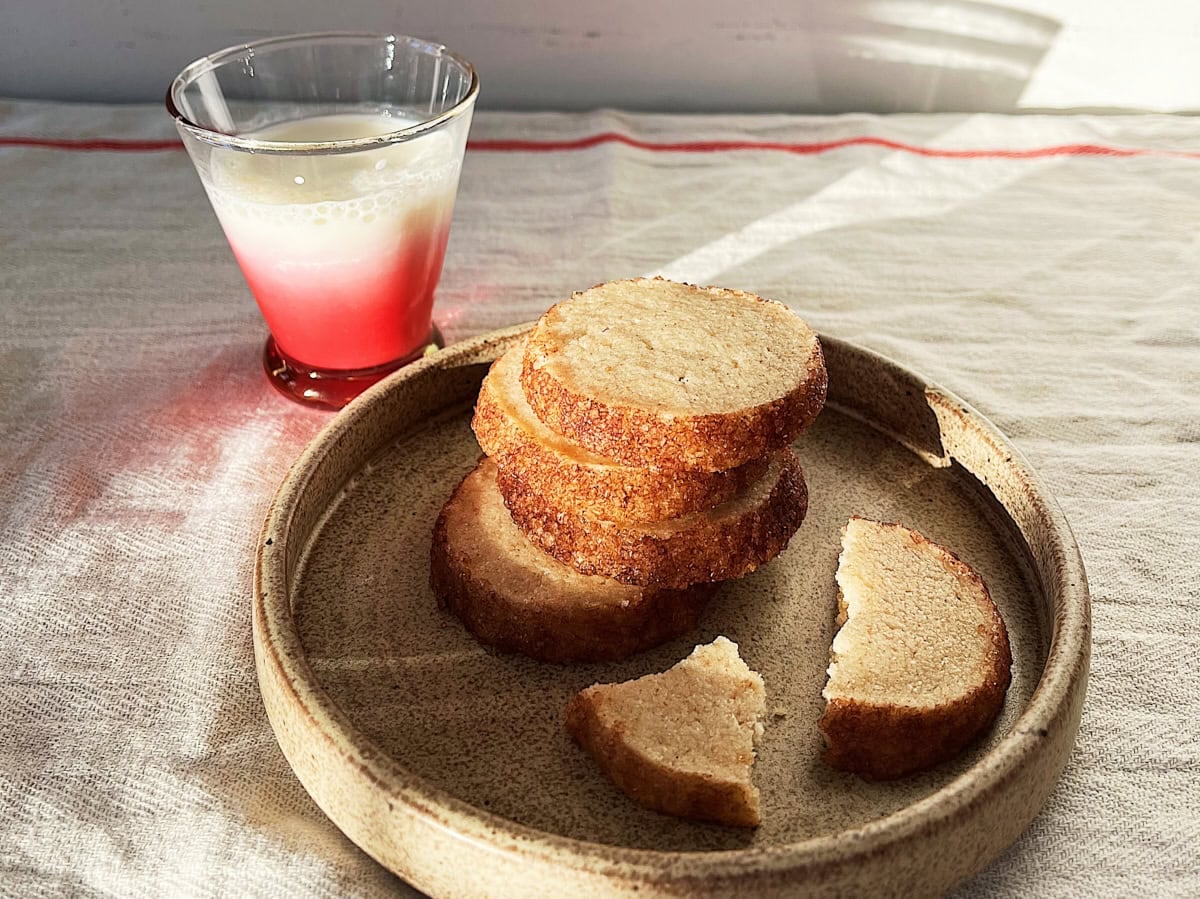
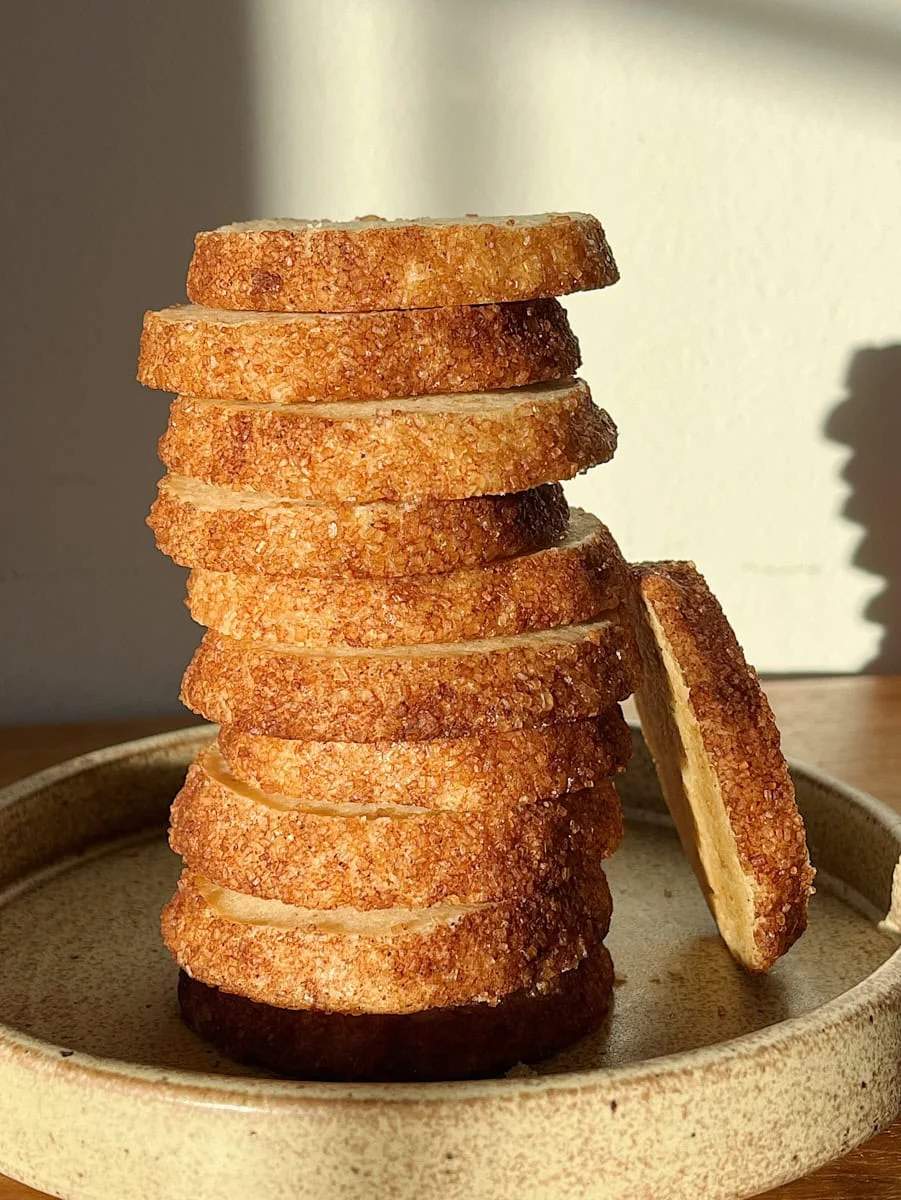
The appeal of slice-and-bake cookies lies in their inherent convenience. The dough, often requiring just a single bowl for mixing, can be prepared in stages, allowing bakers to break down the process into manageable segments. Unlike traditional methods that involve precise scooping or meticulous rolling, slice-and-bake cookies are formed into logs, chilled, and then sliced into uniform rounds, ready for the oven. This method ensures a consistent batch size and shape, contributing to even baking and a visually appealing final product. These particular cookies, infused with the subtle tang of sourdough discard and coated in a warm blend of Demerara sugar and cinnamon, evoke the beloved taste of cinnamon toast, a nostalgic treat for many. While they may not boast the elaborate decorations of some holiday confections, their simple yet profound flavor profile ensures they are a swift and satisfying favorite, quickly disappearing from any cookie platter.
Optimizing the Dough Ratio for Superior Texture
A fundamental aspect of baking, particularly for cookies, is understanding the balance of ingredients, often referred to as the "cookie ratio." A standard ratio for many cookies hovers around one part sugar, two parts butter, and three parts flour by weight. However, this conventional ratio can sometimes result in a texture that is overly stiff or floury, especially in slice-and-bake varieties that may not incorporate leavening agents like eggs for chewiness or aeration.
In the development of these "Cinnamon Toast" cookies, a deviation from the standard ratio was key to achieving a desirable texture. By employing 250 grams (approximately 2 cups) of all-purpose flour, supplemented by an additional 35 grams from sourdough starter discard, the recipe achieves a more balanced proportion. This adjustment leads to a ratio of approximately 1 part sugar (150 grams) to 1.5 parts butter (226 grams) to just under 2 parts flour (285 grams total flour). This refined ratio contributes to a dough that is both tender and slightly yielding, without compromising its ability to hold its shape during slicing and baking. The inclusion of sourdough discard not only adds a subtle complexity to the flavor but also contributes to the dough’s moisture content, a factor that influences both texture and bake time.
The Crucial Role of High-Quality Butter
The simplicity of the ingredient list in these cookies means that the quality of each component plays a significant role in the final flavor profile. In the case of these "Cinnamon Toast" cookies, the butter is a star player. Using high-quality butter, particularly European-style butter known for its higher fat content and richer flavor, can elevate the cookies from good to exceptional. The creamy, slightly nutty notes of premium butter meld beautifully with the other ingredients, creating a more complex and satisfying taste experience. While any good quality unsalted butter will yield delicious results, opting for a superior butter can provide a noticeable enhancement to the overall flavor.
The Subtle Contribution of Sourdough Starter Discard
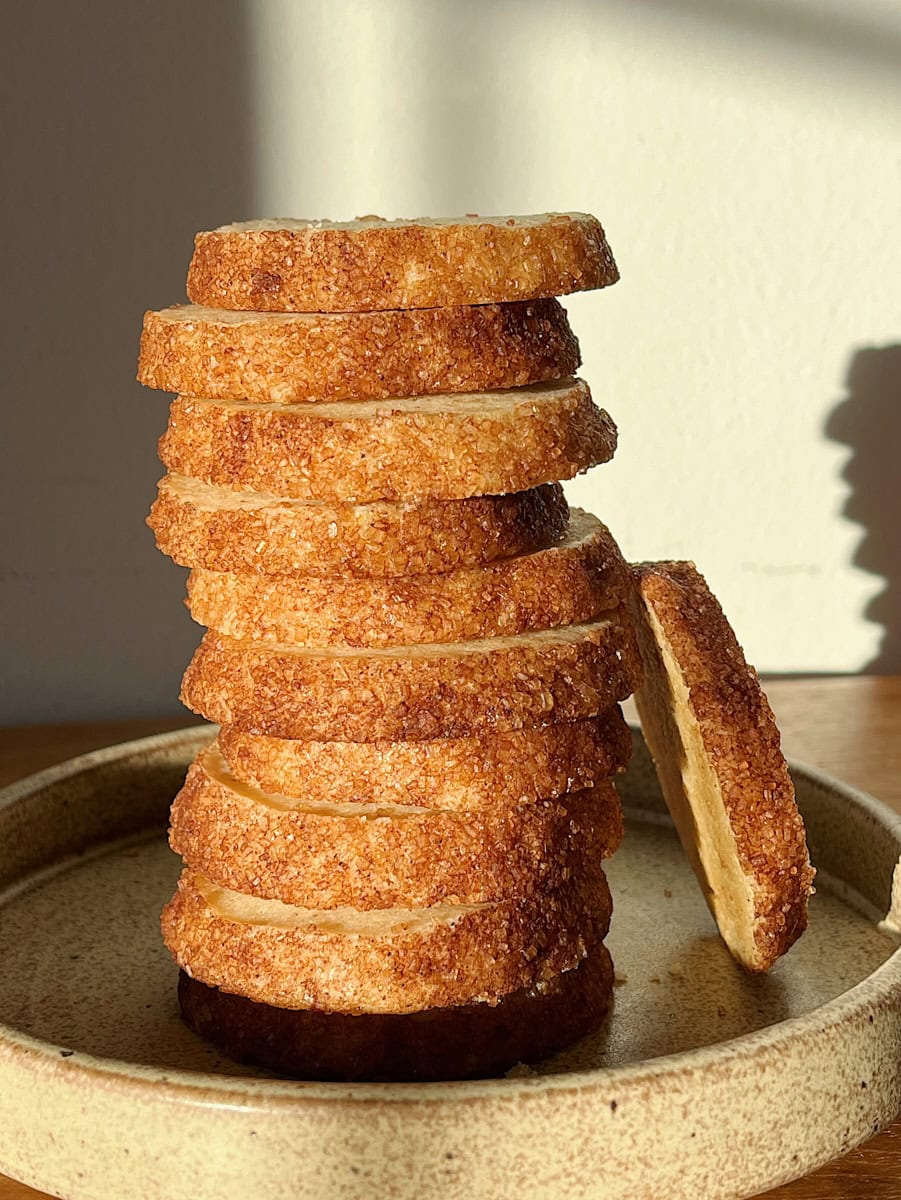
Sourdough starter discard, the portion of sourdough starter that is removed before feeding, is a valuable ingredient in many baked goods, offering a subtle tang and contributing to moisture and texture. In shortbread-style cookies, which typically contain minimal water, the inclusion of sourdough discard adds a nuanced flavor profile without altering the fundamental structure. While methods like browning the butter can be employed to reduce moisture and add depth, the presence of sourdough discard in this recipe provides sufficient hydration and a pleasant, slightly tangy counterpoint to the sweetness of the sugar and the warmth of the cinnamon. This is particularly relevant as the recipe does not rely on eggs for chewiness or aeration, making the sourdough discard a more integral part of the dough’s character.
Enhancing Flavor Through Optional Additions
While the core recipe delivers a classic "cinnamon toast" experience, there is ample room for personalization and flavor exploration. For those seeking to add an extra layer of complexity or a brighter note, incorporating citrus zest, such as lemon, grapefruit, or orange, into the dough can provide a vibrant contrast. Beyond citrus, other extracts like rose water, orange flower water, or almond extract can be used in place of or in addition to vanilla extract, each offering a unique aromatic dimension. For those who enjoy a hint of savory or roasted notes, a teaspoon of toasted sesame oil can introduce a delightful roasty-toasty undertone.
Texture can also be enhanced through additions like chopped chocolate or toasted nuts, providing satisfying crunch and depth. For coffee or tea aficionados, instant coffee or espresso powder, powdered teas like matcha and hojicha, or even finely ground tea leaves such as Earl Grey can be incorporated into the dough to impart distinct flavors. These variations allow bakers to tailor the cookies to their specific preferences or to create a diverse assortment for a cookie exchange.
Streamlining Dough Preparation with Electric Mixers
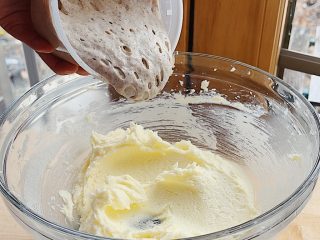
The initial creaming of butter and sugar is a crucial step in developing cookie dough structure and texture. For this recipe, an electric mixer, whether a hand beater or a stand mixer, significantly simplifies and enhances this process. The efficient creaming action ensures that the butter and sugar are thoroughly combined, creating a light and airy base for the dough. While it is certainly possible to achieve this by hand, particularly for those with strong arm strength, an electric mixer offers a considerable advantage in terms of speed and ease, ensuring a consistently well-emulsified dough.
The Importance of Chilling the Dough
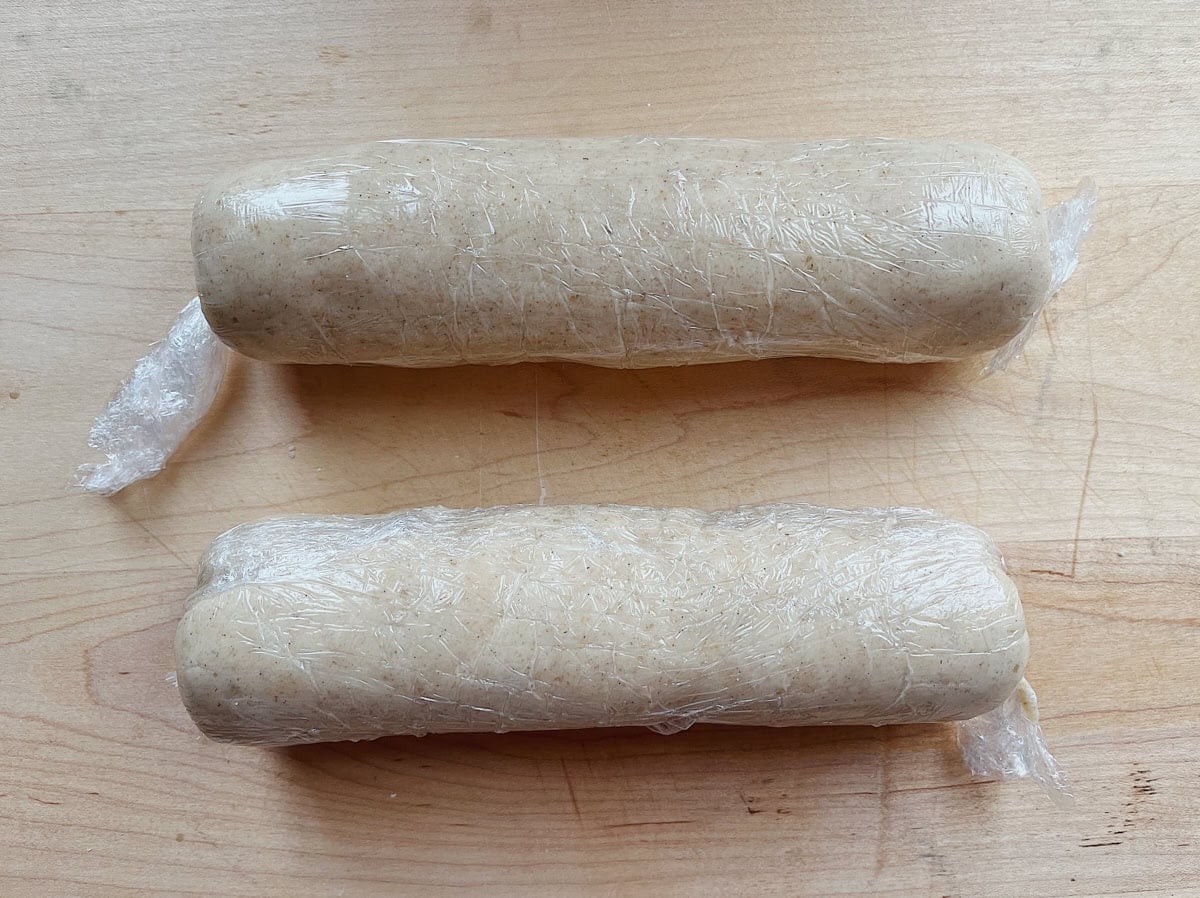
Given the higher butter-to-flour ratio in these cookies, the dough is naturally soft and pliable. This can lead to excessive spreading during baking if the dough is not adequately chilled. To ensure neat, well-formed cookie rounds, a substantial chilling period is essential. Refrigerating the dough for at least two hours allows the butter to resolidify, which in turn helps to control the spread of the cookies in the oven. This chilling step is paramount to achieving the desired shape and preventing the cookies from becoming flat and irregular.
The Finishing Touch: A Cinnamon Sugar Rim
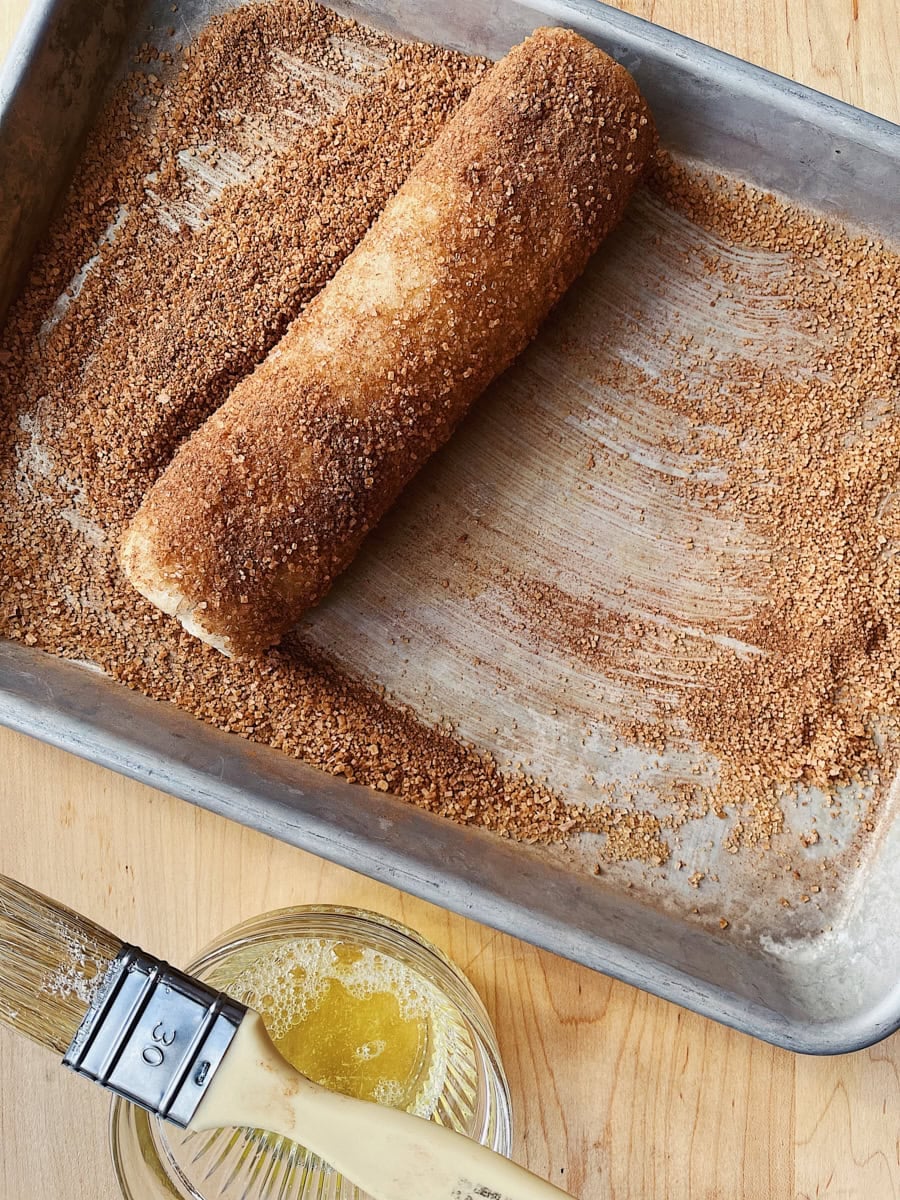
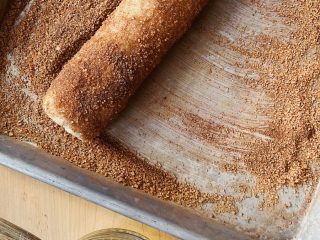
The signature "cinnamon toast" flavor of these cookies is amplified by their delightful coating. A mixture of Demerara sugar and cinnamon, rolled onto the exterior of each cookie, provides both a visual appeal and a burst of flavor with every bite. The coarse texture of Demerara sugar offers a pleasant crunch, while the cinnamon adds its characteristic warmth and spice. For those looking to experiment, alternative spice blends can be explored. Ground cardamom or sumac can offer unique flavor profiles, while toasted white or black sesame seeds can introduce a nutty element to the coating, adding another layer of interest to these versatile cookies.
Mastering the Bake Time for Perfect Results
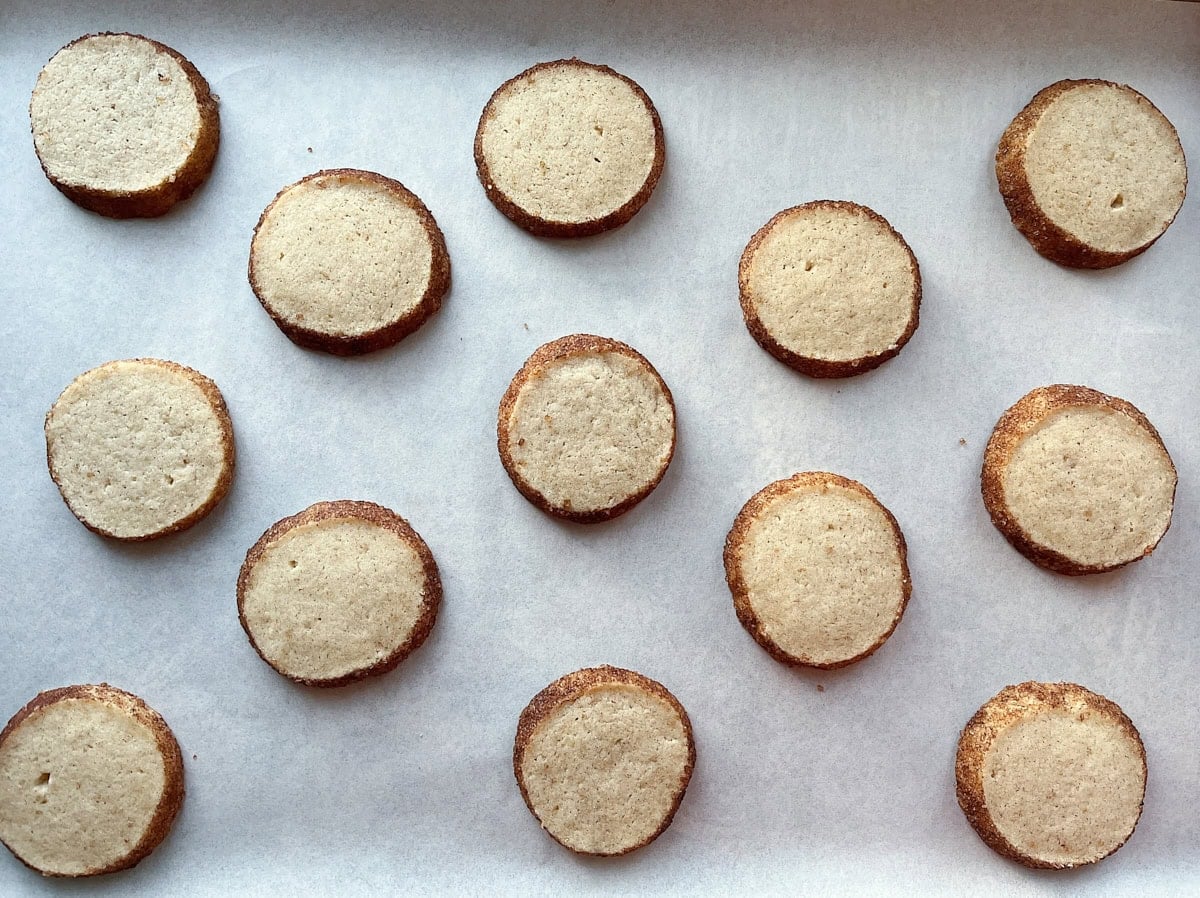
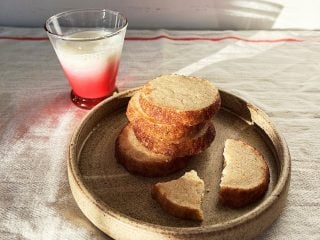
Due to the inherent moisture content from the sourdough starter, these cookies may not exhibit the dramatic browning on top that is typical of some other cookie varieties. This can make it challenging to gauge doneness solely by visual cues on the surface. Therefore, it is crucial to pay attention to the bottoms of the cookies, which should achieve a light golden-brown hue. Unlike a gooey chocolate chip cookie, where slight underbaking might be desirable, an underbaked slice-and-bake cookie can result in a doughy texture that is less appealing. To ensure optimal texture and doneness, baking for a minimum of 14 minutes is recommended, allowing the cookies to set properly without becoming overly crisp.
Frequently Asked Questions and Advanced Customizations
Can I use other flavorings in the dough or sugar coating?
Yes, the versatility of this recipe allows for extensive customization. Beyond citrus zest and various extracts mentioned earlier, incorporating up to 130 grams (about ¾ cup) of chopped chocolate or toasted nuts can add delightful texture and flavor. Instant coffee, matcha, hojicha, or even finely ground Earl Grey tea leaves can be added to the dough for unique flavor profiles. For the sugar coating, ground cardamom or sumac are excellent alternatives to cinnamon, and toasted sesame seeds can offer a nutty crunch.
Can I add other flours to the dough?
Absolutely. Swapping in up to 60 grams (about ½ cup) of heartier flours such as whole wheat, rye, or spelt can introduce different textures and flavors. Earthy buckwheat flour is also a viable option. For an added textural element, incorporating 15 grams (about 2 tablespoons) of medium-grind cornmeal can provide a subtle crunch.
Can I use my favorite beeswax-based reusable wrap for the dough?
It is advisable to avoid using beeswax-based reusable wraps for chilling the dough, as the waxy coating can potentially leach into the dough during extended refrigeration. Parchment paper is a recommended alternative, which can then be used for baking. For those seeking sustainable options, reusable silicone covers or other food-safe wraps can be employed.

Can I freeze the sliced cookies and bake them later?
Yes, this is an excellent make-ahead strategy. After slicing the dough and coating it in the cinnamon sugar mixture, the cookies can be frozen on a parchment-lined baking sheet until firm. They can then be transferred to an airtight container and stored in the freezer for up to three months. Baking from frozen will require an additional 2-4 minutes of oven time.
How do I get perfectly round cookies?
While the dough is shaped into a log, minor imperfections in roundness are natural and add to the homemade charm. However, if perfectly uniform circles are desired, a glass or round biscuit cutter can be used to gently reshape the cookies immediately after they emerge from the oven, while they are still warm and pliable. This quick adjustment can yield consistently round cookies.
Exploring the Wider World of Sourdough Discard Baking
For those who have embraced the art of sourdough baking, the utilization of discard is a cornerstone of reducing waste and exploring creative culinary avenues. This recipe for "Cinnamon Toast" Sourdough Discard Slice-and-Bake Cookies is part of a broader collection of recipes designed to make the most of sourdough starter discard. From brownies and cakes to other cookie varieties, the possibilities for incorporating this flavorful byproduct are vast. Exploring these recipes can unlock a new level of creativity and efficiency in the home kitchen, transforming what might otherwise be discarded into delicious and satisfying treats.
The journey into sourdough baking, and by extension, the creative use of discard, offers a rewarding experience for both novice and seasoned bakers. It encourages a mindful approach to ingredients and a deeper understanding of fermentation processes, ultimately leading to a more flavorful and sustainable baking practice. These "Cinnamon Toast" cookies stand as a testament to the delicious potential that lies within this often-overlooked component of sourdough creation.