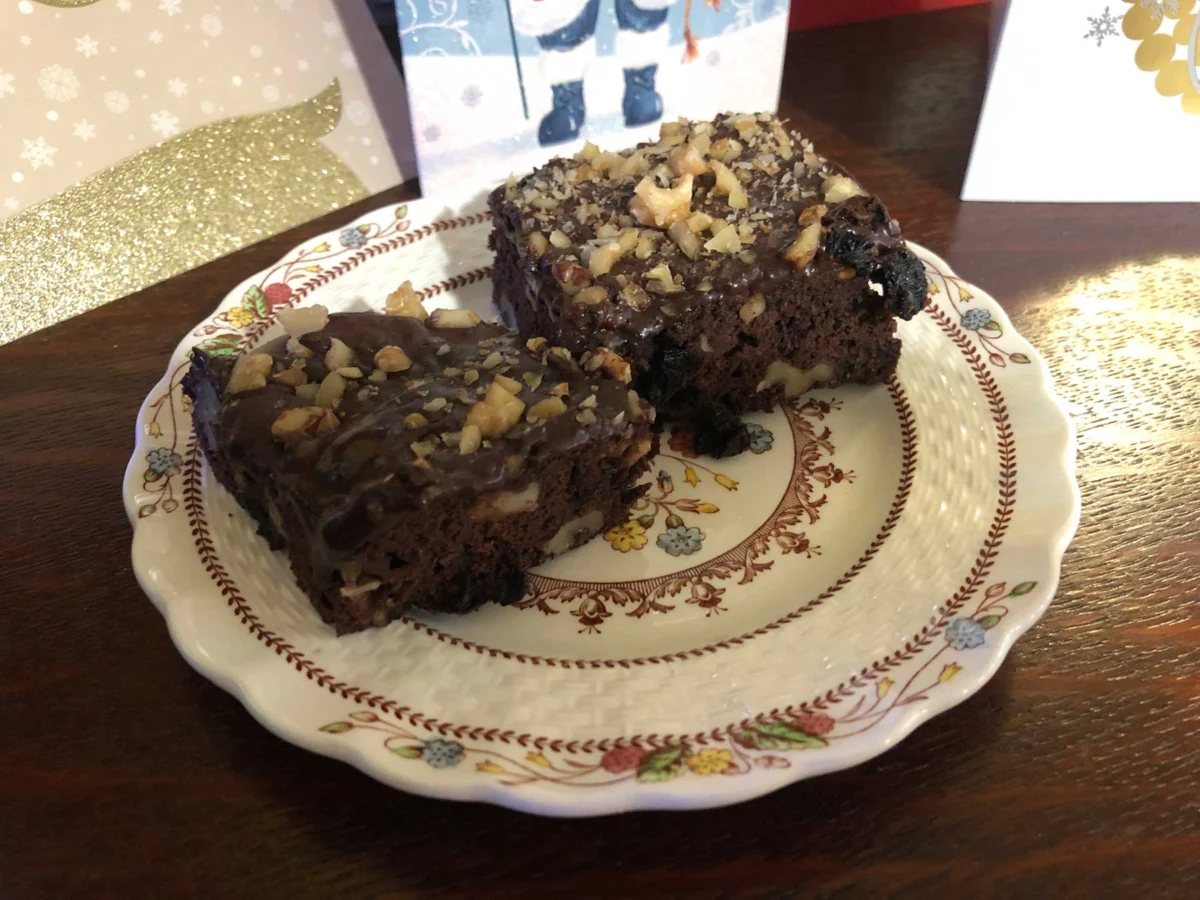

The modern consumer landscape is currently undergoing a significant shift toward self-sufficiency and health-conscious home baking, a trend exemplified by the increasing popularity of "do-it-yourself" (DIY) pantry staples such as homemade brownie mixes. As food prices fluctuate and interest in dietary transparency grows, the ability to produce high-quality baking mixes at home has transitioned from a niche hobby to a practical economic strategy. For a fraction of the cost of commercial pre-packaged alternatives, home cooks are now leveraging bulk ingredients to create versatile, shelf-stable mixes that cater to specific nutritional requirements, including sugar-free and low-fat configurations. The DIY brownie mix, specifically a cake-style variant adapted from nutritional guidelines provided by sources like Healthy Canning and Splenda, serves as a primary case study in how small-scale domestic production can offer significant advantages in both household budgeting and long-term wellness.

The Economic Value Proposition of DIY Dry Mixes
The primary driver behind the resurgence of homemade dry mixes is the "pennies on the dollar" cost-to-yield ratio. Market analysis of the baking aisle reveals that premium brand-name brownie mixes often retail between $3.00 and $5.00 per 18-ounce box. In contrast, the constituent parts of these mixes—primarily flour, cocoa powder, leavening agents, and sweeteners—can be purchased in bulk at a significantly lower price point per unit.
A standard DIY batch yielding approximately one kilogram (8 cups) of mix is sufficient to produce five full pans of brownies. When broken down by ingredient cost, the price of a single pan’s worth of homemade mix often falls below $0.75, representing a savings of over 75% compared to mid-tier commercial products. This economic efficiency is particularly relevant during periods of high inflation, where processed goods tend to see more rapid price escalations than raw agricultural commodities like all-purpose flour. By bypassing the costs associated with commercial packaging, marketing, and distribution, the consumer retains the value within their own pantry.

Nutritional Customization and the Role of Sugar Substitutes
Beyond the financial incentives, the DIY movement allows for granular control over ingredient quality and caloric density. Commercial mixes are frequently criticized for high levels of sodium, preservatives, and refined sugars. The DIY brownie mix model addresses these concerns by allowing for the substitution of traditional granulated sugar with high-intensity sweeteners such as sucralose (Splenda) or powdered stevia.
In the standardized recipe provided by Healthy Canning, the use of sucralose results in a brownie that contains approximately 116 calories and 8 grams of fat per 50-gram serving, assuming the use of low-fat margarine. For individuals following structured weight management programs, such as Weight Watchers, these modifications translate to roughly 2 SmartPoints per brownie square. The flexibility of the DIY format also permits the inclusion of heart-healthy additives, such as walnuts, which, while increasing the calorie count to 131 per serving, add essential omega-3 fatty acids and protein. This level of customization is rarely available in off-the-shelf products, which are designed for a "one size fits all" palate.
The Evolution of the Baking Mix: A Brief Chronology
The history of the baking mix is a reflection of changing social dynamics and industrial progress. Understanding this timeline provides context for the current return to DIY methods.
- Late 19th Century: The precursor to the modern mix emerged with the invention of self-rising flour, which pre-blended flour with leavening agents like baking soda and cream of tartar.
- 1930s (The Great Depression): P.D. Duff and Sons patented the first truly prepared cake mix (gingerbread) as a way to utilize surplus molasses. This marked the beginning of "convenience baking."
- Post-WWII Era (1940s–1950s): Companies like General Mills and Duncan Hines revolutionized the market. During this period, psychologists famously suggested that adding a "fresh egg" to a mix made homemakers feel more involved in the process, leading to the "add-an-egg" era of mix design.
- 1990s–2000s: The focus shifted toward "extreme convenience," with microwaveable mixes and "just add water" formulations that prioritized speed over nutritional quality.
- 2020–Present: The "Back to Basics" movement, spurred by global supply chain disruptions and a heightened focus on health, has led to the current DIY era. Consumers are now looking to replicate the convenience of the 1950s box mix but with the ingredient integrity of the 19th century.
Food Safety and the "Raw Flour" Protocol
A critical, often overlooked aspect of DIY baking mixes is the safety of the raw ingredients. While most consumers are aware of the risks associated with raw eggs (Salmonella), there is a growing body of public health data concerning the risks of raw flour. In recent years, the Centers for Disease Control and Prevention (CDC) and the Food and Drug Administration (FDA) have issued numerous warnings regarding Shiga toxin-producing E. coli and Salmonella linked to raw flour.

Because flour is a raw agricultural product that is not treated to kill germs during the milling process, it must be handled with the same level of caution as raw meat. The DIY brownie mix instructions emphasize that users must wash their hands and all contact surfaces thoroughly after handling the dry mix. This safety protocol is vital for home bakers who may be tempted to taste raw batter. The "kill step" for pathogens occurs only during the baking process, where the internal temperature of the brownies reaches a level sufficient to neutralize microbial threats.
Technical Specifications and Yield Data
For the purpose of pantry management, the DIY brownie mix is designed for high-volume storage. A single production run typically yields:
- Total Weight: 1 kg / 2.2 lbs.
- Total Volume: 8 cups.
- Usage Rate: 1.5 cups of mix per 8×8 inch pan.
- Total Pan Yield: 5 pans of brownies per batch of mix.
- Serving Size: Each pan produces 9 squares, with each square weighing approximately 50 grams (2 oz).
The recipe is optimized for a "cake-style" texture. In the world of brownie science, the ratio of flour to fat determines the final crumb. Fudgy brownies rely on a higher fat-to-flour ratio and often omit leavening agents. Cake-style brownies, like those produced by this DIY mix, utilize a slightly higher proportion of flour and baking powder to create a lighter, more aerated structure that mimics a dense chocolate cake.
Broader Implications for Household Sustainability
The shift toward DIY mixes carries implications that extend beyond the kitchen. From a sustainability perspective, the reduction in single-use packaging is significant. A household that switches to DIY mixes effectively eliminates the cardboard and plastic waste associated with five separate store-bought boxes for every one batch of homemade mix created. Furthermore, the ability to store these mixes in reusable glass jars contributes to a "zero-waste" pantry aesthetic and functional philosophy.

Public health advocates also see the DIY trend as a positive development in the fight against metabolic diseases. By using sucralose or stevia in a home-managed mix, diabetic and pre-diabetic populations can enjoy traditional desserts without the glycemic spikes associated with the high sugar content found in commercial brownie mixes (which can contain upwards of 20 grams of sugar per serving).
Conclusion and Future Outlook
The DIY brownie mix represents a convergence of economic necessity, nutritional awareness, and food safety education. By reclaiming the production of pantry staples, consumers are asserting control over their food supply chains. The transition from purchasing a "product" to maintaining a "process" allows for a more resilient household economy. As more individuals recognize that they can achieve professional-grade results for pennies on the dollar, the market for pre-packaged convenience mixes may face increasing pressure to improve ingredient quality and transparency. In the interim, the DIY approach remains the gold standard for the informed, budget-conscious, and health-oriented home baker. Through the simple act of pre-blending flour, cocoa, and sugar alternatives, the modern kitchen becomes a site of both culinary creativity and practical financial management.