
The Mediterranean diet is far more than a restrictive eating plan; it represents a holistic lifestyle rooted in the traditional culinary practices of countries bordering the Mediterranean Sea. This approach, inspired by the eating patterns observed in Greece, Southern Italy, and Spain during the mid-20th century, emphasizes simplicity, flavor, and nutrient-rich whole foods. Unlike many diets that focus on stringent rules and food deprivation, the Mediterranean way of eating champions a sustainable, enjoyable, and health-supportive journey. It is characterized by an abundance of fresh produce, healthy fats, whole grains, and lean proteins, while judiciously limiting processed foods, added sugars, and excessive red meat. This focus on nourishing, unprocessed ingredients makes it a compelling choice for individuals seeking a balanced and long-term approach to health and wellness.
The historical context of the Mediterranean diet traces back to observations made by researchers in the 1940s and 1950s. Studies revealed that populations in these regions exhibited remarkably lower rates of chronic diseases, particularly cardiovascular ailments, compared to their Western counterparts. This led to an in-depth examination of their dietary habits, which consistently featured a high intake of plant-based foods, olive oil as the primary source of fat, moderate consumption of fish and poultry, and limited intake of dairy and red meat. This dietary pattern was not merely about sustenance; it was intertwined with a lifestyle that valued fresh, seasonal ingredients, home-cooked meals, and the social ritual of sharing food. This cultural integration has contributed to its enduring appeal and proven efficacy over decades.
At its core, the Mediterranean diet is celebrated for its multifaceted health benefits, underpinned by scientific evidence and consistent observational data. Its emphasis on whole, unprocessed foods naturally leads to a higher intake of essential vitamins, minerals, and fiber, while minimizing exposure to detrimental components often found in processed items. This dietary framework is not about achieving perfection but about cultivating a sustainable relationship with food, fostering a sense of well-being that extends beyond mere physical health to encompass mental and social aspects of life.
Pillars of the Mediterranean Diet
The foundational elements of the Mediterranean diet can be broadly categorized, highlighting its plant-forward and nutrient-dense composition:
- Abundant Fruits and Vegetables: These form the cornerstone of the diet, providing essential vitamins, minerals, antioxidants, and dietary fiber. Their vibrant colors and diverse textures contribute to satisfying and visually appealing meals.
- Whole Grains: Opting for whole grains such as oats, barley, quinoa, brown rice, and whole wheat bread ensures a steady release of energy and a significant fiber intake, crucial for digestive health and satiety.
- Legumes: Beans, lentils, and peas are excellent sources of plant-based protein and fiber, making them a vital component for balanced meals.
- Nuts and Seeds: Rich in healthy fats, protein, and fiber, nuts and seeds offer a nutrient-dense addition to snacks and meals, contributing to heart health and satiety.
- Olive Oil as the Primary Fat Source: Extra virgin olive oil, in particular, is a hallmark of the Mediterranean diet. It is rich in monounsaturated fats and antioxidants, known for their anti-inflammatory properties and cardiovascular benefits.
- Fish and Seafood: Consumed regularly, typically two to three times per week, fish and seafood provide lean protein and omega-3 fatty acids, which are vital for brain and heart health.
- Moderate Dairy and Poultry: Dairy products, primarily yogurt and cheese, are consumed in moderation. Similarly, poultry is a source of lean protein, also consumed in moderate quantities.
- Limited Red Meat: Red meat is typically reserved for occasional consumption, with a preference for leaner cuts when it is included.
- Herbs and Spices: These are used generously to flavor dishes, reducing the reliance on salt and unhealthy fats. They also contribute various micronutrients and antioxidants.
This dietary pattern naturally steers individuals away from heavily processed foods, refined grains, and excessive added sugars, which are increasingly linked to adverse health outcomes. The focus is on the quality and integrity of ingredients, fostering a more mindful and enjoyable eating experience.
Significant Health Advantages of the Mediterranean Diet
The enduring popularity and widespread recommendation of the Mediterranean diet are a testament to its substantial and well-documented health benefits. Decades of research have illuminated its positive impact across various physiological systems.
1. Robust Cardiovascular Support
One of the most extensively studied and recognized benefits of the Mediterranean diet is its profound impact on cardiovascular health. The emphasis on monounsaturated fats from olive oil, coupled with the intake of omega-3 fatty acids from fatty fish, plays a critical role in improving cholesterol profiles. Studies, such as those contributing to the PREDIMED (Prevención con Dieta Mediterránea) trial, have demonstrated a significant reduction in the incidence of major cardiovascular events, including heart attacks and strokes, among participants adhering to a Mediterranean-style diet supplemented with extra virgin olive oil or nuts. The diet’s ability to lower LDL ("bad") cholesterol and raise HDL ("good") cholesterol, alongside its anti-inflammatory properties, makes it a cornerstone for heart disease prevention and management.
2. Promotion of Whole, Unprocessed Foods
The Mediterranean diet’s inherent encouragement of whole, unprocessed foods is a fundamental driver of its healthfulness. By prioritizing ingredients in their natural state—fruits, vegetables, whole grains, legumes, nuts, and seeds—individuals naturally increase their intake of vital nutrients and fiber. This stands in stark contrast to diets heavily reliant on highly processed foods, which often contain excessive sodium, added sugars, unhealthy fats, and artificial additives. The shift towards whole foods supports better digestion, provides sustained energy, and reduces the body’s exposure to potentially harmful compounds, contributing to overall well-being.
3. Balanced Blood Sugar Regulation
The fiber-rich nature of the Mediterranean diet, derived from its abundant plant-based components, plays a crucial role in blood sugar management. Fiber slows down the absorption of glucose into the bloodstream, preventing sharp spikes and subsequent crashes. This can be particularly beneficial for individuals managing type 2 diabetes or seeking to prevent its onset. The inclusion of healthy fats and lean proteins alongside complex carbohydrates further contributes to meal satiety and helps maintain more stable blood glucose levels throughout the day.
4. Sustainable Weight Management
Contrary to the perception of restrictive dieting, the Mediterranean diet can effectively support weight management. Its focus on nutrient-dense, satisfying foods—rich in fiber, healthy fats, and lean protein—promotes a prolonged sense of fullness, which can curb cravings and reduce the likelihood of overeating or frequent snacking on less healthy options. Rather than promoting rapid weight loss through deprivation, it encourages sustainable eating habits that foster a healthy body weight over the long term. This makes it an appealing option for those seeking a balanced and non-punitive approach to weight control.
5. Enhanced Cognitive Function and Brain Health
Emerging research suggests that the Mediterranean diet may play a significant role in supporting cognitive health and protecting against age-related cognitive decline. The abundance of omega-3 fatty acids, antioxidants, and anti-inflammatory compounds found in olive oil, fish, fruits, and vegetables is believed to contribute to improved brain function. Studies have indicated potential links between adherence to a Mediterranean eating pattern and better memory, executive function, and a reduced risk of neurodegenerative diseases like Alzheimer’s.

6. Support for Bone Health
While not always highlighted, the Mediterranean diet can contribute to maintaining bone health. Olive oil, a central component, contains polyphenols that may play a role in supporting bone density. Furthermore, the diet’s emphasis on a wide array of nutrient-rich foods, including leafy greens rich in calcium and vitamin K, and fish providing vitamin D, collectively supports skeletal strength and resilience over time.
Potential Considerations and Risks
While the Mediterranean diet is widely regarded as safe and beneficial, a nuanced understanding of its implementation is important.
The primary consideration lies in the preparation and quality of ingredients. Simply adhering to the broad categories of Mediterranean foods does not automatically guarantee a healthy meal. For instance, an excessive use of oil, oversized portions, or the inclusion of heavily processed ingredients disguised within a Mediterranean framework can detract from its health benefits. Vigilance regarding portion control and the selection of high-quality, minimally processed ingredients remains paramount.
Accessibility can also be a factor for some individuals. The cost and availability of fresh fish, premium olive oil, or specific produce may present challenges. However, the core principles of the Mediterranean diet can be adapted using more accessible and budget-friendly ingredients. Focusing on seasonal produce, dried legumes, and incorporating a variety of plant-based proteins can make this lifestyle achievable for a broader demographic. The emphasis should be on adopting the spirit and core principles rather than adhering to an unattainable ideal.
Key Food Recommendations for a Mediterranean Lifestyle
To embrace the Mediterranean diet effectively, focusing on specific food groups can guide dietary choices.
Abundant Vegetables
Vegetables are indispensable, providing a wealth of fiber, vitamins, minerals, and antioxidants. They add volume and nutritional density to meals.

- Leafy Greens: Spinach, kale, arugula, Swiss chard
- Cruciferous Vegetables: Broccoli, cauliflower, Brussels sprouts
- Root Vegetables: Carrots, sweet potatoes, beets
- Other Favorites: Tomatoes, bell peppers, cucumbers, zucchini, eggplant, onions, garlic
Vibrant Fruits
Fresh fruits serve as natural sweeteners and sources of vitamins, fiber, and antioxidants, suitable for snacking or incorporating into meals.
- Berries: Strawberries, blueberries, raspberries
- Citrus Fruits: Oranges, grapefruits, lemons
- Stone Fruits: Peaches, plums, apricots
- Others: Apples, pears, grapes, melons
Nutrient-Dense Whole Grains
Whole grains offer sustained energy release and essential dietary fiber, contributing to satiety and digestive health.
- Oats: Rolled oats, steel-cut oats
- Barley: Pearled or hulled barley
- Quinoa: A complete protein source
- Brown Rice: A staple alternative to white rice
- Whole Wheat: Whole wheat bread, pasta, and couscous
Wholesome Nuts and Seeds
These are powerhouses of healthy fats, protein, and fiber, ideal for snacks or adding texture and richness to dishes.
- Nuts: Almonds, walnuts, pistachios, cashews
- Seeds: Chia seeds, flaxseeds, sunflower seeds, pumpkin seeds
Essential Healthy Fats
Healthy fats are foundational, providing essential nutrients and contributing to satiety and overall health.
- Extra Virgin Olive Oil: The primary source for cooking and dressings
- Avocado: Rich in monounsaturated fats and fiber
- Fatty Fish: Salmon, mackerel, sardines (rich in omega-3s)
- Nuts and Seeds: As mentioned above
Flavorful Herbs and Spices
These are crucial for enhancing taste without relying on excessive salt or unhealthy sauces, and they contribute micronutrients.
- Fresh Herbs: Basil, oregano, mint, parsley, rosemary, thyme, dill
- Spices: Cumin, coriander, paprika, turmeric, black pepper, garlic powder, onion powder
Lean Fish and Seafood
Incorporated regularly, fish and seafood provide high-quality protein and beneficial omega-3 fatty acids.

- Fatty Fish: Salmon, mackerel, herring, sardines
- Leaner Fish: Cod, tuna, sea bass, tilapia
Foods to Approach with Moderation
While not strictly forbidden, certain food categories are advised to be consumed in limited quantities within the Mediterranean framework.
Added Sugars
Excessive intake of added sugars can undermine health goals, impacting energy levels and appetite regulation.
- Sweets and Pastries: Cakes, cookies, donuts, candies
- Sugary Beverages: Soda, sweetened teas, fruit juices with added sugar
- Sweetened Yogurts and Cereals: Many processed breakfast items
Refined Grains
These grains are stripped of their bran and germ, resulting in lower fiber and nutrient content compared to whole grains.
- White Bread: Standard white bread and rolls
- White Pasta: Refined grain pasta
- White Rice: Polished white rice
- Most Breakfast Cereals: Highly processed, refined grain cereals
Highly Processed Foods
These often contain a long list of unpronounceable ingredients and are typically low in nutrients.
- Packaged Snacks: Chips, crackers, processed cookies
- Fast Food: Most fast-food items
- Pre-packaged Meals: Many frozen or shelf-stable convenience meals
- Processed Meats: As detailed below
Saturated and Refined Fats
These fats are generally limited in favor of monounsaturated and polyunsaturated fats.
- Butter: Used sparingly
- Lard: Traditional animal fat
- Shortening: Partially hydrogenated oils
- Many Vegetable Oils: Soybean oil, corn oil, sunflower oil (often used in processed foods)
Processed Meats
These often contain preservatives, high levels of sodium, and other additives.

- Sausages: Many commercially produced sausages
- Bacon: Cured pork belly
- Deli Meats: Ham, turkey slices, salami
- Hot Dogs: Processed meat cylinders
Excessive Dairy and Sugary Dairy Desserts
While some dairy is part of the diet, highly sweetened versions are discouraged.
- Full-Fat Cheeses: In large quantities
- Sweetened Yogurts: Yogurts with added sugar or fruit fillings
- Ice Cream: High in sugar and saturated fat
- Cream-Based Desserts: Puddings, custards made with cream
Integrating Mediterranean Meals into Your Routine
Transitioning to a Mediterranean lifestyle can be made more accessible through thoughtful meal planning and preparation.
Mediterranean Breakfast Ideas
- Greek yogurt with berries, a drizzle of honey, and a sprinkle of nuts.
- Oatmeal made with water or milk, topped with sliced fruit and a tablespoon of chia seeds.
- Whole-wheat toast with mashed avocado and a sprinkle of red pepper flakes.
- Scrambled eggs with sautéed spinach and feta cheese.
Mediterranean Lunch and Dinner Recipes
- Grilled Halloumi & Summer Squash Kabobs: A vibrant and flavorful option featuring grilled vegetables and cheese.
- Easy Falafel Meal Prep: A plant-based staple rich in protein and fiber, perfect for lunches.
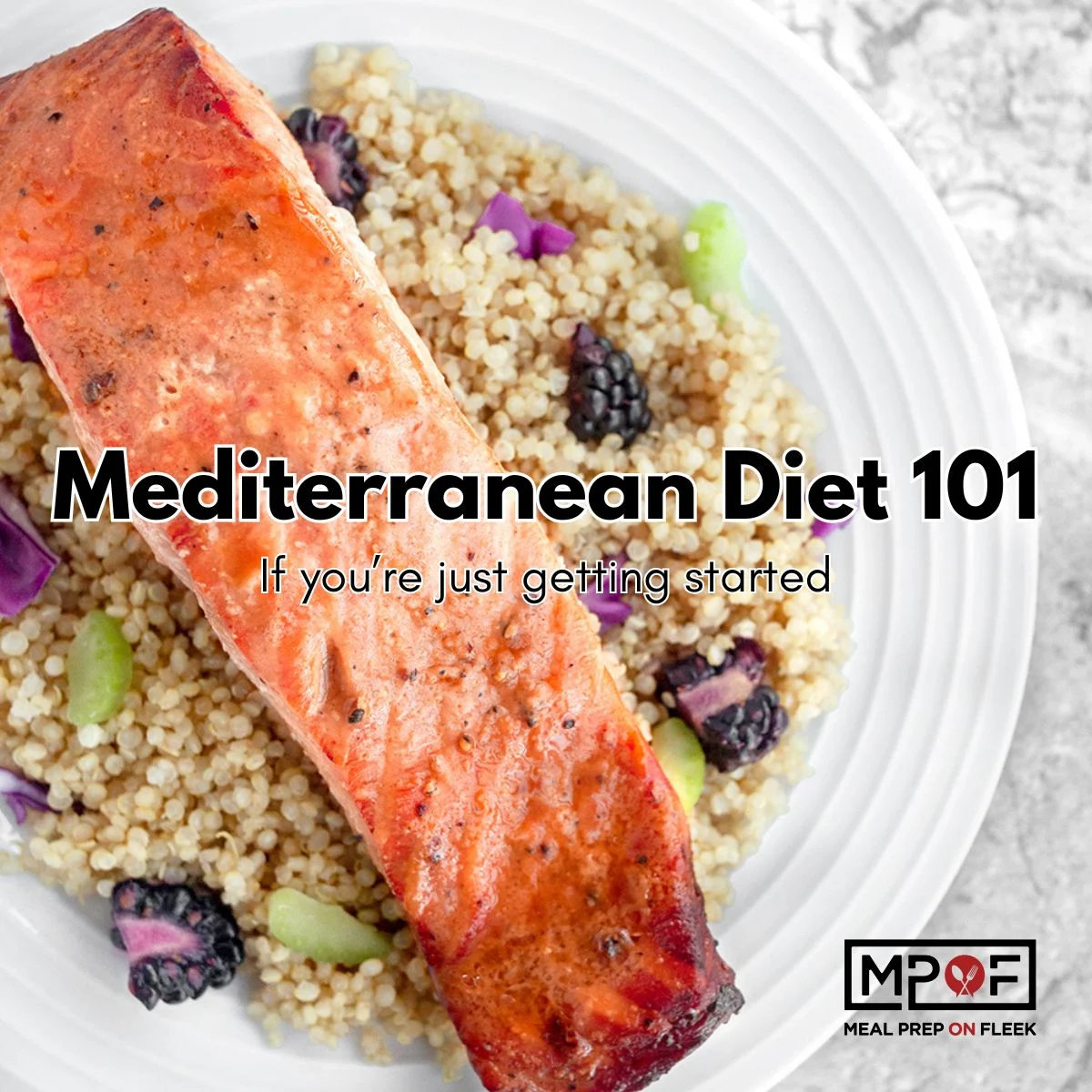
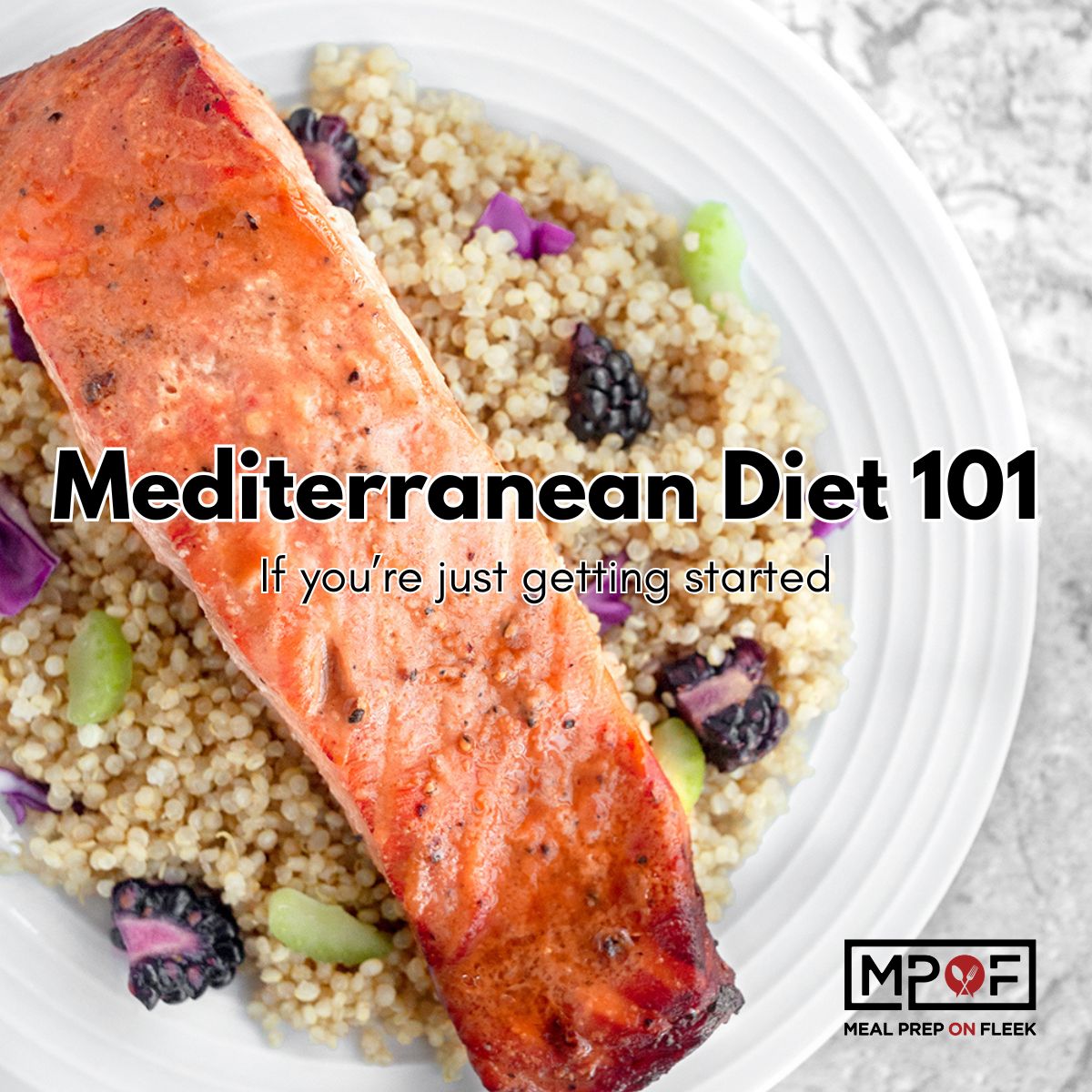
- Fruity Quinoa Grilled Salmon: A balanced meal combining lean protein with the wholesomeness of quinoa and fruit.
- Eggplant Meatballs with Zucchini Noodles: A creative and healthy take on a classic dish, ideal for a lighter dinner.
- Lentil soup with a side of whole-grain bread.
- Large salads packed with mixed greens, various vegetables, chickpeas, and a lemon-olive oil dressing, perhaps topped with grilled chicken or fish.
- Baked fish with roasted vegetables such as bell peppers, zucchini, and cherry tomatoes.
- Whole-wheat pasta dishes with abundant vegetable-based sauces and lean protein.
Concluding Thoughts on a Timeless Lifestyle
The Mediterranean diet offers a compelling and sustainable framework for improving health and well-being. Its strength lies in its flexibility, focus on enjoyment, and emphasis on real, nourishing foods. It is not a temporary fix but a long-term lifestyle shift that encourages a balanced relationship with food, promoting physical health and a greater sense of overall vitality. By embracing its principles, individuals can embark on a journey towards a healthier, more flavorful, and deeply satisfying way of eating.