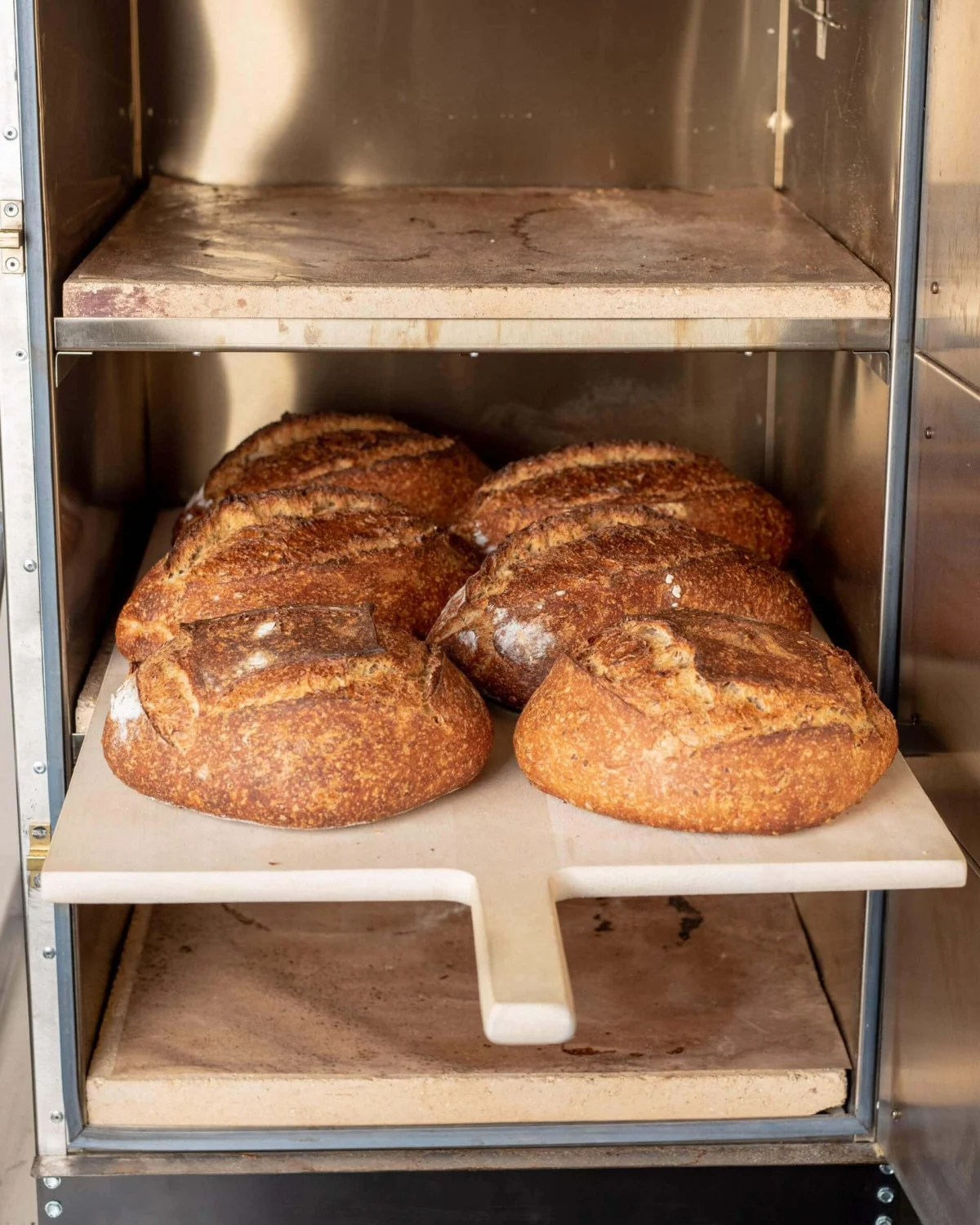

The journey of a dedicated home baker often follows a predictable, yet exciting, trajectory. It begins with the nascent desire for more, a yearning that escalates from wishing for a slightly larger oven to actively seeking specialized equipment. This shift, as experienced by many passionate bakers, marks a significant evolution in their craft, moving beyond hobbyist limitations to embrace the potential for greater production and refined techniques. For some, this evolution culminates in the acquisition of professional-grade tools, transforming a personal passion into a scalable operation, or at least significantly enhancing the efficiency and output of their home kitchen. The Rofco bread oven represents a pivotal step in this progression, offering home bakers the capability to produce larger quantities of bread with remarkable consistency and quality.
The Ascent to Higher Production: Understanding the Rofco Oven
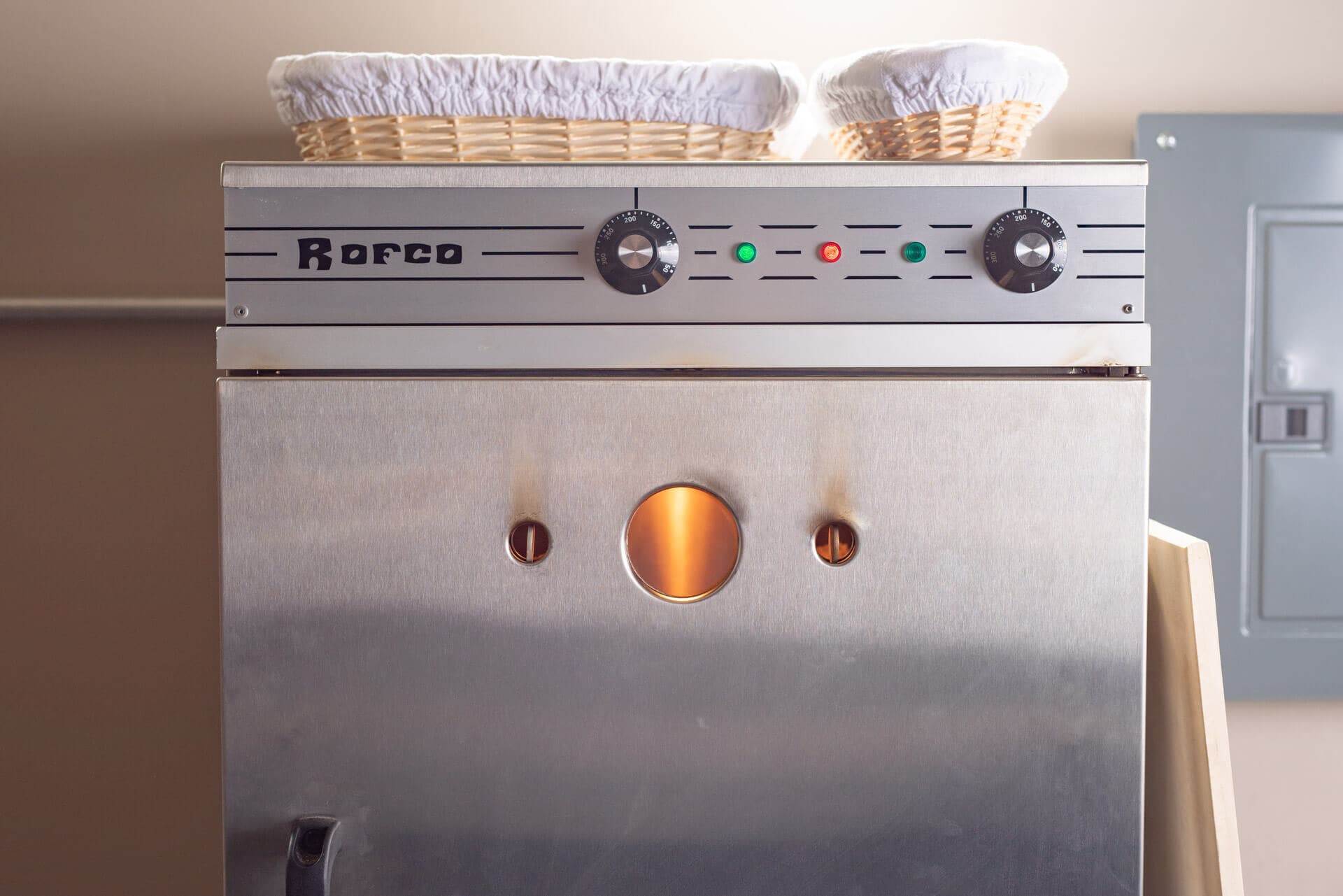
For bakers who find themselves consistently producing more than a handful of loaves at a time, whether for personal consumption, large gatherings, or the burgeoning world of micro-bakeries and farmers’ markets, the limitations of a standard home oven become apparent. The Rofco bread oven, a Belgian-made piece of equipment, addresses this demand directly. Its robust construction and design are centered on the fundamental principles of hearth baking, allowing for superior heat retention and distribution.
The Rofco oven is characterized by its no-nonsense, durable build and a sealed oven chamber, which minimizes external heat radiation, making it suitable for installation in various home kitchen environments. Its core feature lies in the thick chamotte deck stones (refractory bricks), typically 1-3/8 inches thick. These stones are designed to absorb and retain a substantial amount of heat after preheating, a critical factor in achieving optimal oven spring and crust development for bread. This heat retention capability is so pronounced that it allows for multiple baking sessions with minimal temperature recovery time between loads, a significant advantage when scaling up production.
The B40 model, often cited as the largest option available, features three spacious square baking decks, each measuring approximately 18.9 inches by 18.9 inches. This ample surface area, combined with the oven’s efficient heating, allows bakers to bake a considerable number of loaves in a single cycle. The oven operates on standard 220V AC single-phase power, a common electrical supply found in many homes, though it necessitates the installation of a dedicated receptacle and breaker, typically handled by a qualified electrician.
The Rofco Advantage: Efficiency, Consistency, and Control
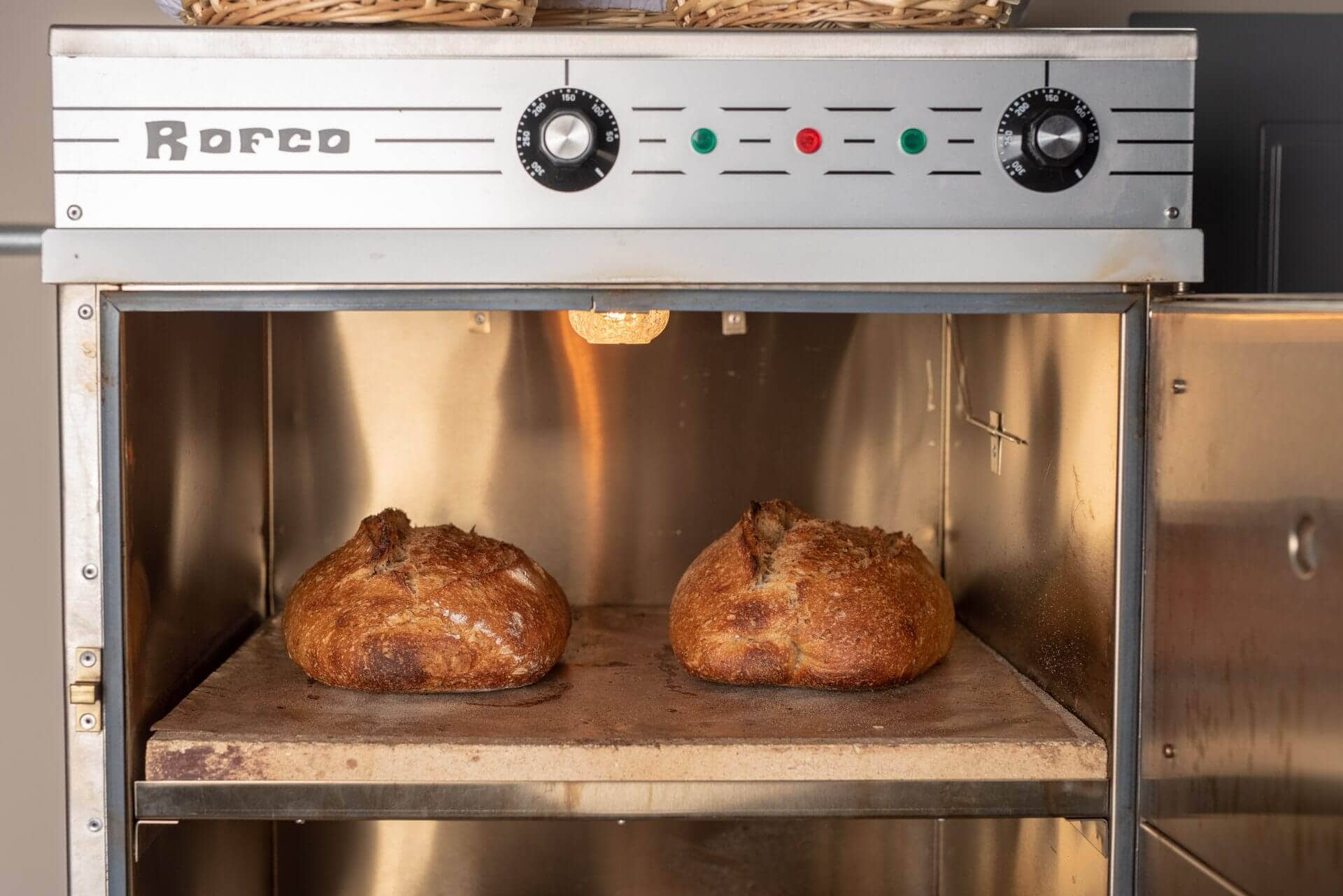
The allure of the Rofco oven lies not just in its capacity but also in the control it offers. While many home bakers successfully produce artisan bread in conventional ovens, the Rofco elevates the process by allowing the baker to dedicate more attention to the nuances of flavor, fermentation, dough handling, and shaping. The consistent heat and steam management capabilities of a Rofco oven contribute to more predictable results, reducing the variables that can impact the final loaf.
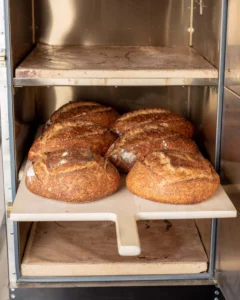
The author’s personal journey highlights this transition. Initially content with a standard oven, the desire to bake six loaves simultaneously—a modest ambition by professional bakery standards but significant for a home kitchen—necessitated an upgrade. This aspiration underscores a common theme among serious bakers: as their skills and output increase, so does their need for tools that can support this growth without compromising quality. The Rofco oven, in this context, represents a natural and logical progression in the "baking evolution."

A Comprehensive Guide for Rofco Users
Recognizing the growing interest in scaling up home baking operations, this guide aims to provide a consolidated resource for those considering or already utilizing a Rofco oven. It delves into the essential aspects of Rofco operation, including optimal tool selection, precise temperature and timing protocols, and practical techniques for achieving superior baking results. The information presented is derived from extensive personal experience and aims to demystify the process, making it accessible for both new Rofco owners and seasoned bakers looking to refine their techniques.
Understanding the Rofco Oven: Key Features and Benefits
The Rofco oven is more than just a larger oven; it’s a specialized tool designed with the specific needs of bread baking in mind. Its robust construction ensures longevity, and its straightforward design prioritizes functionality. The sealed oven chamber is a crucial element, designed to trap heat and steam effectively, creating an environment conducive to exceptional crust formation and oven spring.
- Heat Retention and Distribution: The thick chamotte deck stones are the heart of the Rofco’s performance. They absorb and radiate heat evenly, mimicking the conditions of a traditional brick oven. This sustained heat prevents the oven floor from cooling down too rapidly when loaves are loaded, ensuring consistent heat transfer to the base of the bread.
- Batch Baking Efficiency: The ability to bake multiple loaves simultaneously across its three decks significantly increases throughput. The oven’s capacity to maintain temperature between bakes means that a baker can transition from one batch to the next with minimal downtime, a critical factor for larger production needs.
- Simplicity and Durability: Rofco ovens are known for their uncomplicated design, which translates to easier maintenance and a longer lifespan. The components are generally accessible and repairable, further contributing to their value as a long-term investment for serious bakers.
- Electrical Requirements: Operating on a 220V circuit, the Rofco requires a dedicated electrical connection. While this may necessitate minor electrical work in some homes, it is a standard requirement for many higher-capacity kitchen appliances.
Navigating the Rofco: Dough Placement and Baking Strategies
A key aspect of maximizing the Rofco’s potential is understanding how to optimally arrange dough on its decks. This involves a strategic approach akin to a game of "Tetris," where the goal is to fit the maximum number of loaves without them touching, while still ensuring even heat exposure for all.
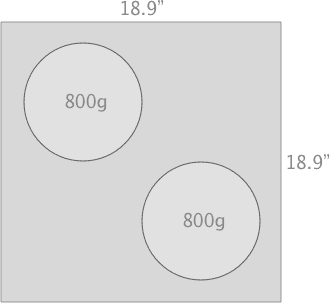
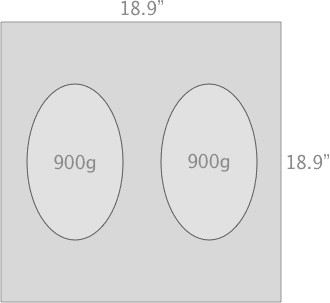
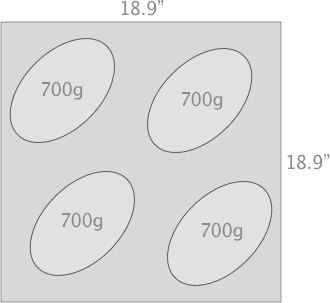
The Rofco B40 offers a baking surface of 18.9" x 18.9" per deck. Common arrangements include:
- Two 900g Batards per Deck: This configuration, positioned towards the sides of each deck, is a frequently used method for home baking, balancing loaf size with oven capacity.
- Two 800g Boules per Deck: Similar to the batard arrangement, this allows for ample space between round loaves.
- Four 700g Boules per Deck: This arrangement maximizes the number of loaves per deck, suitable for smaller individual portions or when a higher volume is desired.
Beyond individual loaves, the Rofco can also accommodate other baked goods. The included square steel trays are particularly useful for baking smaller items like buns, rolls, or even pizzas. These trays facilitate easy transfer and help contain any potential mess, making them versatile for a variety of baking endeavors.
The Crucial Role of Steam in Rofco Baking
As with any high-quality bread baking, steam plays a vital role in achieving optimal results in a Rofco oven. Steam at the initial stages of baking is essential for allowing the bread dough to expand fully, a process known as oven spring, before the crust sets. The Rofco’s sealed chamber is advantageous in retaining this steam. However, unlike some professional ovens with integrated steam injection systems, manual methods are employed.
-
High-Pressure Sprayer Method: A preferred technique involves using a commercial-grade pressure sprayer. Filled with water and set to a fine mist, the sprayer is used to introduce steam into the oven. The process typically involves spraying each deck for 10-12 seconds, ensuring thorough coverage. It’s important to avoid spraying the glass of the oven light fixture, as extreme temperature changes can cause it to crack. A second spray is often applied just before closing the door completely. Vents are then opened by tilting the circular mechanisms on the oven door once the initial steaming period is complete.
-
Steam Pods: Rofco offers optional rectangular steel steam pods that can be preheated within the oven. Pouring water or ice cubes into these pods generates steam. While effective, these pods occupy valuable deck space, which can be a constraint when maximizing loaf count.

The choice between these methods often depends on the baker’s preference for deck space versus the convenience of the sprayer. Both are effective in creating the necessary steam environment for successful bread baking.
The Rofco Baking Process: A Step-by-Step Breakdown
Achieving consistent results with a Rofco oven involves a well-defined baking process, though it’s one that bakers often refine over time based on their specific dough formulas and desired outcomes. The oven features two control knobs: one for the top heating element (left) and one for the bottom heating element (right). Indicator lights signal when each element is active.

A typical preheating sequence involves setting both dials to 240°C (464°F) and allowing the oven to preheat for at least 1.5 hours. This extended preheating ensures that the chamotte stones are thoroughly saturated with heat, providing a stable baking environment.
The loading process often involves a prepared pizza peel, silicone baking mats, and the dough. Dough is turned out onto the silicone mats, scored, and then carefully slid into the oven using the peel.
A recommended baking schedule typically involves the following stages:
- Preheat: Oven door and vents closed, set to 240°C (464°F) for 1 hour 30 minutes.
- Initial Bake with Steam: Temperature reduced to 150°C (302°F), bake for 20 minutes.
- Vent Steam and Continue Baking: Oven door briefly opened to release steam, vents swiveled open, temperature increased to 220°C (428°F), bake for 10 minutes.
- Final Bake: Temperature reduced back to 150°C (302°F), bake for an additional 20-30 minutes, or until desired crust color and internal temperature are achieved. Loaves may be reshuffled if necessary for even baking.
After baking, loaves are removed and placed on wire racks to cool. The oven can then be turned off or reheated for subsequent batches.
Essential Tools for Rofco Oven Mastery
To complement the Rofco oven and streamline the baking process, several tools are highly recommended:

- Commercial Strength Sprayer: For bakers who opt against steam pods, an electric spray bottle offers efficient and consistent steam generation. These devices can deliver a substantial amount of fine mist with the press of a button.
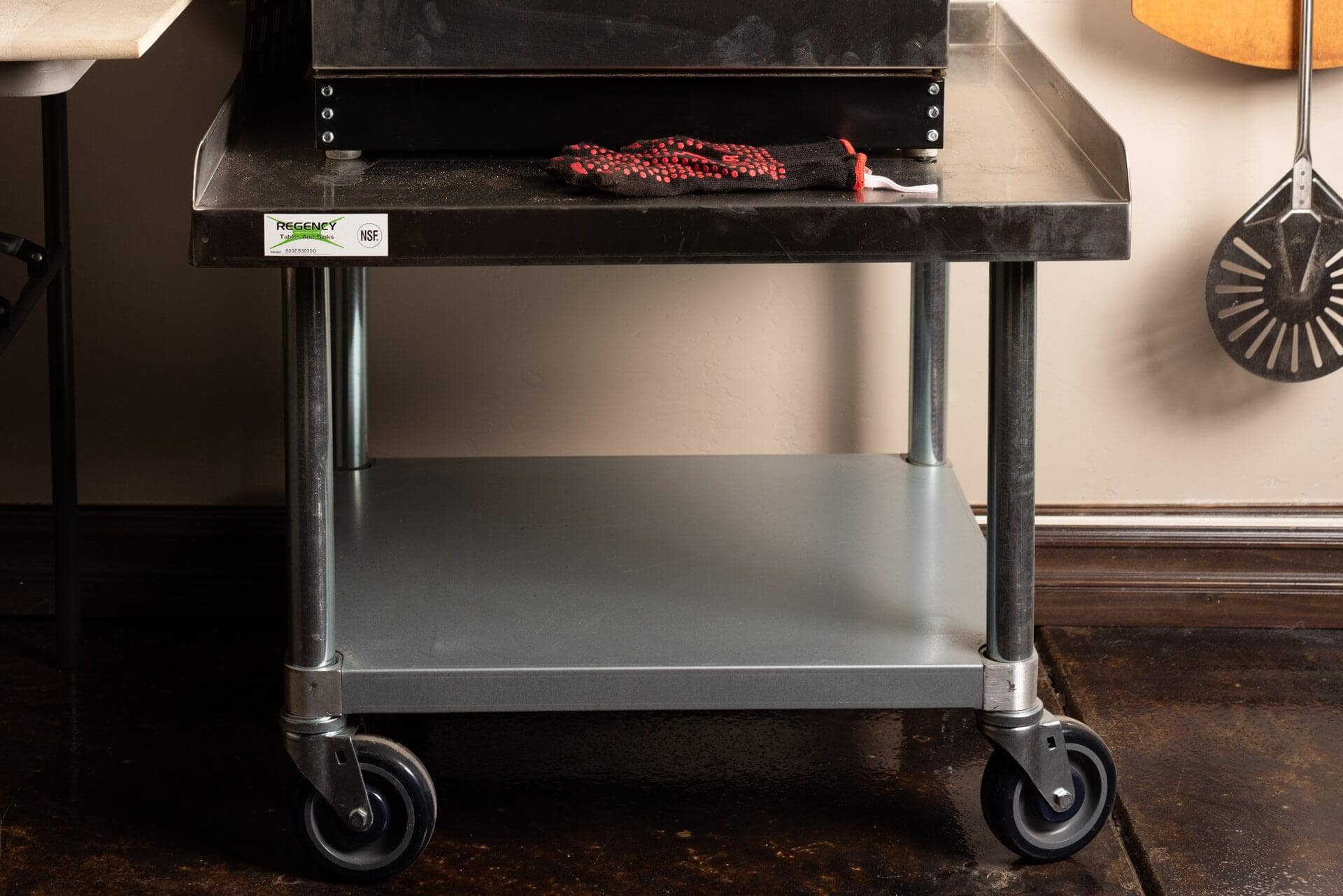
- Oven Equipment Stand: Elevating the Rofco oven to a comfortable working height significantly improves ergonomics. Custom-cut stainless steel stands are available, often with options for casters for mobility. A stand approximately 20 inches high is a common and practical choice.
- Large Wooden Peel: A generously sized wooden peel, ideally matching the width of the Rofco’s decks, is invaluable for loading and unloading dough. Its smooth surface allows for easy transfer of dough from the work surface into the hot oven.
Additional Tips and Tricks for Rofco Baking
- Drying Proofing Baskets: After removing baked loaves, the residual heat in the Rofco can be effectively utilized to dry proofing baskets (bannetons). Placing damp baskets inside the oven for a short period helps to quickly dry the liners, preventing mold and ensuring they are ready for the next use.
- Consistency is Key: When adapting to a new oven like the Rofco, it is advisable to start with a simple, reliable recipe, such as a basic sourdough. Mastering this recipe in the new environment will build confidence and provide a solid foundation for experimenting with more complex formulas.
The Future of Home Baking: Embracing Professional Tools
The Rofco bread oven represents a significant investment for home bakers, but one that pays dividends in terms of increased capacity, improved baking quality, and enhanced efficiency. As the home baking movement continues to flourish, the demand for equipment that bridges the gap between hobbyist and professional is likely to grow. For those who are passionate about bread and looking to elevate their craft, the Rofco oven offers a compelling solution, enabling them to explore new levels of creativity and production in their own kitchens. For those interested in further expanding their professional baking setup, exploring larger capacity dough mixers like the Famag spiral mixer or ovens such as the RackMaster 2020 can offer even greater scalability.