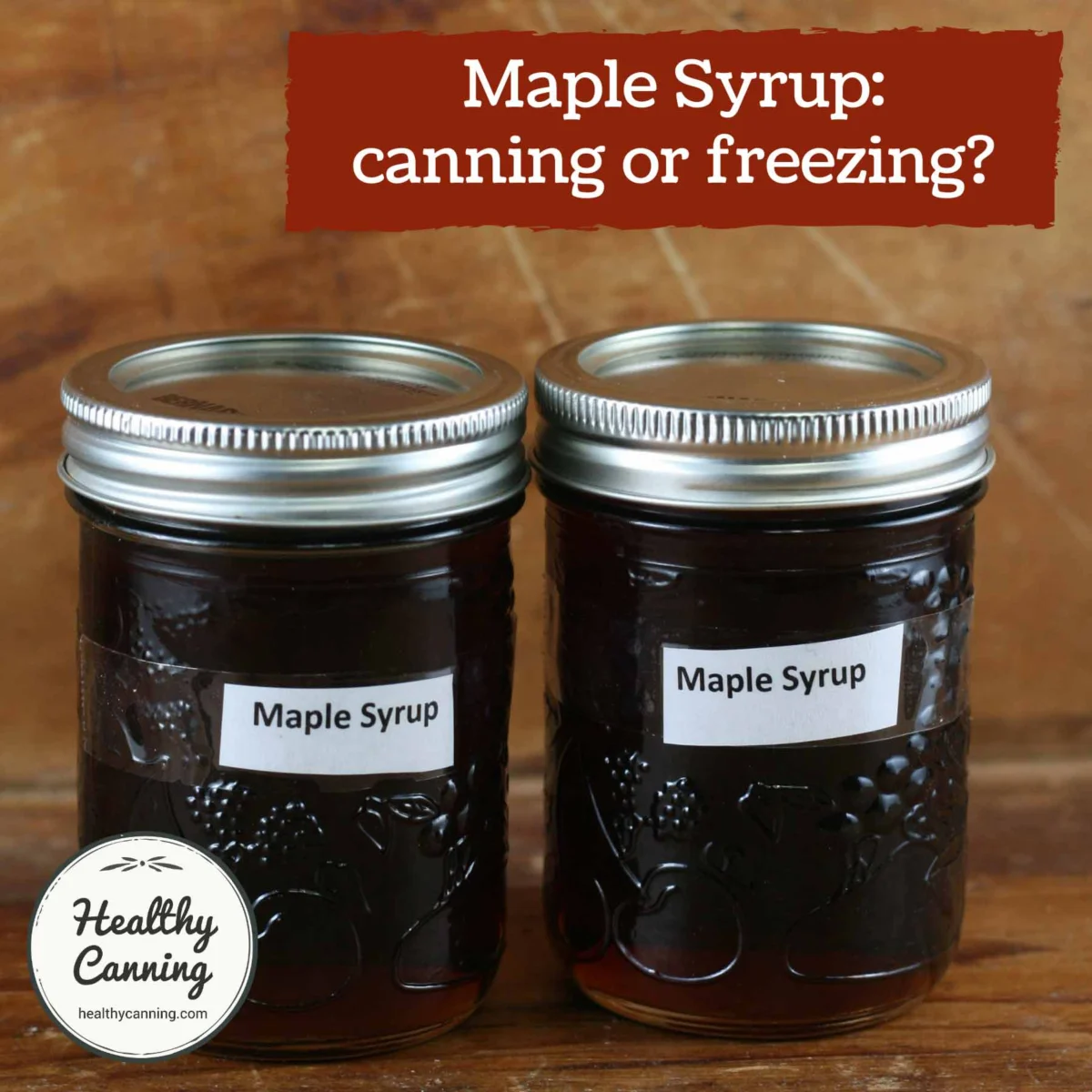

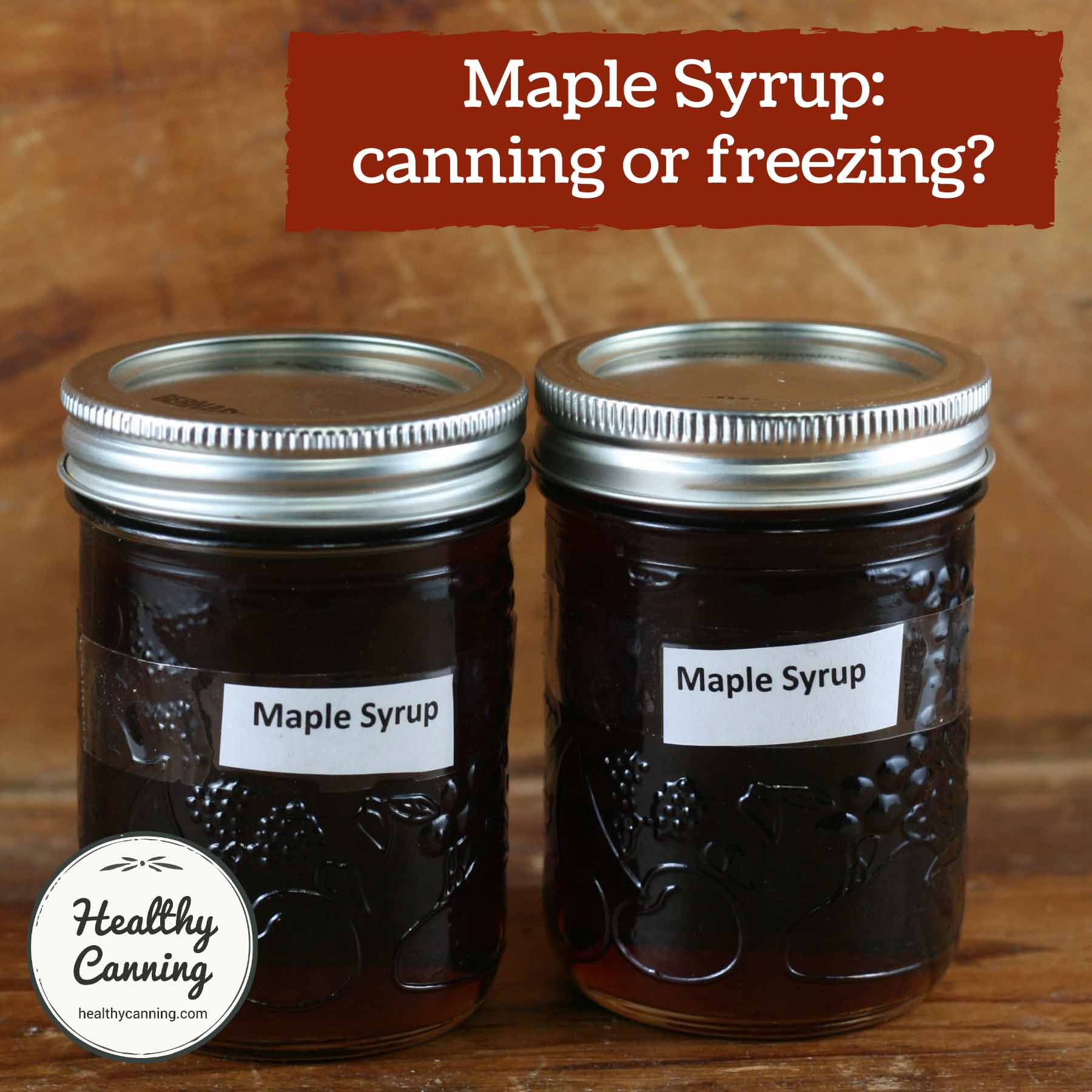
The management of maple syrup storage is a critical concern for consumers who purchase this high-value agricultural product in bulk. Often referred to as "liquid gold" due to its intensive production process and premium price point, maple syrup is a chemically complex substance that, despite its high sugar content, remains susceptible to microbial spoilage if environmental conditions are not strictly controlled. While unopened containers made of glass or metal can remain shelf-stable for extended periods, the introduction of oxygen and ambient fungal spores upon opening necessitates a shift in storage strategy to prevent the colonization of mold. This comprehensive analysis explores the scientific principles of maple syrup preservation, the varying efficacy of storage containers, and the recommended practices for maintaining product integrity over the long term.
The Chemistry of Stability: Brix, pH, and Water Activity
To understand why maple syrup requires specific storage conditions, one must first examine its chemical composition. In North America, the legal definition of maple syrup is governed by strict density requirements. According to the North American Maple Syrup Council, the standard density for finished maple syrup must fall between 66° and 68° Brix. The Brix scale measures the sugar content of an aqueous solution, with one degree Brix representing approximately one percent sucrose by mass.
This specific range is vital for both safety and quality. If the syrup is produced below 66° Brix, the water activity—a measure of the "free" water available for microbial growth—remains high enough to allow for fermentation and the growth of mold. Conversely, if the syrup exceeds 68° Brix, it becomes supersaturated, leading to the precipitation of sugar crystals at the bottom of the container. While these crystals are not a safety hazard, they diminish the aesthetic and textural quality of the product.

The acidity of maple syrup also plays a secondary role in its preservation. Research published in Food Research International indicates that the pH of maple syrup typically ranges from 5.6 to 7.9, with the FDA citing an average of 5.15. Because these levels are above the 4.6 pH threshold required to inhibit the germination of Clostridium botulinum spores, the safety of the syrup relies almost entirely on its high sugar concentration and low water activity rather than its acidity.
Shelf Storage and the Permeability of Containers
The longevity of unopened maple syrup at room temperature is largely determined by the material of the packaging. Standard retail containers such as glass bottles, metal tins, and squeeze-type plastic bottles act as effective oxygen barriers. When sealed at the point of production using commercial hot-pack methods, these containers can be stored in a cool, dark cupboard for a year or more without significant degradation.
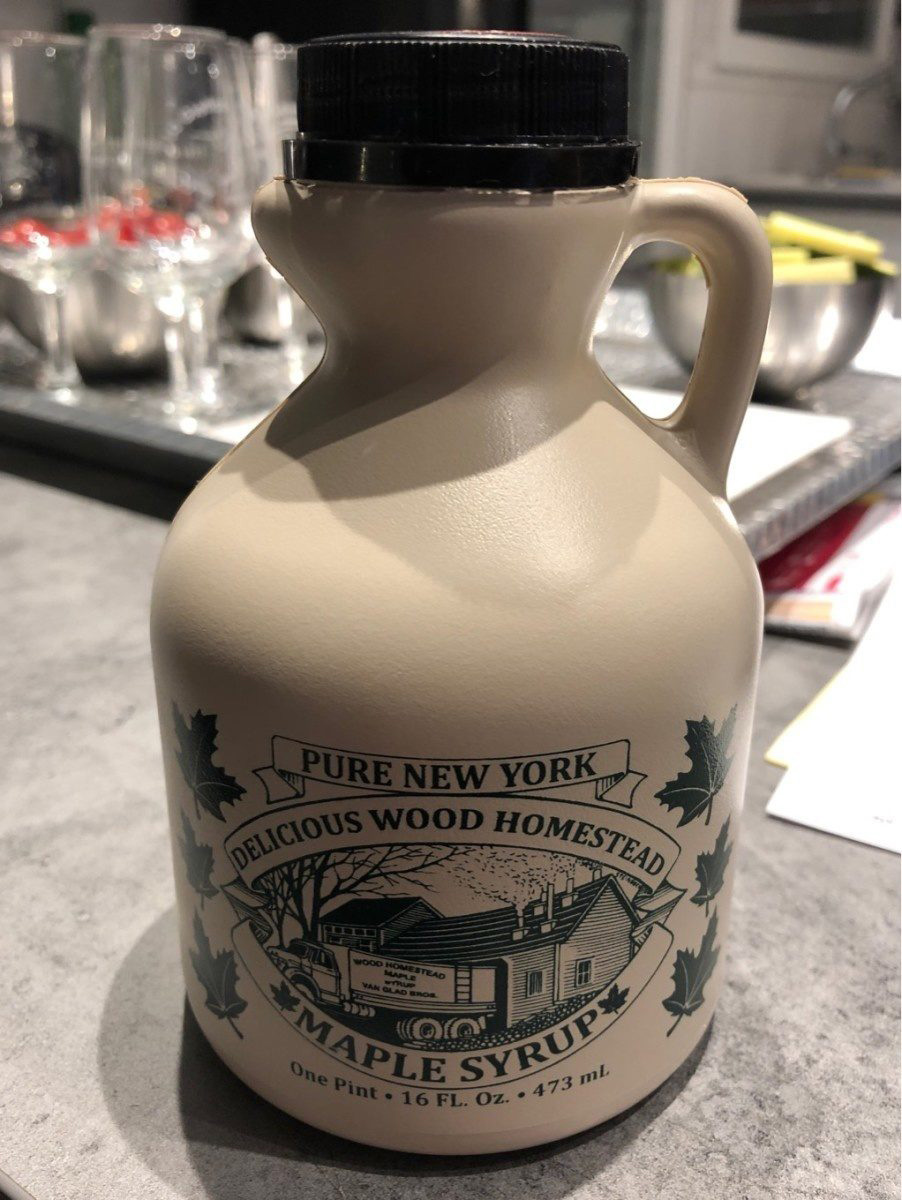
However, a notable exception exists for the traditional beige or grey plastic jugs often used by smaller producers. The Quebec Maple Syrup Producers (QMSP) Association warns that these specific containers, while iconic, are often slightly porous. Over time, they allow minute amounts of oxygen to permeate the plastic, which can eventually lead to spoilage or flavor changes even if the seal remains intact. Consequently, the QMSP recommends that these plastic jugs be stored in the refrigerator from the moment of purchase to prolong the syrup’s shelf life.
The Post-Opening Transition: Refrigeration Requirements
Once the factory seal on a container of maple syrup is broken, the product is immediately exposed to the environment. Ambient air contains a variety of fungal spores, including species of Penicillium and Aspergillus, which can thrive on the surface of sugar-rich liquids.
Upon opening, maple syrup must be transitioned to refrigerated storage. The cold temperatures of a standard refrigerator (typically 4°C or 40°F) work in tandem with the syrup’s low water activity to significantly slow the metabolic processes of mold. It is important to note, however, that refrigeration is a delay tactic rather than a permanent solution. Mold can still develop in a refrigerated environment over several months, particularly if the container is frequently opened or if condensation forms inside the lid, diluting the surface sugar concentration and creating a localized "hot spot" for microbial growth.
Freezing: The Gold Standard for Long-Term Preservation
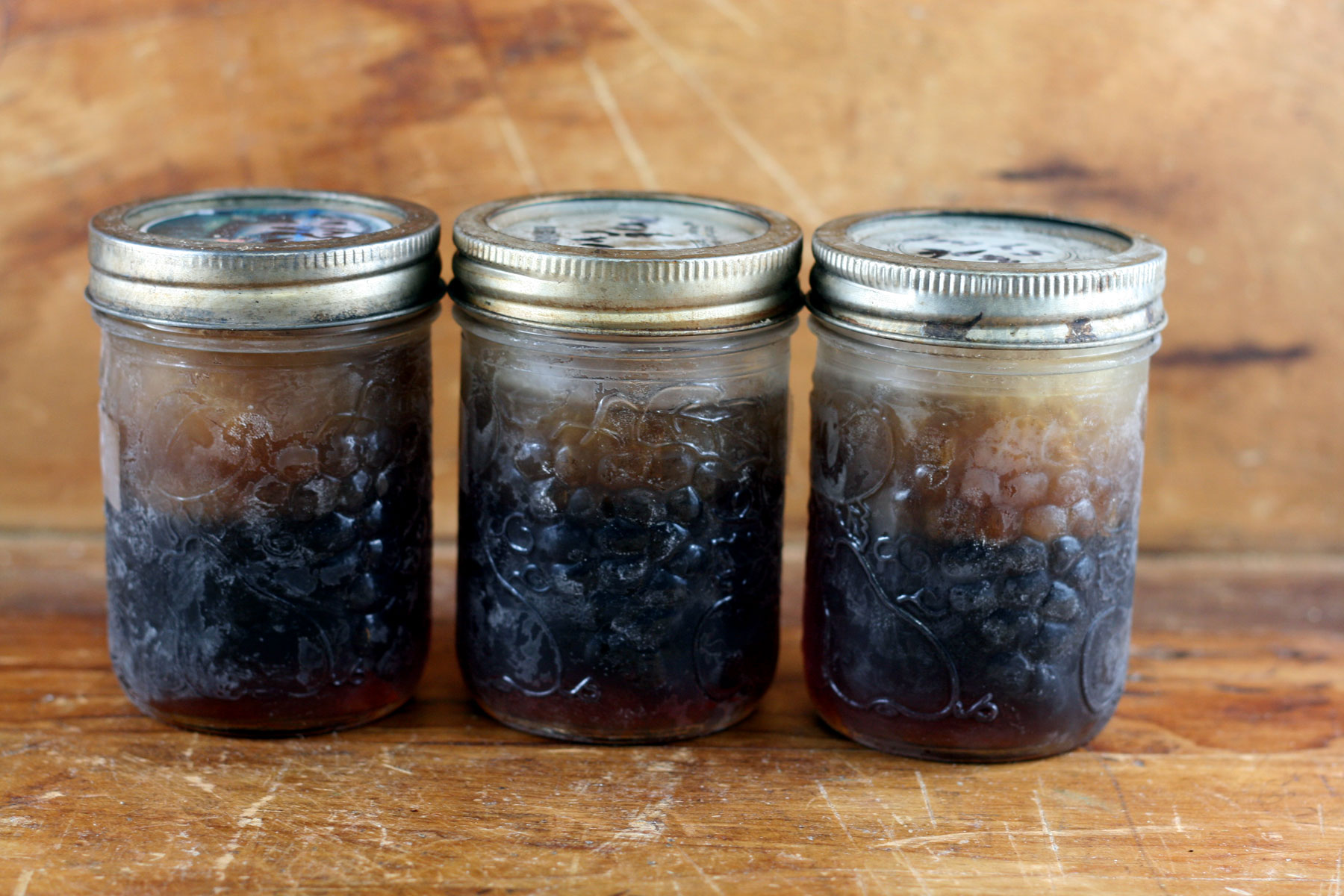
For consumers seeking to preserve large quantities of maple syrup for periods exceeding six months, freezing is the internationally recognized best practice. Unlike many food items that suffer textural breakdown during the freezing process, maple syrup’s high sugar content prevents it from freezing into a solid block. Instead, it becomes highly viscous, taking on a texture similar to thick honey or chilled molasses.
Advantages of Freezing
- Complete Microbial Inhibition: Freezing effectively halts the growth of all mold and yeast, ensuring the syrup remains safe indefinitely.
- Quality Retention: Because the syrup does not undergo a phase change into a solid, the delicate aromatic compounds and flavor profiles are preserved better than through any other method.
- Flexibility: Maple syrup can be frozen and thawed multiple times without loss of quality, provided that any condensation that forms upon thawing is stirred back into the syrup to maintain uniform Brix levels.
Recommended Freezing Protocol
Extension services from Purdue University and Ohio State University suggest repackaging bulk syrup into smaller, freezer-safe glass jars. Glass is preferred over plastic for long-term freezing because it is non-porous and does not impart "off" flavors over time. When filling jars for the freezer, it is essential to leave adequate "headspace" to allow for the slight expansion of the liquid.
Standard Headspace Recommendations:
- Pint (500 ml) Jars: 1/2 inch (1.3 cm)
- Quart (1 litre) Jars: 1 inch (2.5 cm)
For rapid use, frozen syrup can be thawed in a lukewarm water bath or microwaved in short 15-second intervals. Consumers are cautioned never to bring the syrup to a boil during thawing, as this can alter the sugar concentration and darken the color.
The Risks and Challenges of Home "Recanning"
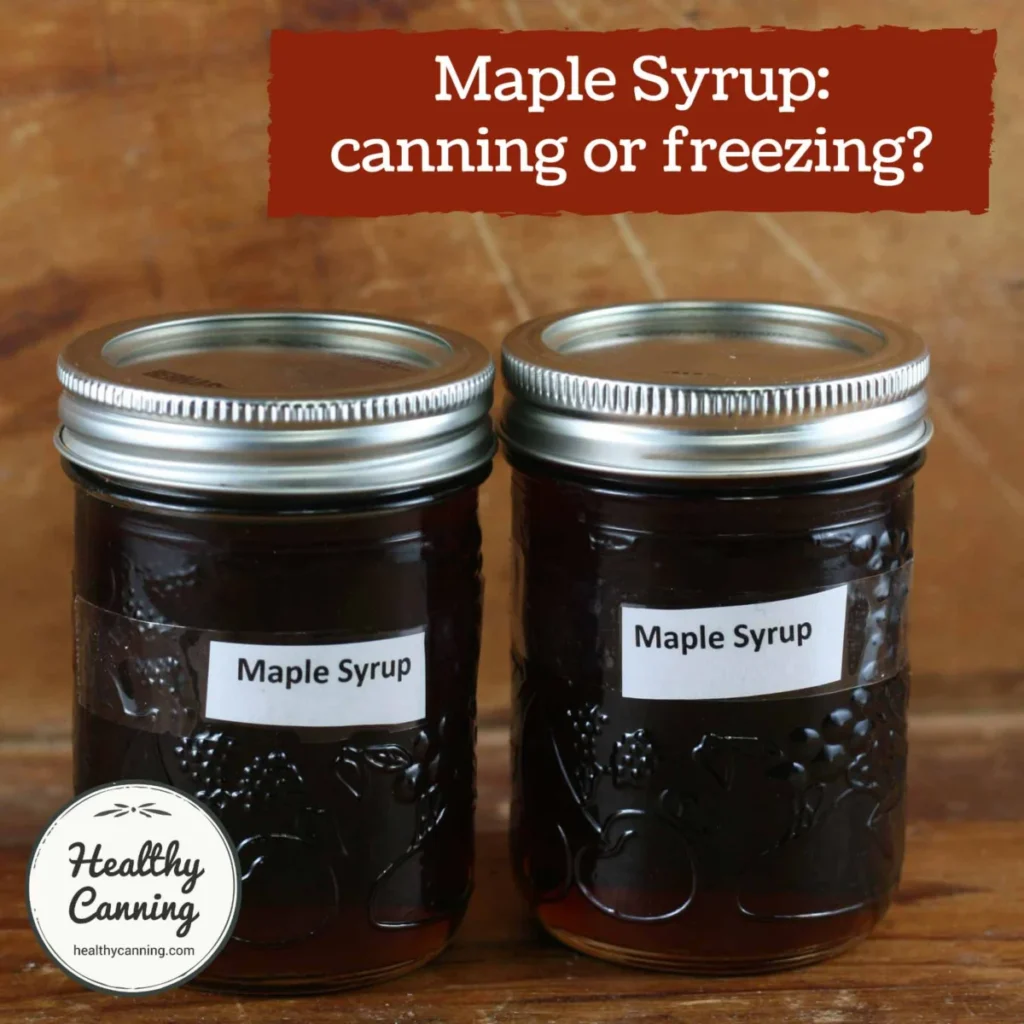
Some home preservers attempt to "re-can" bulk maple syrup by heating it and sealing it in smaller Mason jars for room-temperature storage. While this is technically possible, it is widely discouraged by food scientists and extension services due to the high risk of quality degradation and the potential for "stack burn."
The process used by commercial producers is known as "hot packing." It involves heating the syrup to a temperature between 82°C and 85°C (180°F–185°F) and immediately filling sterilized containers. Once capped, the containers are inverted for five to ten minutes, allowing the hot syrup to sterilize the interior of the lid and the neck of the bottle.
The Downside of Heat Treatment
The primary deterrent to home bottling is the impact of heat on the syrup’s chemistry. Subjecting maple syrup to prolonged or repeated heating causes several undesirable reactions:
- Color Darkening: Heat promotes the Maillard reaction and caramelization, turning light "Grade A" syrup into a darker, stronger-flavored product.
- Precipitation of "Sugar Sand": Heating syrup above 82°C often causes minerals, primarily calcium malate, to precipitate out of the solution. This creates a gritty, cloudy sediment known as "niter" or "sugar sand." While harmless, it makes the syrup visually unappealing and may require professional-grade filtering cloth to remove.
- Stack Burn: If jars are not cooled rapidly after hot packing, the internal heat continues to "cook" the syrup, leading to a burnt flavor and significant darkening.
Furthermore, research from the University of Maine has demonstrated that some heat-resistant mold spores can survive temperatures as high as 82°C. In a study of 34 maple syrup samples, 32 were found to be contaminated with fungi despite standard bottling practices. This underscores the fact that home "canning" is not a foolproof method for preventing mold, whereas freezing is.
Broader Implications and Economic Context
The preservation of maple syrup is not merely a matter of culinary preference but also one of economic significance. The maple syrup industry is a vital component of the North American agricultural economy, with the province of Quebec producing approximately 72% of the world’s supply. In the United States, Vermont, New York, and Maine lead production.
For the consumer, bulk purchasing is often the most cost-effective way to acquire high-quality syrup. However, the financial benefits of bulk buying are negated if the product is lost to spoilage. By utilizing the freezing method, households can reduce food waste and ensure that they are consuming a product that retains the nutritional benefits—including minerals like manganese and zinc—and the complex antioxidant profile inherent in pure maple sap.
In conclusion, while maple syrup is a robust product, its high sugar content is not an absolute shield against spoilage. The transition from shelf to refrigerator upon opening is mandatory, but for those managing bulk supplies, the freezer offers the only reliable, quality-preserving solution. By avoiding the complexities and quality risks associated with home "recanning" and instead opting for cold-temperature storage, consumers can enjoy the authentic flavor of maple syrup for years after purchase.