
The pursuit of extended youth and vitality has captivated humanity for centuries, but in the modern era, propelled by figures like tech billionaire Bryan Johnson, this quest has taken on a new, data-driven dimension centered around the concept of "biological age testing." Johnson, the subject of the Netflix documentary Don’t Die, has become a public face of extreme longevity efforts, reportedly spending millions annually on a rigorous regimen designed to achieve the lowest possible biological age. His daily protocol is comprehensive, encompassing dozens of supplements, weekly acid peels, collagen-boosting injections, hyperbaric oxygen therapy, and even plasma infusions sourced from his 17-year-old son. These efforts, he claims, have yielded a biological age 5.1 years younger than when he began, suggesting a remarkable reversal of the aging process.
However, Johnson’s claims are not without controversy. A New York Times exposé, for instance, challenged his narrative, alleging that his biological age had, in fact, increased by a decade. This divergence highlights the complex and often debated nature of biological age assessment. Despite the skepticism, Johnson’s "don’t die" crusade has undeniably amplified public awareness. "Bio age testing" is now a frequent topic on popular podcasts hosted by figures like Peter Attia, Joe Rogan, and Andrew Huberman. A quick online search reveals a burgeoning market of mail-order blood and urine testing kits, promising to reveal one’s biological age, pace of aging, and more, often at increasingly affordable prices. This commercial accessibility naturally leads to a critical question for individuals and health professionals alike: Should one engage in bio age testing, which tests offer the most reliable insights, and crucially, how should the resulting information be interpreted and acted upon?
Defining Biological Age: Beyond the Calendar
At its core, biological age, or "bio age," refers to the functional and physiological state of an individual’s cells and tissues, distinct from their chronological age – the simple count of years since birth. While chronological age is an unchangeable number, biological age is a dynamic measure influenced by genetics, lifestyle, environmental factors, and health status.
Consider two 50-year-old men: Chang and Jabari. Chang works a sedentary desk job, spends evenings watching television, resides in a highly polluted urban environment, often opts for convenience foods like candy bars for lunch, and smokes. Jabari, on the other hand, exercises vigorously several times a week, lives in a cleaner, mountainous region, is a non-smoker, consumes ample fruits and vegetables, practices meditation, and enjoys gardening in the evenings. Even without considering genetic predispositions, it is highly probable that Jabari’s biological age would be significantly younger than Chang’s, reflecting his healthier cellular function and lower accumulated damage. This disparity underscores that while everyone ages chronologically at the same rate, the rate at which our bodies biologically age can vary dramatically.
The Scientific Basis of Bio Age Measurement
The measurement of biological age relies on identifying and quantifying specific biological markers of aging, known as biomarkers. These biomarkers provide insights into cellular and molecular processes that are known to change over time and are associated with age-related decline and disease.
One prominent area of focus is telomere analysis. Telomeres are protective caps found at the ends of chromosomes, shielding genetic material from damage during cell division. With each division, telomeres naturally shorten. Critically short telomeres can trigger cellular senescence (where cells stop dividing) or apoptosis (programmed cell death), processes intimately linked with aging and age-related diseases. Commercial tests often measure telomere length from blood samples, claiming to provide an estimate of cellular age. However, the reliability and clinical utility of the widely marketed qPCR telomere tests are debated within the scientific community. Research-grade tests, such as flow-FISH, are typically reserved for diagnosing specific genetic conditions linked to telomere dysfunction, rather than broadly predicting healthy aging. The scientific consensus is that while telomere length is a biomarker of aging, its predictive power for an individual’s overall longevity in healthy populations, particularly with consumer-grade tests, is not yet robust enough for definitive health decisions.
Another significant advancement in bio age testing involves DNA methylation. This physiological process chemically modifies DNA without altering its underlying sequence, playing a crucial role in gene expression. The pattern of DNA methylation changes predictably with age, leading to the development of "epigenetic clocks" like the Horvath Clock and DunedinPACE. These sophisticated algorithms, developed by scientists for research purposes, analyze specific methylation sites across the genome to estimate biological age and even the pace of aging (how quickly an individual is aging compared to their chronological age). While these clocks have demonstrated remarkable accuracy in research settings for understanding how lifestyle, environment, and interventions impact aging at a population level, their application for precise individual biological age determination and real-time tracking of interventions remains an active area of research. A key limitation is that methylation patterns in blood might not perfectly reflect the aging rates of all organs, as aging can occur differentially across various tissues. Despite these nuances, companies have rapidly commercialized DNA methylation testing kits, typically costing around $300, bringing these advanced tools to the public. It is crucial to remember that while informative, these tests are not a substitute for comprehensive medical evaluations.
The Purpose of Biomarker Testing: Proactive Health and Motivation
The primary benefit of biomarker testing, whether advanced or simple, is its capacity to empower individuals with proactive health insights. Instead of waiting for overt disease symptoms, biomarkers can signal underlying trends that, if addressed, might prevent future health issues. For many, these objective data points serve as powerful motivators. Discovering a "biological age" older than one’s chronological age can provide the necessary impetus to adopt healthier habits, such as initiating a consistent strength training program, improving dietary choices, or managing chronic stress more effectively.
Moreover, biomarkers offer quantitative data, enabling individuals and their health practitioners to track the efficacy of various health interventions. For example, regularly monitoring blood pressure can reveal that consistent physical activity lowers readings, while a reliance on late-afternoon energy drinks has the opposite effect. This iterative feedback loop is invaluable for personalized health management.
Accessible Insights: Free and Doctor-Approved Biomarker Tests
One doesn’t need to be a billionaire to track meaningful biomarkers of aging. Before the advent of high-tech, blood-based tests, researchers relied on simpler, yet scientifically validated, physical assessments to gauge the pace of aging. These tests remain incredibly valuable and, in many cases, are entirely free.
1. The Sitting-Rising Test (SRT): A Measure of Functional Strength and Balance
Physical fitness, particularly strength and balance, is strongly correlated with longevity. Muscles are not merely movers; they are endocrine organs that secrete anti-inflammatory substances, regulate blood sugar, slow cellular aging, and protect arterial linings, all contributing to a reduced risk of age-related diseases like type 2 diabetes, hypertension, and heart disease. The SRT comprehensively assesses both strength and balance. Individuals who score low on this test have shown a higher risk of cardiovascular disease mortality over a 12-year period in studies involving adults aged 46 to 75. A separate study involving 1,700 individuals found that middle-aged or older adults unable to stand on one foot for at least 10 seconds faced double the risk of dying within the next seven years.
- How to measure it: Begin standing, then lower yourself to the floor into a crisscross-legged position. From this position, stand back up without using external support. Start with 10 points. Deduct one point for each body part (hand, shin, knee, forearm) used for leverage. Subtract half a point for any unsteadiness or loss of balance. A score of 8 or higher is generally considered excellent, while lower scores suggest areas for improvement in balance, coordination, muscle strength, and mobility.
2. Grip Strength: A Powerful Predictor of Overall Health
Often overlooked, grip strength is a robust indicator of overall muscular strength and, by extension, general fitness. Weakness in the hands frequently mirrors weakness throughout the body. Studies have linked poor grip strength to future declines in mobility, including slow walking speed and difficulty rising from a chair or climbing stairs 25 years later. Low grip strength is also associated with a higher risk of cardiovascular disease, stroke, diabetes, hypertension, cancer, and early mortality. Some research even suggests grip strength can be a better predictor of longevity than blood pressure.
- How to measure it: Squeeze a standard tennis ball as hard and as long as possible. A duration of 15 to 30 seconds is considered acceptable, while over 90 seconds places one in the upper-third percentile. While a handheld dynamometer offers a more precise, quantifiable measure (available at some gyms or for purchase between $100-$500), the tennis ball test provides a good free proxy.
3. One-Foot Stand: A Window into Neuromuscular Integration
The ability to balance on one foot for an extended period is crucial for preventing falls, a leading cause of injury-related death in older adults. This seemingly simple act requires the intricate coordination of multiple bodily systems: the visual system, inner ear (vestibular system), skeletal muscles, and brain. Conditions such as diabetes, heart disease, and cancer can impair these systems, making an inability to balance a potential warning sign of deteriorating health and fitness.
- How to measure it: Stand near a wall or chair for safety, hands on hips, and eyes open. Lift your dominant leg and time how long you can hold the position. Repeat with the non-dominant leg. Compare your times to age-matched averages. For example, a Duke University study shows that males aged 30-39 average 59 seconds, while those 70-79 average 27 seconds. For females, the averages are 56 seconds (30-39) and 25 seconds (70-79).
4. Subjective Fatigability: An Early Health Warning
While temporary tiredness is normal, persistent fatigue – characterized by mental dullness, emotional exhaustion, and physical weariness that worsens over time and interferes with daily life – is a critical biomarker. Unexplained fatigue can be an early indicator that "something’s off" in the body. After ruling out common culprits like dehydration, poor sleep, excessive caffeine/alcohol, chronic stress, or medication side effects, persistent fatigue often points to underlying health issues such as sleep disorders, anemia, obesity, depression, cancer, or diabetes. For individuals aged 60 and older, "fatiguability" (how worn out one feels after an activity) has been linked to longevity, with higher scores correlating with increased risk of future death and declines in physical function.
- How to measure it: Utilize the Pittsburgh Fatigability Scale, rating perceived fatigue (0 = no fatigue, 5 = extreme fatigue) for various activities (e.g., 30 minutes leisurely walking, 1 hour brisk walking, 2 hours watching TV, 30 minutes strength training). A total score below 15 is excellent, 15-24 is a warning sign, and 25 or above is considered severe and warrants medical consultation.
5. Body Composition: Beyond the Scale
Body composition – the ratio of fat mass to lean muscle mass – is a more insightful health indicator than simple body weight. Both excessive and insufficient body fat can negatively impact health. Too much fat increases the risk of heart disease, high blood pressure, cancer, fatty liver disease, insulin resistance, type 2 diabetes, inflammation, joint distress, and sleep apnea. Conversely, insufficient muscle mass (sarcopenia) raises the risk for heart disease, high blood pressure, cancer, stroke, insulin resistance, faster cellular aging, inflammation, depression, anxiety, falls, and loss of balance.
- How to measure it: While gold standard methods like underwater weighing, Bod Pod, and DEXA scans are costly, a tape measure can provide a comparably accurate estimate. Measure your waist circumference (at the narrowest point), hip circumference (at the widest part), and neck circumference (just below the larynx). Input these measurements, along with age, sex, height, and weight, into a free online body fat calculator to estimate your body fat percentage.
Doctor-Approved Biomarker Tests: Essential for Preventative Care
Beyond self-assessment, routine medical tests offer crucial insights into biological age and disease risk, often covered by insurance as part of preventative care.
1. Comprehensive Blood Panel: Monitoring Metabolic and Cardiovascular Health
Annual blood work is a cornerstone of preventative medicine, providing a snapshot of metabolic and cardiovascular health. Key markers include:
- Total Cholesterol, LDL, HDL, Triglycerides, Apolipoprotein B (Apo B), Lipoprotein (a) [Lp(a)]: These lipid markers are critical for assessing cardiovascular disease risk, a leading cause of premature mortality. Optimal ranges (ee.g., Total cholesterol <200 mg/dL, LDL <100 mg/dL, HDL >60 mg/dL) indicate lower risk. Apo B and Lp(a) provide more refined measures of atherogenic particle burden.
- C-Reactive Protein (CRP): A marker of systemic inflammation, high levels (<2.0 mg/L is optimal) are associated with increased risk of heart disease and other chronic conditions.
- Fasting Glucose and Hemoglobin A1C (HbA1c): These markers assess blood sugar regulation and diabetes risk. Fasting glucose <100 mg/dL and HbA1c <5.7% are considered optimal, indicating healthy metabolic function.
Many of these markers can be positively influenced by lifestyle changes (diet, exercise) within weeks to months, making them excellent tools for monitoring interventions.
2. Bone Density (DEXA Scan): The Foundation of Longevity
Strong bones are a hallmark of healthy aging, often observed in "super-agers" living into their 90s and beyond. Bones are dynamic organs that contribute to overall health beyond structural support; they secrete hormones like osteocalcin, which may play roles in muscle function, brain neurotransmission, and metabolic regulation. Declining osteocalcin levels associated with bone loss are theorized to contribute to various age-related problems, including diabetes and cognitive issues. Crucially, loss of bone density (osteoporosis) significantly increases fracture risk, which can elevate mortality risk for up to a decade post-break.
- How to measure it: Dual-energy X-ray absorptiometry (DEXA) scans measure bone mineral content. While typically covered by insurance for individuals over 65 or those with documented osteoporosis risk, out-of-pocket costs average around $300. DEXA results are presented as a T-score; a score between +1.0 and -1.0 indicates normal bone density, while scores below -1.0 suggest osteopenia or osteoporosis. High-risk categories for bone density loss include post-menopausal women, those with a family history of osteoporosis, individuals on certain medications (e.g., corticosteroids), and those with sedentary lifestyles or nutritional deficiencies.
Advanced Physiological Markers: VO2 Max
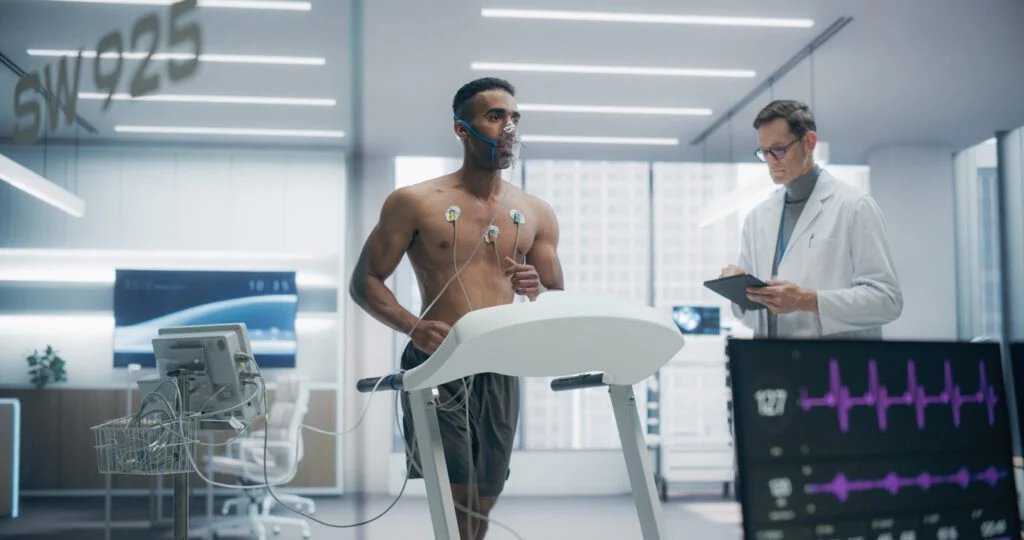
For years, VO2 max – the maximum amount of oxygen the body can utilize during intense exercise – was primarily a concern for elite athletes. However, it has gained recognition as a powerful, non-invasive measure of cardiorespiratory fitness and a robust predictor of biological age and longevity for the general population. Individuals with higher VO2 max tend to be not only fitter but also less susceptible to heart disease, diabetes, cancer, and stroke. A 46-year observational study of over 5,000 Danish men found that those with above-average VO2 max in middle age lived, on average, five years longer than their peers with below-average scores. Each unit increase in VO2 max was associated with a 45-day increase in longevity, suggesting it may predict all-cause mortality more accurately than traditional risk factors like high cholesterol or blood pressure.
As the body ages, the respiratory and cardiovascular systems become less efficient: chest walls stiffen, lung muscles weaken, blood vessels calcify, and the heart’s pumping efficiency declines. These changes, coupled with reduced muscle mass and mitochondrial function, collectively diminish VO2 max, which typically declines by about 10% per decade after age 30.
- How to measure it: The most accurate method is a lab-based test involving a metabolic mask and heart monitor during exhaustive exercise, costing around $150. More accessible, though less precise, options include:
- The 1-mile walk test: Walk one mile on a flat surface, recording heart rate and time. Plug these into a formula (or an online calculator) to estimate VO2 max.
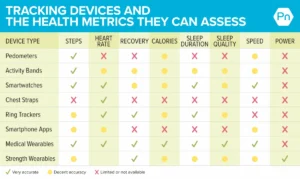
- Smartwatch estimates: Many smartwatches provide VO2 max estimates based on workout data, age, and sex. While not clinically precise, they can track trends over time.
- The 12-minute run (Cooper test): Run as far as possible on a flat surface for 12 minutes, then use the distance (in miles or kilometers) in a specific formula (or online calculator) to estimate VO2 max. This method shows about a 90% correlation with lab-based measurements.
Translating Data into Action: The Imperative of Lifestyle
The information gleaned from biological age tests, whether commercial, doctor-approved, or free, should be viewed purely as data – an objective snapshot, not a moral judgment. Crucially, this data reflects a dynamic state, not a permanent one. The body possesses remarkable plasticity, and biological age can be influenced and even potentially reversed through targeted interventions.
A common pitfall in the pursuit of longevity is the neglect of "evergreen, big-impact strategies" in favor of trendy, often unproven, shortcuts. The foundational pillars of a long, healthy life are surprisingly simple, yet demand consistent behavioral change:
- Prioritizing quality sleep: Aim for 7-9 hours of restorative sleep nightly.
- Engaging in regular physical activity: Incorporate a mix of aerobic exercise, strength training, and flexibility work.
- Adopting a nutrient-dense diet: Emphasize whole, unprocessed foods, ample fruits, vegetables, lean proteins, and healthy fats.
- Managing chronic stress: Implement practices like meditation, mindfulness, or spending time in nature.
- Maintaining healthy social connections: Strong social ties are consistently linked to better health outcomes.
- Avoiding smoking and excessive alcohol consumption: These are major drivers of accelerated aging and disease.
- Staying hydrated: Water is essential for every bodily function.
Thousands of studies consistently demonstrate that individuals who consistently adhere to these high-impact strategies not only live longer but also experience a higher quality of life, marked by greater strength, cognitive function, and reduced incidence of pain and disability in later years. The challenge lies in implementing and sustaining these behavioral changes, which is why many individuals benefit from the guidance of certified health coaches specializing in behavior change science.
The second critical mistake is failing to translate data into action. Collecting biomarker data without subsequently adjusting behavior is akin to identifying a problem without attempting to solve it. The value of biological age testing lies in its capacity to serve as a baseline, a diagnostic tool, and a feedback mechanism. It allows individuals to monitor whether their lifestyle modifications, dietary changes, or medical interventions are indeed moving them closer to their goal of a longer, healthier, and more vibrant life. The ultimate aim is not merely to know one’s biological age, but to actively work towards optimizing it.
The Broader Impact and Future of Longevity Science
The rising interest in biological age testing, spurred by high-profile figures and commercial accessibility, reflects a broader societal shift towards personalized health and preventative medicine. As scientific understanding of aging mechanisms deepens, and technology for biomarker assessment becomes more sophisticated and affordable, the landscape of longevity science will continue to evolve rapidly.
However, this evolution also brings ethical considerations. Ensuring equitable access to advanced testing and interventions, preventing the exploitation of individuals seeking quick fixes, and rigorously validating commercial claims against scientific standards are paramount. The scientific community generally advocates for a cautious approach, emphasizing that while biomarkers offer valuable insights, they must be integrated into a holistic health strategy that prioritizes evidence-based lifestyle practices and conventional medical care. The future likely involves a blend of advanced diagnostic tools, personalized lifestyle coaching, and perhaps targeted pharmaceutical or genetic interventions, all aimed at extending healthspan—the period of life spent in good health—rather than merely lifespan.
In conclusion, biological age testing offers a fascinating lens through which to view our health and potential longevity. While the allure of reversing aging is powerful, the most impactful strategies remain those time-tested, fundamental pillars of health and wellness. Understanding one’s biological age can be a powerful motivator, but it is the consistent, informed action taken in response to that data that truly holds the key to a longer, healthier future.