
The seemingly simple act of brewing a cup of coffee belies a profound scientific complexity, a delicate interplay of chemical compounds, physical forces, and meticulously designed equipment. From the precise geometry of a pour-over cone to the immersion dynamics of a French press, every variable contributes to the final sensory experience. This intricate dance of extraction is what transforms roasted coffee beans into the beloved beverage, offering both immense control for the discerning barista and consistent enjoyment for the everyday consumer.
The Chemical Kaleidoscope of Coffee Extraction
At its core, coffee brewing is an exercise in selective extraction. A previous analysis revealed that a typical cup of coffee contains chemical compounds spanning nine orders of magnitude in concentration. These compounds, which include various acids (e.g., chlorogenic acids, quinic acids), sugars, lipids, melanoidins, and volatile aromatics, each possess unique solubilities and extraction rates. This inherent variability is not a flaw but a fundamental feature that allows for the vast spectrum of coffee experiences. If all compounds were extracted uniformly, the potential for nuance and variation would be severely limited.
For instance, highly soluble acids and some sugars tend to extract quickly in the initial phases of brewing, contributing brightness and sweetness. As extraction progresses, less soluble compounds, including some bitter notes and heavier body-contributing melanoidins, are drawn out. To achieve an extraction yield approaching 30% – where most soluble material is dissolved, akin to a strong Turkish coffee brewed without sugar or spices – one would typically employ a very fine grind and extended steeping, often with boiling water. While potent, this method often yields a less refined cup, characterized by overwhelming bitterness and a lack of clarity.
The pursuit of an "ideal" cup, as often championed by the specialty coffee industry, typically aims for a selective extraction. This means deliberately not extracting all compounds to the same degree, but rather optimizing the balance of desirable flavors. The Specialty Coffee Association (SCA) famously defines the "Golden Cup" standard as an extraction yield of 18-22% of soluble solids from the coffee grounds, resulting in a Total Dissolved Solids (TDS) concentration of 1.15-1.35% in the final brew. Achieving this balance often necessitates methods that allow for nuanced control over the extraction process, with pour-over brewing standing out as a prime example.
The Evolution of Brewing: A Historical Perspective
Coffee’s journey from discovery to daily ritual has been marked by continuous innovation in brewing technology. Early methods were largely rudimentary, involving direct boiling or steeping of ground beans. The 17th and 18th centuries saw the advent of early filtration devices, often cloth or metal screens, to separate grounds from liquid.
A significant milestone arrived in the early 20th century with the invention of the paper filter by Melitta Bentz in 1908. Her simple yet revolutionary design, a perforated brass pot lined with blotting paper, laid the groundwork for modern drip and pour-over methods. The subsequent decades witnessed a proliferation of designs, from the popular percolators of the mid-20th century – which recirculated heated coffee through the grounds, often leading to over-extraction and bitterness – to the more refined drip coffee makers that gained widespread adoption.
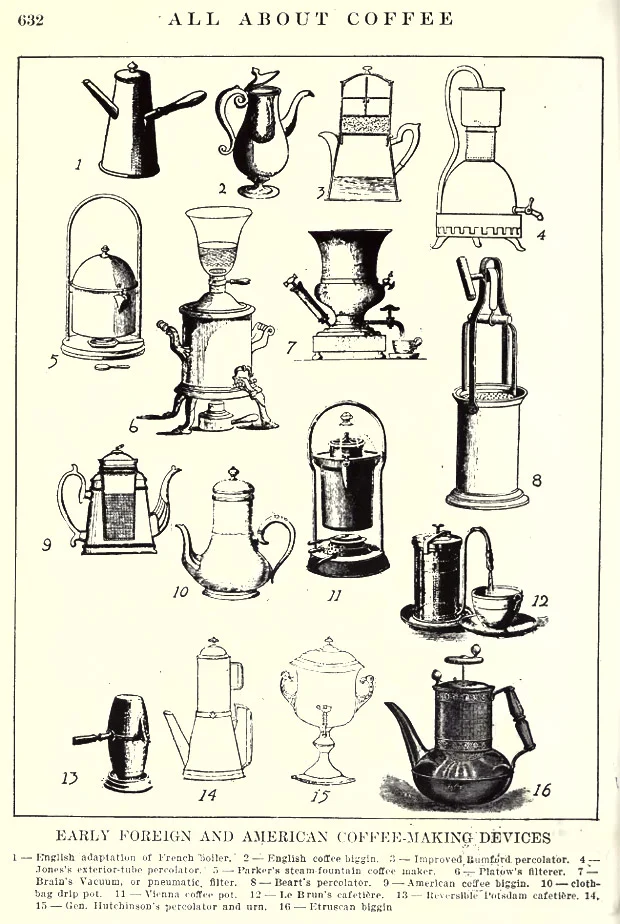
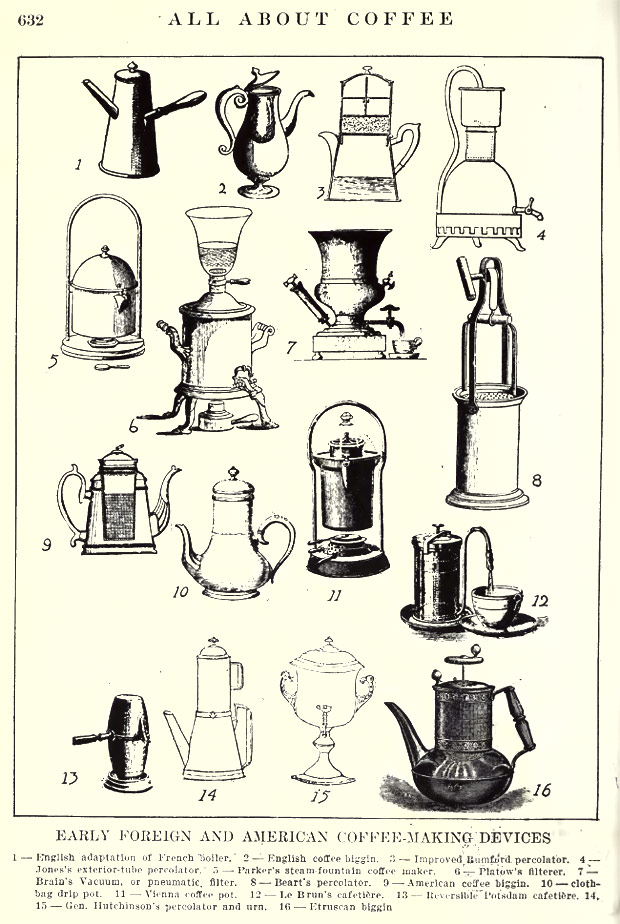
Illustrations from historical texts, such as W. A. Ukers’ 1922 tome "All About Coffee," reveal a long-standing fascination with optimizing coffee makers, showcasing a surprising diversity of designs even a century ago. This historical context underscores that the pursuit of the perfect cup, and the engineering challenges it presents, is far from a new endeavor.
Pour-Over Brewing: A Symphony of Variables
Pour-over brewing, the technique of pouring hot water over a bed of ground coffee and allowing gravity filtration to yield the brew, is deceptively simple in concept but profoundly complex in execution. The appeal lies in the barista’s ability to manipulate numerous parameters, each influencing the final cup profile. Beyond fundamental elements like brew ratio, grind size, water composition, and temperature, an array of other factors come into play:
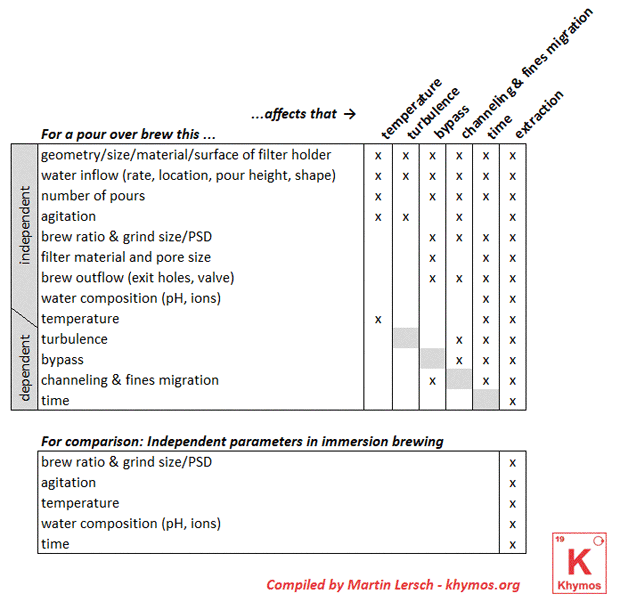
- Dripper Material and Insulation: The material of the filter holder (plastic, ceramic, glass, metal) affects thermal stability. Metal, being a good conductor, can lead to significant heat loss unless insulated (e.g., double-walled vacuum designs like the Fellow Stagg X/XF). Plastic or ceramic, with lower thermal conductivity, help maintain brew temperature, crucial for consistent extraction.
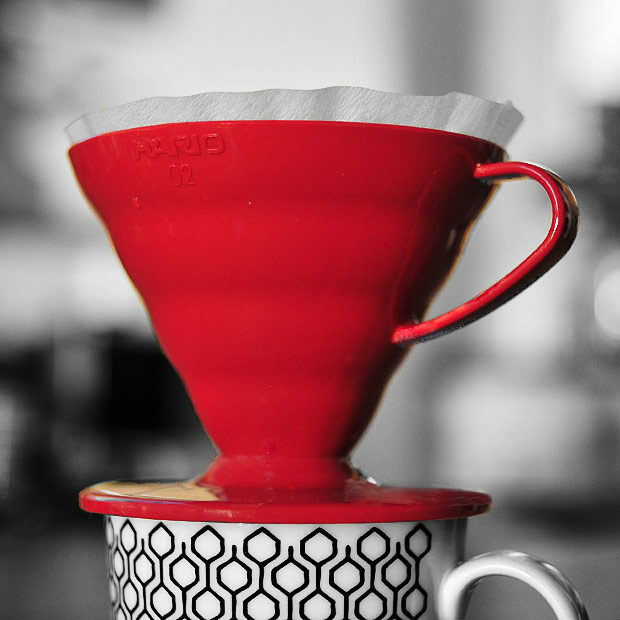
- Dripper Shape and Geometry: The internal geometry—tapered cones (Hario V60, Chemex), flat bottoms (Kalita Wave), or straight cylinders (Aeropress)—dictates the shape and depth of the coffee bed. A deep, narrow bed ensures extensive contact time but can slow flow, while a flatter, wider bed allows for faster flow but risks channeling, where water finds paths of least resistance, bypassing much of the coffee.
- Inside Wall Surface: The surface texture of the dripper’s interior (smooth, ridged, patterned) impacts how the filter paper adheres and, consequently, how water flows. Smooth surfaces (like Chemex) can create a seal, minimizing bypass, while ridges or patterns (like Hario V60) promote flow along the filter sides.
- Filter Type: The choice between plain, folded, or metal filters, and their respective pore sizes, significantly alters flow rate and particulate retention. Paper filters offer a clean cup by trapping fines and oils but can clog. Fluted or W-folded papers (Kalita Wave) increase surface area, mitigating clogging. Metal filters allow more fines and oils through, contributing to body but potentially increasing sediment and bitterness.
- Inflow Control: How water is introduced onto the coffee bed is critical. Uncontrolled pouring can disturb the bed, leading to uneven extraction and channeling. Tools like gooseneck kettles provide precise flow, while dedicated water distributors (e.g., Gabi Dripmaster B, Melodrip) ensure an even, gentle saturation of the grounds, promoting a flat, consistent bed.
- Exit Holes and Outflow Control: The number, size, and configuration of exit holes, along with any integrated valves, directly manage the draw-down time. A single large hole (Hario V60) allows for fast flow, demanding careful pouring technique. Multiple smaller holes (Kalita Wave) offer more flow consistency. Brewers with shut-off valves (Clever Dripper, Hario Switch) allow for an initial immersion phase followed by a controlled percolation, blending the benefits of both methods and providing greater control over contact time, especially when scaling recipes.
- Bypass: A critical and often underestimated factor, bypass refers to water that flows around the coffee bed rather than through it, effectively diluting the brew without contributing to extraction. This occurs when water finds easier routes, often along the filter paper’s sides, especially if the water level rises high above the coffee bed. Dripper designs with smooth inner walls that create a seal with the filter paper (Chemex) aim to minimize bypass. Conversely, ridges or fluted filters can inadvertently increase bypass. The goal, as championed by experts like Jonathan Gagné, is to ensure that only the coffee bed restricts water flow, maximizing extraction efficiency.
The sheer number of interacting variables creates a complex system, making pour-over brewing a continuous challenge for even experienced baristas. This complexity explains the proliferation of YouTube tutorials and diverse brewing "recipes," many of which fail to detail all parameters sufficiently, leading to inconsistent results even when followed meticulously. This variability can also foster "coffee preparation myths" based on anecdotal observations rather than systematic understanding.
Immersion Brewing: The Pursuit of Repeatability
In stark contrast to the dynamic control of pour-over, immersion brewing offers a robust and repeatable method, making it a favorite for those prioritizing consistency. In this technique, all coffee grounds are steeped in the full volume of hot water for a predetermined time, typically stirred to ensure full saturation and degasification. After steeping, the brew is separated from the grounds, often via pressure filtration.
The French press, with its characteristic wire mesh filter, is a quintessential immersion brewer. Its relatively coarse filtration allows fine particulate matter and oils into the cup, contributing to a full body and rich mouthfeel, albeit often with some sediment. While this can be a desired trait, the extended contact of fines can also contribute to bitterness. For a cleaner cup, a French press brew can be subsequently filtered through paper, removing fines and some oils, resulting in a lighter body but often a clearer flavor profile.
Other immersion methods, such as the Aeropress (especially when used inverted for full immersion) or the Clever Dripper (when its valve is closed), leverage pressure to expedite filtration, offering greater control over brew time regardless of grind size. This allows for precise manipulation of Total Dissolved Solids (TDS) and Extraction Yield (EY), both of which increase with contact time until equilibrium is approached.
While immersion brewing is often considered less "selective" than pour-over, it still involves a form of selective extraction. The typical coarser grind sizes and the rapid cooling of water below 90°C during the steeping phase prevent the over-extraction of undesirable compounds that might occur with finer grinds and higher, sustained temperatures. The robustness of immersion brewing means that two individuals following the same recipe are far more likely to produce similar results compared to pour-over, making it a highly reliable method for consistent quality.
The Unending Quest for the Ultimate Brew
The journey through coffee extraction reveals a fascinating tension: the complex, high-control world of pour-over versus the robust, repeatable domain of immersion. Neither is inherently "superior"; each offers distinct advantages and caters to different preferences and priorities.
The sheer ingenuity evident in the vast array of coffee makers available today, from the iconic Hario V60 to the innovative Tricolate, underscores the industry’s continuous effort to "untie the coffee knot." Inventors are constantly refining materials, geometries, and mechanisms to control temperature, flow, and bypass, all in pursuit of optimizing extraction. Devices like the Aeropress, Delter Coffee Press, and Tricolate, which employ cylindrical coffee beds and filter entirely below the coffee, exemplify efforts to eliminate uncontrolled bypass and maximize contact between water and grounds.
Ultimately, the quest for the "very best cup of coffee" remains an ongoing scientific and sensory exploration. As demonstrated by fictional characters like Gale Boetticher in "Breaking Bad," whose elaborate coffee setup highlighted the chemical precision involved, the allure of perfect extraction resonates deeply. Understanding the fundamental chemistry and physics behind each brewing parameter empowers both professional baristas and home enthusiasts to navigate this complex landscape, moving closer to their ideal cup, one meticulously crafted brew at a time. The continuous innovation in brewing equipment, coupled with a deeper scientific understanding, promises exciting developments in the pursuit of coffee perfection.