
The American Homebrewers Association (AHA) has officially released the January/February 2026 edition of Zymurgy, its flagship publication dedicated to the art and science of fermentation. This latest installment serves as a comprehensive guide for both amateur and professional zymologists, featuring a deep dive into the results of the prestigious Great American Beer Festival (GABF) Pro-Am Competition. Beyond the award-winning recipes, the issue explores the historical trajectory of legacy breweries, the technical evolution of the West Coast IPA, and the emerging craft beer culture in Mongolia. Led by Editor-in-Chief Dave Carpenter, the publication continues its decades-long tradition of providing peer-reviewed technical content, DIY innovations, and industry advocacy for the global homebrewing community.
The GABF Pro-Am Competition: Bridging the Gap Between Hobby and Industry
A central pillar of the January/February 2026 issue is the detailed coverage of the Pro-Am Competition medal winners. The Pro-Am Competition is a unique fixture of the Great American Beer Festival, organized by the Brewers Association. It provides a rare platform where American Homebrewers Association members can see their award-winning recipes scaled up and produced on professional commercial systems.
To qualify for the Pro-Am, a homebrewer must first win a medal in an AHA-sanctioned competition. Once qualified, they must find a professional brewery willing to sponsor and brew their recipe. This collaboration requires the homebrewer to adapt their small-batch techniques to large-scale industrial equipment, often moving from five-gallon carboys to 15- or 30-barrel fermenters. The 2026 issue documents the specific technical challenges faced by this year’s winners, offering a granular look at the recipe adjustments necessary to maintain flavor profiles during the scaling process.
The Pro-Am winners represent the vanguard of brewing innovation. Historically, many winners of this competition have transitioned into professional brewing, using their GABF accolades as a springboard for launching their own commercial enterprises. By highlighting these winners, Zymurgy provides its readers with a roadmap for professional development and a benchmark for quality that transcends the hobbyist level.
The Evolution of the West Coast IPA: A Technical Retrospective
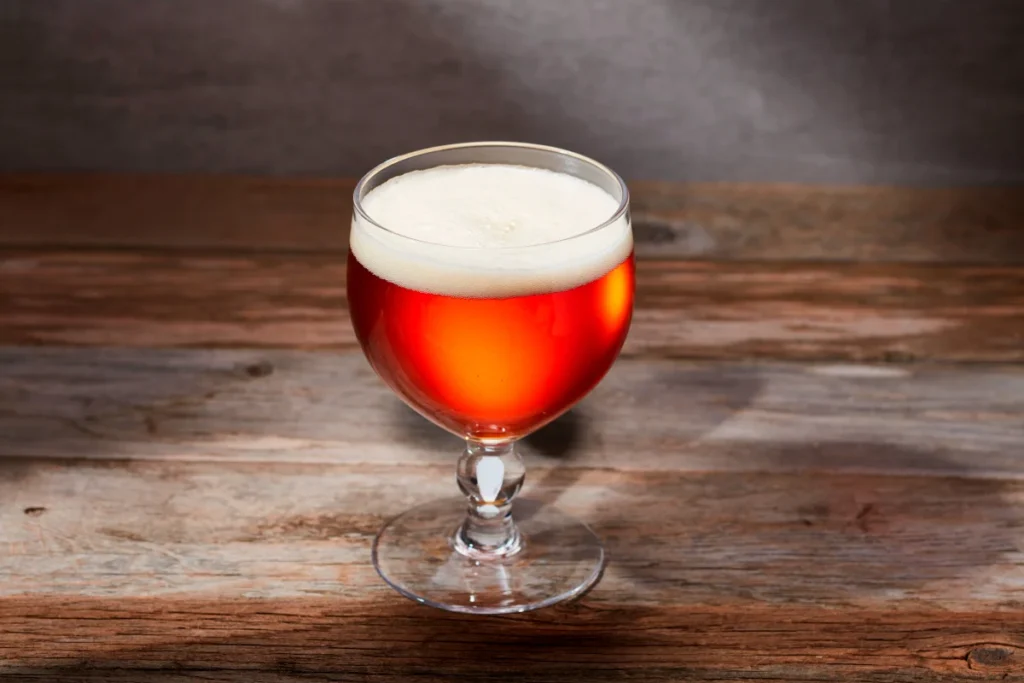
The West Coast IPA remains one of the most influential styles in the history of American craft beer, and the latest issue of Zymurgy provides a comprehensive analysis of its evolution. From its origins in the early 1990s—characterized by high bitterness and a clear, amber-to-gold appearance—the style has undergone significant transformations.
The article traces the style’s journey from the "bitterness wars" of the early 2000s to the modern era, where hop aroma and flavor intensity take precedence over raw International Bitterness Units (IBUs). Readers are introduced to the shift in dry-hopping techniques, including the use of cryo-hops and advanced hop extracts that allow for "cleaner" profiles without the vegetal astringency often associated with heavy hop loads.
Furthermore, the issue examines how the West Coast IPA has reclaimed its identity in the wake of the New England (Hazy) IPA craze. The "Modern West Coast IPA" is described as a style that retains the clarity and crisp finish of its predecessors but incorporates the tropical and citrus-forward hop varieties popularized by the hazy movement. This synthesis of old and new school techniques is supported by several of the 11 recipes included in the issue, providing homebrewers with the tools to recreate these contemporary classics.

Legacy Breweries: Preserving Tradition in a Rapidly Shifting Market
As the craft beer industry matures, the concept of the "legacy brewery" has become increasingly significant. The January/February 2026 issue features an in-depth exploration of breweries that have survived for three decades or more. These institutions, such as Sierra Nevada, Boston Beer Company, and others, serve as the bedrock of the industry.
The reporting focuses on how these legacy brands balance the need for innovation with the preservation of the flagship brands that built their reputations. In an era where consumer preferences shift rapidly toward hard seltzers, ready-to-drink (RTD) cocktails, and non-alcoholic options, legacy breweries face the unique challenge of maintaining brand loyalty among older demographics while appealing to a younger, more adventurous generation.
The analysis provided by Zymurgy suggests that the survival of these breweries depends on their ability to act as mentors within the brewing community. By participating in Pro-Am competitions and sharing technical data with the AHA, these industry giants ensure that the foundational knowledge of brewing—consistency, sanitation, and quality control—is passed down to the next generation of brewers.
Global Frontiers: The Rise of Craft Brewing in Mongolia
In a move to expand the magazine’s international scope, the 2026 issue takes readers to the steppes of Mongolia. While Mongolia has a long history of traditional fermented beverages, such as Airag (fermented mare’s milk), the modern craft beer scene in Ulaanbaatar is a relatively recent phenomenon.
The feature explores the logistical hurdles of brewing in one of the most landlocked and climatically extreme countries in the world. From sourcing high-quality malt and hops to managing fermentation temperatures in a region where winter temperatures can drop below -40 degrees Celsius, Mongolian brewers are demonstrating remarkable resilience.
This section of the magazine serves as a case study in global brewing adaptability. It highlights how the universal language of beer is being adapted to incorporate local ingredients and cultural nuances, providing a fresh perspective for American homebrewers who may take easy access to ingredients and climate-controlled environments for granted.
Technological Advancements and Brewing Gadgets
The "Brewing Gadgets" segment of the issue addresses the increasing professionalization of homebrewing equipment. The market for homebrewing technology has seen a surge in automated systems, digital refractometers, and smart fermentation monitors that provide real-time data to mobile devices.
Zymurgy’s review of the latest gadgets focuses on utility and data accuracy. The magazine evaluates how these tools can help brewers eliminate variables and achieve the level of consistency required for competition-grade beer. For many members of the AHA, the transition from manual "bucket brewing" to high-tech, all-in-one electric brewing systems represents the natural progression of the hobby. The issue provides a critical look at whether these investments truly improve the final product or simply simplify the labor-intensive aspects of the brew day.
Leadership and Editorial Vision: Meet Dave Carpenter
At the helm of this issue is Editor-in-Chief Dave Carpenter, a seasoned brewer and writer who has been a prominent voice in the community since 2009. Carpenter’s vision for Zymurgy is one that balances technical rigor with the adventurous spirit of the hobby. His background in hiking and travel is reflected in the magazine’s commitment to exploring global brewing cultures, while his passion for linguistics ensures that complex scientific concepts are communicated clearly to a broad audience.
Under Carpenter’s leadership, Zymurgy has reinforced its position as a "members-only" resource that provides value through validated recipes and exclusive content. The January/February 2026 issue continues this strategy by offering a "Free Zymurgy Online Preview" to entice new members while reserving the most in-depth technical articles and the full suite of 11 recipes for paying AHA members.
Broader Impact and Industry Implications
The release of this issue comes at a pivotal time for the American brewing industry. According to data from the Brewers Association, while the explosive growth of the 2010s has leveled off, the homebrewing community remains a vital engine for innovation and economic activity. There are an estimated 1.1 million homebrewers in the United States, and their collective spending on ingredients and equipment contributes significantly to the specialty agricultural and manufacturing sectors.
Furthermore, the American Homebrewers Association plays a crucial role in legislative advocacy. The AHA was instrumental in the federal legalization of homebrewing in 1978 and continues to work at the state level to modernize laws regarding the transportation and sharing of homebrewed beverages. The content within Zymurgy often mirrors these advocacy efforts, educating members on how to engage with local and national policy.
The inclusion of 11 specific recipes in this issue is more than just a convenience for readers; it is a transfer of intellectual property that fuels the hobby. These recipes, often sourced from award-winning brewers, allow the average enthusiast to experiment with professional-grade formulations. This democratization of brewing knowledge is essential for the continued health of the craft beer ecosystem, ensuring that the pipeline of talent from the garage to the commercial brewhouse remains open.
As the industry looks toward the remainder of 2026, the themes highlighted in this issue of Zymurgy—collaboration, technical evolution, global expansion, and the honoring of legacy—will likely define the conversation. Whether it is through a scaled-up Pro-Am recipe or a small-batch experiment inspired by Mongolian techniques, the magazine remains a primary catalyst for the advancement of the brewing craft.