
The landscape of the American culinary industry is currently witnessing a significant shift as traditional, complex international flavors move from niche ethnic enclaves to mainstream menu staples. Among these, mole—the legendary, multifaceted sauce of Mexico—has emerged as a focal point for consumers and a strategic opportunity for restaurant operators. Recently designated as a "blazing" trend on Technomic’s Q1 2026 Buzz Barometer, mole represents a unique intersection of cultural heritage, culinary complexity, and consumer demand for "craveable" global flavors. This designation by Technomic serves as a critical signal for operators, suggesting that the integration of mole into diverse menu formats is no longer a peripheral consideration but a timely necessity for those looking to capture evolving market interest.
Understanding the Anatomy and Heritage of Mole
Mole is far more than a simple condiment; it is a foundational pillar of Mexican gastronomy that carries centuries of history. Originating from the Nahuatl word mōlli, meaning "sauce" or "concoction," the dish is most famously associated with the regions of Puebla and Oaxaca. Historically, mole has been reserved for significant life events—weddings, baptisms, and patron saint festivals—primarily due to the staggering labor and resource intensity required for its preparation.
The complexity of mole lies in its ingredient list, which typically ranges from 20 to 30 items but can, in artisanal iterations, exceed 100 distinct components. A traditional Mole Rojo or Mole Poblano involves a delicate balance of dried chiles (such as ancho, mulato, and pasilla), nuts, seeds, spices, and the ingredient that often surprises uninitiated diners: Mexican chocolate. The chocolate provides a deep, earthy bitterness and a velvety texture rather than a direct sweetness, acting as a bridge between the heat of the chiles and the richness of the toasted nuts.
The preparation process is a multi-day endeavor. It begins with the meticulous deseeded and toasting of chiles, followed by the frying of aromatics and the grinding of ingredients into a thick, concentrated paste. This paste is then slowly simmered with stock, requiring constant attention to prevent scorching and to allow the diverse flavors to meld into a singular, harmonious profile. For modern commercial kitchens, this level of labor intensity often presents a barrier to entry, despite the high consumer appeal of the finished product.
Analyzing Current Market Data and Consumer Behavior
The surge in mole’s popularity is well-documented by industry analysts. According to 2026 Technomic data, enchiladas remain the primary vehicle for mole, seeing a 3 percent increase in menu penetration over the past year. However, the most significant growth is occurring in non-traditional dayparts and formats. Datassential’s 2026 reports indicate that mole has seen a 12 percent increase on breakfast menus over the last 12 months, signaling a shift in how Western consumers perceive savory, spicy profiles in the morning.
The versatility of the sauce is further evidenced by its 8 percent growth on dinner menus and a 4 percent rise on all-day menus. This data suggests that mole is moving beyond the "Mexican restaurant" silo and finding a home in gastropubs, breakfast cafes, and fast-casual fusion concepts. Specific protein pairings are also seeing a notable uptick; pork tacos featuring mole have seen a staggering 50 percent increase in menu mentions, while grilled chicken—which already enjoys a 54 percent penetration rate in the industry—is seeing 14.3 percent growth when specifically paired with mole.
This growth is driven by a consumer base that is increasingly literate in global cuisines. Modern diners, particularly those in the Millennial and Gen Z demographics, prioritize authenticity and "flavor adventure." Mole delivers on both fronts, offering a taste profile that is rich, balanced, and deeply rooted in tradition, providing the "layering" of flavors that is often missing from more simplified sauces.
Operational Challenges and the Evolution of BOH Solutions
Despite the clear demand, the "labor of love" aspect of mole creates a significant friction point for operators. The hospitality industry continues to grapple with chronic labor shortages, rising food costs, and the need for high-speed execution. For many kitchens, dedicating a line cook to a 12-hour sauce preparation process is financially and logistically unfeasible.
This operational gap has led to a rise in high-quality, back-of-house (BOH) solutions that allow for "low-to-no-labor" integration. The DOÑA MARÍA® brand, a subsidiary of MegaMex Foods, has positioned itself as the industry standard in this regard. With a century-long history, the brand offers a Mole Rojo that replicates the traditional flavor profile while removing the technical barriers of preparation.
To further address the realities of a professional kitchen, MegaMex Foods has introduced logistical innovations such as shatterproof jars. This seemingly minor change addresses critical safety and waste concerns in high-volume environments, allowing chefs to store and handle the product with greater efficiency. By utilizing a proven base like DOÑA MARÍA®, operators can maintain consistency across multiple locations—a feat that is nearly impossible with scratch-made mole—while still delivering the authentic "from-scratch" taste that diners expect.
Strategic Menu Integration Across Dayparts
The true potential of mole lies in its ability to be "upcycled" across various menu items. While enchiladas are the traditional choice, creative chefs are leveraging mole’s complex umami profile to enhance a wide range of dishes:
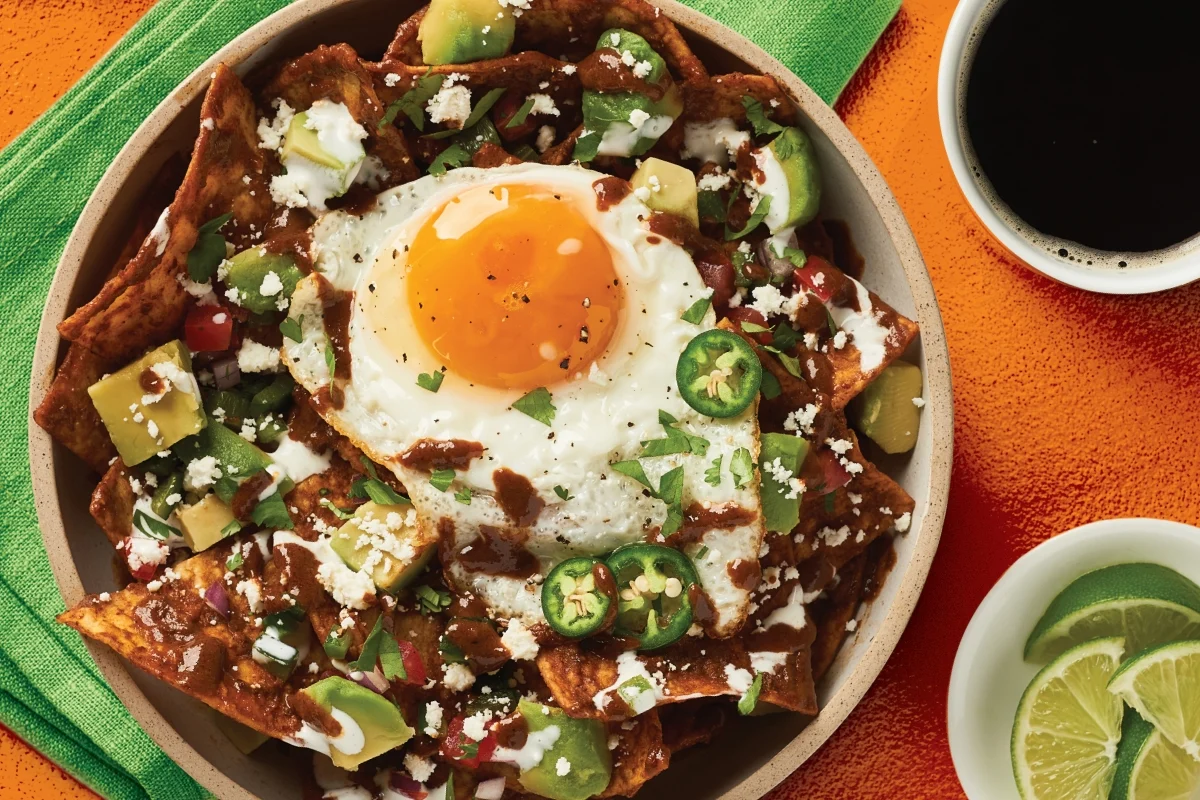
- Breakfast and Brunch: The 12 percent growth in this sector is largely attributed to dishes like chilaquiles and "Huevos Divorciados." Mole provides a sophisticated alternative to standard salsa, pairing exceptionally well with the richness of egg yolks and the acidity of pickled onions.
- Handhelds and Sandwiches: Integrating mole into a chicken sandwich or using it as a spread for a torta adds a premium element to a high-volume category. The sauce’s thickness ensures it stays on the bread without making it soggy, a common issue with thinner hot sauces.
- Modern Appetizers: Mole-glazed chicken wings or "mole fries" (topped with mole, queso fresco, and cilantro) offer a Mexican-inspired twist on classic American bar food.
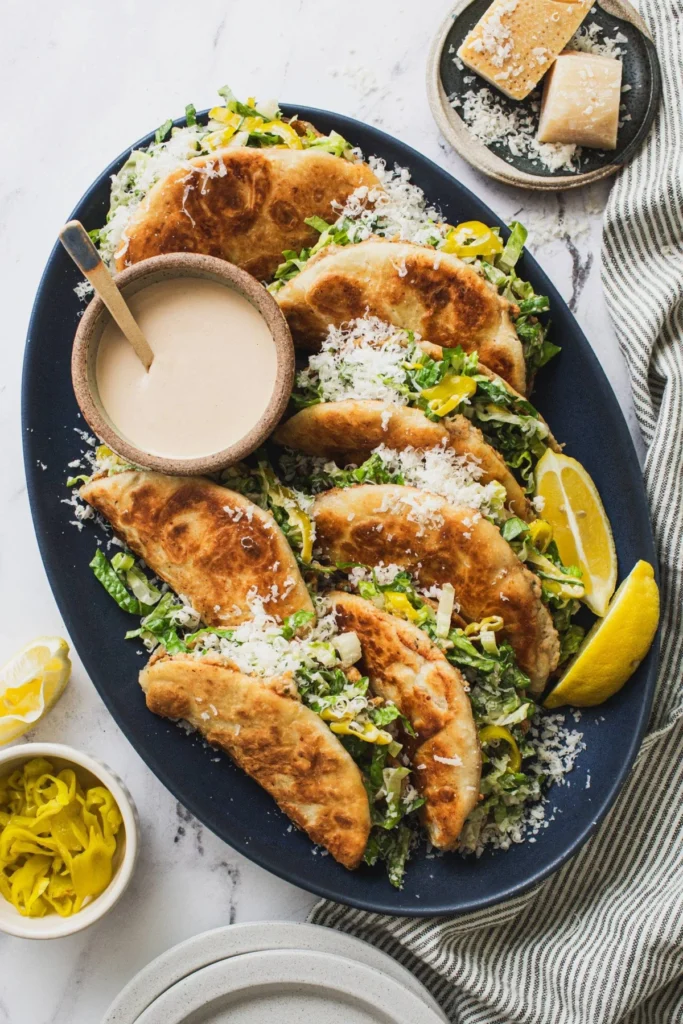
- Lighter Fare: A surprising but effective application is the use of mole as a base for vinaigrettes. When thinned with citrus and oil, the earthy notes of the mole provide a robust foundation for Southwestern-style salads featuring roasted corn, black beans, and avocado.
The Economic Impact and Industry Implications
The rise of mole is indicative of a broader trend in the foodservice industry: the "premiumization" of ethnic sauces. As consumers become more discerning, they are willing to pay a premium for dishes that offer a story and a complex flavor experience. For operators, adding mole to a dish—whether as a primary sauce or a secondary drizzle—allows for a higher price point and increased perceived value.
Furthermore, the adoption of mole reflects the industry’s response to the "global pantry" movement. Restaurants are no longer strictly defined by a single cuisine; instead, they are incorporating high-impact ingredients from around the world to create "fusion" menus that appeal to a broad audience. Mole, with its combination of sweet, savory, and spicy notes, is perhaps the ultimate "fusion" ingredient, capable of complementing everything from traditional braised meats to contemporary plant-based proteins.
Chronology of a Trend: From Tradition to "Blazing" Status
The journey of mole from a regional Mexican specialty to a "blazing" trend in the U.S. market followed a distinct timeline:
- Pre-2010s: Mole remained largely confined to authentic Mexican "mom-and-pop" establishments and high-end fine dining restaurants specializing in Mexican gastronomy.
- 2015–2020: The rise of "foodie" culture and social media platforms like Instagram began to highlight the visual and culinary complexity of mole, sparking curiosity among a wider audience.
- 2021–2024: Post-pandemic, as operators sought ways to simplify menus while maintaining high flavor impact, prepared mole solutions began to gain traction in professional kitchens.
- 2025–2026: Market research firms like Technomic and Datassential confirmed the mainstreaming of the trend, noting significant growth in diverse menu categories and identifying it as a top-priority item for restaurant R&D teams.
Conclusion: Turning Culinary Ambition into Practical Reality
The data is clear: mole is no longer just a traditional sauce; it is a strategic asset for the modern operator. As the industry moves into 2026, the ability to offer authentic, complex flavors without overextending kitchen resources will be a key differentiator in a competitive market.
By leveraging heritage brands like DOÑA MARÍA® and embracing the versatility of the sauce across breakfast, lunch, and dinner, operators can meet the growing consumer demand for global authenticity. Mole represents the future of flavor—a perfect balance of tradition and innovation that turns culinary ambition into a practical, profitable reality for restaurants of all sizes. As the "blazing" trend continues to gain heat, those who act quickly to integrate this ancient sauce into modern formats are likely to see the greatest return in both consumer loyalty and bottom-line growth.