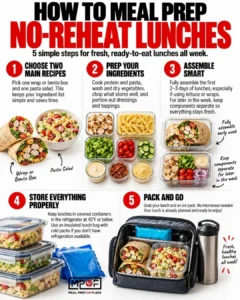

The modern grocery store can feel like a labyrinth of choices, each product vying for attention with promises of health, convenience, or flavor. For many consumers, navigating the back of these packages, deciphering the dense information on a Nutrition Facts label, can transform a simple shopping trip into a daunting analytical exercise. However, understanding these labels is a crucial step toward making informed dietary decisions that align with personal health goals, especially for those focused on meal preparation and maintaining a balanced diet amidst busy schedules. This guide aims to demystify the nutrition label, transforming it from an intimidating document into a practical tool for better grocery shopping and more effective meal planning.
The Evolving Landscape of Nutrition Labeling
The Nutrition Facts label, a staple on packaged foods in many countries, has undergone significant revisions over the years to better reflect current nutritional science and consumer needs. In the United States, for example, the Food and Drug Administration (FDA) mandated a significant overhaul of the label, which began to appear on products in January 2020. Key changes included updating serving sizes to reflect more realistic consumption patterns, increasing the font size for "Calories," "Servings Per Container," and "Serving Size," and adding a new line for "Added Sugars." These updates were designed to make the information more accessible and actionable, empowering consumers to make healthier choices more easily. The inclusion of "Added Sugars" is particularly noteworthy, as it distinguishes sugars naturally present in foods like fruit and milk from those added during processing, which are often linked to negative health outcomes when consumed in excess.
Decoding the Essentials: A Strategic Approach to Nutrition Labels
The sheer volume of information on a nutrition label can be overwhelming. However, a focused approach, prioritizing key components, can significantly simplify the process. The goal is not perfection in every dietary choice, but rather a consistent effort toward making better decisions with reduced stress.
1. The Cornerstone: Understanding Serving Size
The very first element to scrutinize on any nutrition label is the "Serving Size." This figure dictates the context for all the other nutritional information presented. The FDA emphasizes that the values for calories, fat, sodium, and other nutrients are based on this specified serving, not necessarily the entire package contents. This is a critical distinction, as many packages contain multiple servings. For instance, a seemingly small bag of granola might list a serving size of half a cup, but the entire bag could contain three or more servings. Consuming the entire package without acknowledging the serving size can lead to a significant underestimation of calorie and sugar intake.
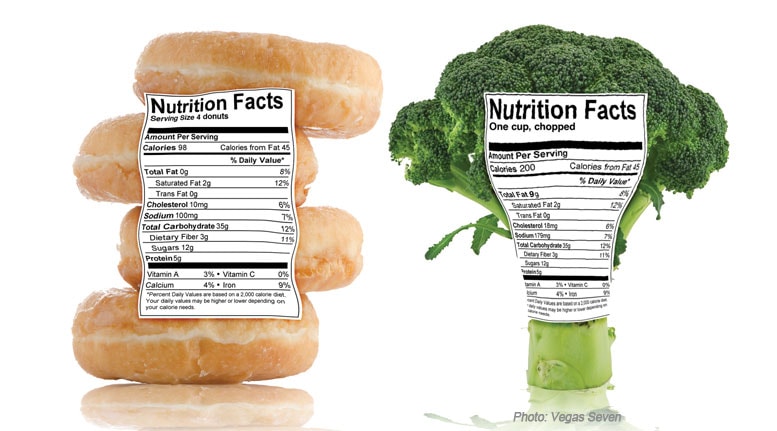
A practical rule of thumb is to immediately assess if the listed serving size aligns with how you intend to consume the product. For snacks, cereals, sauces, frozen meals, and beverages, this quick check can prevent unintended overconsumption. Asking yourself, "Is this a realistic portion for me?" can set the stage for accurate nutritional assessment.
2. Calories: Context Over Obsession
Calories are a fundamental component of energy balance, but their significance is often overemphasized in isolation. Instead of fixating on whether a food is "low calorie," it’s more beneficial to consider calories within the broader context of the meal’s nutritional composition. A 500-calorie meal that is rich in lean protein, fiber-rich carbohydrates, vegetables, and healthy fats can be a highly satiating and nutrient-dense option. Conversely, a 500-calorie snack that offers little nutritional value and leaves you feeling hungry shortly after consumption is less effective for sustained energy and satiety.
The more pertinent question to ask is: "Does this food contribute positively to my overall meal and energy needs?" This perspective shifts the focus from mere calorie counting to evaluating the quality and satiety of the food within your dietary plan.
3. The Satiety Factor: Prioritizing Protein and Fiber
Protein and fiber are often considered the cornerstones of a satisfying and nutrient-dense diet, playing a vital role in meal prep strategies.
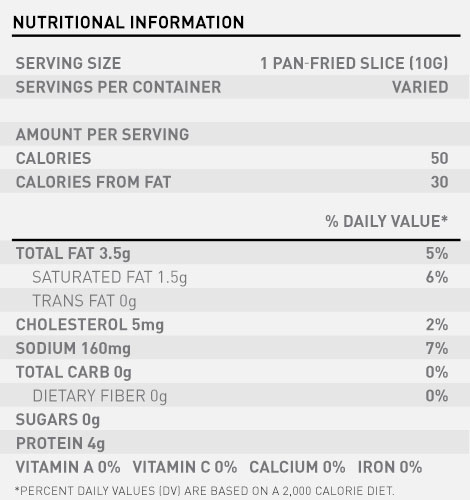
Protein’s Role: Protein is crucial for satiety, helping to curb hunger and prevent overeating between meals. For individuals relying on meal prep, ensuring adequate protein content in each meal is paramount to avoiding afternoon energy slumps and the temptation to reach for less healthy snacks. When comparing similar packaged products, such as yogurts, wraps, frozen meals, or snack bars, the protein content can be a decisive factor in choosing the option that best supports your weekly dietary goals. Excellent protein sources include lean meats, poultry, fish, eggs, dairy products, legumes, tofu, tempeh, and nuts.
Fiber’s Contribution: Dietary fiber is equally important for promoting fullness and aiding digestion. Foods high in fiber often indicate the presence of beneficial ingredients like whole grains, beans, lentils, vegetables, fruits, nuts, and seeds. The FDA’s general guideline for daily fiber intake is 28 grams for a 2,000-calorie diet. When selecting packaged foods, opting for those with higher fiber content can enhance the meal’s staying power, making it more effective for meal prep. This is particularly relevant for items like cereals, granola, bread, crackers, and frozen meals.
4. Navigating Sugars: Understanding Added vs. Natural
The updated Nutrition Facts label’s explicit listing of "Added Sugars" is a significant advancement. This section distinguishes between sugars that occur naturally in foods like fruits and milk and those that are added during processing. The FDA provides a useful benchmark: 5% Daily Value (DV) or less of added sugars per serving is considered low, while 20% DV or more is considered high.
While complete sugar avoidance may not be realistic or desirable for everyone, understanding the source and quantity of added sugars is crucial. Common culprits where added sugars tend to hide include:

- Sauces and Condiments: Ketchup, barbecue sauce, salad dressings, and marinades often contain substantial amounts of added sugar.
- Cereals and Granola Bars: Many breakfast cereals and granola bars are laden with added sugars to enhance palatability.
- Yogurt: Flavored yogurts, in particular, can be high in added sugars, often masking their tartness.
- Beverages: Sugary drinks, including sodas, fruit juices with added sugar, and sweetened teas, are major contributors to excess sugar intake.
- Baked Goods and Desserts: While expected, the quantity of added sugar in these items can still be surprising.
The question to ask is: "Is the sweetness provided by added sugars worth the nutritional trade-off here?" This prompts a mindful consideration of whether the sugar contributes meaningfully to the food’s overall benefit or is simply a flavor enhancer that could be minimized.
5. The Sodium Factor: Balancing Flavor and Health
Sodium, an essential mineral, plays a role in fluid balance and nerve function. However, excessive intake, particularly from processed foods, is linked to increased blood pressure and other cardiovascular health issues. The FDA sets the Daily Value for sodium at 2,300 milligrams per day.
Packaged foods, frozen meals, sauces, deli meats, soups, and seasoning blends are notorious for their high sodium content. When meal prepping, it is essential to be mindful of the cumulative sodium intake from various components of a meal. For example, a meal might include a high-sodium sauce, processed meat, and a seasoned side dish, quickly escalating the total sodium content.
A strategic approach involves balancing high-sodium ingredients with lower-sodium alternatives. If a particular sauce is high in sodium, pairing it with plain rice, an abundance of fresh vegetables, homemade sauces with minimal salt, or herbs and lemon juice can help create a more balanced meal. This strategy emphasizes moderation and smart pairing rather than outright restriction.

6. Fats: Understanding Type and Balance
Fat is not inherently detrimental; in fact, it is vital for nutrient absorption, hormone production, and providing satiety. The key lies in understanding the types of fats and their overall balance within a food. Focus should be placed on distinguishing between healthier unsaturated fats and less desirable saturated and trans fats.
Key areas to consider regarding fats include:
- Saturated Fat: The FDA recommends limiting saturated fat intake. A Daily Value of 20 grams per day is often cited for a 2,000-calorie diet. While some saturated fat is acceptable, excessive consumption can negatively impact cholesterol levels.
- Trans Fat: Artificial trans fats, often found in partially hydrogenated oils, are particularly detrimental to heart health and should be avoided as much as possible. The FDA has largely banned artificial trans fats, but it’s still wise to check labels for "partially hydrogenated oils."
- Unsaturated Fats: Monounsaturated and polyunsaturated fats, found in sources like avocados, nuts, seeds, and olive oil, are considered heart-healthy.
Foods rich in beneficial fats include avocados, nuts, seeds, olive oil, fatty fish (like salmon and mackerel), and vegetable oils (like canola and soybean oil). The goal is not to eliminate fat but to prioritize healthier sources and consume them in moderation as part of a balanced dietary pattern.
7. The Ingredient List: A Window into Composition
Beyond the quantitative data on the Nutrition Facts panel, the ingredient list offers qualitative insights into a product’s composition. Ingredients are listed in descending order by weight, meaning the most abundant ingredient appears first. This hierarchy provides a straightforward way to understand what a food is primarily made of.

If sugar, refined flour, or certain oils are among the first few ingredients, it signals that these components constitute a significant portion of the product. This information, while not an automatic disqualifier, warrants further consideration.
Key questions to ask when reviewing ingredient lists include:
- What is the first ingredient? Does it align with your dietary goals?
- How many ingredients are there? Shorter lists often indicate simpler, less processed foods.
- Are there ingredients you don’t recognize or can’t pronounce? While not always a negative, unfamiliar ingredients might suggest a highly processed product.
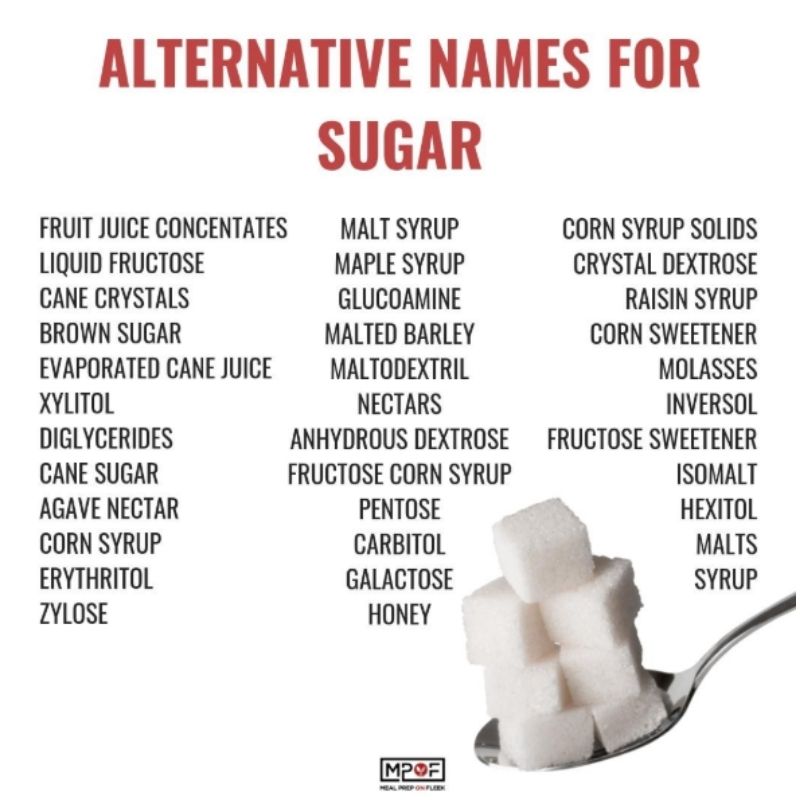
- Is sugar listed in various forms (e.g., high-fructose corn syrup, dextrose, sucrose)? This can indicate a higher overall sugar content than might be apparent from the "Added Sugars" line alone.
- Are there artificial colors, flavors, or preservatives? Your preference for these will influence your purchasing decision.
The aim is for ingredient lists to "make sense" in relation to the product’s intended purpose and your personal dietary preferences.
8. The Front-of-Package Claims: A Marketing Layer
Food packaging is inherently designed to capture consumer attention. Claims such as "low-fat," "high-protein," "organic," or "keto-friendly" on the front of the package are often marketing tools. While some claims are regulated by bodies like the FDA, they do not always tell the complete story. "Low-fat" does not automatically equate to a healthy food, as it might be high in sugar or sodium to compensate for flavor. Similarly, "high-protein" does not guarantee a balanced nutritional profile. "Organic" ensures certain farming and processing standards but does not inherently mean lower calories or sugar.
The golden rule is to always flip the package over and examine the Nutrition Facts label and ingredient list. The front of the package can pique interest, but the back provides the data for informed decision-making.
9. Contextualizing for Meal Building
Perhaps the most empowering aspect of reading nutrition labels is to shift from judging individual foods in isolation to assessing how they fit into the larger picture of a meal. This approach, integral to effective meal preparation, allows for flexibility and accommodates varying nutritional needs within a single dish.
- Pasta Sauce: When selecting pasta sauce, key considerations include added sugars, sodium, and overall calories. If the sauce is slightly higher in sodium, it can be balanced by pairing it with lean protein sources like ground turkey, whole-grain pasta, and a generous portion of vegetables.
- Yogurt: For meal prep snacks, yogurt should ideally offer a substantial protein content to promote satiety. Checking for added sugars is also crucial, as many flavored varieties can be surprisingly sweet.
- Frozen Meals: Frozen meals can be convenient, but scrutinizing their nutrition labels is essential. Look at sodium, saturated fat, and added sugars. Consider whether the meal needs augmentation with additional vegetables, a side salad, or a piece of fruit to create a more complete and balanced meal.
This contextual approach transforms the nutrition label from a set of rigid rules into a flexible guide for constructing meals that are both healthy and enjoyable.
Understanding Common Labeling Terms
Familiarity with common labeling terms can further aid in deciphering nutrition information:
| Term | Definition (per serving, unless otherwise noted) |
|---|---|
| Fat-free | Less than 0.5g fat |
| Calorie-free | Less than 5 calories |
| % Fat-Free | 95% fat-free or more |
| Saturated Fat-Free | Less than 0.5g saturated fat |
| Low-Fat | 3g fat or less |
| Low-Calorie | 40 calories or less |
| Low-Sodium | 140mg sodium or less |
| High-Fiber | 5g fiber or more |
It is crucial to remember that these terms provide a general indication, and always referring to the detailed Nutrition Facts panel offers a more precise understanding of the product’s nutritional profile.
Beyond the Label: A Holistic View of Food
While nutrition labels are indispensable tools, understanding your food extends beyond the numbers. Considering the origin, processing, and broader implications of ingredients can further enhance informed choices.
Organic and Non-GMO Considerations
- USDA Organic: This certification signifies adherence to strict standards, including the prohibition of genetically modified organisms (GMOs), synthetic pesticides, and artificial fertilizers. Organic does not automatically imply lower calories or sugar, so checking the Nutrition Facts label remains essential.
- GMOs: Genetically modified organisms are present in various crops, including corn, soybeans, canola, and sugar beets, which are common ingredients in processed foods. Labels like "Non-GMO Project Verified" can help identify products free from these ingredients. Understanding which crops are commonly genetically modified can inform choices regarding packaged foods, animal feed, and certain produce.
- Produce Stickers (PLU Codes): While PLU codes can indicate organic produce (typically a five-digit code starting with "9"), they are primarily for retail purposes and should not be the sole determinant of a product’s origin or processing.
The Broader Impact of Food Choices
- Prioritizing Fruits and Vegetables: Regardless of organic or conventional status, increasing the consumption of fruits and vegetables is a universally beneficial dietary strategy. Budget constraints should not deter individuals from incorporating produce into their diets.
- Packaged Food Ingredients: When opting for packaged goods, checking ingredient lists for signs of GMO-derived components (cornstarch, soybean oil, etc.) is a common practice for those seeking to avoid them.
- Animal Products: Meat, dairy, and eggs may come from animals fed GMO feed. Certified organic or verified non-GMO labels address this concern. However, individual priorities regarding cost, availability, and specific nutritional benefits will influence these choices.
- Seafood Sourcing: Some farmed fish may be fed GMO-containing feed. Wild-caught options or verified sustainable sources can be preferable for those with specific concerns.
- Frozen Produce: Frozen fruits and vegetables are excellent meal prep staples, offering convenience and longevity. While generally safe, those concerned about GMOs should look for organic or non-GMO verified options.
- Pantry Staples: Dry beans, lentils, rice, oats, nuts, and seeds are versatile, budget-friendly meal prep foundations. Seasoned or flavored versions, however, may contain hidden sugars, sodium, or oils.
Conclusion: Empowering Informed Choices
Ultimately, understanding nutrition labels is about empowerment. It is about gaining the knowledge to make conscious decisions that align with personal health and wellness goals, without succumbing to overwhelm or obsession. By focusing on key nutrients, understanding serving sizes, and contextualizing information within the framework of meal preparation, consumers can transform grocery shopping from a chore into a strategic part of a healthy lifestyle. The goal is not to fear food or adhere to rigid restrictions, but to cultivate confidence in the choices made and to build a sustainable approach to eating well.