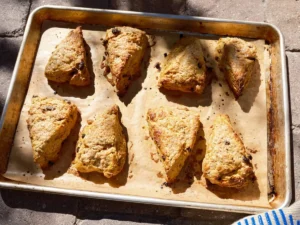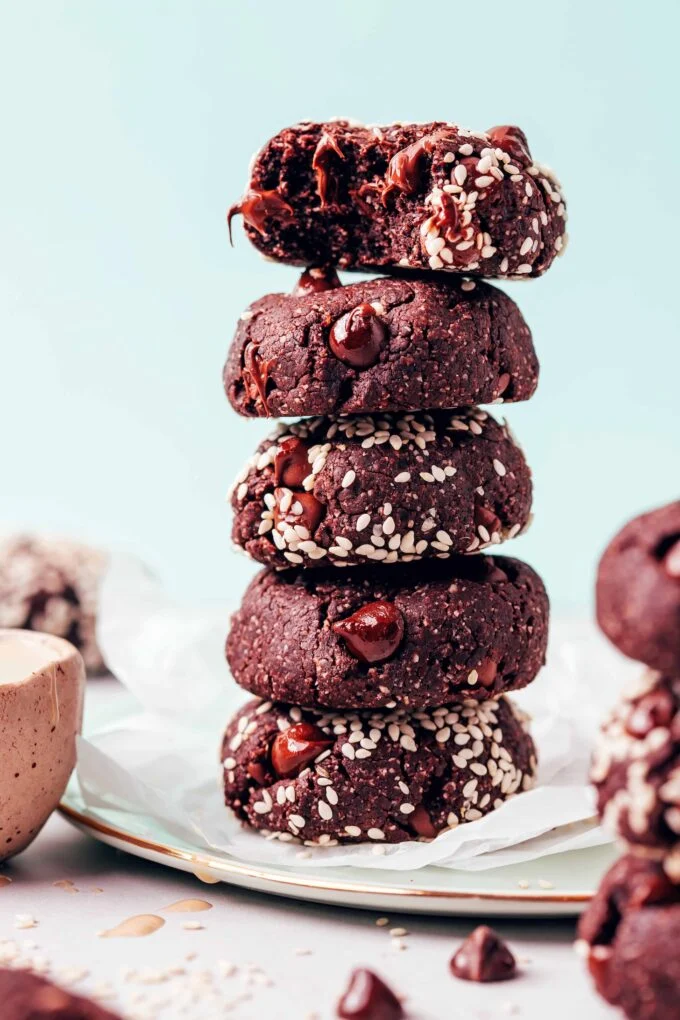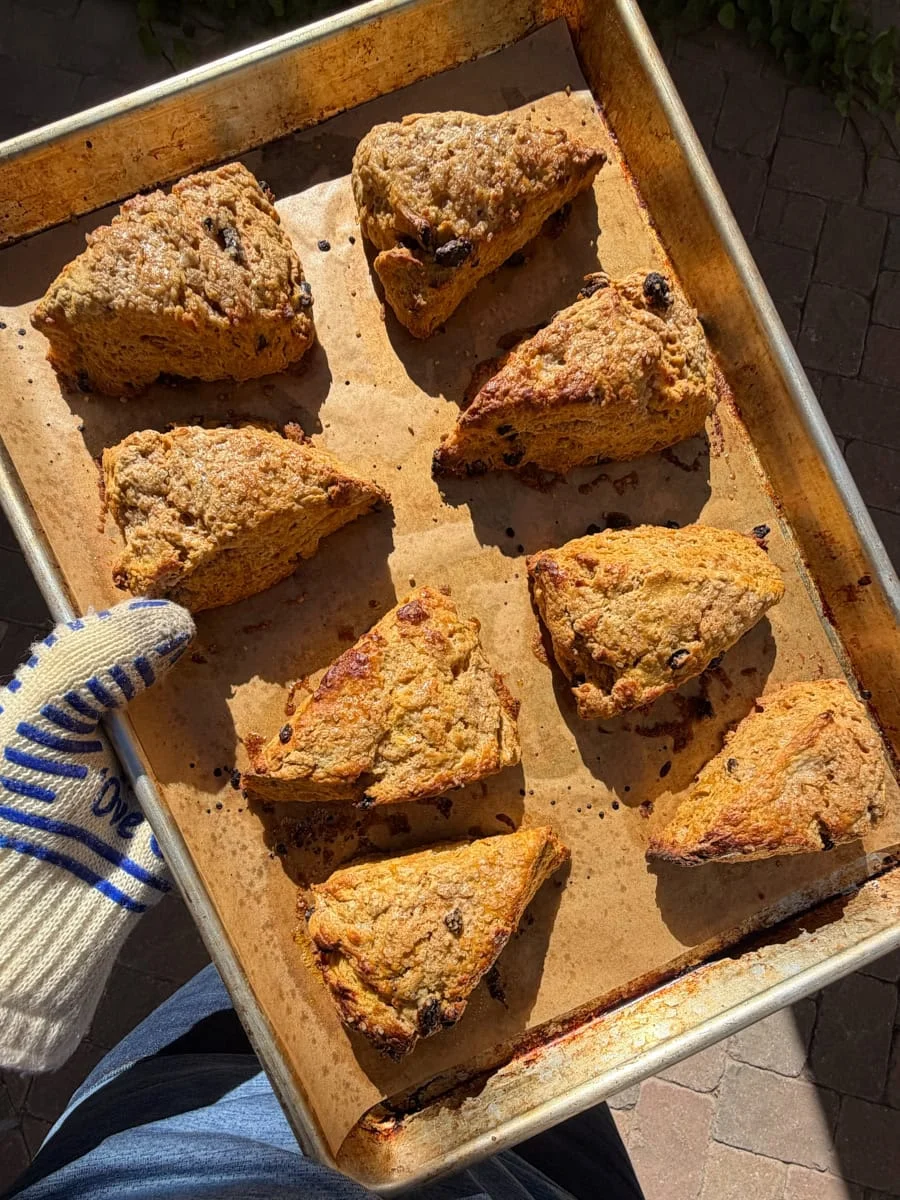

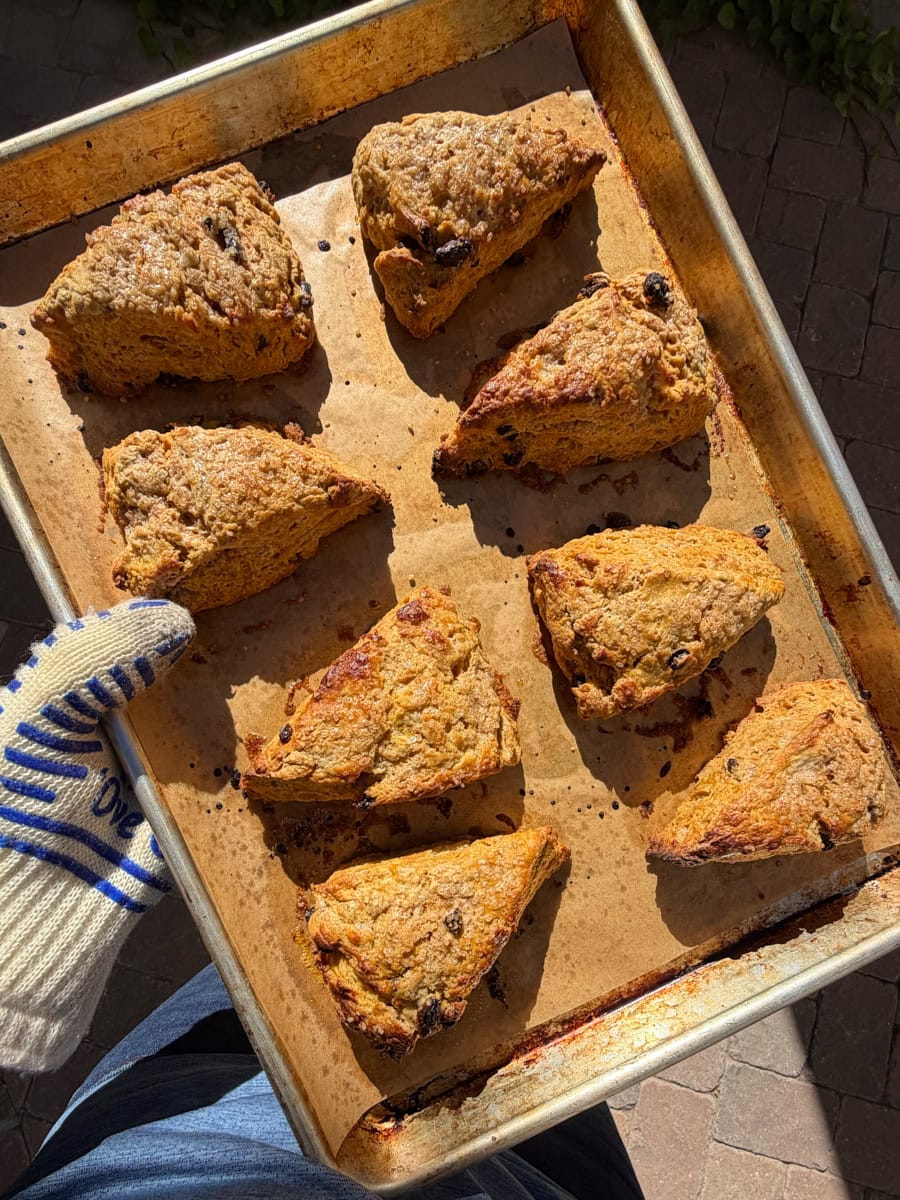
In the realm of artisanal baking, the quest for the perfect scone often leads to unexpected discoveries, especially when venturing into the unique challenges of high-altitude cooking. This exploration has culminated in the development of a Sourdough Pumpkin Scone recipe that defies conventional expectations, offering a tender, moist interior encased in a satisfyingly craggy crust. While some may debate the precise classification of this baked good, its sweet profile firmly places it in the scone category, a delightful divergence from the denser, drier varieties. The author, an experienced baker, has meticulously refined this recipe, revealing crucial techniques that ensure a superior rise, particularly vital for those residing at elevations where atmospheric pressure can impact baking outcomes.
The journey to this refined scone recipe began with an acknowledgment of a perhaps excessive fondness for pumpkin-flavored treats, a sentiment that resonates with many during the autumn months. However, the true revelation lies not just in the flavor profile but in the textural duality achieved: a soft, yielding crumb that doesn’t compromise on a robust, well-defined exterior. This delicate balance is what elevates these scones beyond the ordinary. The author highlights that these techniques are not merely beneficial but potentially essential for high-altitude bakers, drawing a parallel to the adjustments necessary when baking sourdough bread at elevation, where a few subtle modifications can transform a flattened loaf into a proud, well-risen creation.
The Allure of Einkorn and the Versatility of Whole Grains
A cornerstone of this recipe is the inclusion of einkorn flour, an ancient grain known for its distinct nutty flavor and earthy undertones. The author extols the virtues of einkorn, noting how its inherent characteristics beautifully complement the sweetness of pumpkin and the subtle tang of sourdough. However, recognizing that einkorn may not be readily available to all home bakers, the recipe offers a practical and accessible alternative: any whole wheat flour. For those seeking to replicate the rustic charm of einkorn, specific heritage wheat varieties like Red Fife, Butler’s Gold, or Marquis are recommended, each contributing its own unique depth of flavor. This adaptability underscores a commitment to making exceptional baking achievable for a wider audience, emphasizing that the spirit of whole-grain baking can be captured with pantry staples.
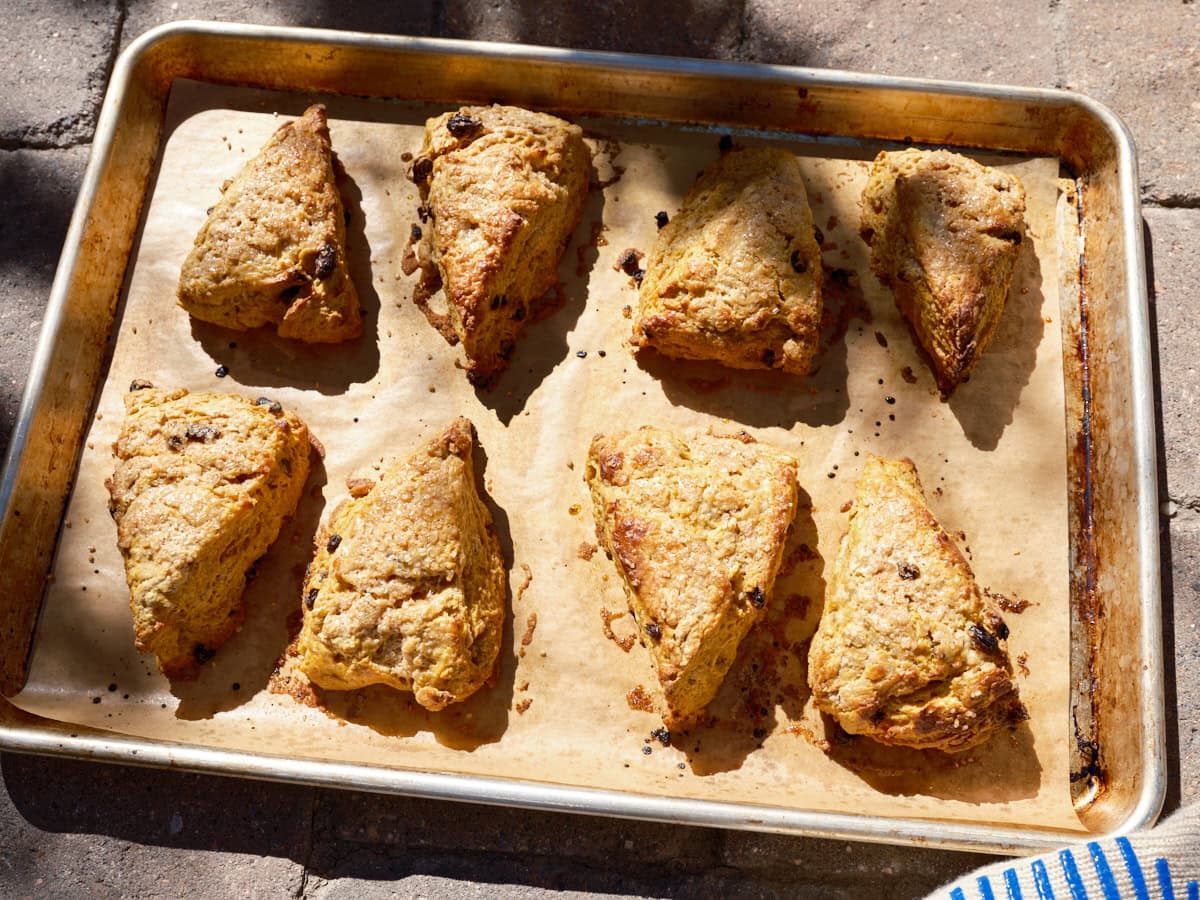
The integration of whole grains, particularly in conjunction with sourdough, introduces a complex flavor profile. Sourdough fermentation not only leavens the dough but also develops nuanced tangy notes that cut through the richness of the pumpkin and spices. The earthiness of whole wheat flour provides a grounding counterpoint, preventing the scones from becoming overly sweet. This thoughtful combination of ingredients speaks to a deep understanding of flavor pairing and ingredient synergy, a hallmark of experienced bakers.
The Crucial Role of Buttermilk and Sourdough Starter
The choice of liquid plays a pivotal role in the texture and flavor of baked goods, and for these sourdough pumpkin scones, buttermilk emerges as a key ingredient. While its fat content is lower than that of heavy cream, the acidity of buttermilk is the secret weapon. This low pH interacts with the gluten structure in the flour, promoting extensibility and relaxation. This is particularly beneficial when working with whole-grain flours like einkorn, which can sometimes have a more delicate gluten network. The author explains that this interaction leads to a more tender crumb, a desirable characteristic in any scone.
Furthermore, the acidity of buttermilk works in harmony with the sourdough starter. The natural fermentation process of the starter, combined with the acidic environment provided by the buttermilk, creates a dynamic interplay of flavors. The tanginess of the sourdough starter is beautifully balanced by the sweetness of the pumpkin, while the buttermilk adds its own subtle complexity. This contrasts with recipes that rely on high-fat dairy, such as heavy cream, to achieve flakiness. While that method coats flour particles and creates distinct layers through the melting of cold fat, the buttermilk approach prioritizes tenderness through gluten manipulation, offering a different yet equally delicious pathway to a desirable texture. The result is a scone that is both tender and flavorful, with a crumb that is both light and satisfying.
Achieving Height: The Convection Advantage and High-Altitude Baking
A common challenge in scone baking, especially at higher altitudes, is achieving a good rise. Flat, spread-out scones can be a disappointment, a phenomenon the author has observed and worked to overcome. The solution presented is multi-faceted, with a significant emphasis placed on the use of convection baking. The intense, even heat generated by convection ovens, the author notes, is instrumental in rapidly forming a crust on the exterior of the scones. This quick setting of the dough’s surface prevents excessive spreading, allowing the scones to rise upwards rather than outwards.
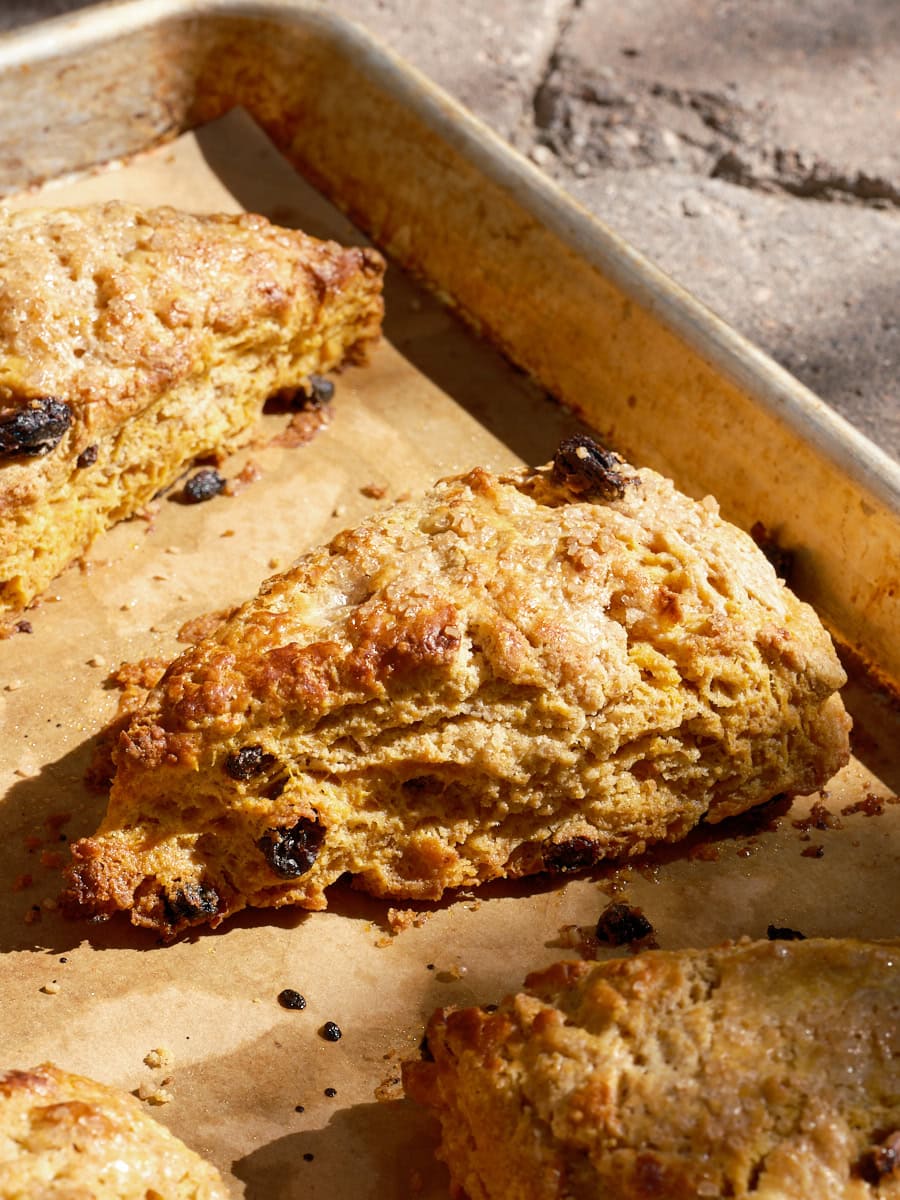
For bakers whose ovens lack a convection setting, a practical workaround is suggested: increasing the baking temperature by approximately 25 degrees Fahrenheit for the initial few minutes of baking. This intentional burst of heat can help to mimic the rapid crust formation achieved with convection, thereby promoting a taller scone. This attention to detail and the provision of alternative solutions demonstrate a deep commitment to helping bakers of all levels succeed.
The importance of these techniques is amplified at high altitudes. The lower atmospheric pressure at elevations above 3,000 feet can affect the rate at which leavening agents work and can lead to increased evaporation, both of which can contribute to flatter baked goods. Therefore, the insights shared regarding convection and temperature adjustments are not merely stylistic preferences but practical necessities for achieving optimal results in challenging baking environments. The author’s experience in the high desert of New Mexico informs these recommendations, offering a valuable perspective for a significant portion of the population.
The Science Behind the Scone: Gluten, Acidity, and Fat
The structural integrity and texture of a scone are a complex interplay of flour, fat, liquid, and leavening. In the case of these sourdough pumpkin scones, the interaction between the sourdough starter and the buttermilk is crucial. Sourdough, a wild yeast and bacteria culture, produces lactic and acetic acids during fermentation. These acids tenderize the gluten, making it more pliable and less prone to becoming tough. When combined with the acidity of buttermilk, the gluten network becomes even more relaxed and extensible. This allows the dough to expand more readily during baking without becoming rubbery.
The role of fat in scones is typically to create flakiness by inhibiting gluten development and creating steam pockets during baking. While traditional scone recipes often rely on cold butter cut into the flour to achieve distinct layers, this recipe takes a different approach. The author acknowledges that the buttermilk’s acidity is the primary driver of tenderness, rather than the fat content. This is not to say that fat is absent; it is present in the sourdough starter itself and in any butter or oil used in the dough. However, the emphasis shifts from a layered, flaky texture achieved through fat manipulation to a tender, moist crumb facilitated by acidic ingredients. This distinction highlights different philosophies in scone construction, each yielding delicious results.
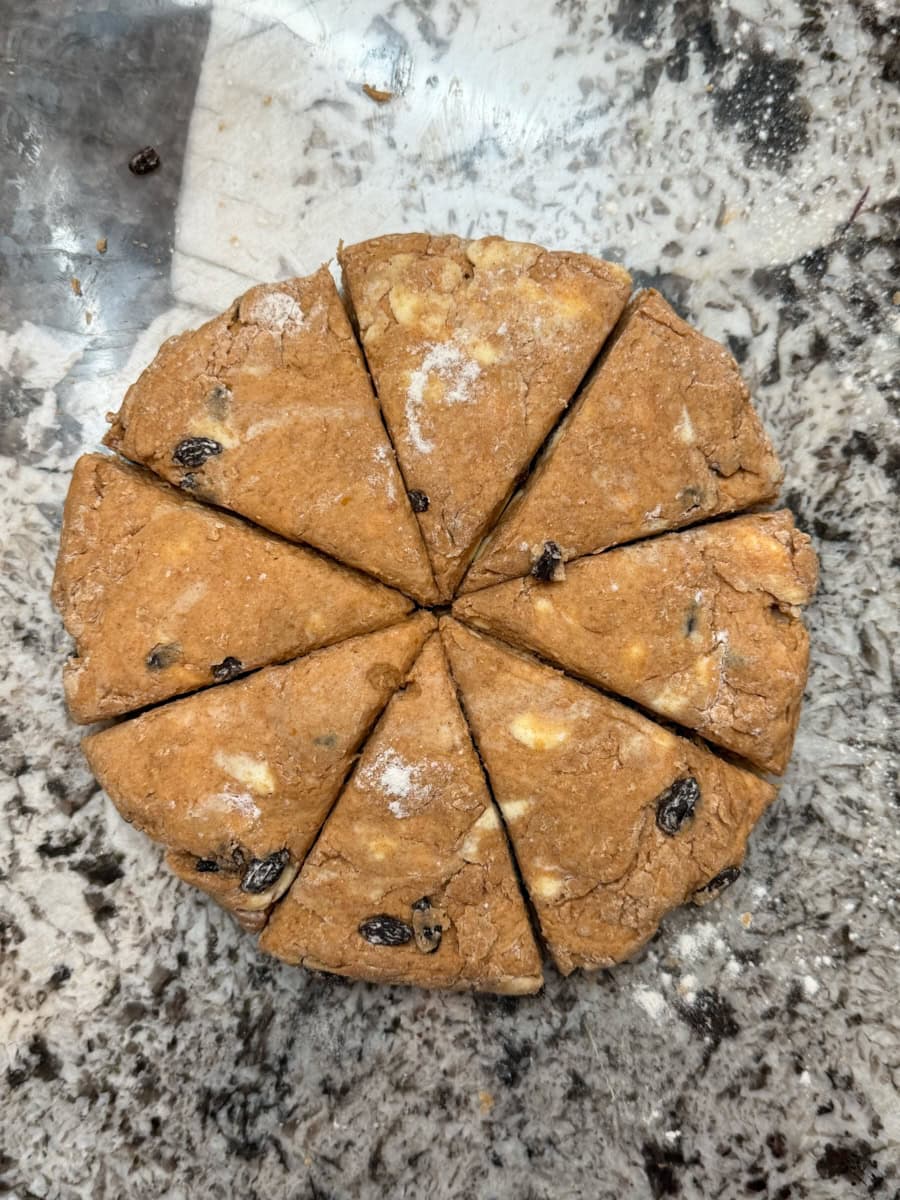
Nutritional Considerations and Ingredient Substitutions
For those mindful of dietary choices, the ingredients offer room for adaptation. The recipe’s foundation in whole grains provides a richer source of fiber and nutrients compared to scones made with refined flour. Einkorn, as an ancient grain, is often lauded for its digestibility and nutrient density, containing higher levels of protein, B vitamins, and minerals like iron and magnesium compared to modern wheat varieties.
The FAQs provide practical guidance for common ingredient substitutions. For those who do not have pumpkin puree, sweet potato or butternut squash puree are excellent alternatives, offering a similar texture and flavor profile. Applesauce or mashed banana can also be used, though their higher sugar content may require slight adjustments to sweetness. The suggestion of using kefir as a substitute for buttermilk also offers a probiotic-rich alternative, further enhancing the potential health benefits of these scones. For those who dislike raisins, dried cranberries or even fresh blueberries are recommended, adding a burst of tartness or sweetness that complements the pumpkin and spice.
The Broader Impact: Sourdough Baking and Culinary Innovation
The rise in popularity of sourdough baking over the past decade has been remarkable, fueled by a renewed appreciation for traditional methods and the inherent health benefits associated with fermented foods. Recipes like these sourdough pumpkin scones exemplify how this ancient technique can be applied to a wide range of baked goods, moving beyond the traditional loaf of bread. The use of sourdough starter discard, a byproduct of maintaining a starter, also promotes a zero-waste approach to baking, making it an attractive option for home bakers.
The culinary landscape is constantly evolving, and the development of recipes that balance tradition with innovation is a testament to this dynamism. The author’s meticulous approach to recipe development, evident in the detailed explanations of ingredient functions and baking techniques, serves as an inspiration for aspiring bakers. By sharing these insights, the author not only provides a recipe but also imparts valuable knowledge that can be applied to other baking endeavors.
Conclusion: A Testament to Baking Ingenuity
The Sourdough Pumpkin Scones represent more than just a delicious fall treat; they are a testament to the power of thoughtful ingredient selection, precise technique, and a deep understanding of baking science. The author’s journey, marked by experimentation and a keen eye for detail, has resulted in a recipe that is both accessible and sophisticated. The ability to achieve a tall, craggy exterior with a soft, tender interior, especially under the challenging conditions of high altitude, is a significant accomplishment. This recipe invites bakers to explore the nuanced world of sourdough, whole grains, and the transformative effects of ingredients like buttermilk, ultimately proving that even familiar flavors can be reimagined with exciting and rewarding results. The practical advice offered, coupled with the clear explanations, empowers bakers to elevate their own creations, fostering a sense of accomplishment and culinary exploration.