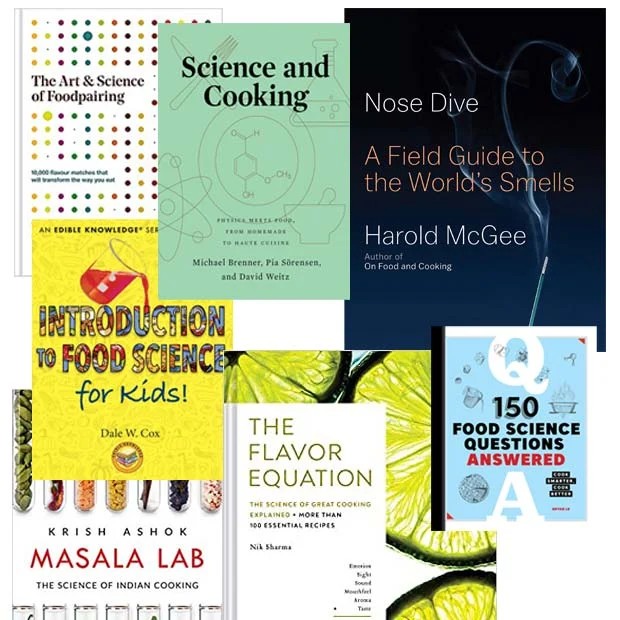

After an extended seven-year hiatus from its celebrated book recommendation series, Khymos, a prominent voice at the intersection of food and science, has returned with a curated list of notable publications from 2020. The renewed focus highlights books that delve into the scientific underpinnings of cooking and flavor, catering to both professional gastronomes and curious home cooks. This re-engagement underscores a sustained and growing interest in the scientific dimensions of food, a field that has seen remarkable growth and popularization over the past two decades.
The original blog, a respected platform for exploring molecular gastronomy and the science of cooking, last issued book recommendations in 2013. The return with a comprehensive review of 2020’s offerings signals a commitment to guiding enthusiasts through the expanding landscape of culinary science literature. The selections for 2020 collectively demonstrate the breadth and depth of contemporary food science, ranging from detailed explorations of aroma and flavor to practical guides for kitchen experiments and specialized treatments of regional cuisines.
The Enduring Appeal of Culinary Science
The resurgence of Khymos’s recommendations is timely, coinciding with a period where the public’s fascination with the "why" and "how" behind cooking has never been stronger. The field, often broadly termed "culinary science" or "gastronomy science," traces its modern roots to the work of pioneers like French physical chemist Hervé This and American food writer Harold McGee. Their groundbreaking efforts in the late 20th century began to systematically demystify kitchen phenomena, moving beyond anecdotal traditions to empirical understanding. This academic curiosity gradually permeated mainstream consciousness, fueled by television shows, culinary schools integrating scientific modules, and a proliferation of accessible literature.
The implications of this movement are far-reaching. It has transformed professional kitchens, inspiring chefs to experiment with textures, temperatures, and ingredient combinations in unprecedented ways. For home cooks, it has provided tools to understand recipe failures, optimize techniques, and unlock new levels of flavor. The books recommended by Khymos are integral to this ongoing democratization of culinary knowledge, making complex scientific principles approachable and actionable for a diverse audience.
Spotlight on 2020: A Year of Scientific Culinary Exploration
The 2020 selections from Khymos offer a panoramic view of the year’s significant contributions to culinary science literature. Each book, in its unique way, contributes to a deeper understanding of food, from the molecular level to the sensory experience.
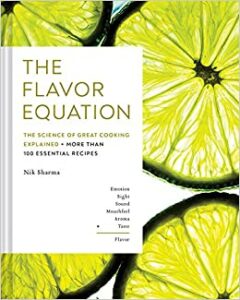
1. The Flavor Equation by Nik Sharma
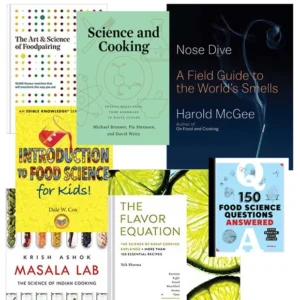
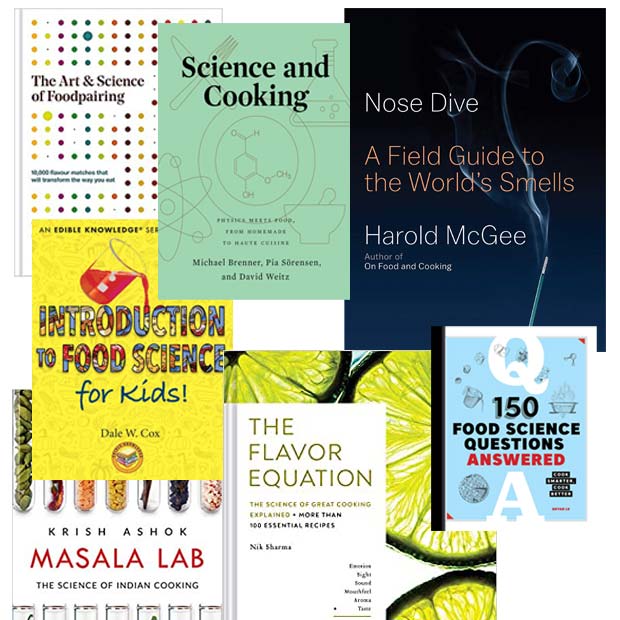
The Flavor Equation, a 352-page volume published in 2020, stands out for its innovative approach to integrating science directly into recipes. Authored by Nik Sharma, a celebrated food photographer, recipe developer, and writer known for his rigorous scientific curiosity, the book features approximately 100 recipes. What distinguishes it is the embedded "The Flavor Approach" section within each recipe, offering small, digestible scientific hints that illuminate the underlying principles of flavor development. This practical integration empowers cooks to understand not just what to do, but why certain techniques or ingredients yield particular results.
Sharma’s work extends beyond mere recipes; approximately one-third of the book is dedicated to exploring flavor from myriad perspectives, delving into the sensory science of taste, aroma, texture, and temperature. The scientific content is presented in an easily accessible manner, making complex chemical and physical interactions understandable to a broad readership. The inclusion of metric units further enhances its appeal to a global audience, solidifying its status as a highly recommended resource for anyone seeking to elevate their cooking through scientific insight. Sharma’s ability to blend stunning visuals with meticulous research has earned him a reputation for creating culinary guides that are both beautiful and intellectually stimulating.
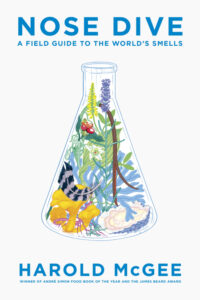
2. Nose Dive: A Field Guide to the World’s Smells by Harold McGee
Harold McGee, an undisputed titan in the realm of food science writing, released Nose Dive: A Field Guide to the World’s Smells in 2020. Spanning a monumental 688 pages, this work is a testament to McGee’s profound dedication to understanding the unseen forces that shape our sensory experiences. For those familiar with his seminal On Food and Cooking: The Science and Lore of the Kitchen, which ignited interest in the scientific perspective of food for countless readers (including the Khymos blogger), Nose Dive represents a focused yet expansive continuation of his life’s work.
Unlike On Food and Cooking, which broadly covers the science of food, Nose Dive is entirely devoted to the universe of smells. Its scope extends far beyond food, exploring the volatile molecules responsible for aromas found in nature, industry, and daily life. Despite its scientific rigor, meticulously naming and detailing countless chemical compounds, McGee possesses a unique gift for making intricate scientific concepts approachable. The book serves as a comprehensive guide to the olfactory world, promising a deeply immersive experience for readers interested in the often-underestimated sense of smell. Its different cover designs in the UK and US editions underscore its international appeal and widespread anticipation. McGee’s contribution through Nose Dive is not just a culinary one, but a significant addition to sensory science and our general understanding of how we perceive the world.
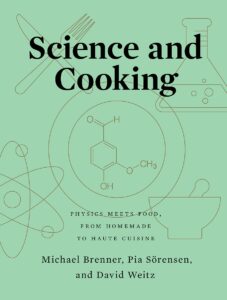
3. Science and Cooking: Physics Meets Food, From Homemade to Haute Cuisine by Michael Brenner, Pia Sørensen, and David Weitz
This 320-page book, published in 2020, is the culmination of a decade-long endeavor by Michael Brenner, Pia Sørensen, and David Weitz, who co-founded and teach the renowned "Science and Cooking" course at Harvard University. The course itself has gained international acclaim, with many of its lectures freely available on YouTube, featuring an impressive roster of celebrated chefs, scientists, and authors who share a common passion for the nexus of science and cooking.
The authors, drawing from diverse scientific backgrounds spanning applied mathematics, chemistry, and physics, masterfully integrate these disciplines with culinary topics. The book seamlessly weaves scientific explanations with practical recipes, illustrating how principles of fluid dynamics, thermodynamics, and material science manifest in the kitchen. It elucidates concepts such as emulsion stability, heat transfer, and molecular transformations during cooking, making advanced scientific ideas comprehensible through the familiar lens of food. The inclusion of metric units is a welcome feature, broadening its utility. This book effectively bridges the gap between academic research and practical gastronomy, making it an invaluable resource for students, educators, and anyone eager to understand the deep science behind both everyday meals and haute cuisine.
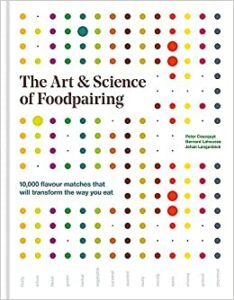
4. The Art and Science of Foodpairing by Peter Coucquyt, Bernard Lahousse, and Johan Langenbick
The Art and Science of Foodpairing, a substantial 388-page volume from 2020, delves into a concept that has both fascinated and provoked debate within the culinary world: flavor pairing based on shared aroma compounds. Bernard Lahousse, one of the authors, has been a central figure in this field, having been previously interviewed by Khymos and a regular presence at "The Flemish Primitives" conferences, known for their focus on culinary innovation.
The book is the product of Foodpairing, a company that has extensively developed and applied this concept, utilizing vast databases of ingredient aroma profiles to suggest novel combinations. While the methodology has faced criticism and is considered controversial by some, its influence on contemporary gastronomy is undeniable. The authors skillfully navigate the territory where scientific data informs creative culinary art. They present a framework for understanding how seemingly disparate ingredients can harmonize due to common volatile molecules, providing both scientific rationale and practical inspiration. The book promises to ignite creativity in the kitchen, offering a systematic yet imaginative approach to developing new dishes and flavor profiles, pushing the boundaries of traditional culinary wisdom.
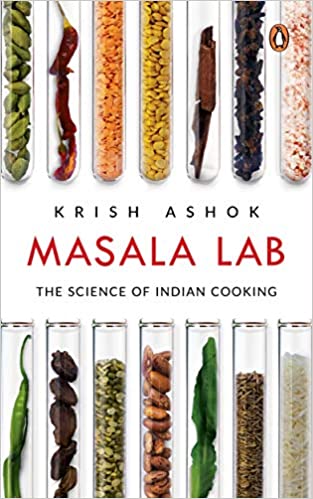
5. Masala Lab by Krish Ashok
Masala Lab, a 280-page book published in 2020, marks a significant milestone in culinary science literature by applying scientific rigor to regional cuisines, specifically Indian cooking. Authored by Krish Ashok, an electronic/software engineer, the book brings an engineer’s systematic curiosity and analytical mind to the intricate processes of Indian cuisine. This focus is particularly commendable as it addresses a long-standing gap in the field, which has often predominantly focused on Western culinary traditions.
The book promises to dissect traditional Indian cooking techniques—from the tempering of spices to the formation of curries—through a scientific lens. By explaining the chemical reactions and physical transformations that occur, Ashok aims to demystify complex processes and provide readers with a deeper understanding of why certain methods are effective. Although reportedly only available via Amazon India at the time of the blog post, its potential impact is considerable. Masala Lab has the capacity to empower cooks to innovate within the rich traditions of Indian cuisine, fostering a new generation of scientifically informed Indian cooks and chefs. Its existence is a testament to the global expansion and diversification of the culinary science movement.
6. 150 Food Science Questions Answered: Cook Smarter, Cook Better by Bryan Le
Bryan Le’s 150 Food Science Questions Answered: Cook Smarter, Cook Better, a concise 198-page book from 2020, serves as an excellent entry point for individuals new to integrating a scientific mindset into their cooking. Structured as a series of Q&As, the book is logically divided into chapters covering cooking basics, flavor fundamentals, major ingredient groups, and a crucial section on food safety and storage.
This format makes it an ideal reference book, allowing readers to quickly look up specific queries. However, its engaging presentation also encourages browsing, ensuring that readers will likely discover fascinating insights even when not seeking a particular answer. Le’s approach is designed to make complex scientific information digestible and directly applicable to everyday cooking challenges. By providing clear, concise answers, the book helps readers cook more intelligently, understand common kitchen phenomena, and ultimately improve their culinary skills. It is a practical guide that fosters a deeper appreciation for the science behind successful cooking.
7. Introduction to Food Science for Kids!: A Kitchen-Based Workbook by Dale W Cox
Dale W Cox’s Introduction to Food Science for Kids!: A Kitchen-Based Workbook, a 112-page volume from 2020, perfectly encapsulates the growing trend of engaging younger audiences with scientific concepts through practical, hands-on activities. The title itself clearly articulates its purpose: to introduce children to the wonders of food science.
The kitchen, as the book highlights, is an ideal laboratory for exploring chemical and physical principles. Through a workbook format, Cox encourages children to conduct simple experiments using everyday ingredients, transforming the act of cooking into a fun and educational experience. This approach helps demystify scientific concepts by making them tangible and relatable, fostering curiosity about chemistry, physics, and biology from an early age. The book serves as an invaluable tool for parents and educators looking to cultivate scientific literacy and a love for learning in children, demonstrating that science is not just confined to textbooks but is an integral part of our daily lives, especially in the kitchen.
The Broader Impact and Evolution of Food Science Literature
The comprehensive list of 2020 recommendations from Khymos not only highlights individual contributions but also reflects broader trends in culinary publishing. The seven-year gap since the previous recommendations (which notably included "favorites in bold" from 2014-2019, albeit without specific titles provided in the current excerpt) suggests a continuous output of high-quality literature in this niche, yet increasingly popular, genre. The consistent flow of such publications indicates a sustained demand from an audience eager to deepen their understanding of food beyond mere recipes.
The cumulative effect of these books on the culinary landscape is profound. They contribute to the ongoing professionalization of cooking, providing chefs with theoretical frameworks to innovate and refine their techniques. They empower home cooks to move beyond rote instruction, fostering a more intuitive and confident approach to meal preparation. Furthermore, these works play a crucial role in culinary education, offering resources that bridge the gap between abstract scientific principles and their tangible applications in the kitchen.
As the field of food science continues to evolve, future trends may include even more interdisciplinary collaborations, deeper dives into the science of specific ingredients and traditional fermentation processes, and the integration of emerging technologies like AI and computational analysis in flavor development. Khymos’s recommitment to curating these essential reads ensures that its audience remains informed and inspired by the latest developments at the fascinating intersection of food and science. The return of these thoughtful recommendations is a welcome development for anyone passionate about understanding the intricate world on their plate.