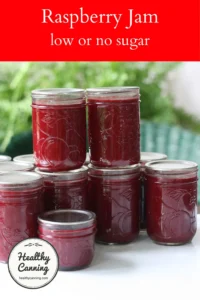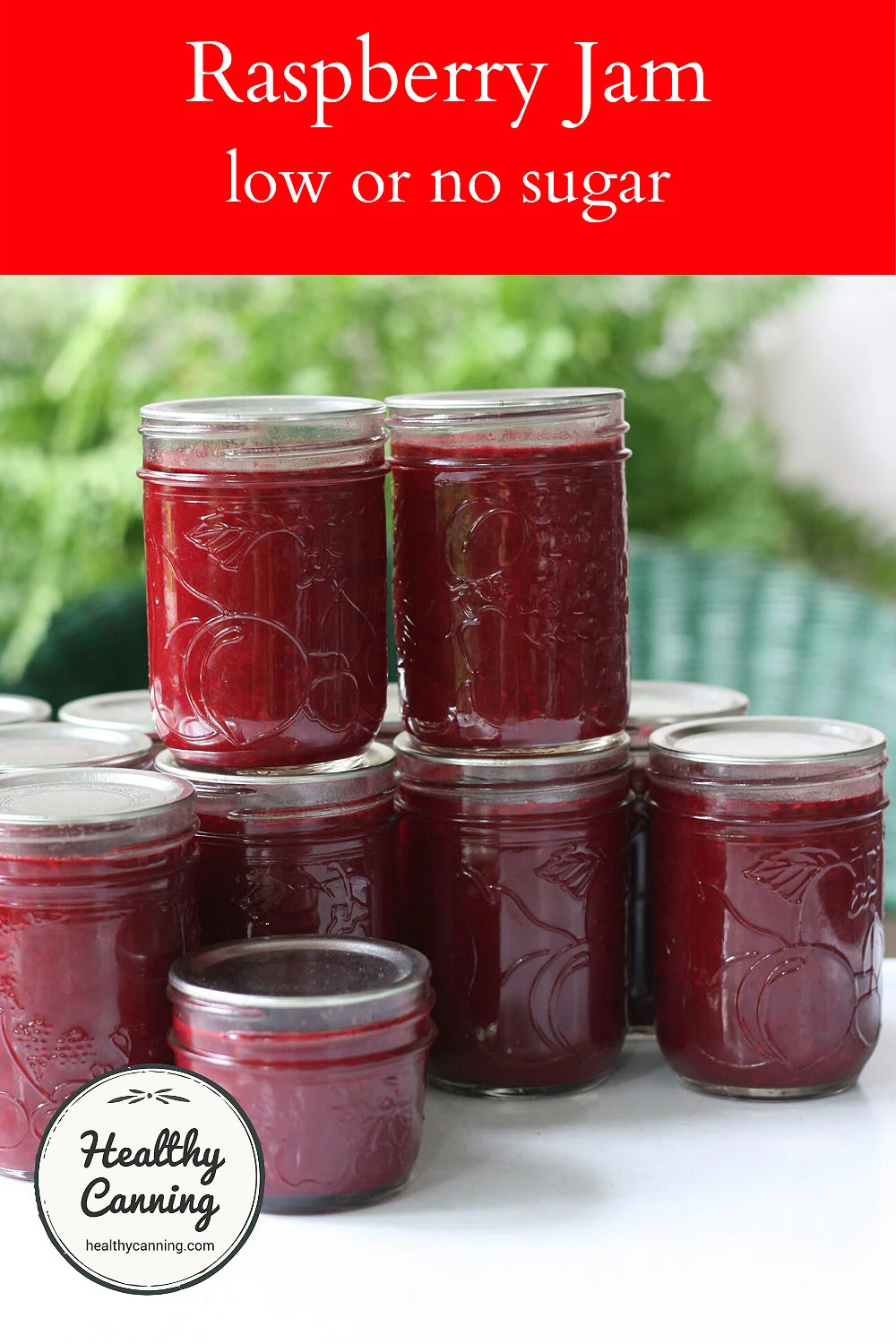

The practice of home food preservation has seen a significant resurgence as consumers increasingly prioritize dietary control, additive-free ingredients, and the reduction of household food waste. Among the various methods of fruit preservation, the production of raspberry jam remains a staple due to the fruit’s high antioxidant profile and vibrant flavor. However, traditional jam-making often requires high concentrations of sugar—frequently reaching a one-to-one ratio with the fruit—to achieve a proper gel set. The introduction and refinement of calcium-activated pectins, most notably Pomona’s Pectin, have revolutionized this process, allowing for the creation of shelf-stable, low-sugar, or even sugar-free preserves that maintain the structural integrity and safety standards required for long-term storage.
The Evolution of Modern Home Food Preservation
Historically, the preservation of soft fruits like raspberries (Rubus idaeus) relied on the natural pectin found within the fruit’s cell walls. Because raspberries are naturally low in pectin, traditional recipes mandated the addition of commercial "high-methoxyl" pectins. These substances require a specific chemical environment to create a gel: a high sugar concentration (typically 55% to 85% by weight) and a precise level of acidity. This chemical bond is what creates the "set" of the jam.
In contrast, the methodology involving Pomona’s Pectin utilizes a "low-methoxyl" pectin derived from citrus peels. This type of pectin does not rely on sugar to bond; instead, it reacts with calcium to create a gel. This scientific shift has profound implications for public health and culinary flexibility. It allows home canners to use alternative sweeteners such as honey, stevia, or monk fruit, or to simply rely on the natural sweetness of the raspberries themselves. This flexibility is particularly vital for individuals managing glycemic levels, such as those with Type 2 diabetes or those adhering to ketogenic dietary patterns.
Technical Specifications and Procedural Framework
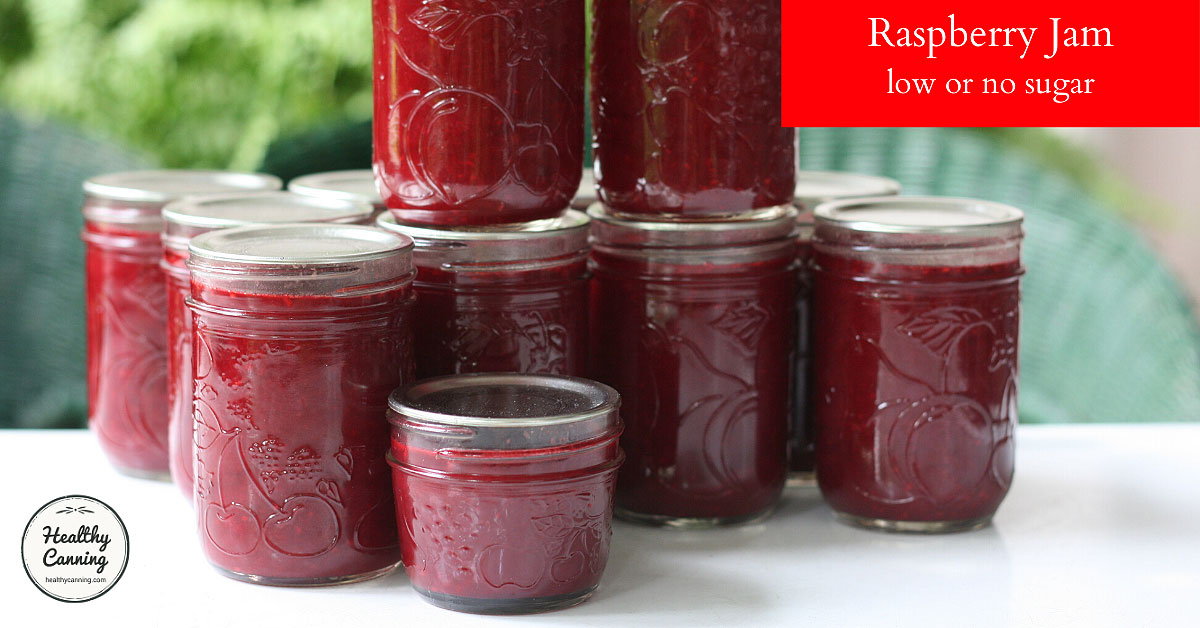
The production of raspberry jam using calcium-activated pectin requires adherence to specific technical parameters to ensure both culinary quality and microbiological safety. The following framework outlines the essential components for a standard batch yielding approximately four quarter-litre (250 ml / 8 oz) jars.
Preparation and Ingredient Synergy
The recipe is optimized for either fresh or frozen raspberries. The ability to use frozen fruit allows for "off-season" canning, which is an increasingly popular trend in urban homesteading. For those seeking a refined texture, the process includes an optional straining phase to remove the seeds, which can be dense in raspberries.
The ingredient list is categorized by its functional role in the preservation process:
- The Fruit Base: Approximately 4 cups of mashed raspberries.
- The Binding Agent: Pomona’s Pectin powder, paired with a calcium water solution (typically prepared by mixing the calcium powder provided in the pectin kit with water).
- The Sweetener Component: Options range from 1 cup of granulated sugar to 1 cup of honey, or non-caloric alternatives like 2 teaspoons of liquid stevia or 1 cup of granulated sucralose (Splenda).
- Acidification (Optional but Recommended): The addition of citric acid or ascorbic acid can be utilized to maintain color vibrancy and ensure the pH level remains safely below the 4.6 threshold required for water bath canning.
Chronology of the Canning Process
The timeline for a standard canning session is divided into three distinct phases: preparation, cooking, and thermal processing.
- Phase I: Preparation (15 Minutes): This involves sterilizing jars and lids, mashing the fruit, and preparing the calcium water. If a seedless jam is desired, the fruit is passed through a fine-mesh sieve or a food mill during this stage.
- Phase II: The Boil (20 Minutes): The fruit and calcium water are brought to a boil in a large pot. Separately, the pectin powder is thoroughly mixed into the dry sweetener (to prevent clumping). Once the fruit reaches a full boil, the sweetener-pectin mixture is integrated. The mixture must return to a vigorous boil for 1 to 2 minutes to activate the calcium-pectin bond.
- Phase III: Thermal Processing (10 Minutes): The jam is ladled into jars, leaving a precise 1 cm (1/4 inch) headspace. This gap is critical for the formation of a vacuum seal. The jars are then processed in either a boiling water bath or a modern atmospheric steam canner.
Nutritional Analysis and Dietary Impact
The primary advantage of this preservation method is the significant reduction in caloric density. According to nutritional data provided by Healthy Canning, a single tablespoon of raspberry jam made with one cup of sugar contains approximately 21 calories. When the sugar is replaced with a non-caloric sweetener like Splenda, the caloric count drops to roughly 10 calories per tablespoon, with a carbohydrate load of only 2 grams.
From a micronutrient perspective, raspberries are an excellent source of Vitamin C and dietary fiber. Even after the thermal processing required for canning, a single serving provides approximately 4 mg of Vitamin C. The inclusion of the seeds (if not strained) contributes to a higher fiber content, though the pectin itself also provides a source of soluble fiber.
Safety Standards and Regulatory Context
The safety of home-canned goods is governed by strict guidelines issued by the United States Department of Agriculture (USDA) and the National Center for Home Food Preservation (NCHFP). For high-acid foods like raspberries, two primary methods of thermal processing are recognized:
Water Bath Canning
This is the traditional method where jars are fully submerged in boiling water (212°F / 100°C) for a set duration. The 10-minute processing time for raspberry jam is calculated to destroy spoilage organisms and yeast while driving air out of the jar to create a vacuum seal.
Atmospheric Steam Canning
In 2015, the USDA and NCHFP approved atmospheric steam canning as a safe alternative to water bath canning, provided the processing times remain the same. Steam canning uses significantly less water and reaches processing temperatures faster, making it a more energy-efficient and time-effective option for the modern kitchen.
Altitude Adjustments
A critical safety consideration often overlooked by novice canners is the effect of altitude on boiling points. At higher elevations, water boils at a lower temperature. Therefore, the processing time must be increased to ensure the internal temperature of the jar reaches the necessary threshold for sterilization. Failure to adjust for altitude can result in under-processed jars and potential foodborne illness.
Economic and Environmental Implications
The shift toward home-canned raspberry jam also reflects broader economic and environmental trends. Commercially produced "low-sugar" jams are often significantly more expensive than their high-sugar counterparts due to the cost of specialized pectins and the shorter shelf life of the product once opened. By producing these goods at home, consumers can achieve a premium product at a fraction of the retail cost, especially when utilizing "gluts" of seasonal fruit or harvesting from home gardens.
Furthermore, home canning contributes to a reduction in single-use plastic and glass waste. The jars used in this recipe (125 ml or 250 ml) are designed for multi-year reuse, requiring only the replacement of the flat metal lid to ensure a fresh seal. This aligns with the "zero-waste" movement and reduces the carbon footprint associated with the transport of commercially packaged preserves.
Industry Reactions and Expert Insights
Food preservation experts note that the move toward low-methoxyl pectin reflects a "democratization" of food science. "For decades, home canners were locked into recipes that were nearly 60% sugar because that was the only way to get a jam to set," says a preservation specialist from a Master Food Preserver group. "Technologies like Pomona’s Pectin have changed the game, allowing the fruit to be the star of the show rather than the sugar."
The flexibility of the recipe—allowing for modifications like the omission of vanilla beans or the addition of specific acids—has also been praised by culinary enthusiasts. This adaptability allows for a more "artisanal" approach to canning, where the flavor profile can be adjusted to complement specific pairings, such as using the jam as a glaze for meats or a topping for high-protein Greek yogurt.
Conclusion: The Future of Home Preservation
The methodology for raspberry jam preservation using Pomona pectin represents the intersection of traditional wisdom and modern nutritional science. By understanding the chemical reactions between calcium and low-methoxyl pectin, home canners can produce a superior product that meets contemporary health standards without sacrificing the shelf stability that canning provides.
As global food chains face continued volatility and consumers become more discerning about the contents of their pantry, the ability to safely preserve nutrient-dense fruits like raspberries at home remains an essential skill. Whether utilizing fresh summer harvests or frozen stores, the 10-minute processing standard ensures that the vibrant taste of raspberries can be enjoyed year-round, providing a healthy, sustainable, and cost-effective alternative to industrial food production.