

The ubiquitous bean that fuels billions of mornings worldwide, coffee, is far more than just a morning ritual for over 2 billion people daily. Its appeal, largely attributed to caffeine, the natural stimulant that sharpens focus and banishes fatigue, extends beyond the steaming mug. While commonly associated with a quick energy surge, caffeine’s presence and impact are more nuanced and widespread than many realize, permeating not only beverages like tea and chocolate but also an array of packaged goods, from chewing gum to energy bars. This exploration delves into five lesser-known facets of this pervasive compound, offering a deeper understanding of its influence on our health and bodies.
Caffeine’s Potential Role in Skin Cancer Prevention
Emerging research suggests that the daily dose of caffeine might offer a surprising protective benefit against certain forms of skin cancer. While the primary function of coffee in many routines is to enhance wakefulness, scientific inquiry has begun to illuminate a potential link between caffeine consumption and a reduced incidence of specific skin malignancies.
Studies have indicated that individuals with higher caffeine intake may exhibit a lower propensity for developing basal cell carcinoma, the most prevalent type of skin cancer. For instance, a substantial study observed that women who consumed over three cups of coffee daily experienced a diminished risk compared to their counterparts who indulged in very little coffee. A similar trend was noted in men, where elevated caffeine consumption correlated with a reduced risk.
Furthermore, preliminary research hints at a possible association between caffeine and a lower risk of melanoma, a particularly aggressive and potentially fatal form of skin cancer. It is crucial, however, to contextualize these findings. While promising, caffeine is understood to be just one of many contributing factors to skin cancer risk. Environmental elements such as prolonged sun exposure, inherent genetic predispositions, and broader lifestyle choices remain significant determinants in an individual’s susceptibility. Therefore, while caffeine may play a supportive role, it should not be viewed as a standalone preventative measure against skin cancer.

Debunking the Myth: Caffeine and Stunted Growth
One of the most persistent and widely circulated myths surrounding caffeine is its alleged capacity to stunt growth, particularly among children and adolescents. This long-standing belief, however, lacks robust scientific substantiation. Extensive research has failed to uncover definitive evidence supporting the claim that caffeine directly impedes bone growth or overall physical development.
While it is true that caffeine can lead to a marginal increase in calcium excretion from the body, this effect is generally considered too minor to significantly interfere with normal growth patterns, especially when caffeine consumption remains within moderate levels. The origins of this myth may be rooted in earlier, less informed concerns about coffee’s impact on bone health. However, contemporary scientific consensus, based on current evidence, does not support the notion that caffeine stunts growth. As with many dietary components, moderation is the key principle. Extremely high levels of caffeine intake might indeed be associated with adverse effects, but typical, moderate consumption is not known to inhibit developmental processes.
The Neurological Symphony: How Caffeine Rewires Brain Chemistry
The immediate and noticeable effects of caffeine on alertness and cognitive function are a direct result of its intricate interaction with the brain’s neurochemistry. The sensation of wakefulness experienced after consuming caffeine is primarily attributed to its mechanism of action: blocking adenosine receptors in the brain. Adenosine is a neurotransmitter that plays a crucial role in signaling fatigue to the body. By preventing adenosine from binding to its receptors, caffeine effectively dampens the signals of tiredness, leading to increased alertness and a reduction in sleepiness. This blockade is a key reason why caffeine can sharpen focus, enhance concentration, and improve overall mental acuity.
Beyond its interaction with adenosine, caffeine also acts as a stimulant for the central nervous system. It triggers the release of adrenaline, the body’s primary stress hormone, often referred to as the "fight or flight" hormone. This surge in adrenaline contributes to a feeling of increased energy, a heightened heart rate, and a physiological preparation for physical activity. Furthermore, caffeine can influence the levels of dopamine, a neurotransmitter vital for regulating mood, motivation, and pleasure. This complex interplay of neurological effects—blocking adenosine, stimulating the central nervous system, and modulating neurotransmitter levels—explains why many individuals report feeling more productive, alert, and even experiencing an uplift in mood after consuming caffeine. Conversely, for some individuals, excessive caffeine intake can lead to undesirable side effects such as jitters, anxiety, and restlessness, underscoring the importance of individual tolerance and moderation.

Caffeine’s Potential for Long-Term Brain Health Support
The benefits of caffeine may extend beyond immediate cognitive enhancement, offering potential advantages for maintaining brain health as individuals age. A growing body of research suggests that consistent, regular caffeine consumption could be associated with a reduced risk of cognitive decline and neurodegenerative diseases, including Alzheimer’s disease.
Studies focusing on older adults have indicated that those who regularly consume caffeine may exhibit superior performance in cognitive domains such as memory recall, strategic planning, and sustained attention. Some research has also pointed towards a potentially lower incidence of Alzheimer’s disease among regular coffee drinkers when compared to individuals who consume little to no coffee.
The proposed mechanisms behind these neuroprotective effects are multifaceted. One significant factor is caffeine’s observed anti-inflammatory properties within the brain. Chronic inflammation is increasingly recognized as a contributor to age-related cognitive decline and neurodegenerative conditions. Additionally, some researchers hypothesize that caffeine may play a role in mitigating the accumulation of specific proteins, such as amyloid-beta plaques, which are hallmark pathological features of Alzheimer’s disease. While caffeine is not considered a cure or a direct treatment for these conditions, its potential protective roles are a compelling area of ongoing scientific investigation.
The Nutritional Bounty of Coffee: Beyond Caffeine
While caffeine is undoubtedly the most recognized component of coffee, the beverage offers a more comprehensive nutritional profile than often appreciated. A single cup of coffee contains a spectrum of essential vitamins, minerals, and potent antioxidants that can contribute to overall well-being.
These micronutrients include riboflavin (Vitamin B2), pantothenic acid (Vitamin B5), potassium, manganese, niacin (Vitamin B3), and thiamine (Vitamin B1). These elements play critical roles in various bodily functions, such as supporting energy production, facilitating metabolic processes, ensuring proper nerve function, and contributing to general health maintenance.
Perhaps more significantly, coffee is a rich source of antioxidants. These compounds are vital in combating oxidative stress, a cellular damage process implicated in aging and numerous chronic diseases. For a considerable portion of the global population, coffee actually represents one of the most significant dietary sources of these health-promoting antioxidants.
However, it is imperative to acknowledge that the health implications of coffee consumption are heavily influenced by its preparation and how it is consumed. A simple, black cup of coffee presents a vastly different nutritional and caloric profile compared to a highly sweetened, blended beverage laden with syrups, whipped toppings, and other calorie-dense additions. The latter can negate many of the potential health benefits associated with plain coffee.
Navigating Caffeine Consumption: Key Considerations and Guidelines
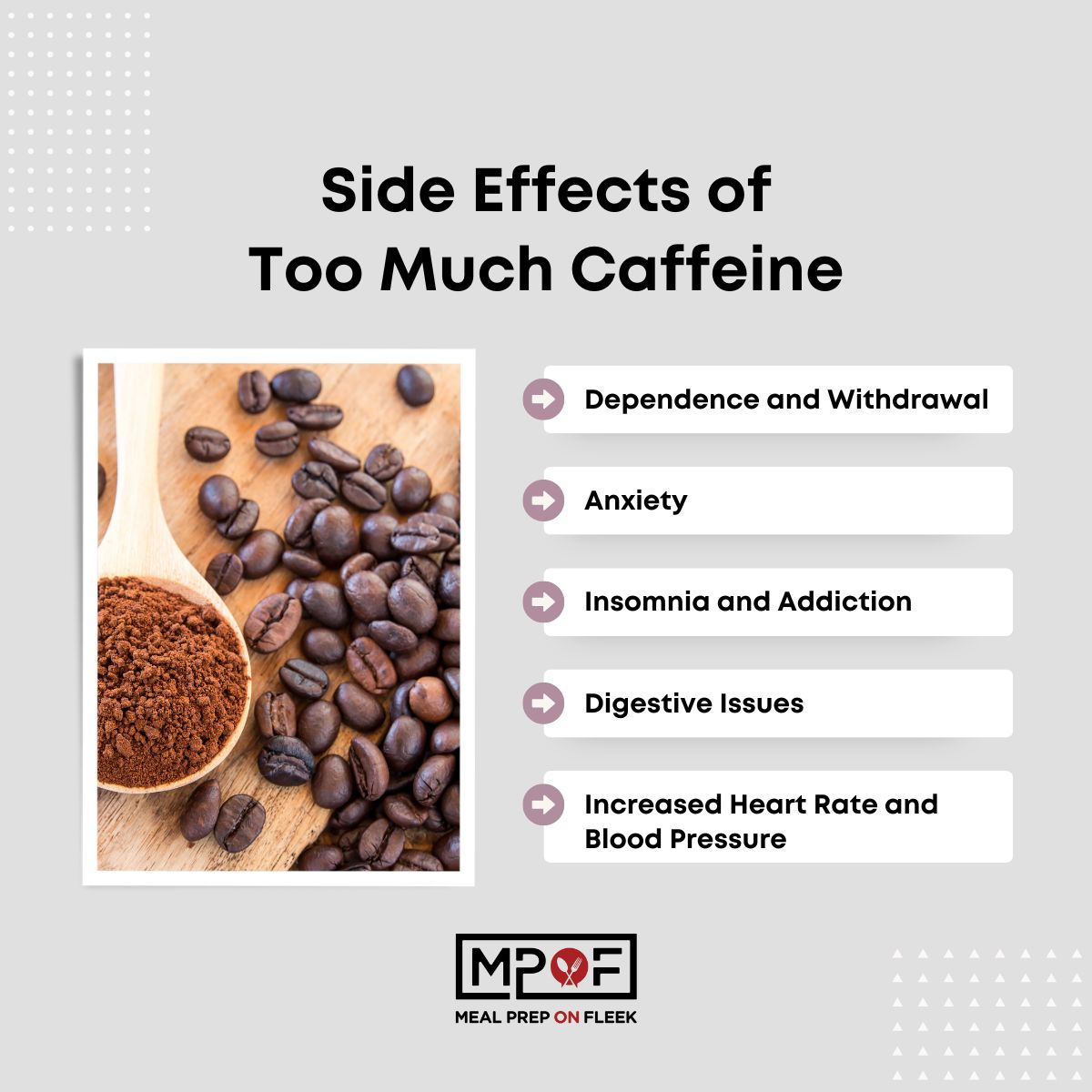
While the potential benefits of caffeine are notable, it is essential to recognize that "more is not always better." Individual sensitivity to caffeine varies dramatically. Some individuals can consume multiple cups of coffee throughout the day with minimal adverse effects, while others may experience significant discomfort, such as heightened anxiety or disrupted sleep patterns, after consuming even a single serving.

Excessive caffeine intake can manifest in a range of undesirable side effects, including:
- Insomnia: Difficulty falling asleep or staying asleep.
- Jitters and Nervousness: A feeling of restlessness and unease.
- Rapid Heartbeat: An elevated pulse rate.
- Digestive Issues: Such as stomach upset or heartburn.
- Headaches: Particularly upon withdrawal.
- Muscle Tremors: Involuntary shaking.
- Increased Urination: Due to caffeine’s diuretic properties.
- Anxiety and Panic Attacks: For individuals predisposed to these conditions.
For the majority of healthy adults, moderate caffeine intake is generally considered safe and may even confer health benefits. A daily intake ranging from 200 to 300 milligrams of caffeine is frequently cited as a reasonable and safe benchmark. This amount is roughly equivalent to two to three standard cups of brewed coffee. However, it is crucial to reiterate that individual tolerance levels can differ significantly, and some individuals may experience negative effects at lower doses. Factors such as body weight, metabolism, and genetic makeup all play a role in determining a person’s sensitivity to caffeine.
The Evolving Understanding of Caffeine’s Role in Modern Life
Caffeine, far from being a simple stimulant, is a compound of remarkable complexity with a diverse range of potential effects that are still being actively researched. Beyond its well-established role in enhancing alertness and providing an energy boost, emerging scientific evidence highlights its potential contributions to cognitive health, skin well-being, and overall physiological balance. Its pervasive presence in a broader array of food and beverage products than many consumers might initially assume further underscores its integration into daily life.
As with virtually all dietary components, the principle of moderation remains paramount in maximizing caffeine’s benefits while minimizing potential drawbacks. When consumed responsibly and in alignment with individual tolerance levels, caffeine can serve as a valuable and enjoyable component of a healthy lifestyle for a significant portion of the adult population. Ongoing research continues to unravel the intricate ways caffeine interacts with the human body, promising further insights into its multifaceted impact.