
While our ancestors relied on their senses to assess how they were doing, increasingly, we rely on gadgets. Today, individuals possess an unprecedented ability to quantify personal health metrics, from heart rate and step count to exercise intensity and sleep quality, often consolidated within a single, sophisticated device. This technological leap offers a crucial bridge, connecting an individual’s subjective perception of their well-being with objectively measurable data points. This convergence represents a significant advancement in personal health management, yet it also presents a nuanced challenge: how to effectively integrate this wealth of information without becoming overwhelmed or disconnected from one’s intrinsic bodily awareness.
From Innate Senses to Digital Insights: A Brief History of Self-Monitoring
For millennia, human self-assessment was an inherently intuitive process. Our forebears gauged their fitness by their ability to hunt, gather, and endure. Fatigue, hunger, and physical discomfort were direct signals that informed daily decisions. The concept of "feeling good" or "feeling unwell" was paramount, often the sole indicator of one’s physiological state. With the advent of modern medicine, objective measures like thermometers, scales, and blood pressure cuffs began to supplement these subjective feelings, offering the first glimpses into quantifiable health. However, these tools were largely static, providing snapshots rather than continuous monitoring in a user-friendly format.
The true revolution in self-assessment began with the miniaturization of sensors and the rise of digital computing. Early pedometers in the 1960s offered a rudimentary count of steps, a simple metric for physical activity. The 1980s saw the introduction of consumer heart rate monitors, primarily chest strap devices, which provided real-time physiological feedback during exercise. These early innovations laid the groundwork for the modern wearable technology boom. By the 2010s, devices like fitness bands and smartwatches began to integrate multiple sensors—accelerometers, gyroscopes, optical heart rate sensors, and GPS—into sleek, wrist-worn form factors. This evolution has transformed self-monitoring from a niche activity into a mainstream phenomenon, promising greater insight into our bodies than ever before and creating a global market projected to reach hundreds of billions of dollars.
The Promise of Precision: Where Wearables Excel
The core value proposition of these devices lies in their capacity to transform vague perceptions into concrete data. Humans, by nature, are often poor quantifiers of their own behaviors and experiences. Consider the common scenario of caloric intake: an individual might genuinely believe they are adhering to a strict diet, only to discover, through meticulous tracking, hidden caloric contributions—such as a colleague who unwittingly added an extra 500 calories daily via barbecue sauce from an overlooked condiment. This anecdote highlights a universal human tendency to misestimate, underscoring the utility of objective measurement.
Similarly, athletic performance often benefits from objective data. While rare individuals like Canadian sprinter Ben Johnson reportedly could call out his 100-meter time within a tenth of a second, such innate precision is an outlier. For the vast majority, devices offer a crucial feedback loop. They can validate effort, reveal hidden patterns, and guide adjustments. For instance, a runner aiming for specific heart rate zones might subjectively feel they are hitting the mark, but a monitor can provide immediate, undeniable confirmation, fostering confidence or prompting necessary adjustments. This allows for optimized training, ensuring athletes are working within effective parameters, preventing overtraining, and maximizing performance gains.

Navigating the Data Deluge: Accuracy and the Information Paradox
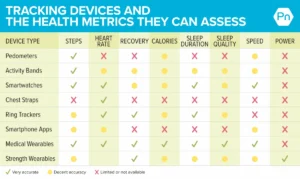
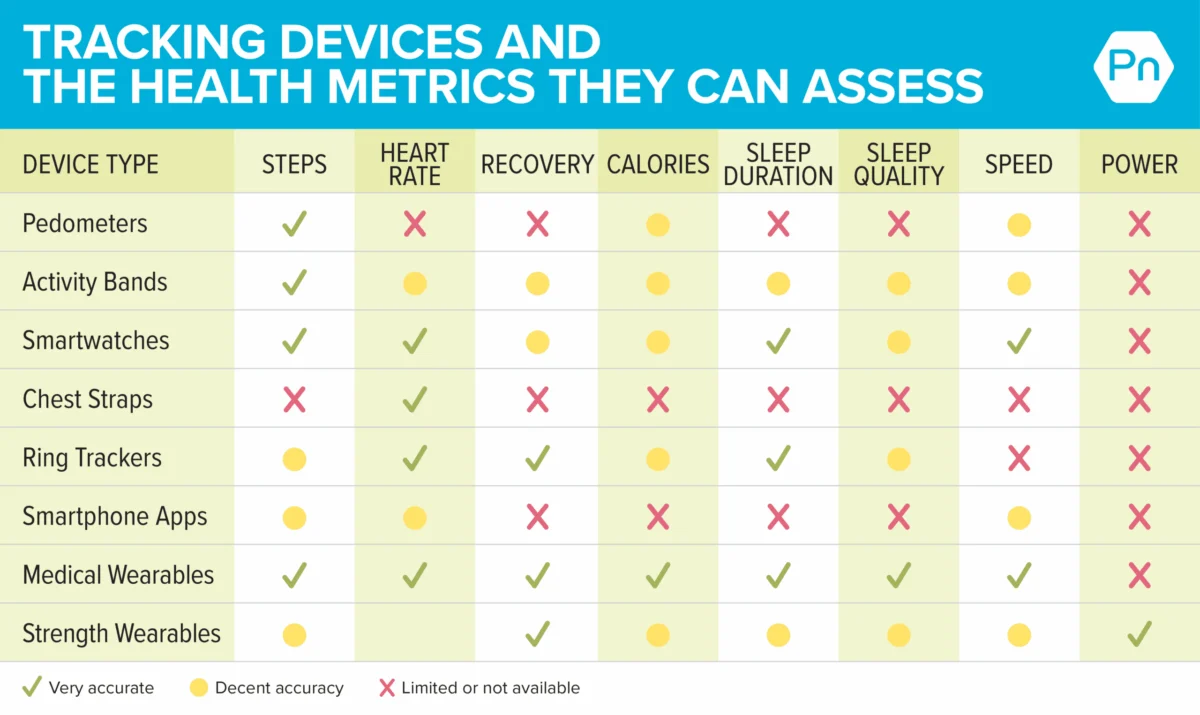
Despite their immense potential, not all data generated by these trackers is created equal. The accuracy of wearable devices varies significantly, influenced by factors such as hardware quality, software algorithms, and the inherent difficulty in quantifying certain physiological parameters. Metrics like heart rate and step count are generally considered reliable across most reputable devices, leveraging well-established sensor technologies like photoplethysmography (PPG) for heart rate and accelerometry for movement. However, more complex estimations, such as calories burned, sleep stages, or movement velocity, often carry substantial margins for error. These metrics rely on more sophisticated algorithms that make assumptions based on individual biometrics and activity patterns, leading to less precise outputs.
For example, studies have consistently shown that while wrist-based heart rate monitors can achieve high accuracy (often within 5% of clinical-grade ECGs) during steady-state activities, their performance can degrade during high-intensity or irregular movements. Conversely, calorie expenditure calculations, which rely on a complex interplay of heart rate, movement, and estimated metabolic rate, frequently show discrepancies of 20-30% or more when compared to gold-standard methods like indirect calorimetry. This variability underscores the importance of understanding the limitations of specific data points and using them as guides rather than absolute truths.
Furthermore, the sheer volume of data can be a double-edged sword, leading to what behavioral scientists call the "paradox of choice" or "information overload." As computer scientist Samantha Kleinberg notes, even a small amount of surplus information can negatively impact decision-making. This phenomenon is often depicted as an inverted U-curve, where decision-making ability peaks with an optimal amount of relevant information and declines when there is either too little or too much. In the health and fitness sphere, this can manifest as "analysis paralysis"—individuals poring over countless metrics, unable to discern actionable insights or make a clear path forward. The goal, then, is not merely to collect data, but to curate it, focusing on information that genuinely enhances well-being and performance. This highlights the need for user-friendly interfaces and intelligent data summarization from device manufacturers.
Psychological Dimensions: When Tracking Empowers or Overwhelms
The impact of tracking on an individual’s psychological state is profound and varied. For many, clear, objective feedback serves as a powerful motivator and stress reducer. When an individual embarks on a new fitness regimen, such as Zone 2 cardio, the initial subjective feeling of "ease" might conflict with a deep-seated belief that progress requires intense effort. A heart rate monitor, in this scenario, can validate the effectiveness of the gentler approach, showing objective improvements like a lower resting heart rate and faster recovery. This data-driven reassurance can reduce anxiety and build confidence, empowering the individual to trust the process. This positive feedback loop aligns with established behavioral models, such as B.J. Fogg’s Fogg Behavior Model, which suggests that sustained behavior change requires motivation, ability, and a prompt. Fitness trackers excel at providing these prompts. For instance, observing a direct correlation between alcohol consumption and poor sleep quality via a sleep tracker can be a powerful catalyst for behavioral adjustment. The "un-seeable" becomes visible, making the healthier choice clearer and more compelling. A notable example is Timothy Jones, CEO of Precision Nutrition, who utilized feedback from various lifestyle trackers to successfully reduce his genetically high cholesterol levels, transforming his health through data-informed adjustments.
However, the same data can become a source of stress or lead to counterproductive behaviors. For a new parent grappling with the unavoidable sleep disruption of an infant, a "poor sleep quality score" from a wearable device might induce unnecessary anxiety without offering any immediate solutions. In such circumstances, where priorities lie elsewhere or factors are beyond immediate control, tracking can be counterproductive. Similarly, an avid recreational cyclist might initially find motivation in demolishing trail records, but an exclusive focus on speed metrics can lead to burnout, neglecting enjoyment, proper recovery, and overall well-being. When the numbers overshadow the experience, tracking ceases to be a tool for health and becomes a source of pressure. This over-reliance can also disconnect individuals from their own internal cues—hunger, fullness, energy levels—as exemplified by the "MyFitnessPal blackout" in 2019, where millions of users reportedly experienced mild panic and felt adrift without the app dictating their caloric intake. This phenomenon, sometimes termed "nomophobia" (no-mobile-phone phobia), underscores the potential for unhealthy dependence on technology for self-regulation.
Cultivating Self-Awareness in the Digital Age: A Balanced Approach

The true art of leveraging wearable technology lies in integrating objective data with subjective self-assessment. This symbiotic relationship can enhance both enjoyment and results, fostering a more resilient and mindful health practice. Exercisers who focus on intrinsic motivators like mindfulness, mastery, meaning, and the inherent enjoyment of the process tend to develop more sustainable practices, regardless of short-term objective fluctuations. Objective data can then serve to calibrate and refine this internal awareness.
-
Prioritize Internal Check-ins Before External Data: Before consulting any device, take a moment to pause and tune into your body. Ask yourself: How do I feel? How far do I think I ran? What was my perceived exertion? This practice strengthens your interoceptive awareness—your ability to sense internal states. Only after this internal assessment should you consult your tracker. This comparison allows you to calibrate your subjective feelings against objective reality, gradually narrowing the gap between the two and improving your intuitive understanding of your body’s responses. Regularly updating device algorithms and understanding their limitations are also crucial for this calibration process, as manufacturers frequently refine their predictive accuracy.
-
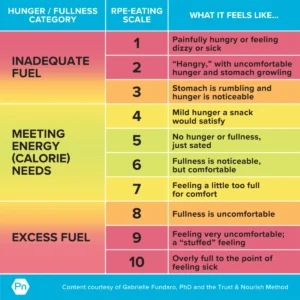
Develop Mental Shortcuts and Leverage Perceived Exertion: Objective measures, while valuable, aren’t always necessary or accessible. Developing mental shortcuts can serve as effective proxies. For strength training, coaches often ask clients to estimate "reps in reserve" (RIR)—how many more repetitions they could perform before failure. Novices might initially be far off, but by occasionally comparing their estimates to actual performance (perhaps with a coach’s observation or a device tracking bar speed), they can refine their internal gauge of maximal effort. The Rate of Perceived Exertion (RPE) scale, a scientifically validated sensory-driven approach developed by Gunnar Borg, is another powerful tool. By consistently mapping subjective feelings of effort (e.g., "this feels like an 8 out of 10 effort") to objective metrics (like heart rate or power output), individuals can improve their RPE accuracy, allowing for effective training adjustments even without constant device monitoring. This can be particularly useful in dynamic situations where real-time data might be distracting.
-
Continuously Hone Your Sensory Network: Humans possess an extraordinary array of sensory capabilities that technology, for all its advancements, cannot replicate. Proprioception informs our sense of body position and movement. Interoception provides awareness of internal states like hunger, thirst, and fatigue. Vestibular senses manage balance. Thermal receptors detect temperature changes. These intricate systems feed into the brain’s powerful pattern-recognition machinery, creating a rich tapestry of information about our environment and internal state. By actively engaging with and reflecting on these sensory inputs—noticing subtle shifts in energy, recognizing true hunger versus emotional eating, or distinguishing between productive fatigue and detrimental overexertion—we can deepen our self-understanding. Wearable tech, when used judiciously, can serve as a valuable complement to this inherent sensory intelligence, providing external validation or revealing blind spots. The goal is to create a harmonious feedback loop where technology informs and refines our senses, rather than replacing them.
Broader Implications and the Path Forward
The proliferation of wearable technology holds significant implications beyond individual fitness. In the realm of public health, these devices offer unprecedented opportunities for large-scale data collection, potentially leading to better epidemiological insights and personalized preventative healthcare strategies. For healthcare providers, aggregated, anonymized data from wearables could inform more tailored interventions and identify at-risk populations, shifting the paradigm towards proactive rather than reactive care.
However, this data-rich future also raises critical questions regarding data privacy, security, and ethical use. Who owns this highly personal health data? How is it protected from breaches or misuse, especially as more sensitive metrics like continuous glucose monitoring (CGMs) become mainstream? The potential for algorithmic bias, where devices may perform differently across diverse populations due to training data limitations, also warrants careful consideration from manufacturers and regulators. As the technology continues to evolve, integrating predictive analytics and even closed-loop systems (e.g., insulin pumps automatically adjusting based on CGM data), these ethical and societal considerations will become even more pressing, demanding robust regulatory frameworks and transparent data practices. The digital divide, ensuring equitable access to these technologies and their benefits, also remains a significant challenge.
The journey of self-assessment has come full circle, from primal instincts to sophisticated algorithms. The most effective approach in this digital age is not to discard our innate senses in favor of data, nor to reject technology outright. Instead, it is to forge a synergistic relationship, allowing objective data to sharpen our subjective awareness, and empowering us to make informed, personalized decisions that truly enhance our physical and mental well-being. By maintaining a connection with our felt experience while leveraging technological insights, we can navigate the complexities of modern health with greater precision, resilience, and enjoyment.