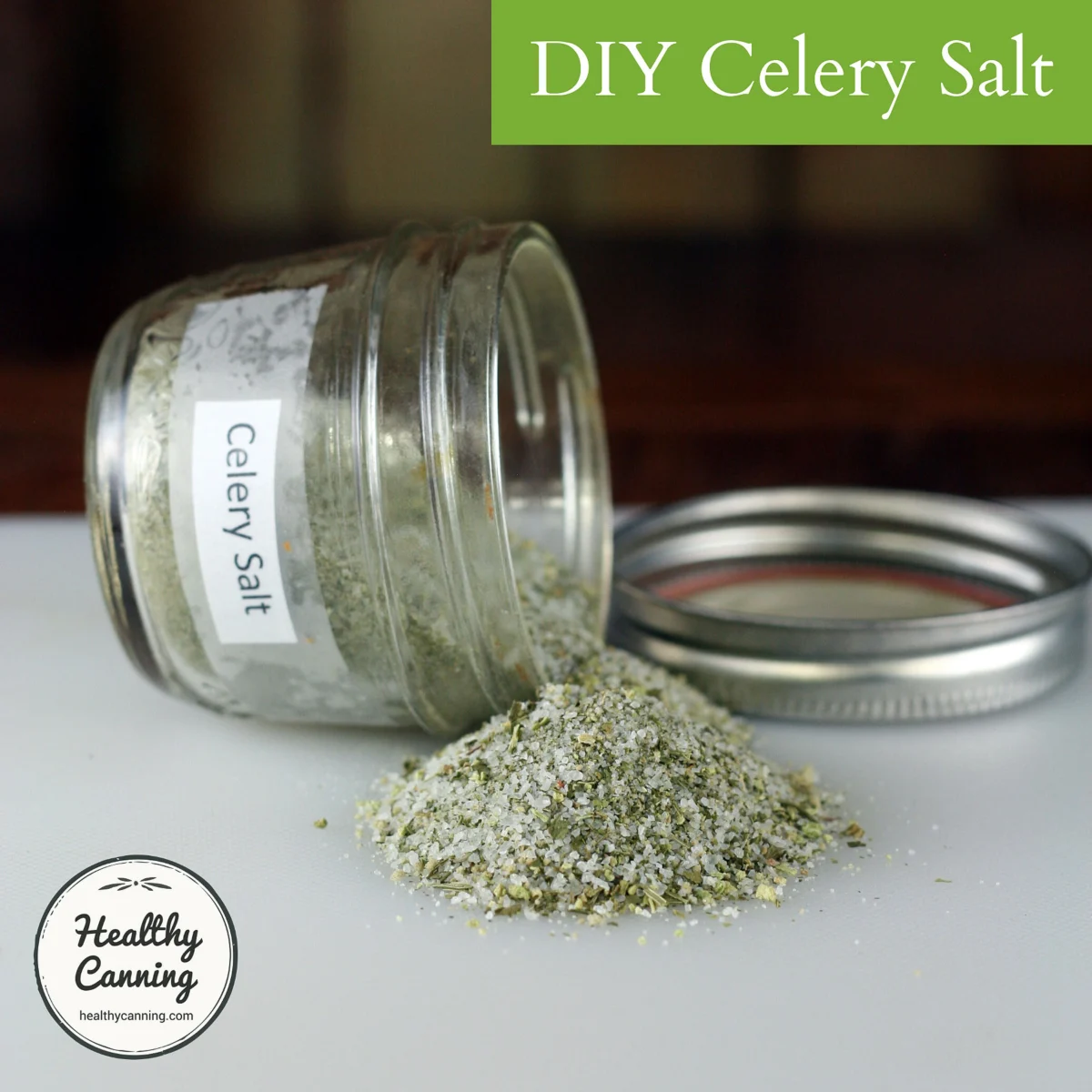

The global movement toward artisanal, home-produced food staples has reached a new milestone as culinary enthusiasts and health-conscious consumers increasingly turn to DIY seasonings, with celery salt emerging as a primary focus for domestic production. While commercially available spices have long dominated the market, the transition toward homemade alternatives is driven by a combination of economic efficiency, dietary requirements, and a desire for superior flavor profiles. By blending salt with either ground celery seeds or dehydrated celery powder, individuals can produce high-quality seasonings for a fraction of the retail price, often referred to in the industry as "pennies on the dollar." This shift represents a broader trend in the "clean label" movement, where consumers seek total transparency and control over the ingredients in their pantry.
The Economic Impact and Market Shift Toward DIY Seasonings
The spice and seasoning market has historically been characterized by high markups, largely due to packaging, marketing, and distribution costs rather than the intrinsic value of the raw materials. A standard jar of celery salt at a major metropolitan grocery store can retail for anywhere between $4.00 and $7.00 for a few ounces. In contrast, purchasing celery seeds in bulk and utilizing common household salt reduces the cost of production significantly. Industry analysts note that the raw material cost for a five-tablespoon batch of homemade celery salt—approximately 75 grams—often totals less than fifty cents.
This economic reality is driving a resurgence in home food preservation and preparation. As inflation impacts grocery budgets globally, the ability to manufacture essential pantry items at home provides a tangible buffer for household finances. Furthermore, the DIY approach eliminates the need for anti-caking agents, such as silicon dioxide or sodium aluminosilicate, which are frequently added to commercial spice blends to extend shelf life and prevent clumping during transport.
Culinary Versatility: From Basic Seasoning to Gourmet Staple
One of the primary advantages of domestic celery salt production is the ability to elevate a basic commodity into a gourmet ingredient. Commercial celery salt is typically a rigid 2:1 or 3:1 ratio of table salt to ground celery seed. However, the homemade process allows for the integration of diverse salt varieties, each offering distinct mineral contents and textural properties.

Culinary professionals often advocate for the use of sea salt, which contains trace minerals like magnesium and potassium, or Himalayan pink salt, known for its aesthetic appeal and subtle earthy undertones. For a more complex flavor profile, smoked salts—such as applewood or hickory-smoked varieties—can be utilized to create a seasoning that adds depth to grilled meats and stews.
The celery component itself offers further opportunities for customization. While ground celery seeds provide the traditional, concentrated flavor associated with the spice, the use of homemade celery powder is considered the "gold standard" for gourmet applications. Celery powder is produced by dehydrating fresh celery stalks and leaves until they are brittle and then grinding them into a fine dust. This method captures the bright, vegetal notes of the fresh plant, offering a more nuanced flavor than the darker, more bitter profile of the seeds.
Health Implications and Sodium Management
For individuals managing hypertension or other cardiovascular conditions, the ability to control sodium intake is a critical benefit of DIY seasoning. The American Heart Association recommends a daily sodium limit of no more than 2,300 milligrams, with an ideal limit of 1,500 milligrams for most adults. Commercial celery salt is, by definition, high in sodium.
By producing celery salt at home, consumers can utilize salt substitutes to create sodium-free or low-sodium versions. Products such as Herbamare, or potassium-based substitutes, can be blended with celery seed or powder to provide the desired flavor without the associated health risks of traditional sodium chloride. This level of customization is rarely available in mainstream retail environments, making the DIY approach a vital tool for medical nutrition therapy.
The Technical Process: A Chronology of Production
The production of celery salt is a straightforward process, yet it requires precision to ensure a shelf-stable and palatable result. The standard yield for a home batch is approximately five tablespoons (75 grams), though this fluctuates based on the density of the chosen ingredients.

- Material Selection: The process begins with the selection of the base. If using celery seeds, they must be fresh and aromatic. If using celery powder, the celery must be thoroughly washed and dehydrated at a low temperature (typically 125°F or 52°C) for several hours to ensure all moisture is removed.
- Grinding: If using whole celery seeds, they are processed in a spice grinder or mortar and pestle. Experts recommend a medium-fine grind to ensure the flavor is released without turning the seeds into an oily paste.
- Integration: The celery component is combined with the salt. A common ratio is two parts salt to one part celery, though this can be adjusted to personal preference.
- Homogenization: The mixture is shaken or stirred vigorously. For the best results, some producers choose to do this directly in the storage jar to minimize waste.
- Storage: The final product must be stored in an airtight glass container, away from direct sunlight and heat, to preserve the volatile oils in the celery.
Historical and Cultural Context
Celery salt holds a storied place in global culinary history, particularly in North American cuisine. It is perhaps most famous as a primary ingredient in the "Chicago-style" hot dog, a culinary icon that emerged during the Great Depression. The inclusion of celery salt provided a savory "umami" punch that complemented the beef frankfurter and various vegetable toppings.
Additionally, celery salt is a non-negotiable component of the Bloody Mary cocktail, a staple of international beverage culture. Its ability to bridge the gap between the acidity of tomato juice and the sharpness of vodka has made it an essential tool for bartenders since the early 20th century. The transition from these commercial roots to a home-produced artisanal version reflects a cultural desire to honor these traditions while improving the quality of the raw materials used.
Institutional Support and Food Safety
The rise in home seasoning production has been met with support from various food preservation organizations. Master Food Preserver groups, which operate across various regions, provide resources for individuals looking to safely dehydrate vegetables for spice production. These groups emphasize the importance of moisture control; if celery powder is not sufficiently dried before being mixed with salt, the resulting blend can harbor mold or bacteria.
The use of high-quality dehydrators is often recommended by these experts to ensure consistent results. Unlike oven-drying, which can be uneven and may scorch the delicate leaves of the celery, dedicated dehydrators maintain a constant airflow and temperature, preserving both the color and the nutritional integrity of the plant.
Environmental Implications and Sustainability
Beyond the individual benefits, the shift toward homemade seasonings has broader environmental implications. The spice industry is a major consumer of single-use plastics and glass. By reusing jars and purchasing raw materials like salt and celery seed in bulk or growing celery in domestic gardens, consumers significantly reduce their carbon footprint.
The "zero-waste" kitchen movement specifically highlights celery salt as a prime example of sustainable practice. Celery leaves, which are frequently discarded in professional and home kitchens alike, are the most flavorful part of the plant for making celery powder. Repurposing these "scraps" into a high-value seasoning aligns with global efforts to reduce food waste, which currently accounts for a significant portion of methane emissions from landfills.
Broader Implications for the Food Industry
The increasing popularity of DIY staples like celery salt serves as a signal to the broader food industry. Consumers are no longer satisfied with "one-size-fits-all" products that contain unnecessary additives. This trend is forcing manufacturers to reconsider their formulations and packaging.
Market research suggests that as more consumers master these simple kitchen skills, the demand for high-quality raw ingredients—such as organic celery seeds and specialty salts—will continue to rise. This creates new opportunities for small-scale farmers and artisanal salt harvesters who can provide the premium components required for high-end home production.
In conclusion, the movement toward homemade celery salt is more than a simple culinary trend; it is a convergence of economic necessity, health advocacy, and environmental stewardship. By taking control of the spice rack, individuals are not only enhancing the flavor of their meals but are also participating in a larger shift toward a more conscious and sustainable food system. Whether for the perfect Chicago dog, a health-compliant diet, or a gourmet gift, the art of making celery salt at home remains a foundational skill for the modern kitchen.